 CONTACT US!
 Doggie Deals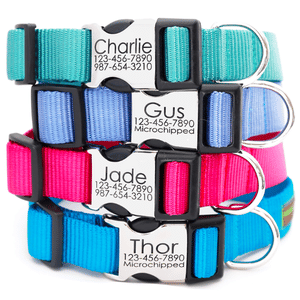
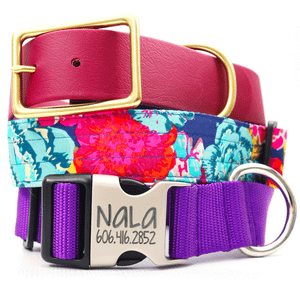
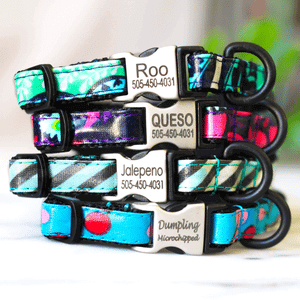
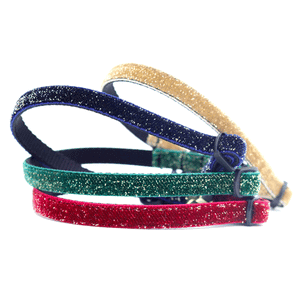
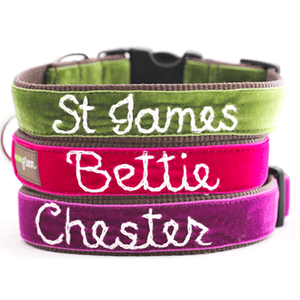
Shop by Personalization Engraved Buckle Engraved Nameplate Hand Embroidery
Shop by Type Nylon Velvet Linen Cotton Canvas Laminated Reflective Flannel Glitter Biothane Leather Studded Beaded 🟣 🟡 Break Away

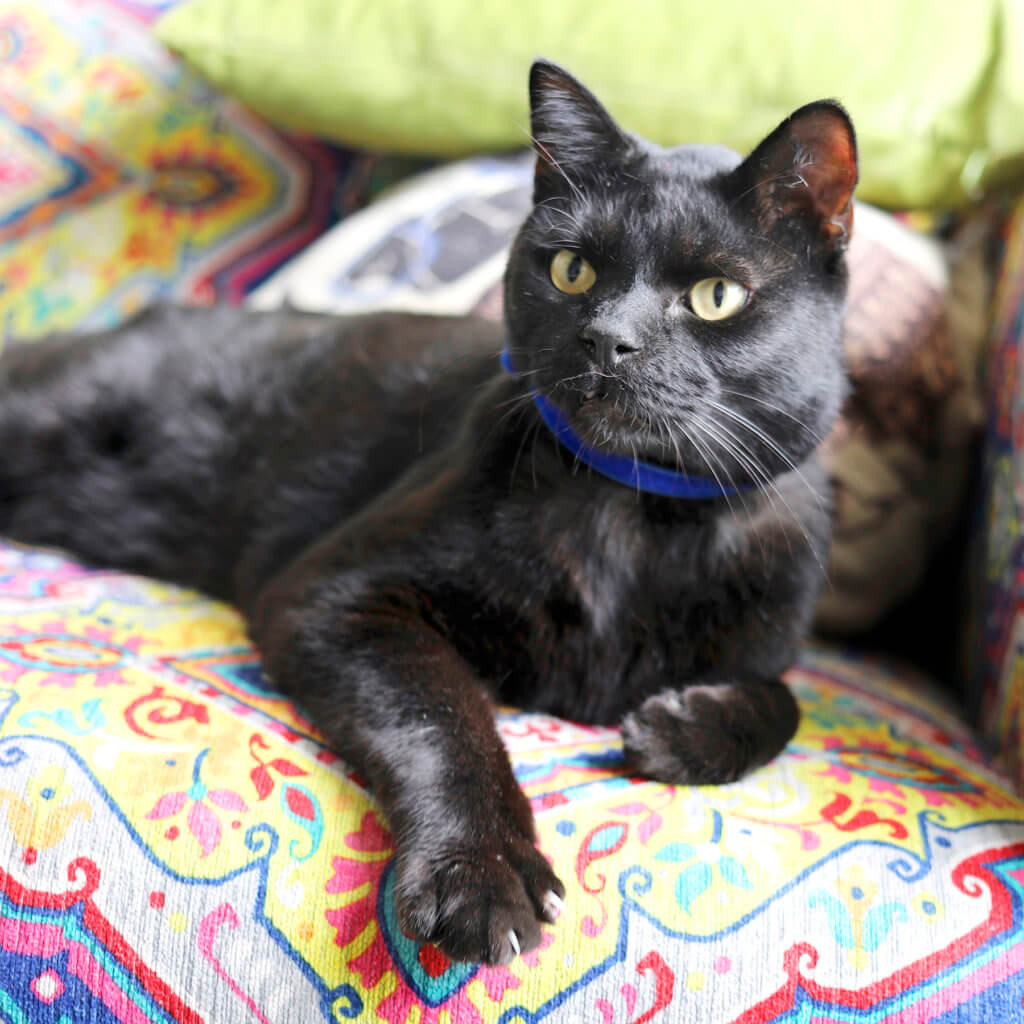
If every time you pull out your cat’s collar, they yowl and run away or they scratch at it and try to get it off, your cat is not just being dramatic. For many cats, a poorly made collar is genuinely uncomfortable, and their resistance is telling you something.
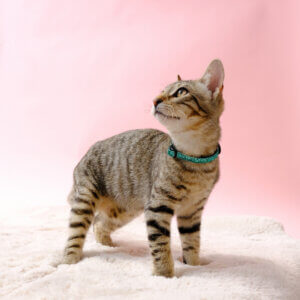
The good news is that the right collar, one that’s made from soft materials, sized correctly, and built with a breakaway safety release, can change how your cat responds to wearing one.
At Mimi Green, every collar is handmade in New Mexico using quality materials and careful construction. Whether you have a wriggler, a scratcher, or a full-on escape artist, you’ll find a collar built for your cat.
Shop our collection below and find the fit that finally works.
Cats are highly sensitive, especially around their necks. Unlike dogs, who are often desensitized to wearing gear from puppyhood, many cats experience a collar for the first time as adults, when they are already set in their ways and less open to new sensations.
The most common reasons a cat resists a collar include:
Understanding the root cause of your cat’s discomfort is the first step toward finding a collar they will actually tolerate. The right collar addresses the specific aversion rather than simply trying different products at random and hoping for the best.
Not all cat collars are created equal, and for cats who resist wearing one, the difference between a tolerable collar and an intolerable one often comes down to four things: materials, fit, construction, and hardware.
In this buyer’s guide, we will break down each factor that helps make a more comfortable cat collar, explain the most common collar types, and walk you through what to look for when shopping for a cat who has strong opinions about neck accessories.
Understanding what type of collar you are buying helps you match the product to your cat’s behavior and body type.
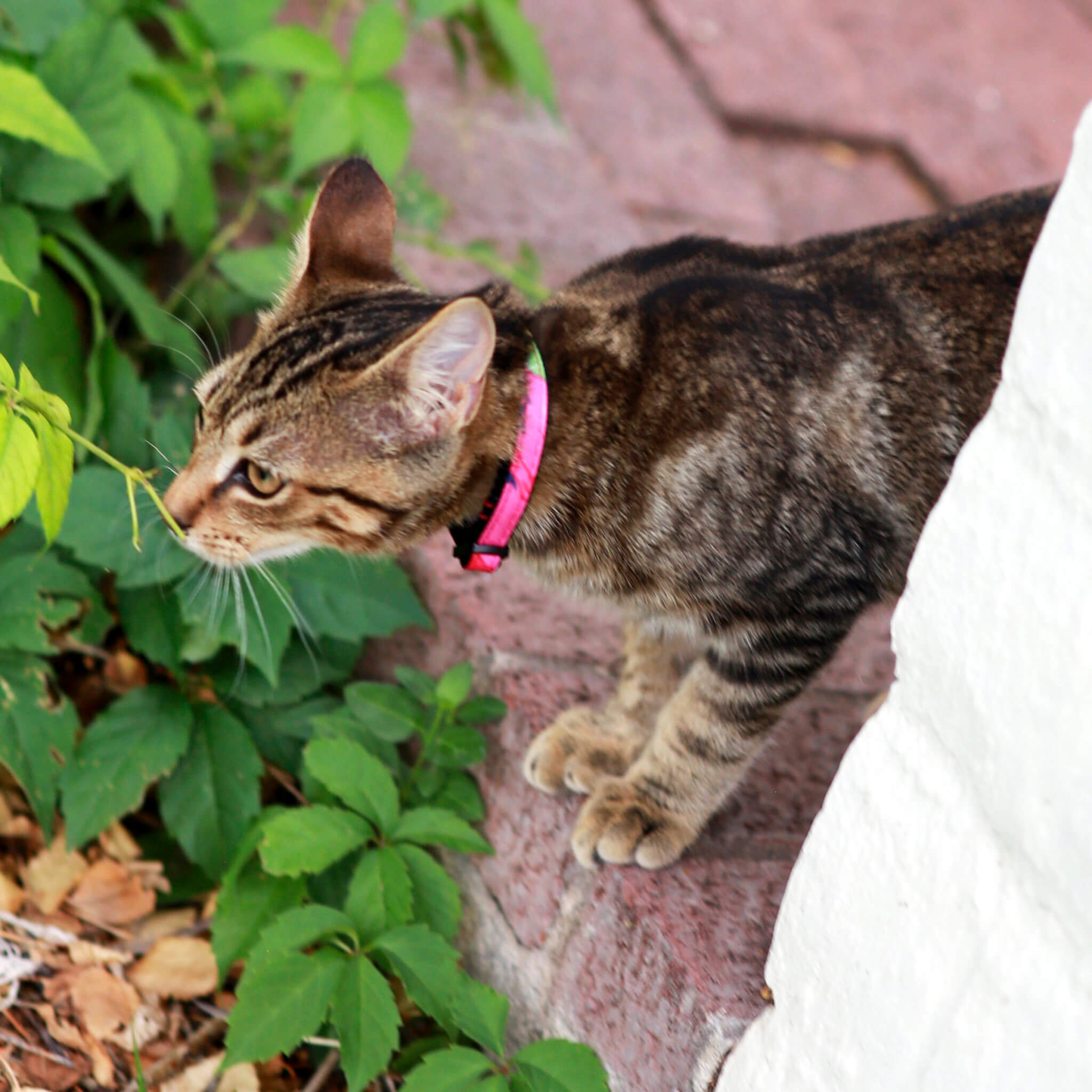
The standard option for most cats. A flat collar sits around the neck with a simple buckle or snap closure. When made from soft, lightweight fabric and fitted correctly, flat collars are the most commonly tolerated style.
They work well for calm indoor cats being introduced to wearing a collar for the first time. The main limitation is that they require a proper fit to avoid slipping off or causing discomfort.
Widely considered the safest option for cats. A breakaway collar is designed to release under sufficient force, so if your cat gets snagged on a branch, furniture leg, or another cat’s claw, the collar opens and prevents strangulation or injury. This is especially important for cats who spend any time outdoors or in environments with climbing hazards. The tradeoff is that a determined escape artist can eventually learn to trigger the release intentionally.
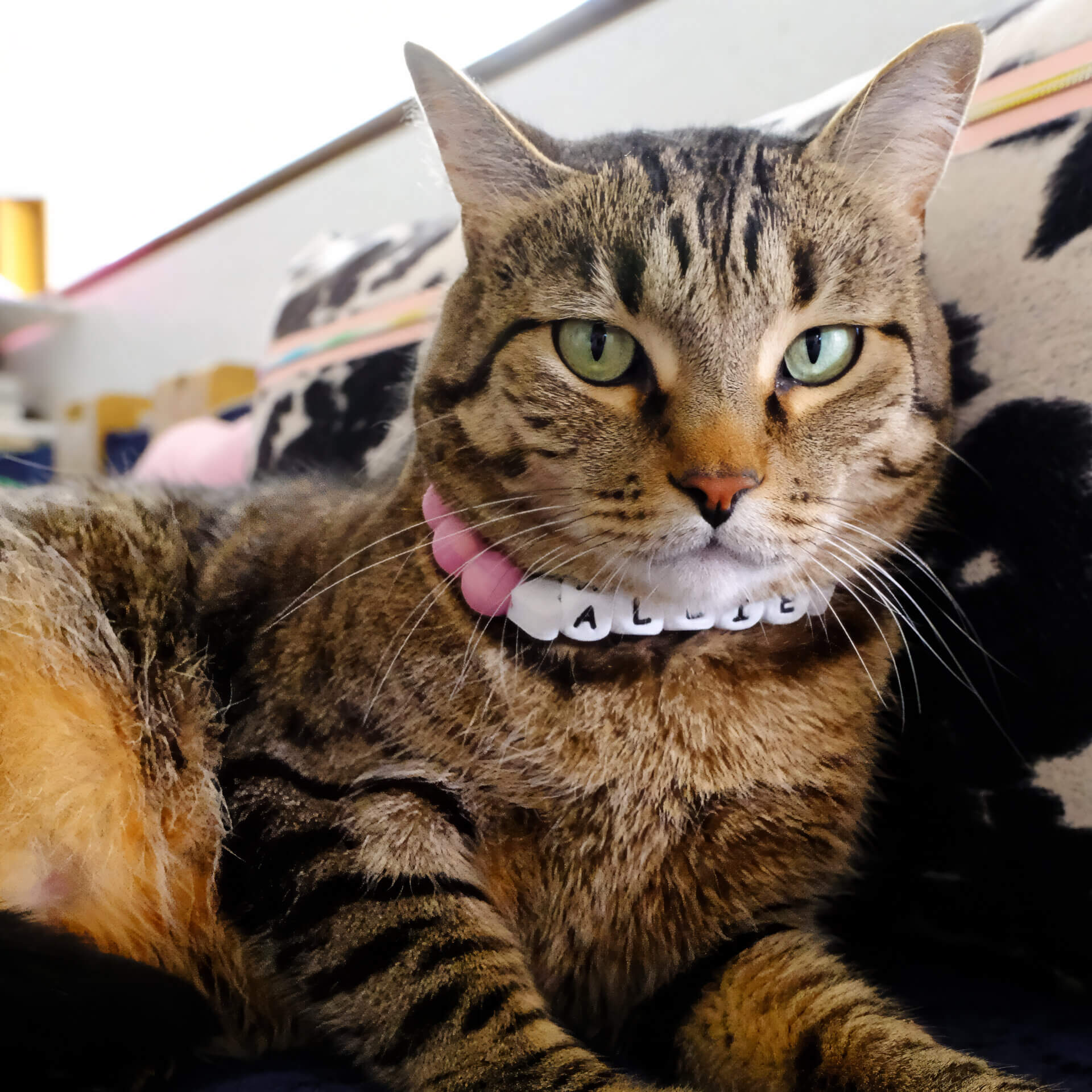
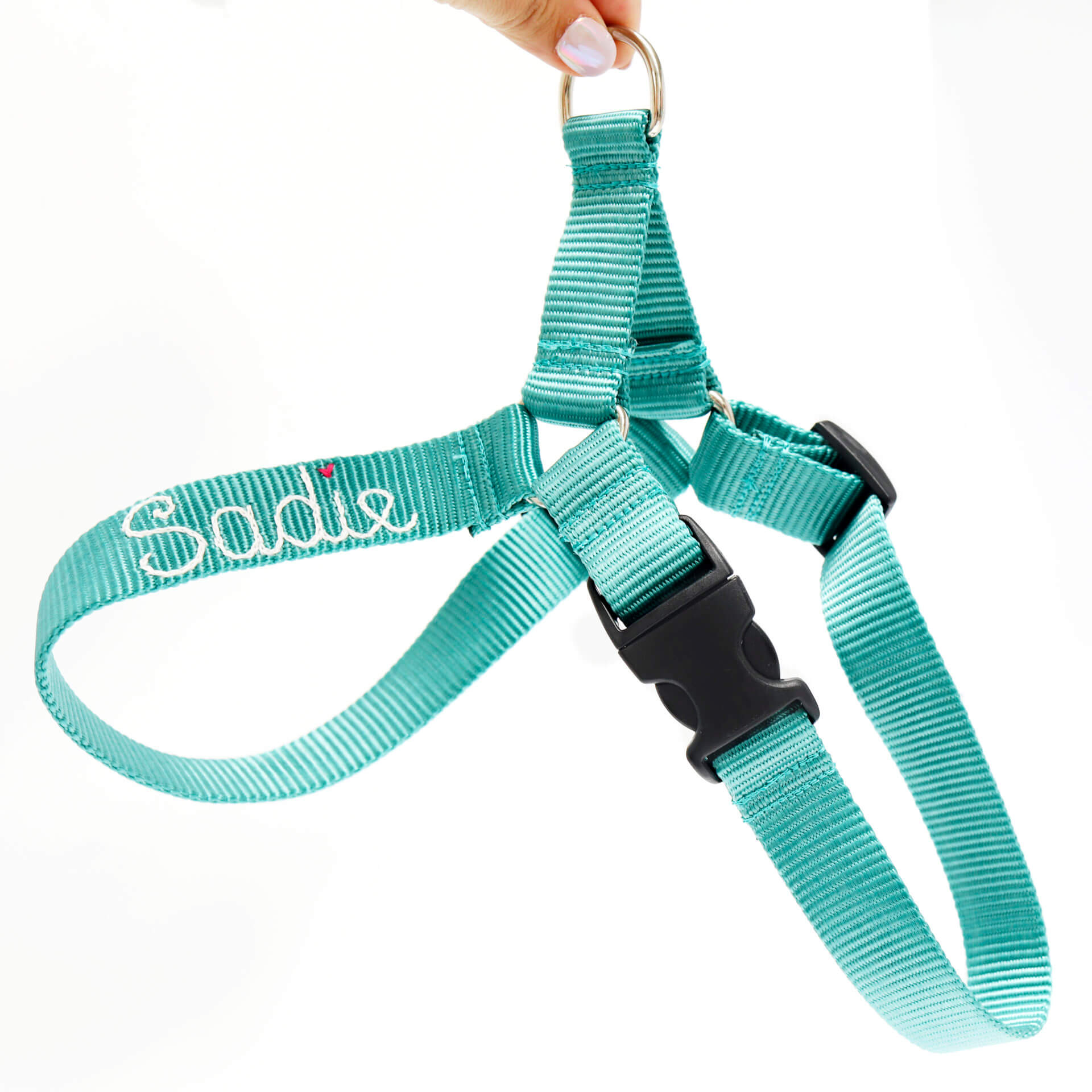
For cats who refuse every type of neck collar, a harness that distributes pressure across the chest and shoulders may be the answer. Harnesses eliminate neck pressure entirely and can be a strong option for cats being leash-trained or those with a history of neck sensitivity.
The collar itself is only part of the equation. How you introduce it matters just as much as what it is made of. Several factors consistently improve collar acceptance:
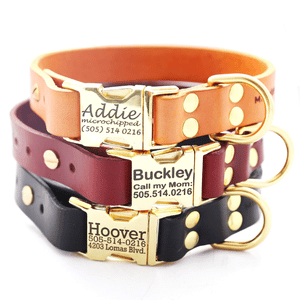
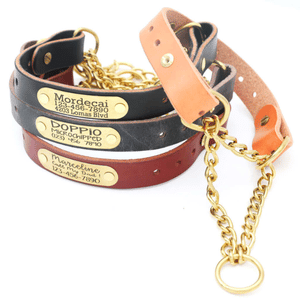
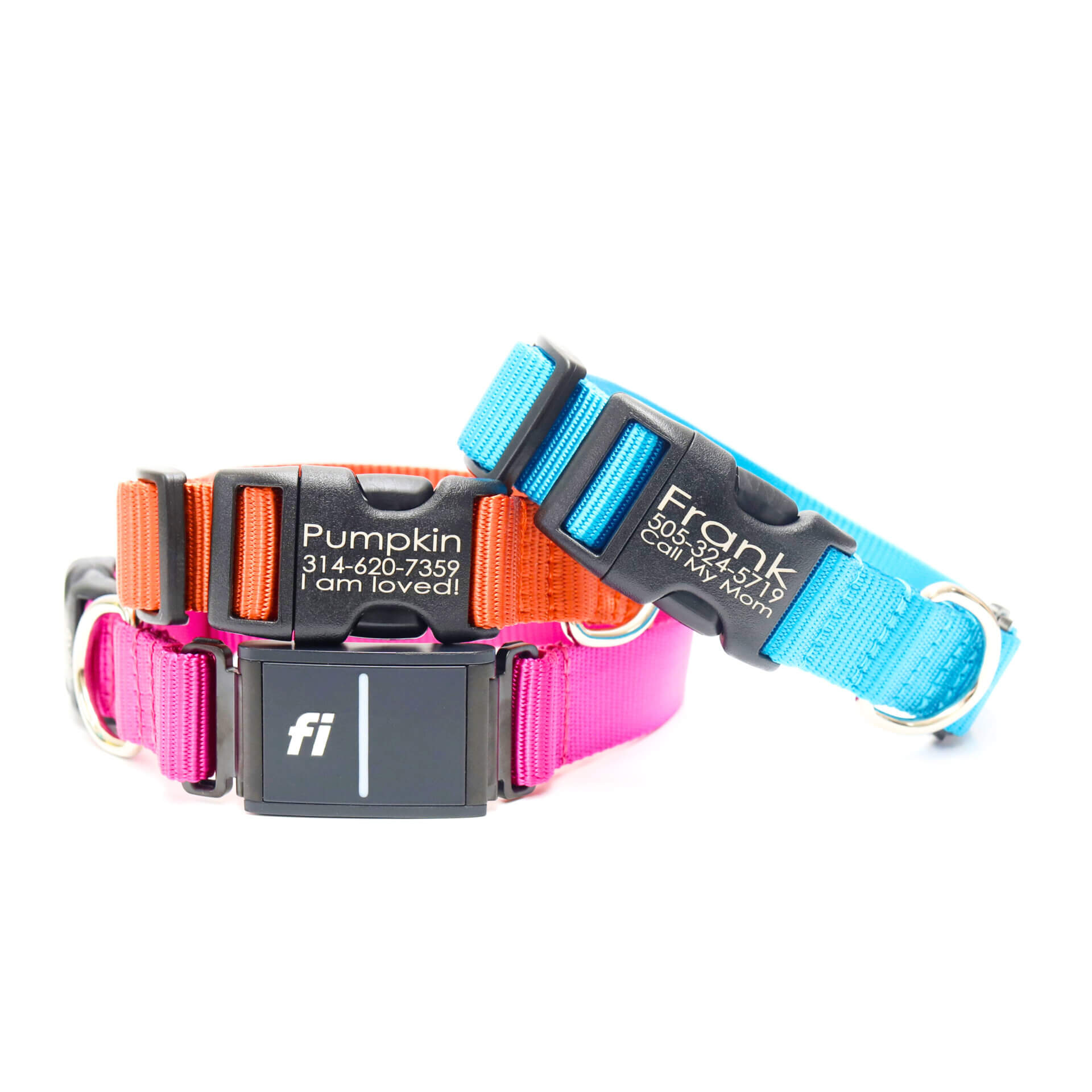
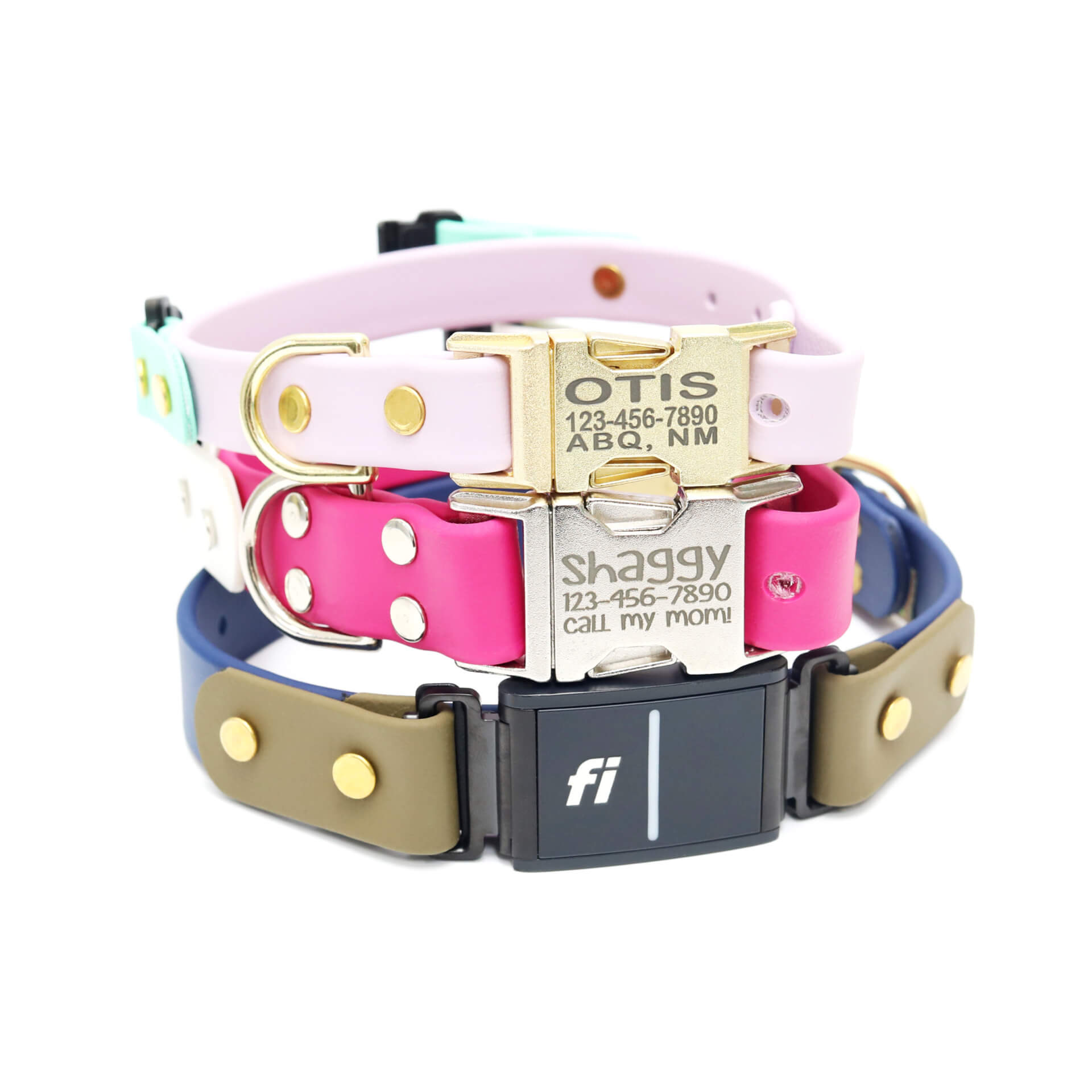
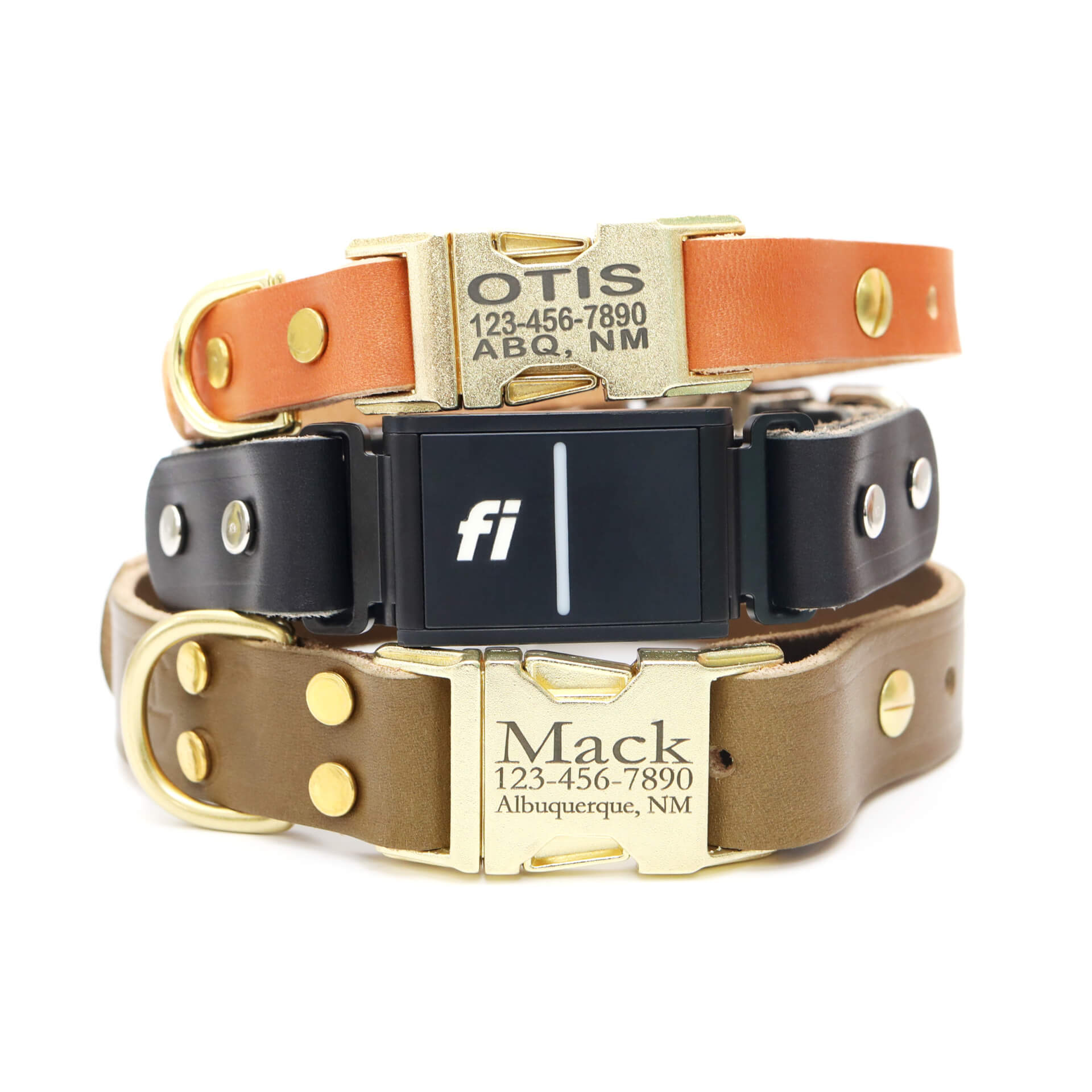
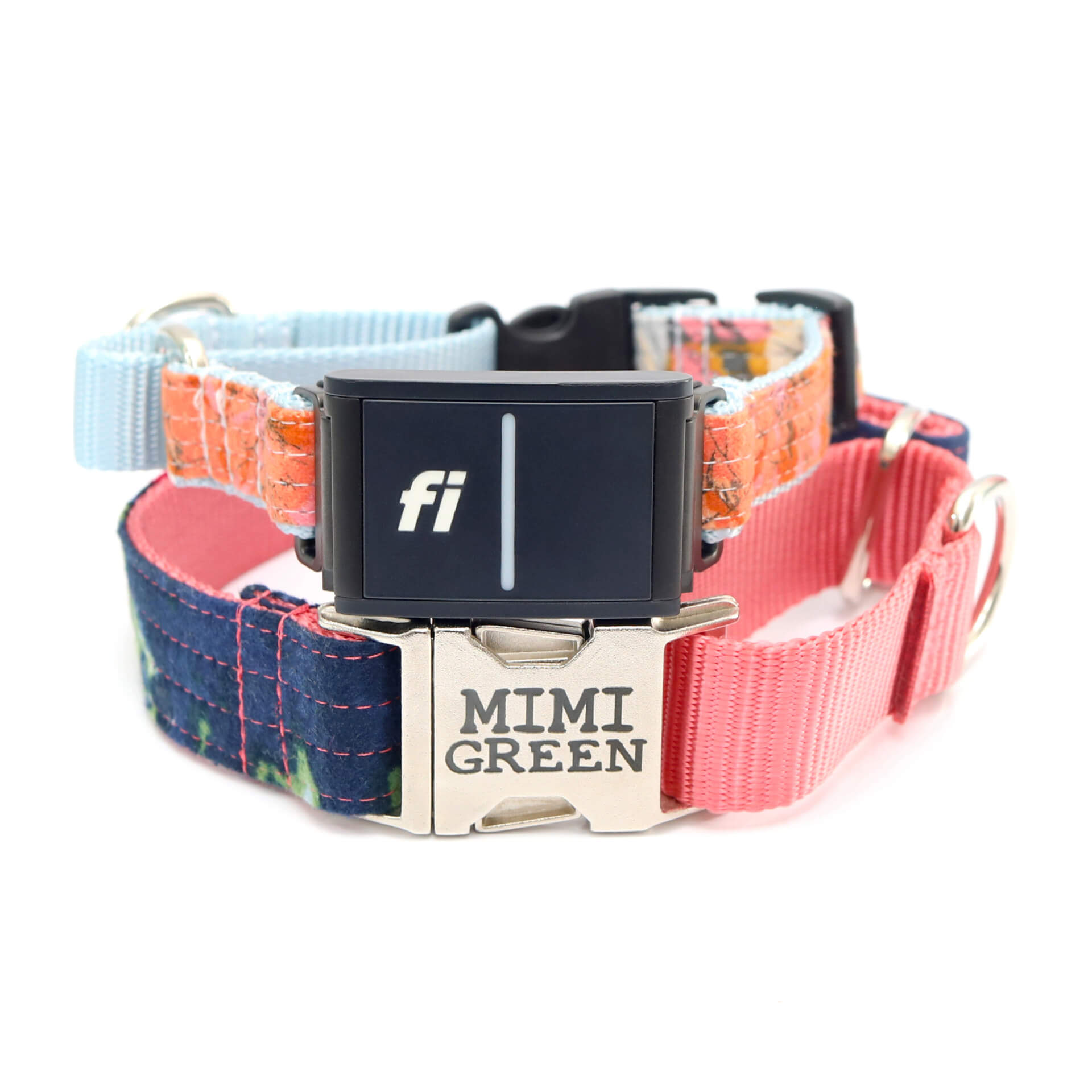
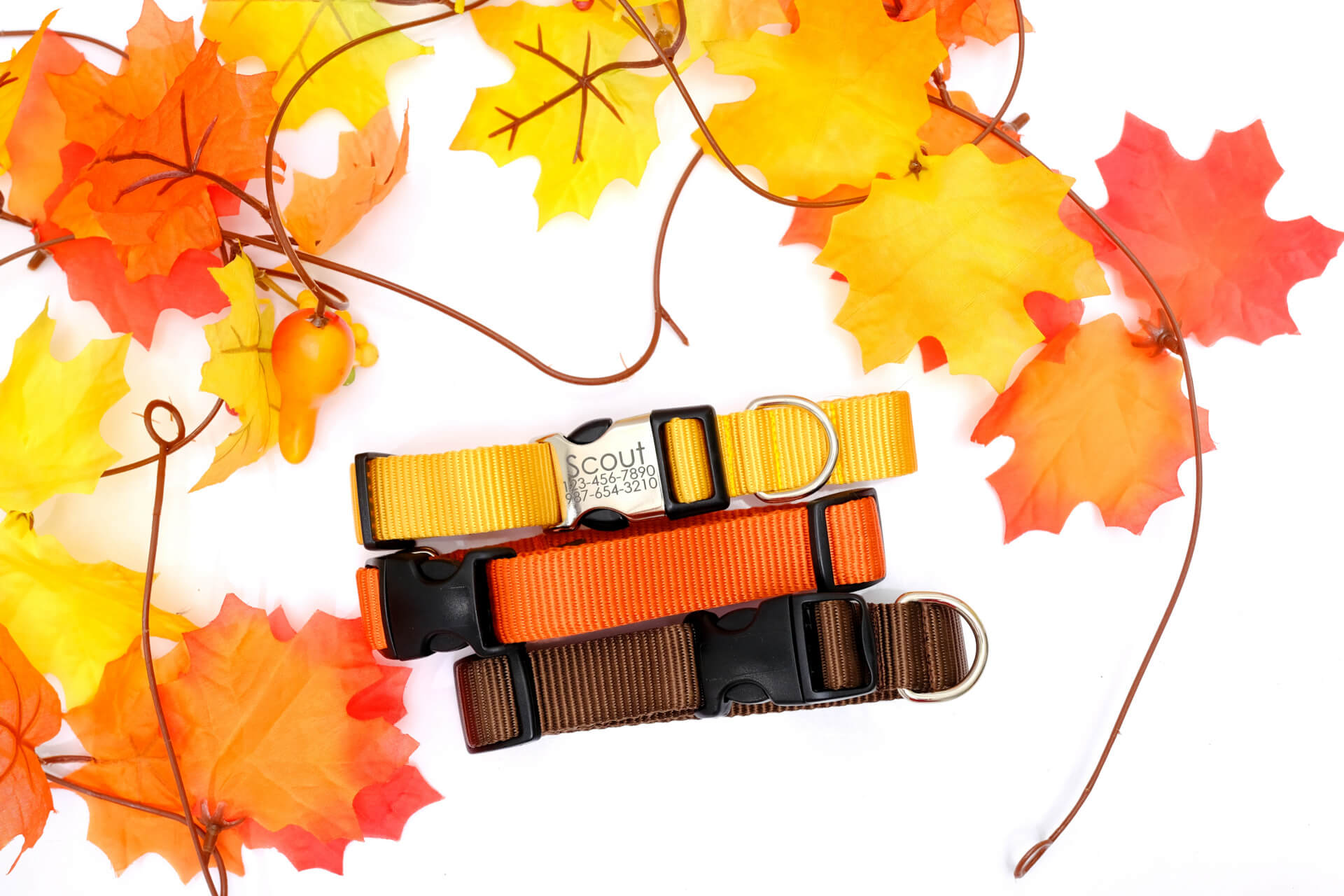
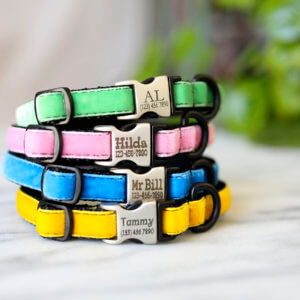
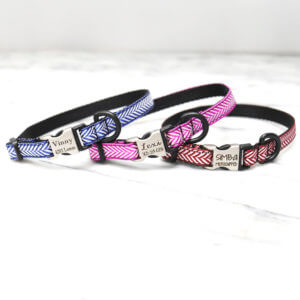
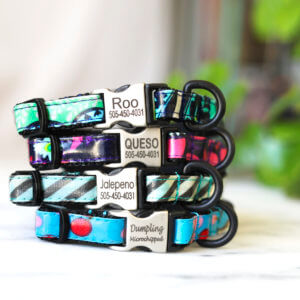
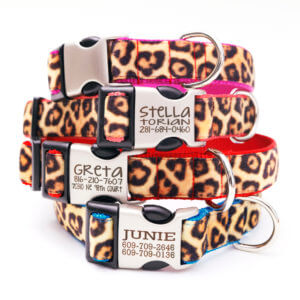
For cats who are especially noise-sensitive, Mimi Green’s engraved buckle options are particularly useful. They put your cat’s name and your phone number directly on the hardware, removing the need for a jangling tag entirely.
The difference between a well-made collar and a bargain option is immediately apparent to your cat. Cheap collars are often made from stiff nylon webbing with rough-cut edges, plastic hardware that warps or cracks over time, and dyes that fade or bleed onto fur. They fit inconsistently, which means they loosen or tighten in ways that cause discomfort before you notice (but your furry friend will).
High-quality cat collars use soft, finished fabrics or premium materials with sealed edges, sturdy hardware that holds its shape through regular use, and construction methods that maintain fit over time. For cats who already resist wearing a collar, a cheap option is almost always counterproductive. The initial discomfort reinforces their resistance and makes future introductions even harder.
The material a collar is made from determines how it feels against your cat’s fur and skin, how well it holds up over time, and whether it is likely to cause irritation. Here is how the materials in the Mimi Green cat collar collection compare:
For cats specifically, a collar that does not release under pressure is a safety hazard. Breakaway buckles are designed to open when a set amount of force is applied, typically around the level of force a cat would exert if caught on an object. Every collar in the Mimi Green cat collection is built with this in mind. Look for the breakaway buckle notation on each product page; if you have a specific safety question about a particular style, our team is happy to help! Just email shop@mimigreen.com.
Beyond a breakaway buckle, look for reinforced stitching at all attachment points, smooth, finished edges with no raw fabric that can fray into sharp fibers, and hardware sized appropriately for your cat’s neck rather than simply scaled down from a dog collar.
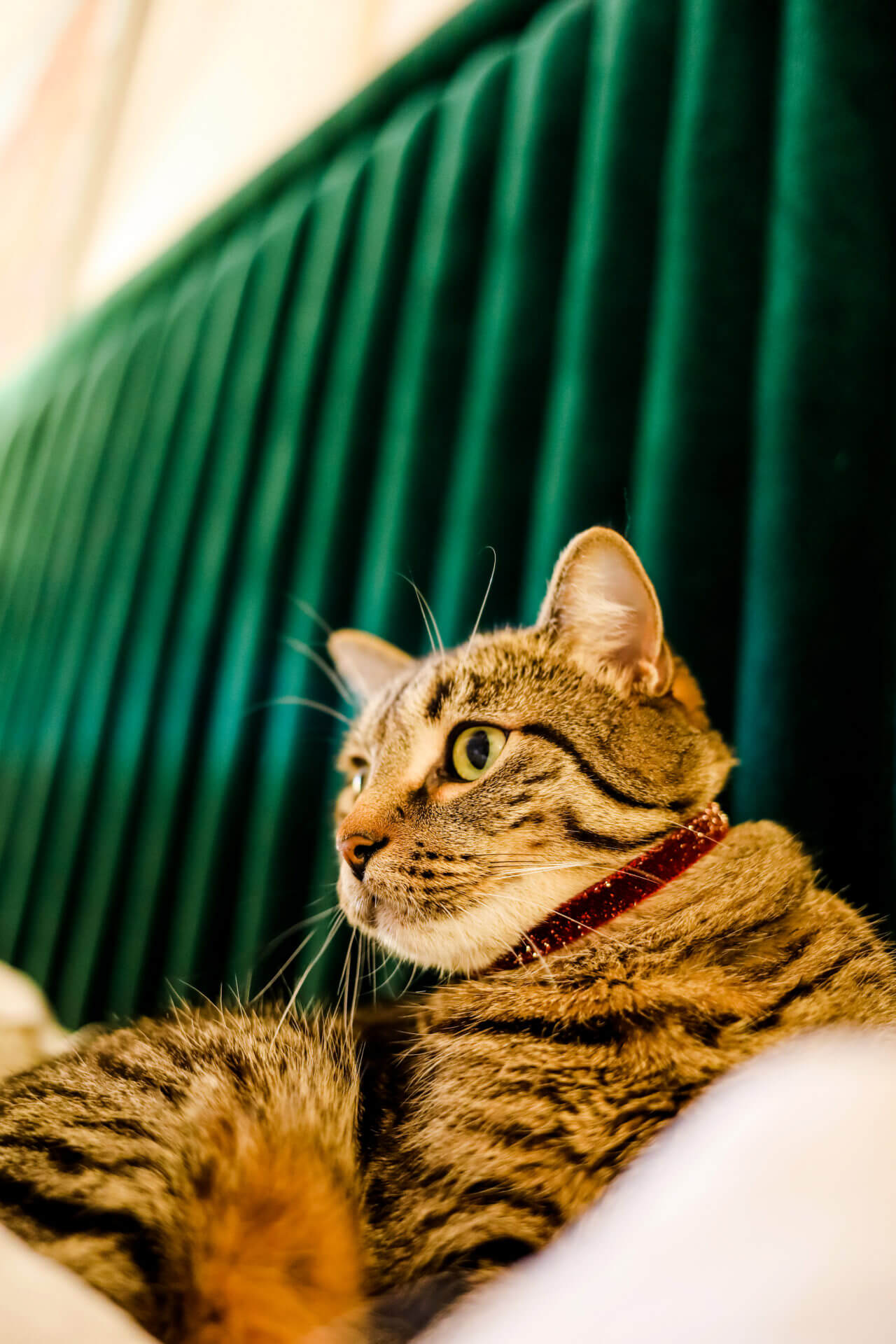
At Mimi Green, we believe that every pet deserves gear that was made with real care. Our collars are handmade to order in New Mexico by a team of skilled sewers, embroiderers, and designers who take pride in every piece they produce. When you order from us, you are not getting something pulled from a warehouse shelf. You are getting something made specifically for your pet.
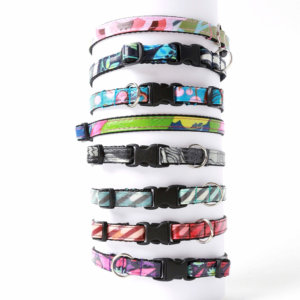
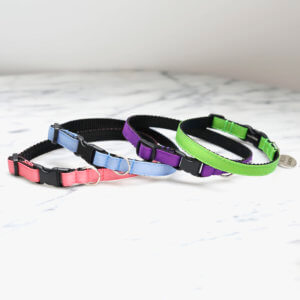
Below is a complete overview of every cat collar currently available at Mimi Green, organized by material and use case to help you find the right fit for your kitty.
Yes, breakaway collars are recommended for most cats because they release under force, preventing strangulation if the collar gets caught on an object. They are especially important for cats who spend time outdoors or in environments with climbing hazards.
A properly fitted, lightweight collar should not meaningfully interfere with grooming. Cats adapt to wearing collars, and most groomers can work around them without difficulty. If you notice excessive scratching at the collar or skin irritation, check the fit. If it is too tight or too loose, get a collar that fits better (Hint: you should be able to fit 2 fingers between your cat’s neck and the collar).
Kittens can wear collars, and early introduction is actually one of the best ways to build long-term collar tolerance. Use the smallest available size, check the fit frequently as they grow, and choose a very lightweight, soft option.
A correctly fitted collar allows two fingers to slide underneath without resistance. It should stay in place during movement without rotating or riding up, and should not be tight enough to noticeably compress the fur or skin.
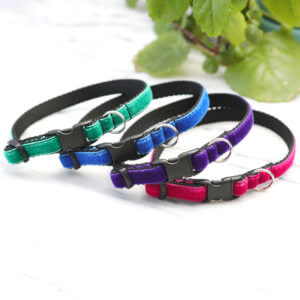
Frequent scratching usually signals that the collar is too tight, too stiff, or made from a material that irritates the skin. Try loosening the fit by one adjustment point, or switch to a softer material like velvet. If scratching persists after a full week of adjusted wear, consider a different collar type.
Most fabric and velvet collars can be hand-washed with mild soap and water, then air-dried. Biothane and laminated cotton collars can be wiped clean with a damp cloth. Avoid submerging hardware unnecessarily. Check the Mimi Green laundering instructions page for guidance specific to your collar type.
Check the fit monthly, or more often for kittens who are still growing. Weight changes, seasonal coat thickness, and general wear on the collar material can all affect how it sits over time.
This is a personal choice and depends on your cat’s situation. Indoor cats are generally safe wearing a collar overnight. If you are concerned, a breakaway collar reduces the risk of overnight entanglement while keeping your cat identified if they ever sneak out of the house for a late-night adventure.
Tag noise and movement are common sources of collar irritation in cats. Mimi Green’s engraved buckle options put your cat’s identification directly on the hardware, eliminating the need for a hanging tag entirely.
Any collar can theoretically catch on an object, which is why breakaway collars are the recommended standard for cats. Many collars in the Mimi Green cat collection use a breakaway buckle that releases before posing a choking hazard.
No. Cats are not sensitive to the visual appearance of their collar. Your choice of color or pattern, whether that is one of 32 velvet colors or a mermaid glitter style, is entirely about your preference and your pet’s personality.
Replace the collar when the stitching shows visible wear, the buckle no longer holds tension consistently, the material has frayed to the point of potential skin contact, or the collar can no longer be adjusted to a secure fit.
Matting under the collar is usually caused by a collar that is too tight or made from a rough material. Ensure the fit is correct and inspect the fur under the collar weekly. Regularly brushing the neck area also helps prevent matting.
Air drying is strongly preferred. Heat from a dryer can warp plastic hardware, shrink fabric, or degrade stitching. Lay the collar flat or hang it to dry in a well-ventilated area.
Handmade collars are made with more attention to detail at each step of construction than mass-produced alternatives. The materials are chosen deliberately, the stitching is checked by a person rather than a machine, and the finished product reflects real craftsmanship. For cats who are sensitive to collar comfort, that quality difference is practical, not just aesthetic.
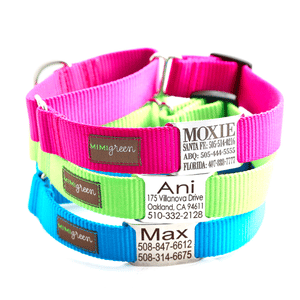
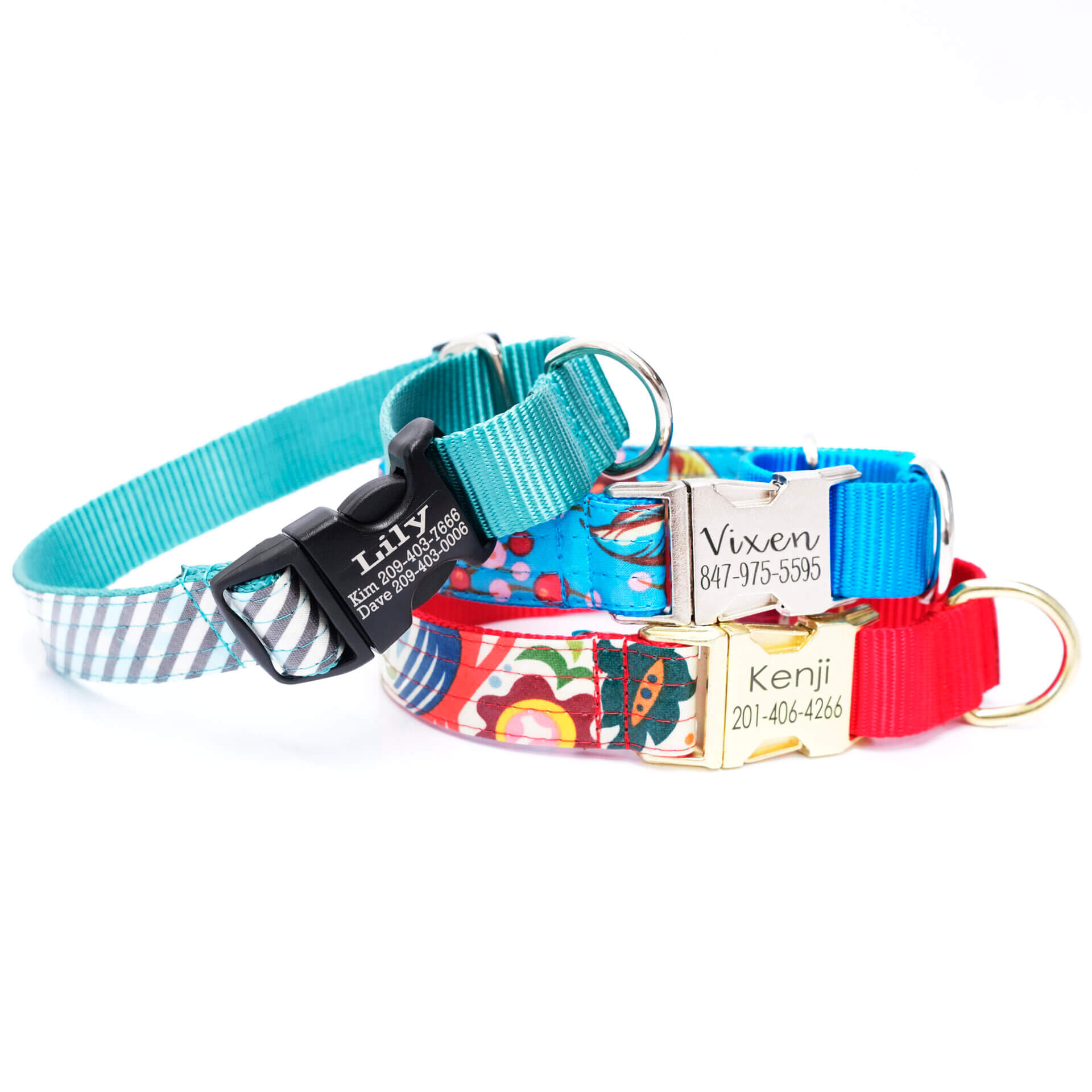
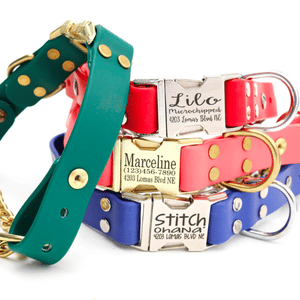







 Engraved
 Name Plate
 Hand Embroidery
 Standard Collars
 Big Dog Collars
 Toy/Puppy Collars
 Cat Collars
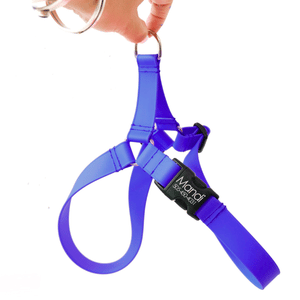
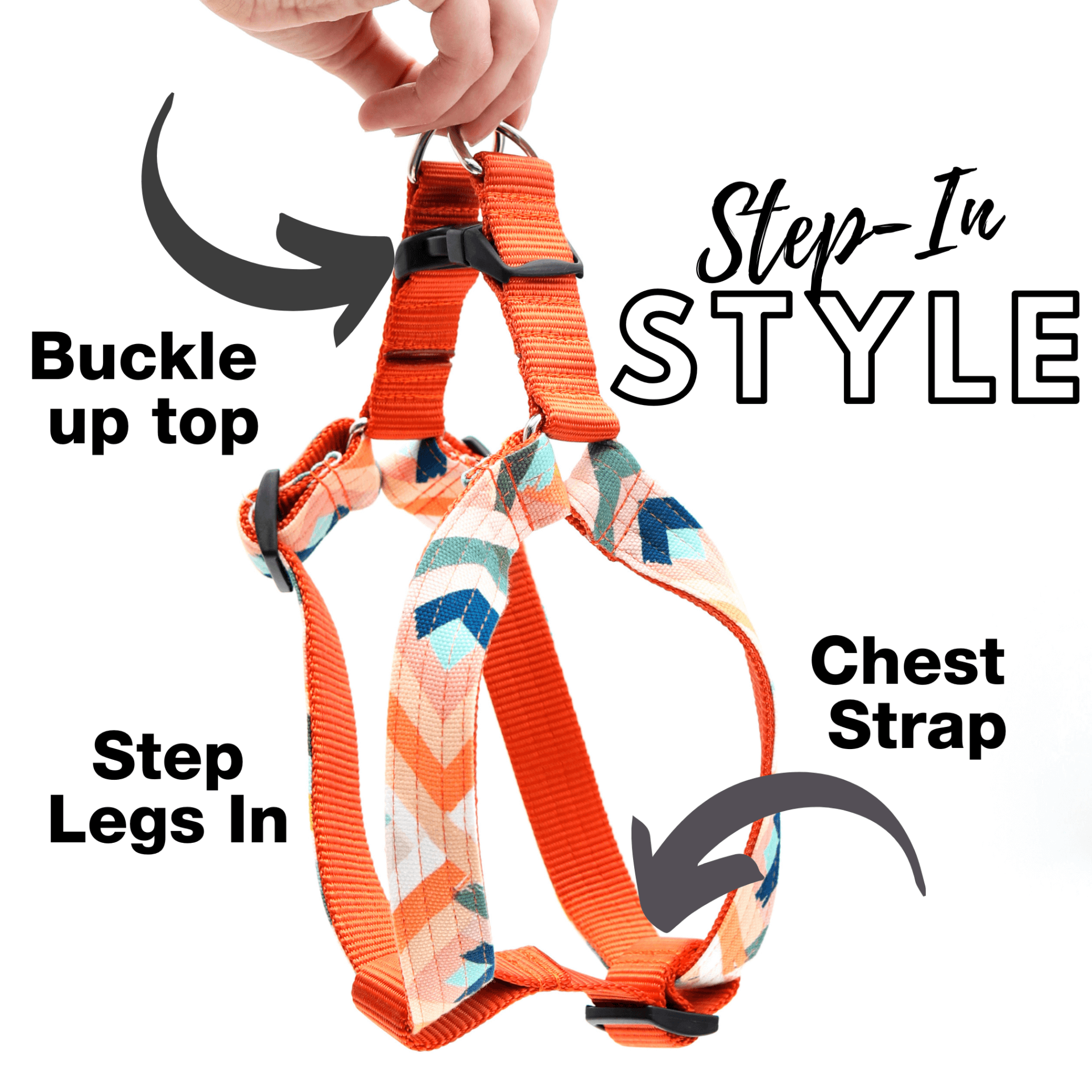
 Step in Dog Harness
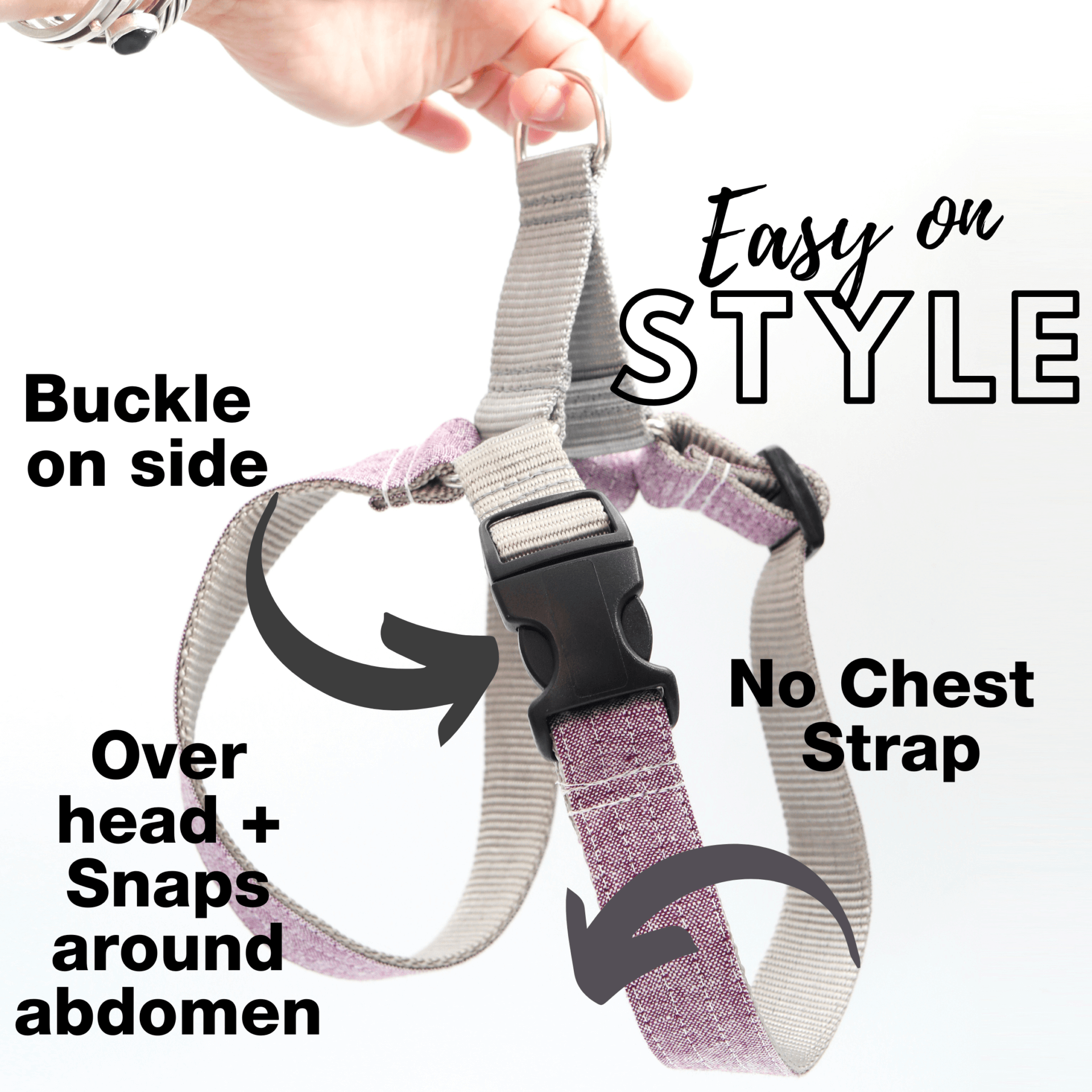
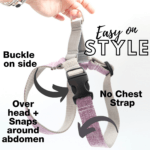 Easy On Dog Harness