 CONTACT US!
 Doggie Deals








Blog
What Do Dog Collar Colors Mean? A Complete Guide to Understanding the Canine Color Code
Aug
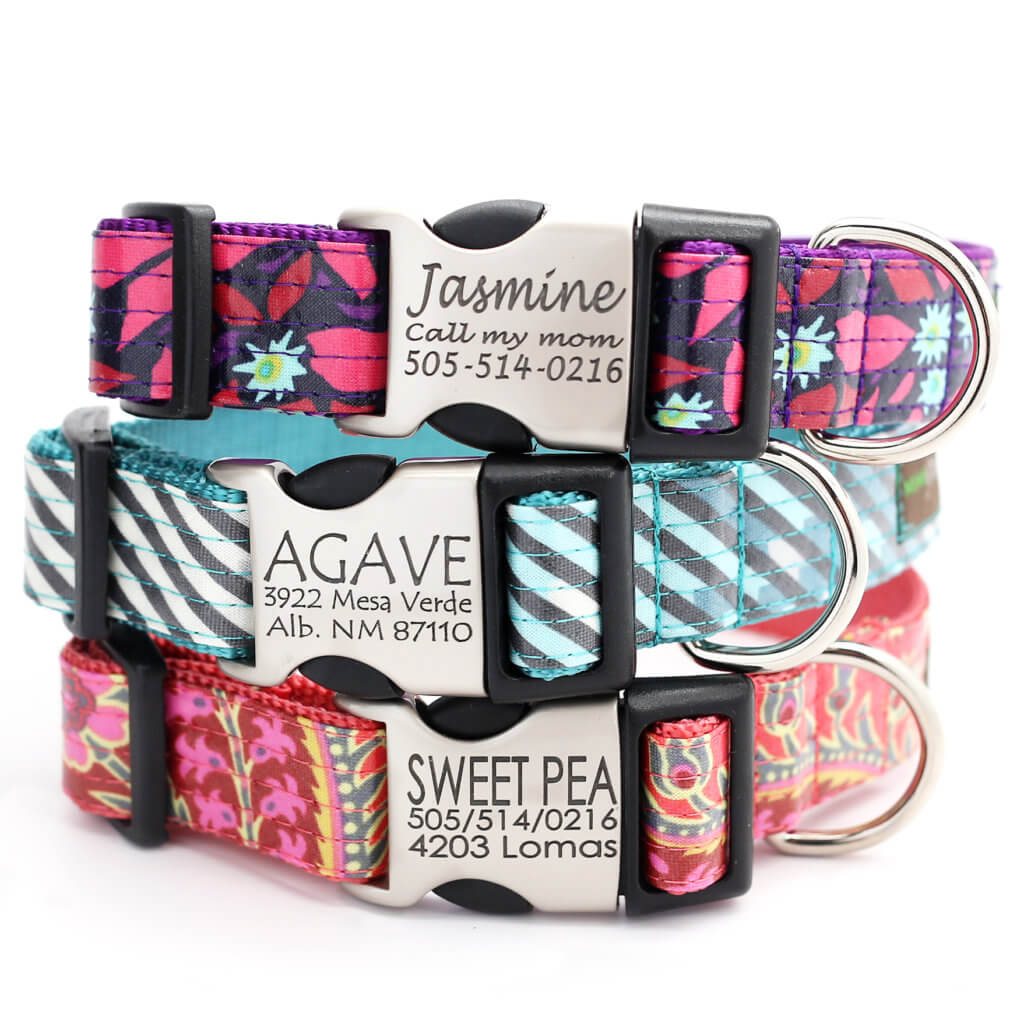
Picture this: You’re at the dog park when you notice a dog walking nearby wearing a bright yellow collar. Your pup eagerly pulls toward this potential new friend, but the other dog’s owner quickly steers away. Was it something you did? Not necessarily. That bright color on the dog’s neck was actually sending an important message that you might have missed.
Understanding what dog collar colors mean can transform how you interact with dogs in public spaces. While many pet parents choose dog collars purely for style, a growing number are using a color coding system to communicate vital information about their pets. Whether you’re a seasoned dog owner or simply someone who encounters dogs during nighttime walks, recognizing these visual cues promotes safer, more respectful interactions for everyone.
The Growing Trend of Color-Coded Dog Collars
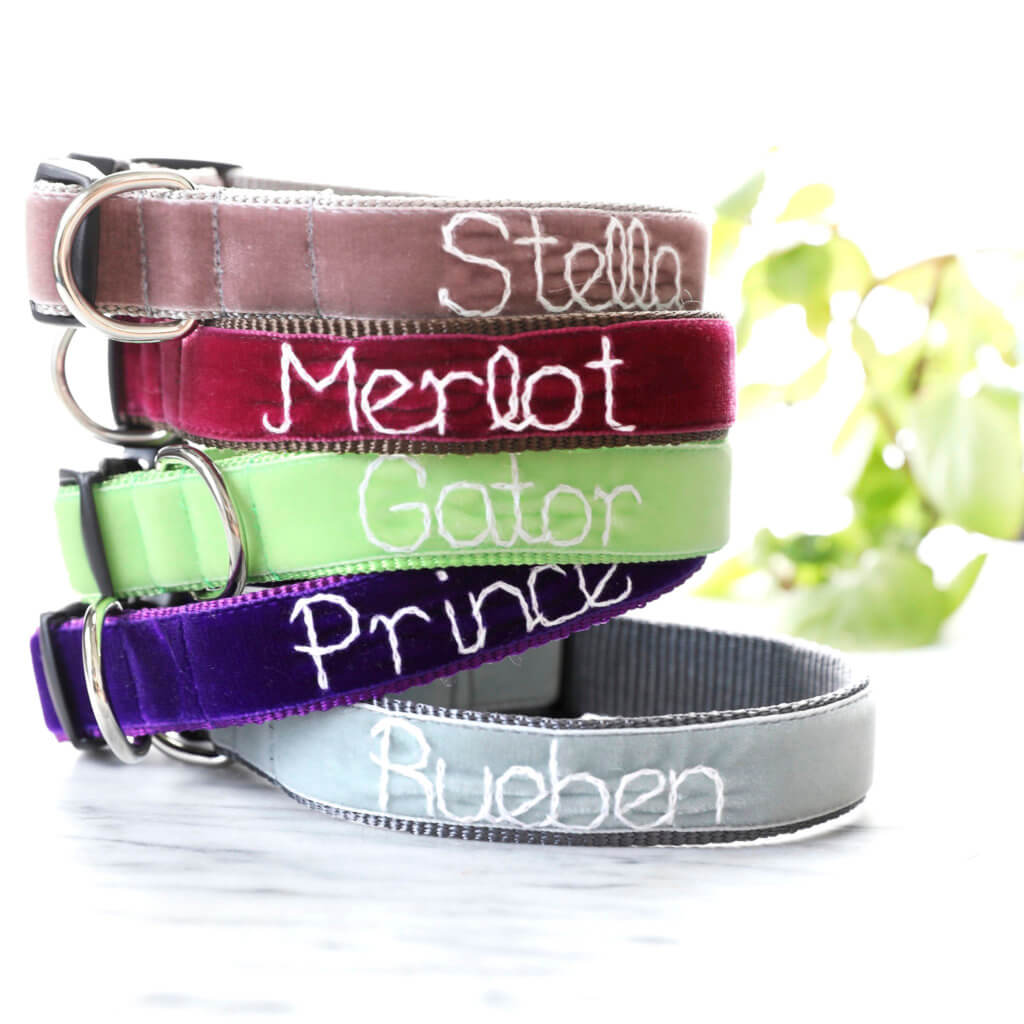
The concept of color-coded dog collars has gained significant momentum over the past decade. What started as a grassroots awareness campaign has evolved into a widely recognized safety method. Dog owners can now signal their pet’s temperament, training status, or special needs from a distance. All it takes is the right colored collar.
Dog trainer Terry Ryan is often credited with popularizing aspects of this system through his project titled Yellow Dog. He recognized that visual communication could prevent misunderstandings before they escalate. The idea is simple: A colored collar provides instant information that helps other dog owners, pedestrians, and even children understand how to appropriately interact with a dog.
This isn’t just about convenience. For many dog owners dealing with a nervous dog, a dog undergoing training, or one with behavioral issues, these colored collars serve as an essential safety tool. They create boundaries and set expectations without requiring constant verbal explanations. The system works because it gives dogs and their owners the extra space they need while educating the public.
What Do Dog Collar Colors Mean? How to “Read” Different Collars
There’s no universal standard enforced across all countries. However, certain dog collar colors have become widely recognized, particularly in North America, Europe, and other countries adopting the system.
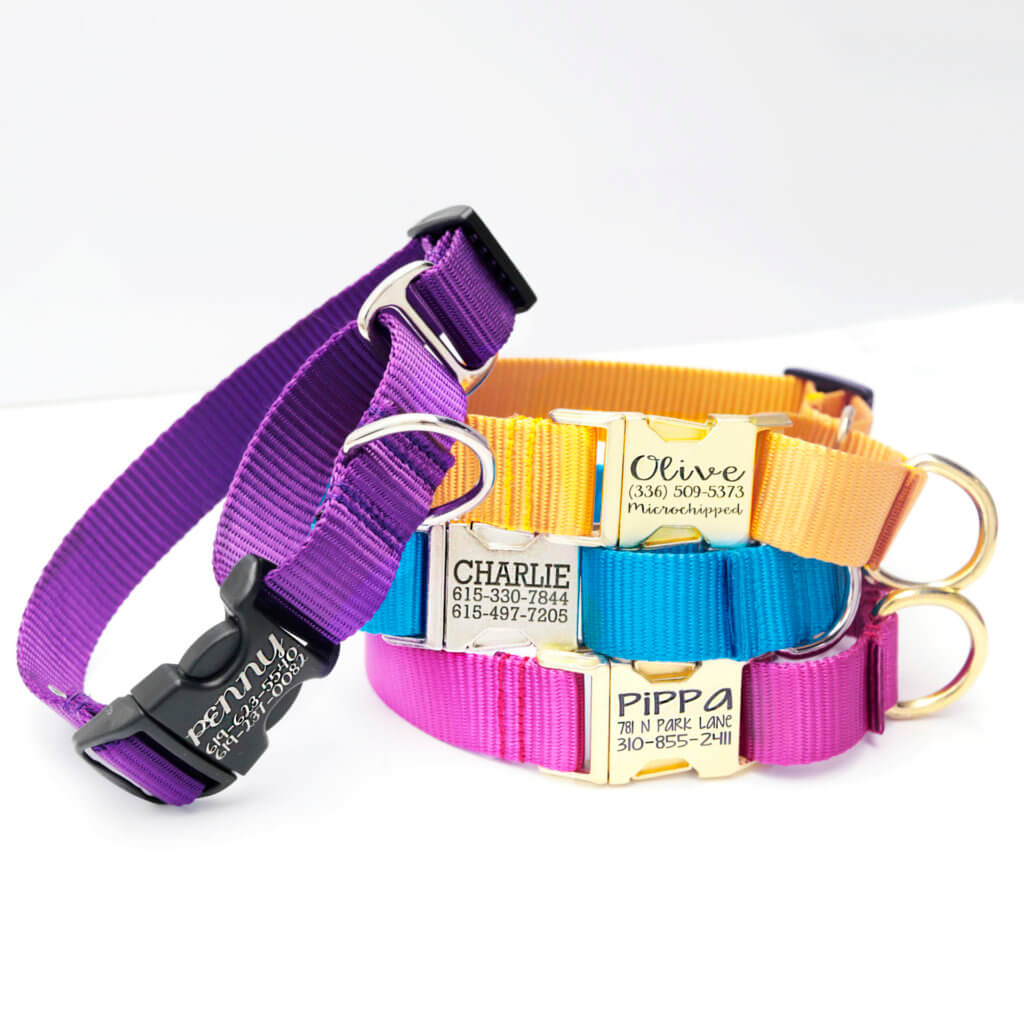
Here’s what different colors typically communicate:
Red
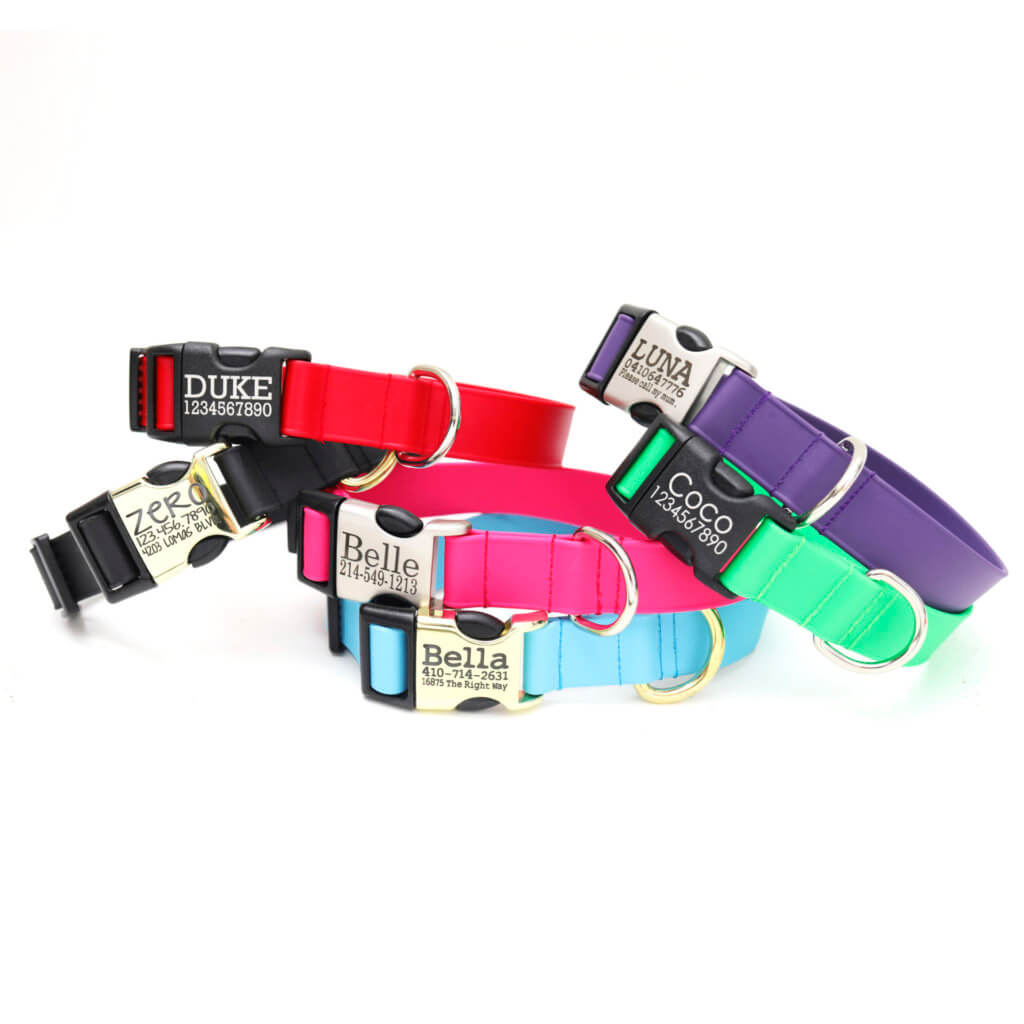
A red dog collar is one of the most important warning signals in the color-coding system. When you see a dog wearing a red collar, approach with extreme caution or, better yet, don’t approach at all without explicit permission from the owner.

Red means the dog may be aggressive toward people or other dogs, is undergoing training to address behavioral challenges, or simply needs more space to feel comfortable.
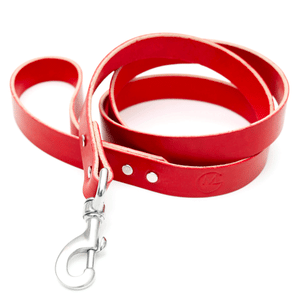
Some dog owners use red ribbons or red leashes in combination with the collar to reinforce this message. This doesn’t necessarily mean the dog is dangerous, but it signals that close interactions should be avoided.
Good practice dictates giving these dogs a wide berth, especially if you have your own pet with you.
Yellow
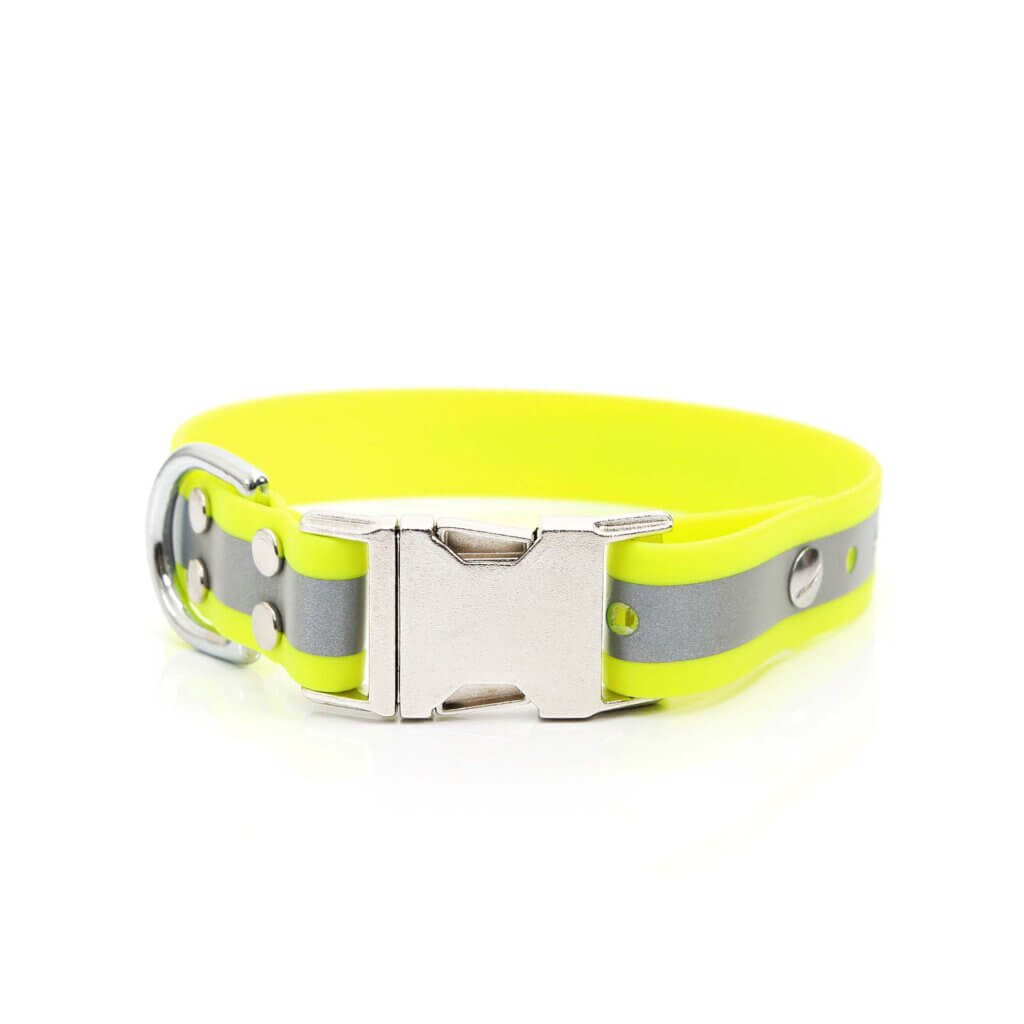
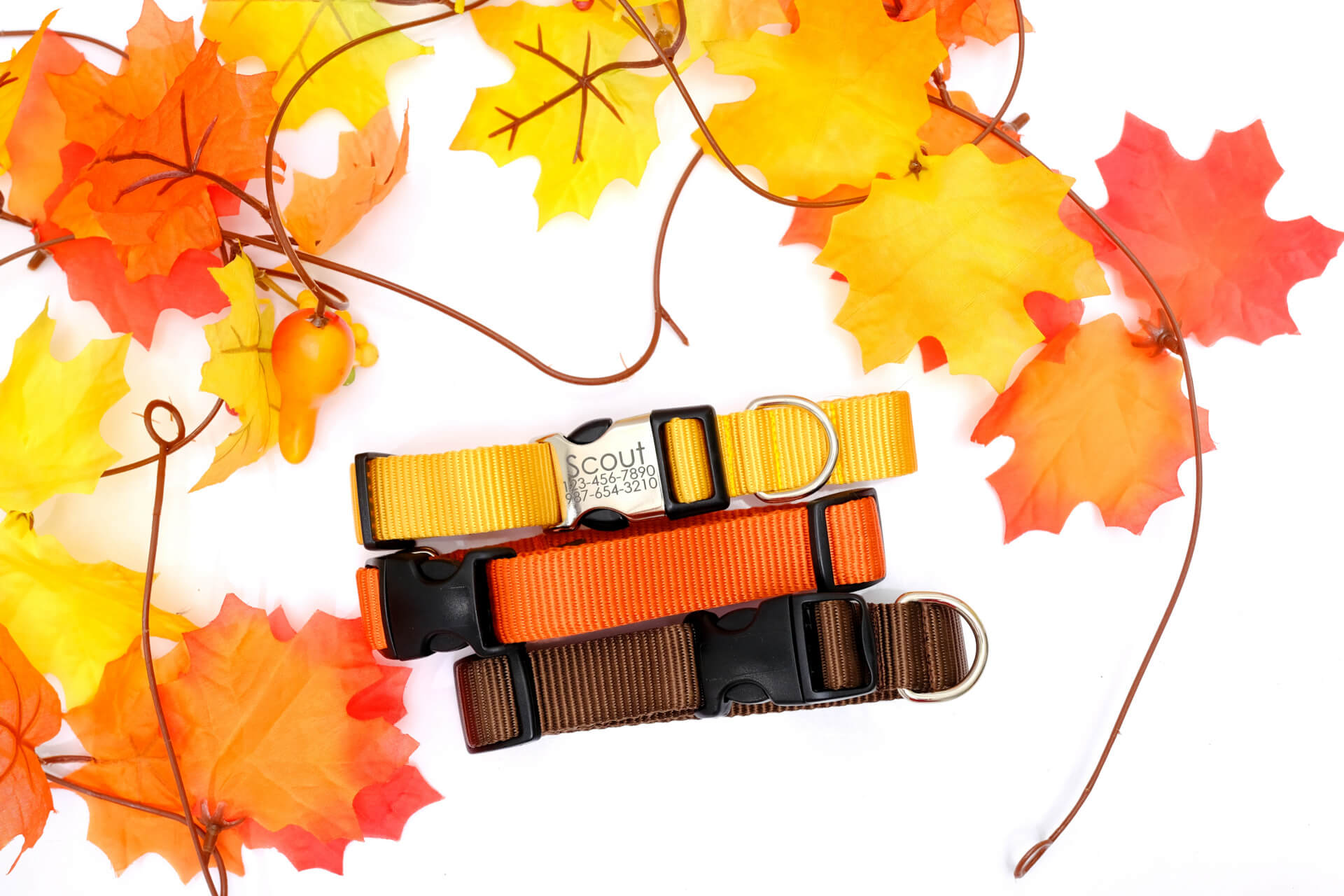
The yellow collar’s meaning is closely tied to the Yellow Ribbon Movement. It also represents similar awareness campaigns that advocate for dog space. A dog wearing a bright yellow collar is communicating that it’s nervous, anxious, or uncomfortable with close encounters.
This colored collar might indicate a dog recovering from surgery, one that’s fearful of other dogs, or simply a pet that needs extra space to feel secure.
The yellow ribbon movement has been particularly effective in spreading awareness, with many dog owners tying yellow ribbons to leashes or harnesses to reinforce the message.
If you see a yellow collar, it’s a clear signal to give the dog space. Don’t allow your dog to rush up for a greeting, and ask children to admire from a distance. These dogs aren’t necessarily aggressive, but they’re asking politely for breathing room.
Blue

A blue dog collar typically indicates that the dog is a service animal or a working dog performing important tasks. Blue is commonly used for service dogs in training, therapy dogs, or dogs with jobs that require focus and concentration.
When you see a blue collar, resist the urge to pet or distract the dog, even if it seems friendly. Working dogs need to concentrate on their responsibilities, whether that’s guiding someone who is deaf or blind, detecting medical emergencies, or providing emotional support.
Only people with the owner’s permission should interact with these dogs, and even then, interactions should be minimal.
In some contexts, blue might also indicate a male dog in breeding programs, though this usage is less common and varies by region.
Green
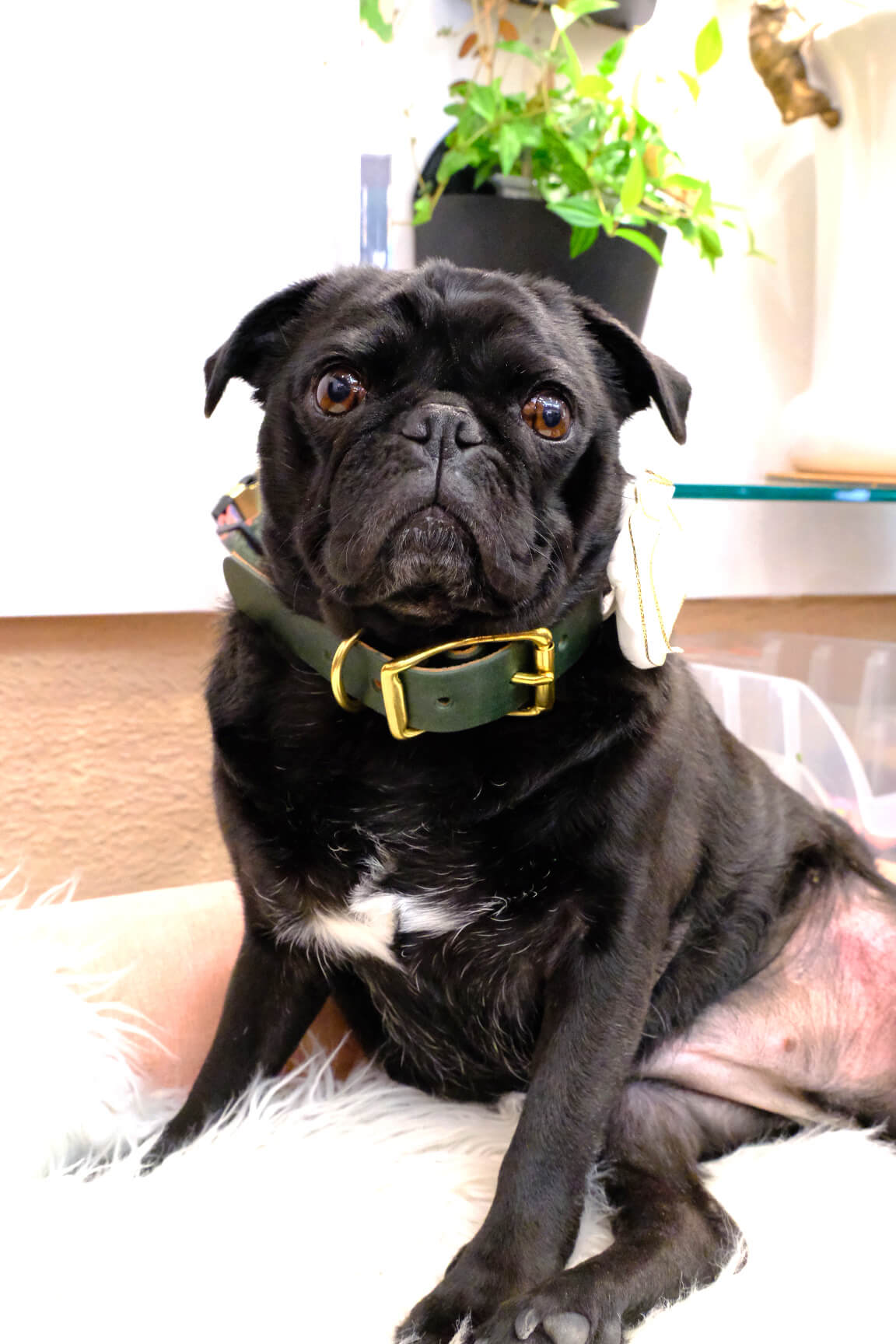
Finally, some good news! A green dog collar signals that you’ve encountered a friendly dog who’s generally comfortable with social interactions. This is one of the most popular dog collar colors for sociable pets who enjoy meeting new friends, both human and canine.
However, “friendly” doesn’t mean “approach without asking.” Even the most dog-friendly pet deserves the courtesy of an introduction facilitated by their owner.
A green collar simply means the dog is likely to be receptive when appropriate introductions are made. These are the dogs who might enjoy a gentle pet or a play session with other dogs at the park, making them ideal candidates for positive socialization experiences.
Orange
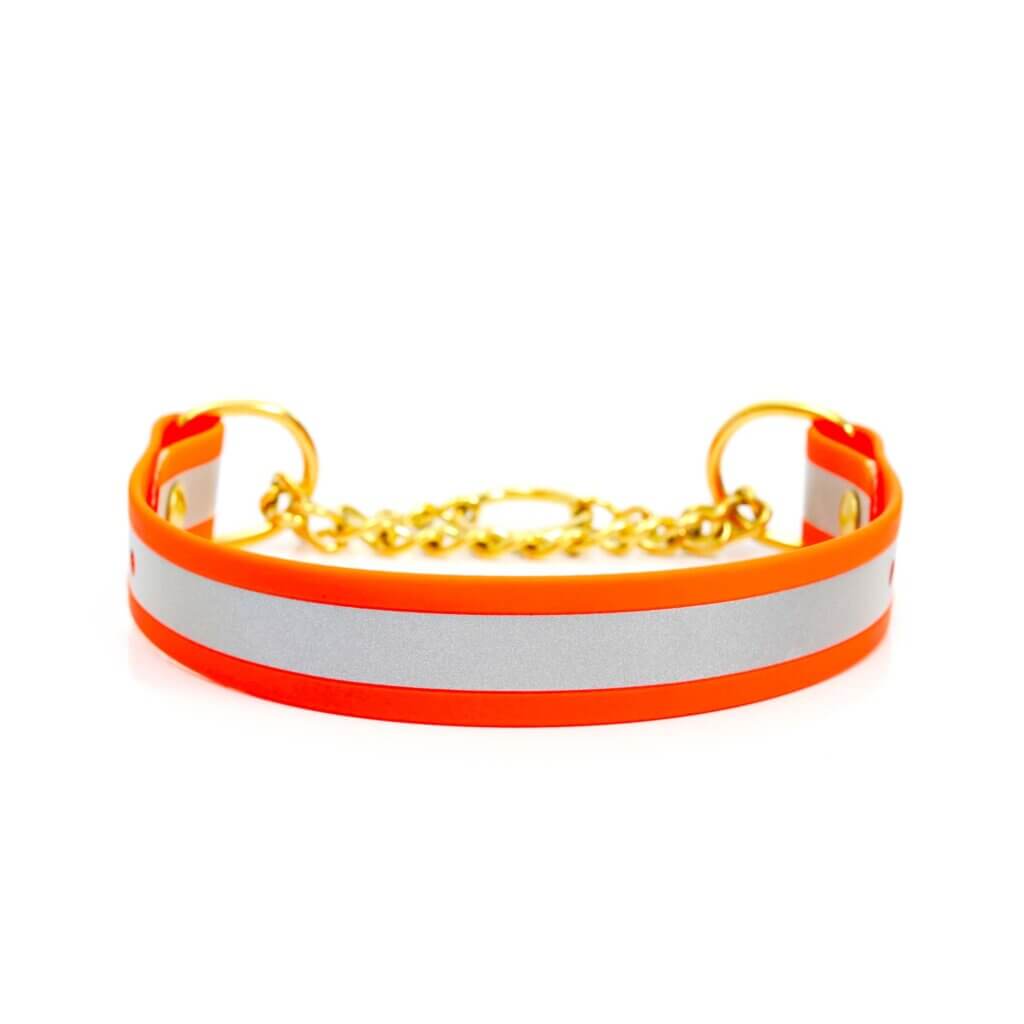
An orange dog collar communicates a specific message: This dog doesn’t get along well with other dogs. While the dog might be perfectly fine with people, it’s reactive and territorial around pets. In many cases, the dog may simply prefer canine solitude.
If you’re walking your own pet and see an orange collar approaching, give the other dog space. Cross the street, create a healthy distance, or wait until they’ve passed.
The dog wearing orange isn’t necessarily aggressive toward humans, but interactions with other dogs could trigger stress, fear, or defensive behaviors.
Purple
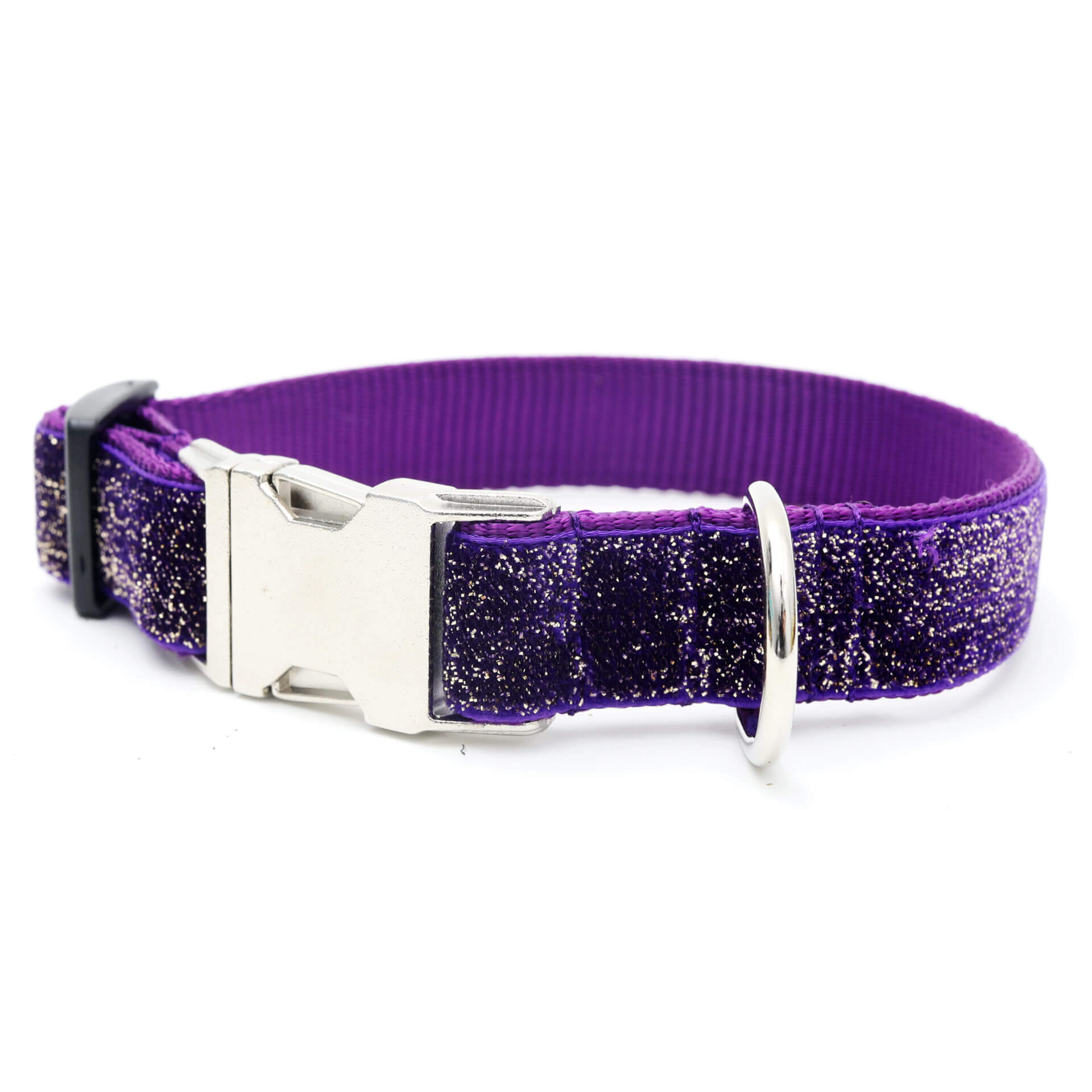
A purple dog collar carries a crucial dietary message: “Do Not Feed.” This colored collar indicates that the dog has strict dietary restrictions, food allergies, or medical conditions that require carefully controlled nutrition.
For many dog owners, well-meaning strangers offering treats can be genuinely dangerous. Some dogs have severe allergies, diabetes, or digestive conditions that make unauthorized snacks a health hazard.
If you see a purple collar, enjoy the dog’s company if invited, but keep all treats and food to yourself. Even simple cords or small items that could be mistaken for chew toys should be kept away from these pets.
White
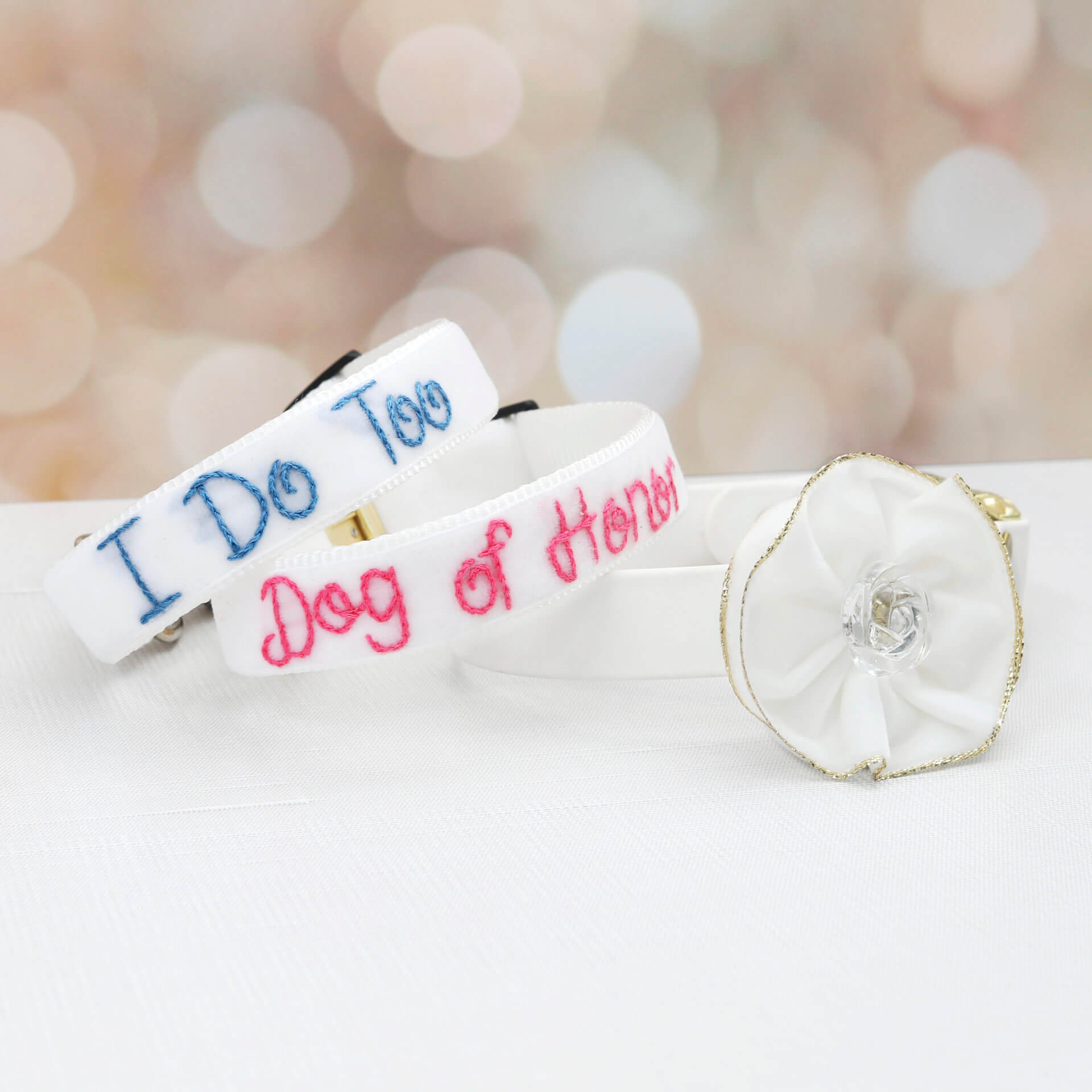
A white dog collar often indicates that the dog is deaf, blind, or both. This information is vital for anyone approaching the dog, as these pets may startle easily or not respond to verbal cues.

If you encounter a dog wearing a white collar, approach slowly and let the dog become aware of your presence through scent if they can’t see or hear you.
Many dog owners of sensory-impaired pets appreciate when strangers understand these limitations and adjust their approach accordingly.
These dogs may also be undergoing training to navigate their world differently, so patience and awareness are especially important.
Black and Other Neutral Colors
A black dog collar, or a collar in neutral tones like brown and tan, typically doesn’t carry specific meaning within the color-coding system.
These are among the most popular dog collar colors simply because they’re classic, versatile, and match most dogs’ coats.
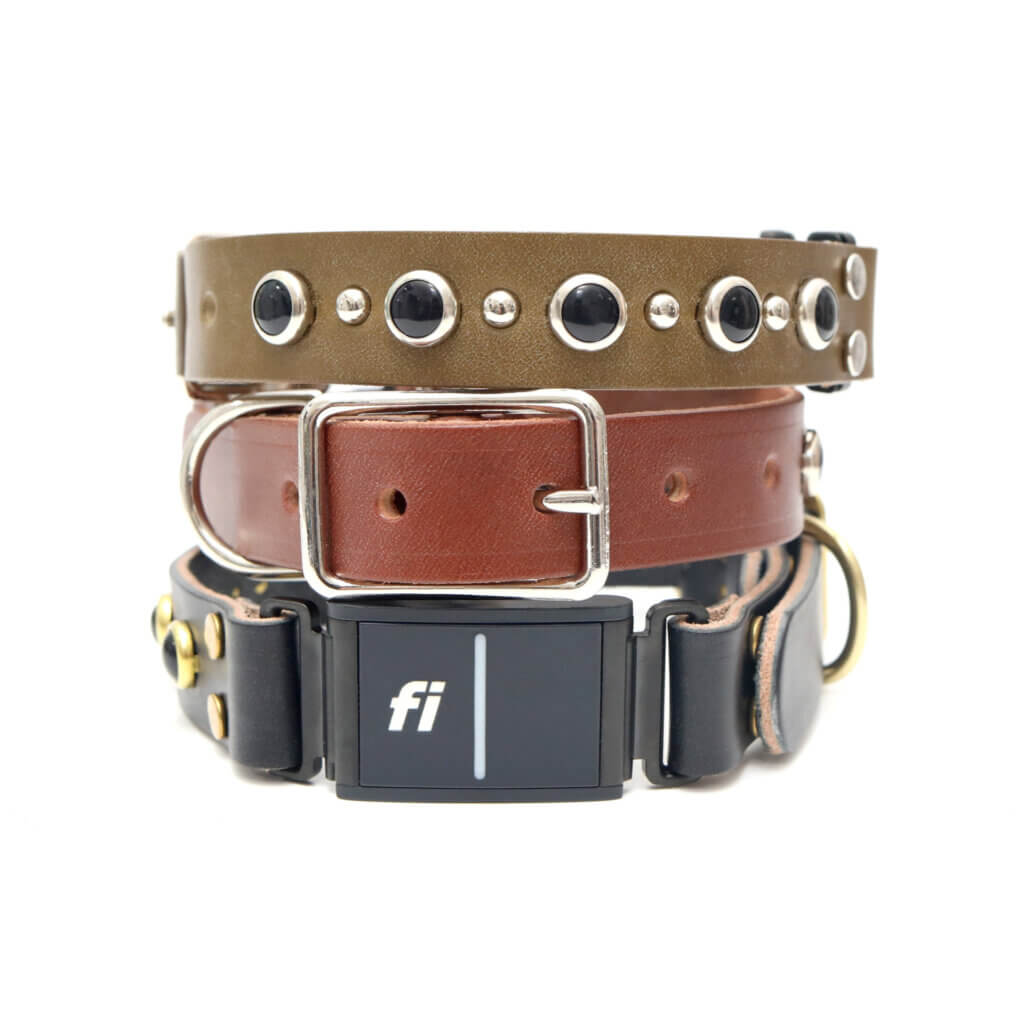
However, some other colors have emerged with specialized meanings:
- White (alternative meaning): White sometimes indicates adoption or a newly adopted pet still adjusting
- Bright colors (general): May indicate high visibility for safety during nighttime walks rather than behavioral messaging
- Multiple colors or patterns: Often personal style choices, though some owners combine colors to convey multiple messages
Beyond Basic Colors: Regional Variations and Alternative Systems
The color-coding system isn’t universally standardized. Interpretations can vary between communities, regions, and other countries. What a green collar means in one area might differ slightly in another.
Some professional dog trainers advocate for specific color combinations, while others use colored bandanas, leashes, or harnesses that match the collar.
In the United Kingdom, the yellow ribbon movement has particularly strong recognition, while in other parts of Europe and Australia, awareness varies. The key takeaway is that while the system provides helpful guidelines, it’s not a replacement for common courtesy and direct communication with the dog’s owner.
Some alternatives to colored collars include:
- Yellow ribbons tied to leashes or harnesses
- Colored bandanas that serve the same purpose
- Patches or vests for working dogs or those with special needs
- Simple cords in designated colors attached to regular collars
Choosing the Right Dog Collar Color for Your Pet
Considering using the color-coding system for your own dog? Think carefully about your dog’s personality, needs, and typical behavior in public. The right dog collar color should accurately reflect how you want others to interact with your pet.
For a nervous dog who becomes anxious around strangers, a yellow collar makes sense. If you have a dog-friendly companion who thrives on social interaction, green might be the perfect fit. Dogs undergoing training for specific behaviors might benefit from red, while a dog with a sensitive stomach needs to wear purple.
Consider your dog’s level of comfort in various situations:
- How does your dog react to other dogs approaching?
- Does your dog have any medical conditions that require dietary restrictions?
- Is your dog a working dog that needs to maintain focus?
- Does your dog have sensory impairments that affect how it perceives the world?
Remember that most dogs exist on a spectrum. Your dog may be friendly in some contexts but need space in others. It’s perfectly acceptable to have multiple collars for different situations, or to add colored bandanas or ribbons as circumstances change.
Practical Tips for Dog Owners and Dog Lovers
Whether you own a dog or simply love encountering them during your day, here are some good practice guidelines:
For Dog Owners:
- Choose collar colors that accurately represent your dog’s needs
- Be consistent with your color choices to avoid confusion
- Don’t rely solely on the color system; verbal communication is still important
- Replace worn or faded colored collars so the signal remains clear
- Combine collar colors with leashes, harnesses, or bandanas for message reinforcement
- Ensure the collar fits properly (a perfect fit allows two fingers between the collar and your dog’s neck)
For Everyone Else:
- Always ask before approaching any dog, regardless of collar color
- Give extra space to dogs wearing red, yellow, orange, purple, or white collars
- Teach children about the meaning of different collar colors
- Don’t assume all colored collars follow the system (when in doubt, ask the owner)
- Spread awareness about the color-coding system in your community
- Remember that breeds don’t determine behavior; individual dogs do
Expanding the Conversation: Safety and Adoption
The color coding system also intersects with important conversations about safety, adoption, and responsible pet ownership. Newly adopted dogs, for instance, might benefit from yellow collars as they adjust to new environments and learn to trust again.
During adoption events, some shelters use color-coded leashes or collars to quickly communicate each dog’s temperament to potential adopters. This helps match the right families with the right pets while keeping everyone safe during meet-and-greet sessions.
For safety purposes beyond behavioral communication, reflective collars in bright colors serve a different but equally important function during nighttime walks. While these might not follow the color-coding system for temperament, they ensure visibility and help prevent accidents.
Building a More Understanding Community With Collar Colors
Understanding what dog collar colors mean is about more than memorizing a chart. It’s about building a community where:
- Dogs and their owners feel respected
- Safety is prioritized
- Communication happens before problems arise
Not every collar follows this system, and that’s okay. The idea isn’t to create rigid rules but to provide helpful tools for those who choose to use them. Whether you’re selecting the right dog collar color for your own pet or learning to read these signals in others, you’re participating in a culture of awareness and respect.
So spread the word. Share this information with fellow dog owners, parents, and anyone who regularly encounters dogs. The more people who understand the color-coding system, the safer and more comfortable our shared spaces become for everyone, two-legged and four-legged alike.
After all, a simple colored collar on a dog’s neck might just prevent a bite, reduce anxiety, protect a working dog’s focus, or help a nervous dog feel safe enough to eventually become one of those friendly dogs wearing green. And that’s a color-coded world worth creating.
Ready to find the perfect collar for your pup? If you need a specific color to communicate your dog’s needs (or you’re simply looking for stylish, high-quality gear), explore Mimi Green‘s collection of handmade collars, leashes, harnesses, and accessories. Every piece is crafted with care in the USA and can be personalized to reflect your dog’s unique personality.
Shop now and discover why thoughtful dog owners trust Mimi Green for products that combine safety, style, and superior craftsmanship.



 Engraved
 Name Plate
 Hand Embroidery
 Standard Collars
 Big Dog Collars
 Toy/Puppy Collars
 Cat Collars
 Step in Dog Harness
 Easy On Dog Harness