Tag Archives: shopbytopic

Best Hunting Dog Tracking Collars (Full Guide)

Garmin Alpha 200i, Dogtra Pathfinder 2, and SportDog TEK 2.0 are top picks for hunting dog tracking. Satellite models offer precise tracking even without cell service. Learn which collar fits your dog’s breed, terrain, and training needs, plus real user worries and hidden costs.

Choosing the right tracking collar depends on where you hunt, how far your dog ranges, your comfort with tech, and your training goals.  Some hunters prioritize instant geofencing alerts; others need rugged durability for multi-day hunts. Cold weather battery life, device weight, and subscription fees all play a role.

If you are here for a detailed breakdown of the best hunting dog tracking collars on the market, and the tradeoffs behind each option, keep reading.

Why Tracking Collars Matter for Hunting Dogs

When your dog barrels through dense woods chasing upland birds or follows a scent trail over ridges and valleys, you need more than hope to keep tabs on them. A hunting dog going off-course isn’t just inconvenient, it can quickly escalate into lost dogs, long searches, or dangerous situations if they get too far out. 

That’s where tracking collars step in.

Tracking vs Training Collars: What Sets Them Apart?

Tracking collars focus on real-time GPS positioning. They give you your dog’s exact location, movement path, and direction, even when they’re out of sight. Training collars, on the other hand, provide correction features like tone, vibration, or stimulation to reinforce commands while in the field. 

Many modern hunting dog collars, like the Garmin Alpha 200i or SportDog TEK 2.0, combine both functions, allowing hunters to monitor location and issue corrections instantly.

Do GPS Dog Tracking Collars Actually Work?

Yes, when you choose the right system. Satellite-based GPS collars with multi-constellation coverage (GPS, GLONASS, Galileo) deliver consistent tracking even when cellular service disappears. 

Hunters working remote, heavily forested, or mountainous areas rely on these collars to locate their dogs when visibility drops to zero. The best models update location every 2–2.5 seconds, allowing handlers to adjust quickly during fast-paced hunts.

Quick Comparison: Top Dog Tracking Collars in 2025

  • Garmin Alpha 200i + TT25: Combines GPS + GLONASS tracking with preloaded offline topo maps. Nine-mile range, advanced training features, and full InReach satellite communication make it ideal for serious upland or hound hunters.
  • Dogtra Pathfinder 2: Budget-friendly option that connects to your smartphone app as the receiver. Offers full GPS + GLONASS coverage, offline maps, up to 9 miles range, and no subscription fees. Perfect for hunters who prefer a mobile device interface.
  • Garmin Astro 430: Highly accurate with 2-second refresh rates and support for up to 20 dogs. This model uses handheld radio frequency instead of cellular, making it reliable even deep in the backcountry.
  • SportDog TEK 2.0: A value-packed system with a 10-mile range, combined training and tracking, and rugged waterproof design. A strong option for hunters wanting versatility without Garmin’s higher price tag.
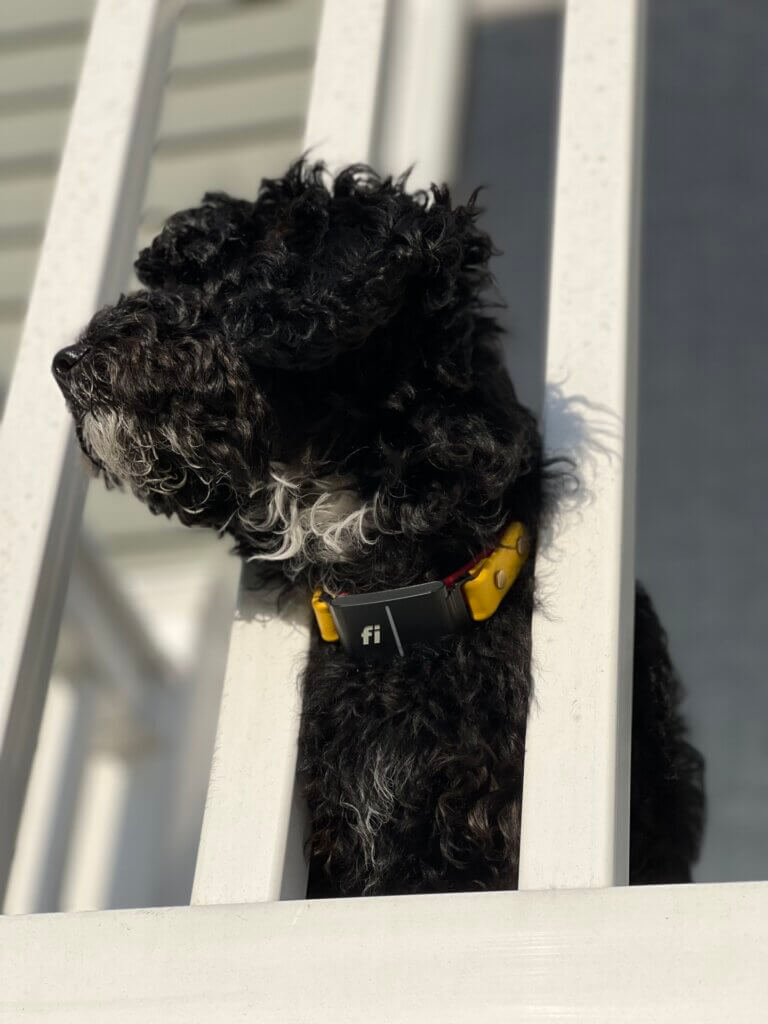
  • Tractive & Fi Series 3/3+: These are better suited for pet containment than hunting. While they offer GPS tracking, they rely heavily on LTE coverage and lack the refresh speed and offline capability needed for remote hunts.

Key Features to Evaluate Before You Buy

1. Tracking Accuracy & Range

  • Satellite Superiority: Collars combining GPS, GLONASS, and Galileo provide far greater consistency across varied terrain than devices relying on cellular signals alone. Dense brush, ravines, or hills can interfere with single-source tracking.

  • Real-World vs Marketing Claims: While brands advertise ranges of 9 to 10 miles, real-world performance often varies. Environmental factors like trees, moisture, and elevation can cut these numbers down significantly.
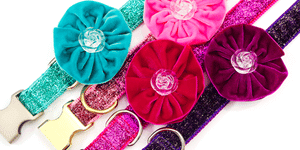
  • When Cell Service Fails: Satellite-based models like Garmin and Dogtra operate independently from cell towers, which is critical in rural hunting areas where mobile networks don’t reach. Cellular-based collars can leave gaps when your dog ventures beyond coverage zones.

2. Battery Life Realities

  • Backup When It Counts: Rescue modes extend battery life during emergencies by reducing tracking intervals. Some models offer replaceable battery packs, allowing you to keep your dog’s collar running for multi-day hunts without charging downtime.
  • The Worry Factor: Many hunters voice concern over losing signal mid-hunt, particularly during cold weather trips where battery life shortens rapidly. Models like Garmin’s TT15X extend performance up to 80 hours, reducing those risks.

3. Ease of Use

  • Handheld vs App-Based Systems: Traditional handheld devices (like Garmin Alpha and Astro) provide quick, glanceable updates with physical buttons, allowing hunters to stay focused without needing to fumble through touchscreens or apps. App-based models like Dogtra Pathfinder 2 appeal to tech-savvy hunters comfortable with mobile devices.
  • Fast Tactile Access: Seasoned handlers often prefer tactile controls, especially during fast decision-making in the field. Physical buttons offer confidence that corrections or location checks happen instantly, even with gloved hands.

4. Durability for Rugged Hunts

  • Waterproof & Weatherproof Builds: Top-tier collars meet IPX7 or 1 ATM standards, surviving full submersion and rough conditions. Devices were tested in freshwater and saltwater exposure, ensuring functionality in diverse hunting environments.
  • Built for Tough Conditions: From rocky slopes to swampy marshes, these collars endure mud, snow, heavy brush, and repeated impacts. Units like Garmin TT15X and SportDog TEK 2.0 consistently hold up under field abuse.

Real User Worries About Hunting Dog Tracking Collars

Subscription Costs Piling Up

Many first-time buyers get sticker shock after the initial collar purchase. Several models, especially cellular-based options like Fi Series 3 and Halo 4, require ongoing subscription plans that can range from $60 to $200 per year, per dog. For handlers managing multiple dogs, those costs compound quickly.

Device Weight & Fit

While collars like Garmin’s TT15X and TT25 offer powerful tracking, they come with noticeable weight. On smaller or medium breeds, these heavier units can feel clunky or bounce during fast runs. Hunters working with spaniels, pointers, or younger dogs often seek more compact options like the TT15 Mini.

Connectivity Fears in Dead Zones

Cellular-only collars regularly frustrate handlers hunting in rural or mountainous terrain where coverage drops to zero. Satellite-based units, Garmin, Dogtra, SportDog, avoid this pitfall, maintaining tracking even deep into remote zones where LTE networks give up.

Tech Overload Anxiety

For some hunters, especially those used to simple field work, the idea of juggling smartphone apps, syncing Bluetooth devices, and navigating complicated interfaces feels overwhelming. That’s why many stick to tactile handheld units with physical buttons, keeping their attention on the dogs, not the screen.

Battery Drain & Cold Weather Performance

Extreme cold accelerates battery drain. On multi-day winter hunts, low temperatures can sap power faster than expected. Devices like the Garmin TT15X, with rescue modes and extended battery packs, reduce the risk of losing tracking mid-hunt when the temperature drops.

Training Features: When Tracking Isn’t Enough

Tracking tells you where your dog is. But for high-drive hunting breeds that get laser-focused on prey, sometimes you need instant correction to bring them back before they disappear over the next ridge.

Garmin’s Multi-Level Stimulation Tools

Systems like the Garmin Alpha 200i with TT25 collar pair GPS tracking with customizable training tools. You can issue tone, vibration, or adjustable stimulation levels to reinforce commands, even when your dog is hundreds of yards away. The ability to fine-tune intensity allows handlers to match the dog’s temperament and training needs.

Dogtra’s Blend of Offline Maps and Corrections

Dogtra Pathfinder 2 offers a similar dual-function approach, blending offline GPS maps with real-time correction. This combination helps hunters guide their dogs while deep in the backcountry, where visibility is low and distractions are everywhere.

Safety in Managing High-Drive Breeds

With any stimulation-based system, safety and humane use come first. Well-timed, appropriate corrections help redirect prey-driven breeds safely, but overuse or improper settings can create stress. Many experienced trainers appreciate having multiple correction options so they can cue their dogs gently before stronger corrections are needed.

Double Up on Protection: GPS Tracking + Personalized ID
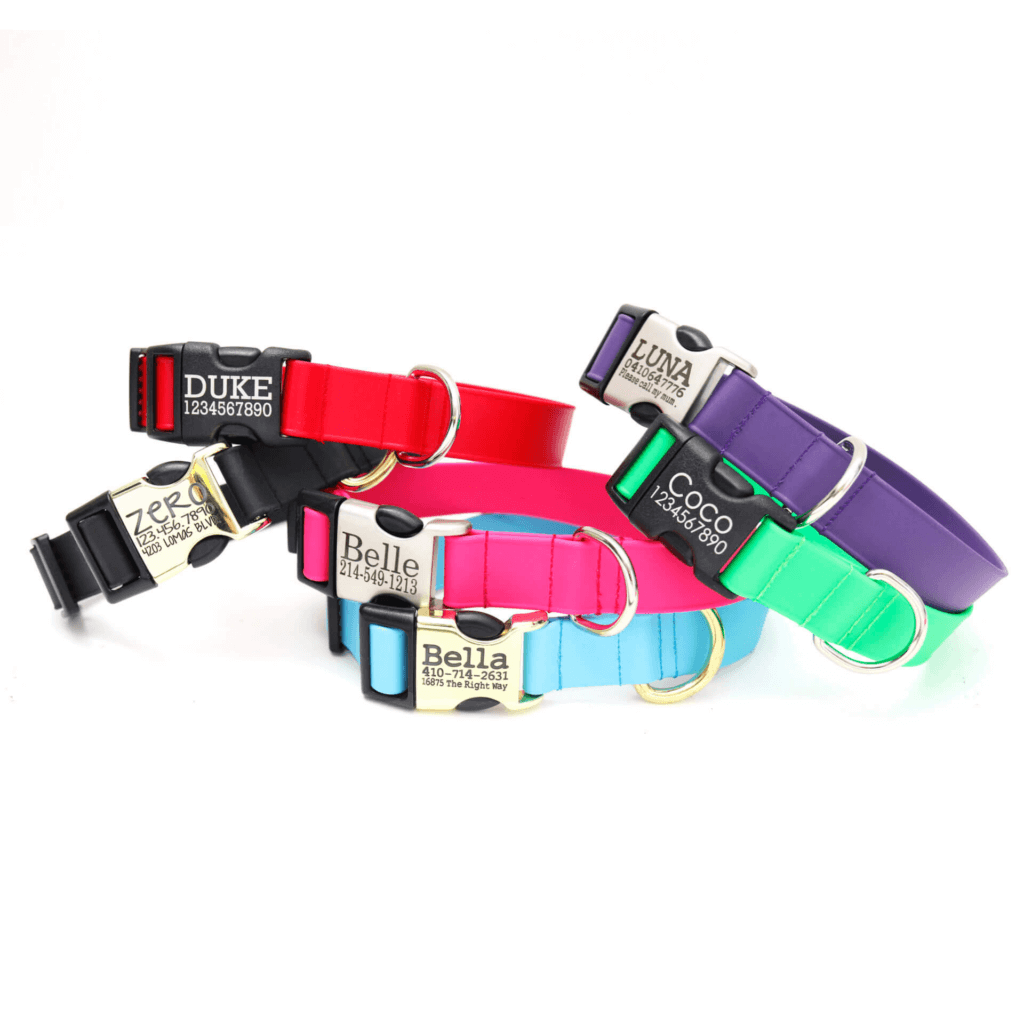
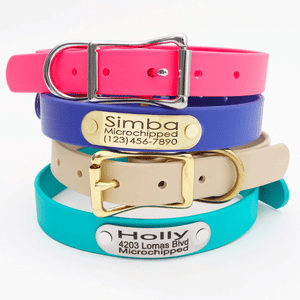
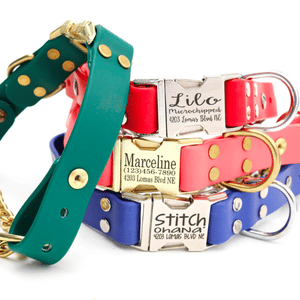
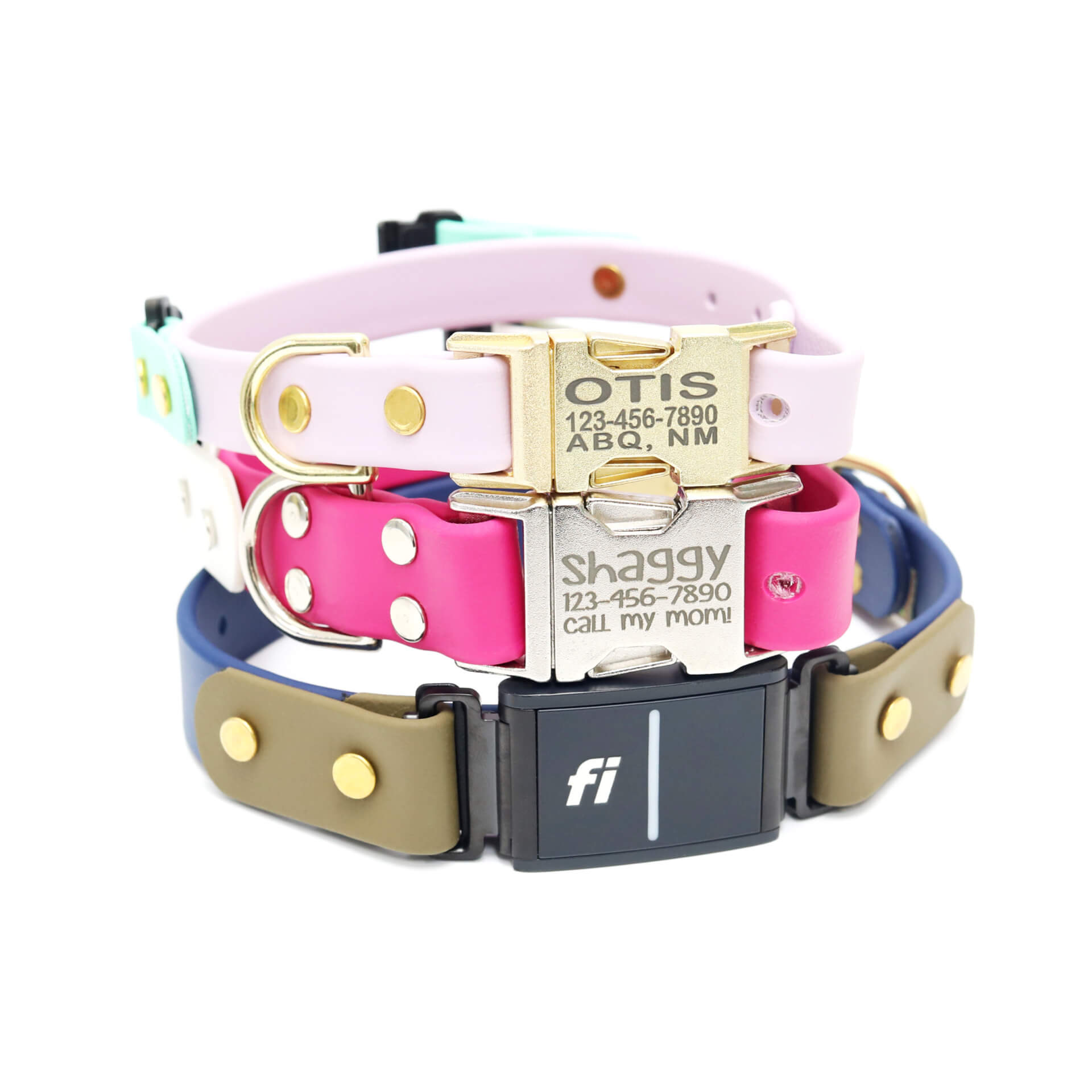
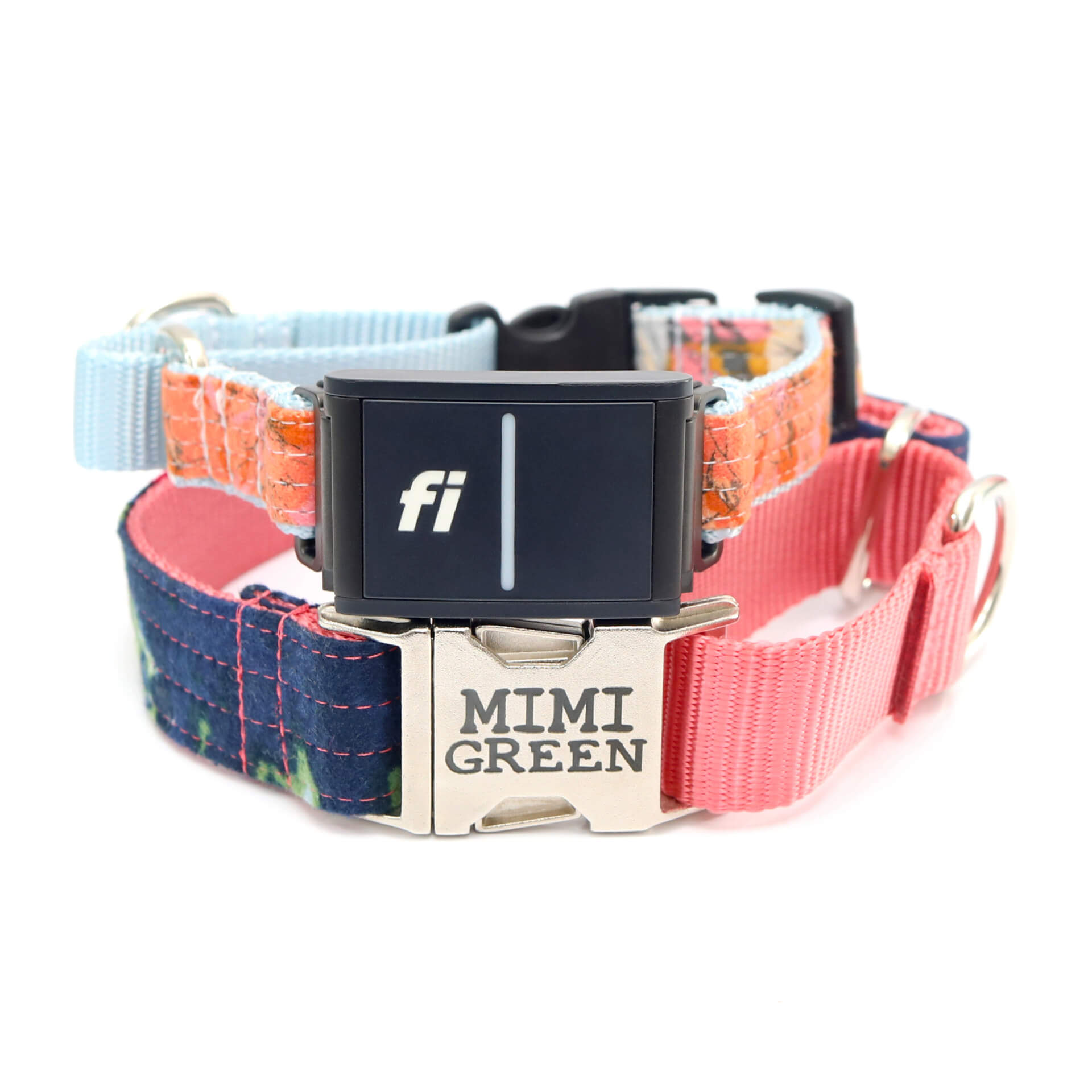
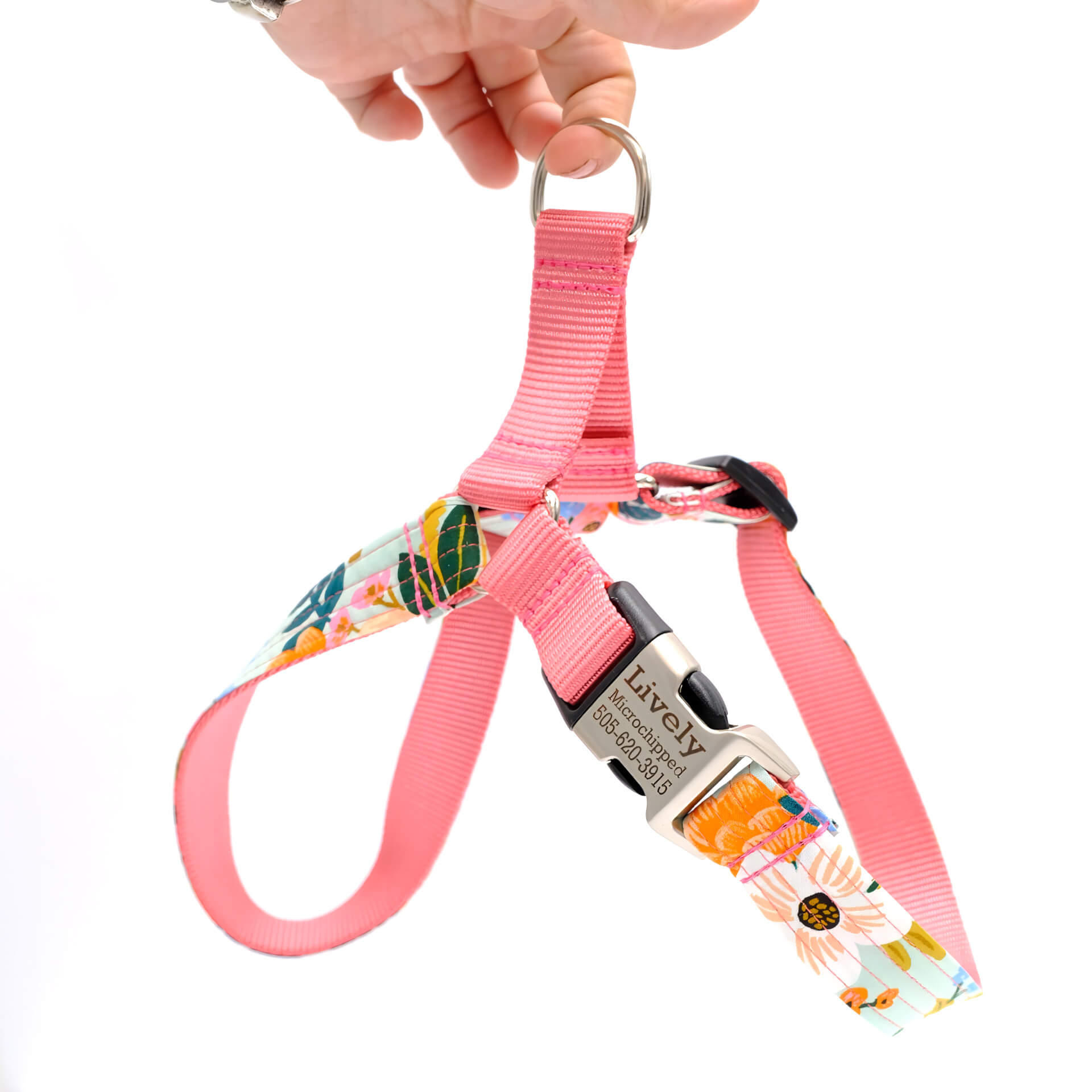
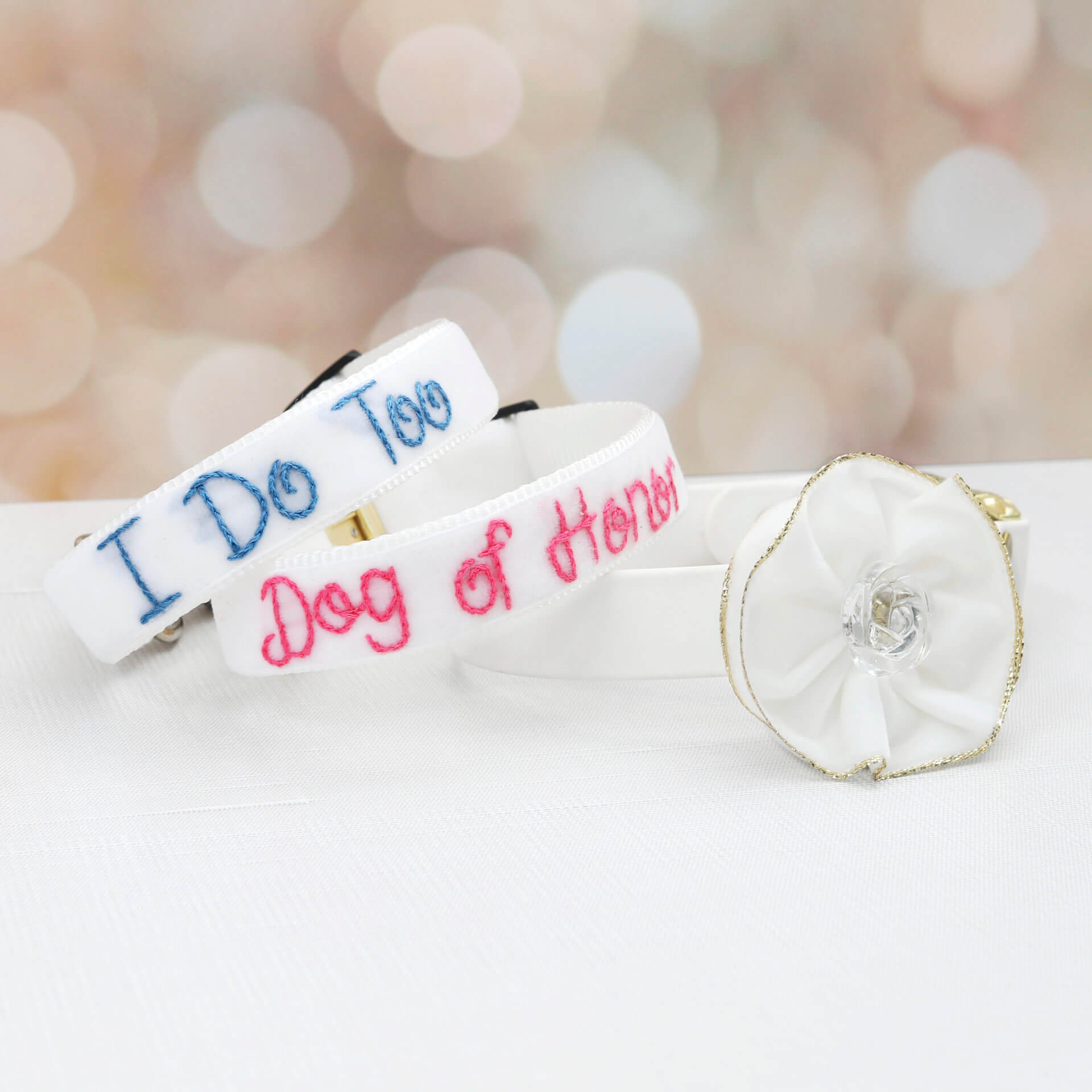
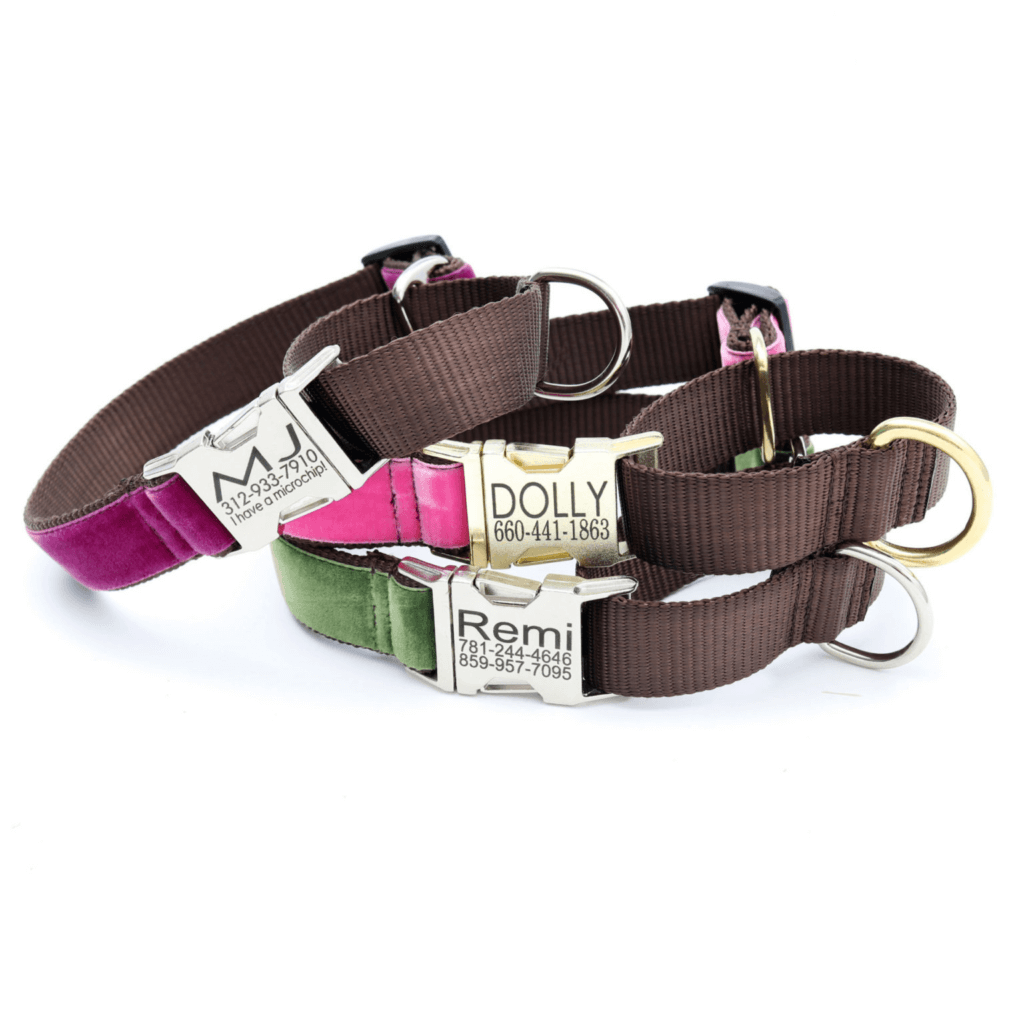
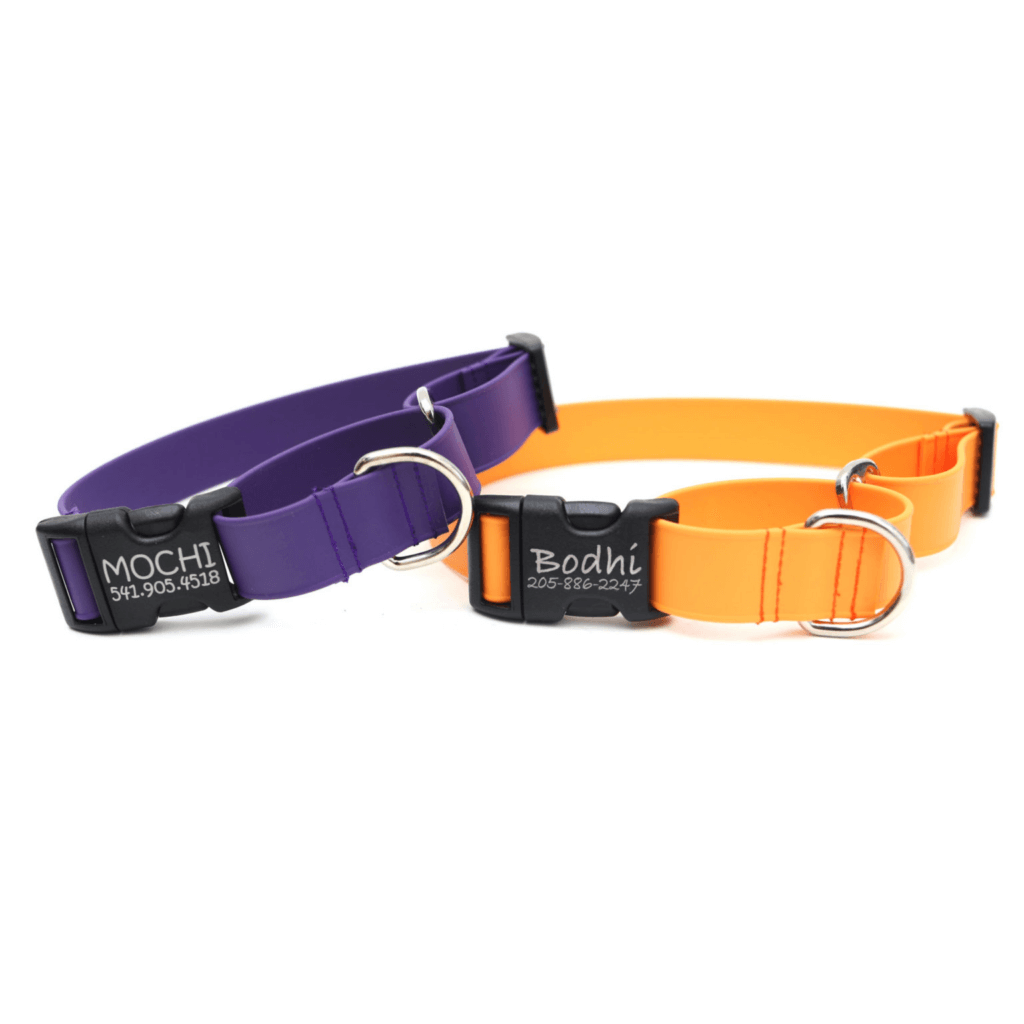
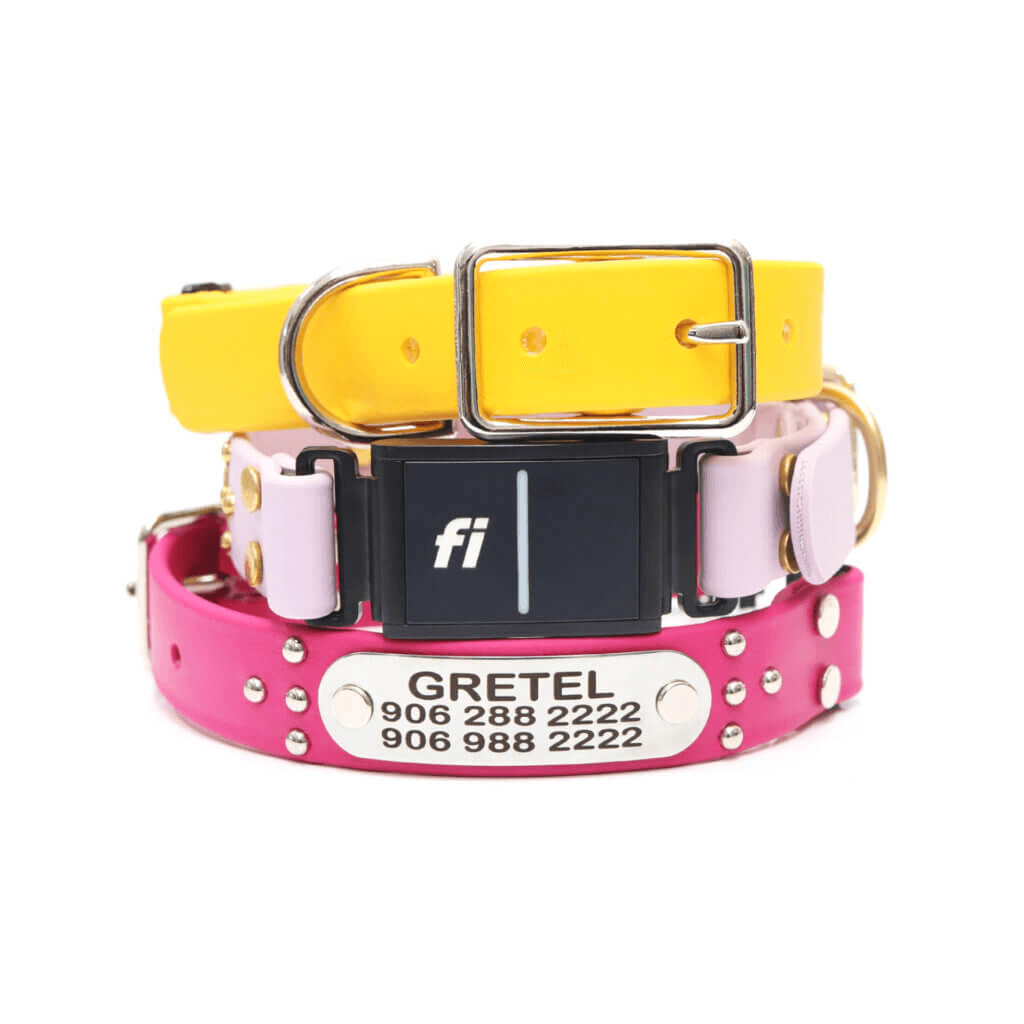
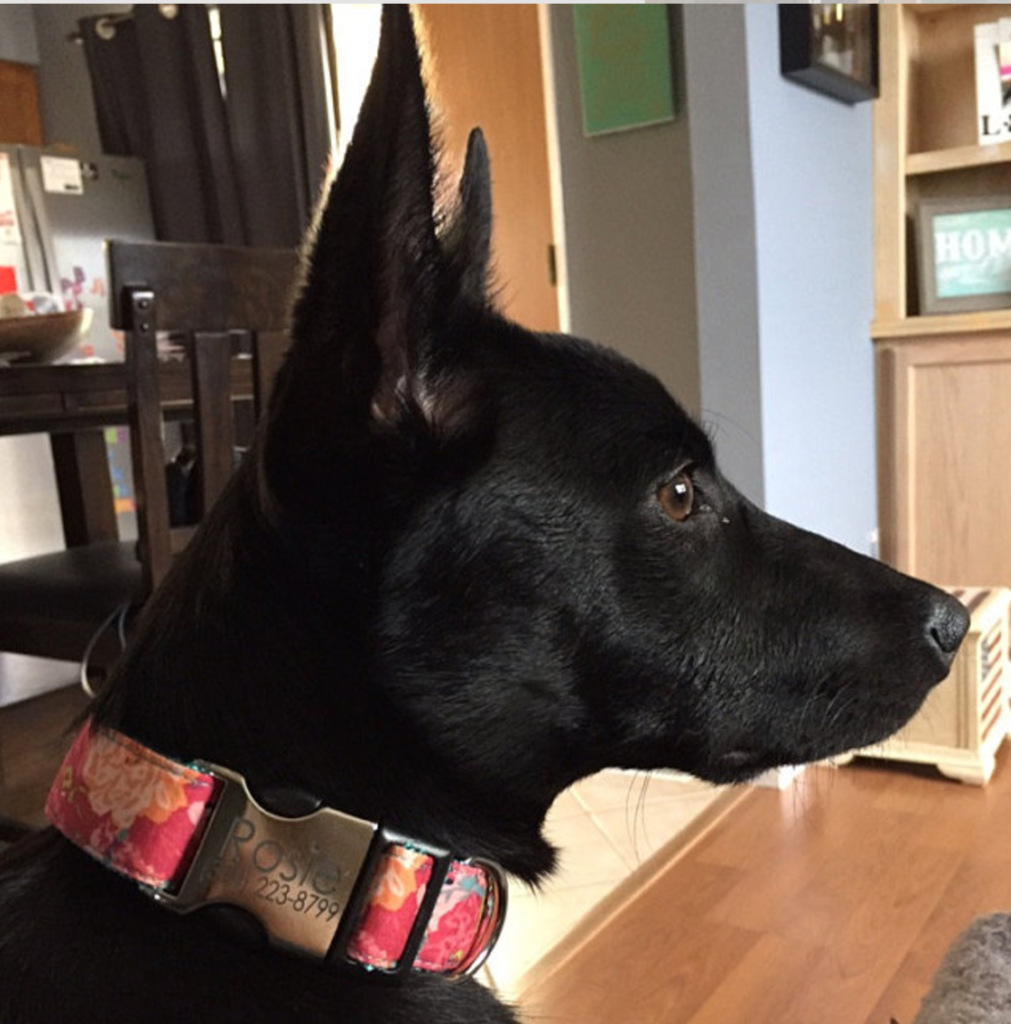
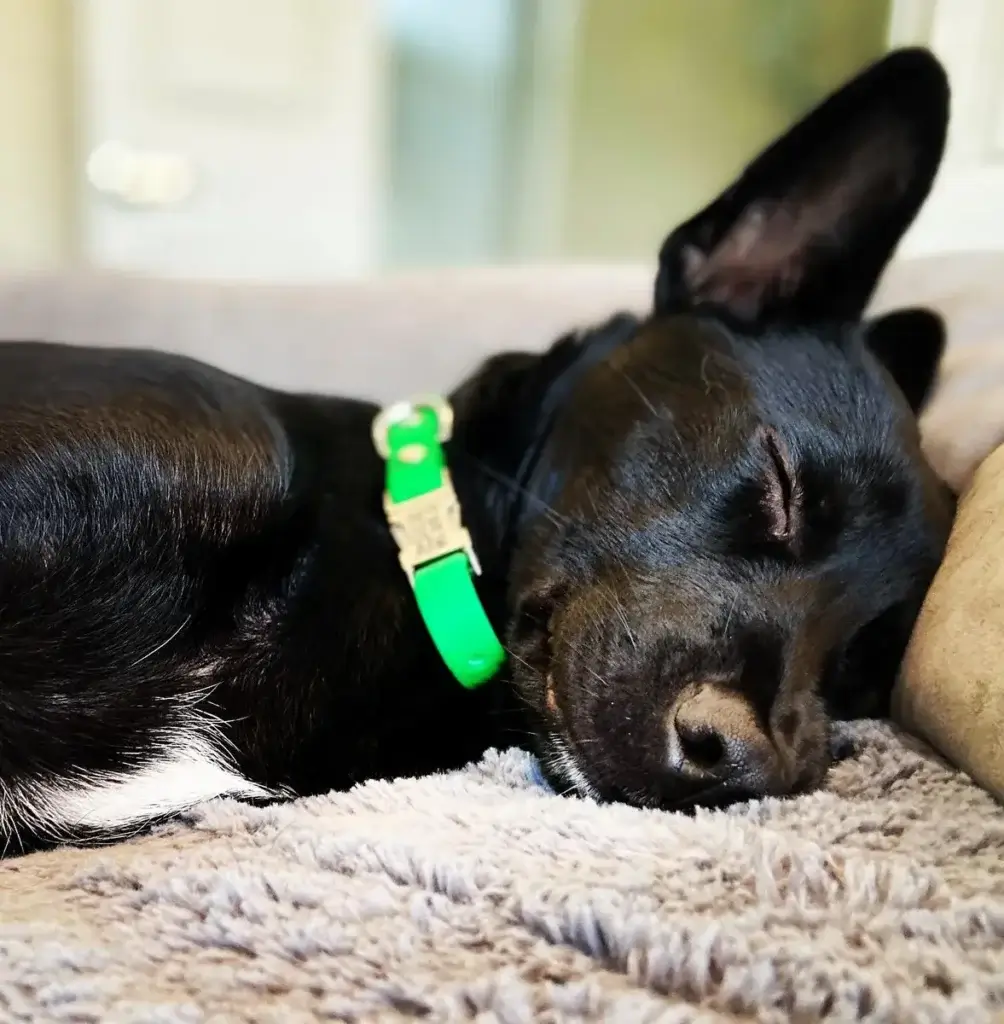
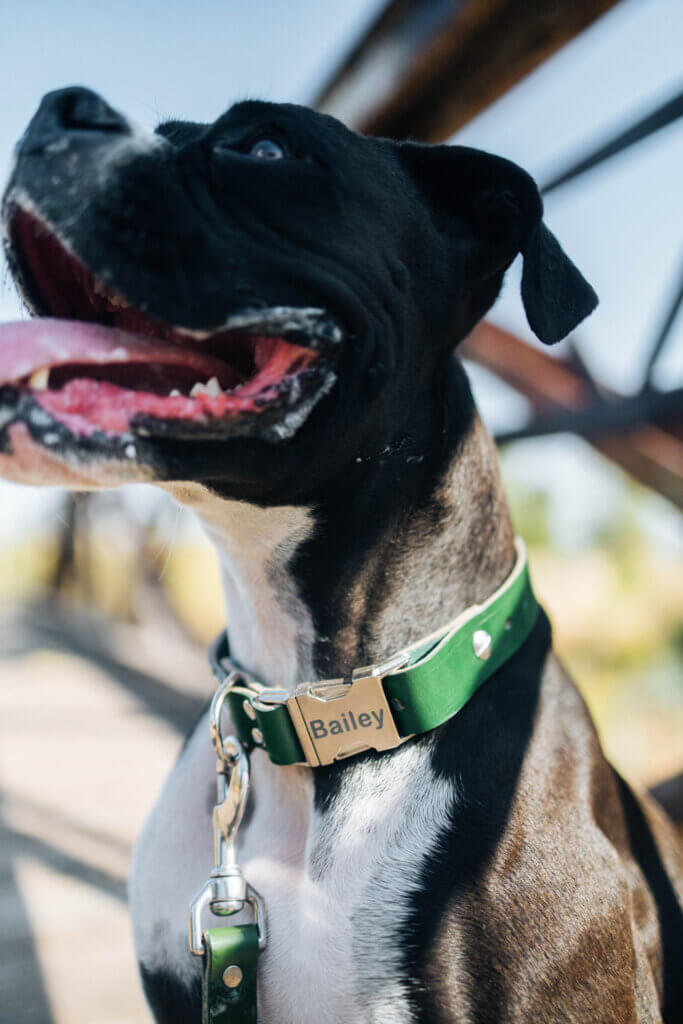
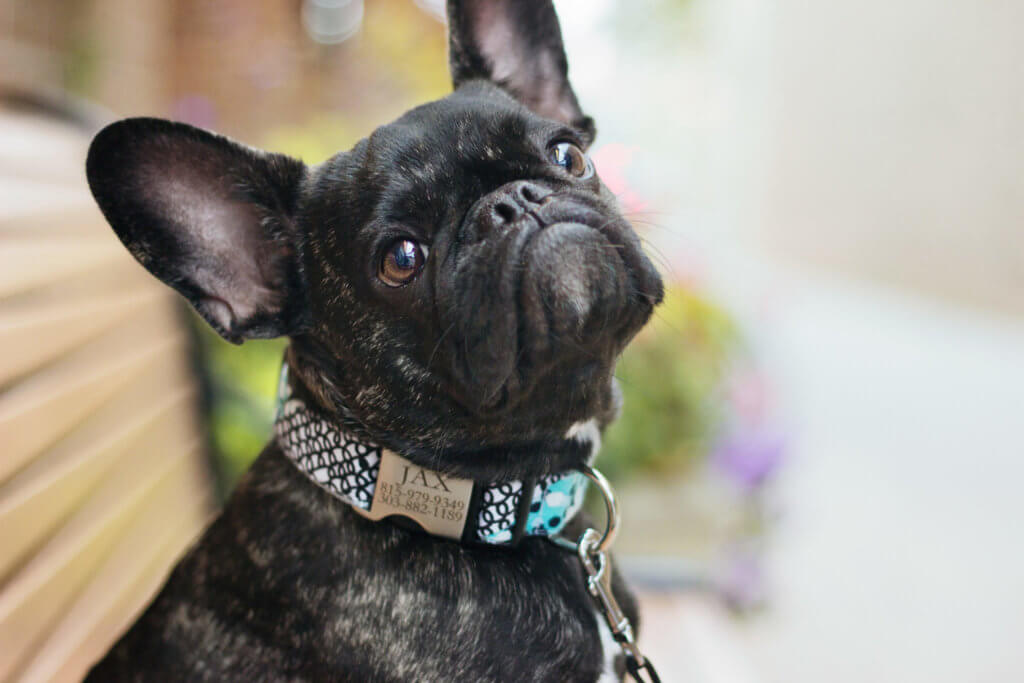
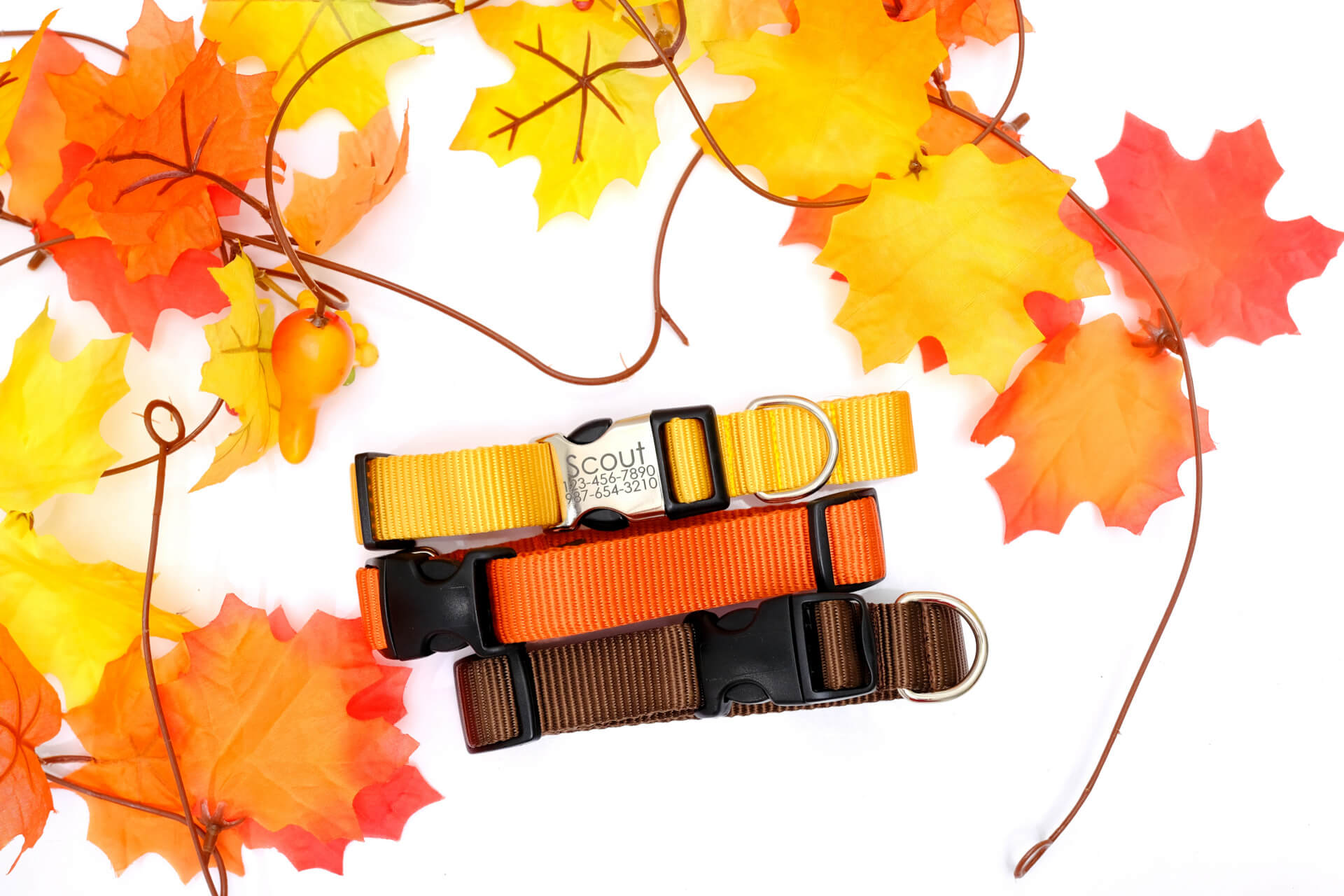
Also, even when your dog wears a hunting GPS collar in the field, it’s just as valuable to pair it with a personalized everyday collar featuring engraved ID and contact info, like the Lightweight Biothane Waterproof Dog Collar with Engraved Buckle from the photo.

Not sure what to include? We cover exactly What to Put on a Dog Collar right here

Special Considerations Based on Breed & Hunting Style

The Right Collar Size

Not sure what size collar your pup needs? Our easy-to-follow Dog Collar Size Chart takes the guesswork out of finding the perfect fit: check it out before you order!

For Hounds & Tracking Breeds

Breeds like coonhounds or beagles that pursue scent trails over long distances benefit from high refresh rates and maximum range. The Garmin Alpha and Astro series excel here, offering updates every 2–2.5 seconds with multi-mile range.

For Pointers & Bird Dogs

When covering upland fields, seeing your dog’s real-time position mapped on topographical terrain helps coordinate movements. Devices with offline mapping like the Garmin Alpha 200i shine in these wide-open hunts.

For Farm Guardians & Property Boundaries

Guardian breeds patrolling large acreage are well-served by Halo and Tractive collars that allow you to create flexible virtual fences with live escape alerts.

For Cold Weather Hunting

Cold can sap battery life and impair performance. Devices tested for freezing temperatures, like Garmin TT15X and Dogtra Pathfinder 2, keep operating even when frost builds on the antenna.

Alternatives & Budget Options

Not every hunter needs the newest system. Used Garmin units retain strong resale value, offering excellent performance for a lower upfront cost.

For smaller properties or casual use, limited-range cellular options like Fi Series 3 or Tractive may suffice, though they don’t perform well for serious hunts.

DIY solutions, pairing phones with AirTags or simple GPS trackers, introduce major risks. Signal gaps, battery failures, and lack of real-time corrections make these approaches unsuitable for hunting dogs covering serious ground.

Which Collar is Truly “Best”?

There’s no universal answer. Your terrain, breed, hunting style, and budget all influence what collar is right.

For remote or rugged hunting, satellite-based systems remain the most reliable. But before you buy, factor in subscription fees, battery life, device weight, and how easily you can issue corrections when your dog is in full chase mode. 

In the end, the right collar keeps both your dog, and your hunt, safe and successful.

How Mimi Green Helps Between Hunts

After a long day in the field, your hunting dog deserves gear that’s just as thoughtfully crafted as their high-tech tracking collar. That’s where Mimi Green comes in.

While GPS collars keep your dog safe during the hunt, Mimi Green’s custom-made dog collars, leashes, and harnesses make sure your dog looks great and stays comfortable the rest of the time. Whether your dog needs a break from heavy GPS units, or you simply want to celebrate their personality with a personalized collar, Mimi Green offers designs as unique as your dog’s drive in the field.

Shop Mimi Green’s collection today and give your dog gear that feels as good as coming home.
Best Leashes for Dogs That Pull: Top Choices 2025

ultimate-guide-leashes-for-dogs-that-pull

Yes, anti-pull leashes help, but only with training. The best leashes combine safe design with proper fit and teaching calm walking. We explain top leash types, expert training tips, risks of gear over-reliance, and how to stop pulling step-by-step.

You’re here for the TL;DR list of the five best leashes for dogs that pull:

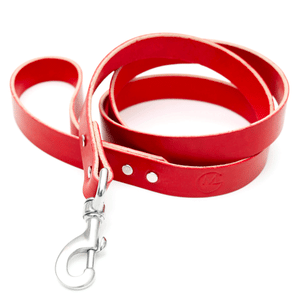
  • Double Handle Leash: Offers standard grip and close-control traffic handle, great for navigating distractions or tight spaces without sacrificing freedom.
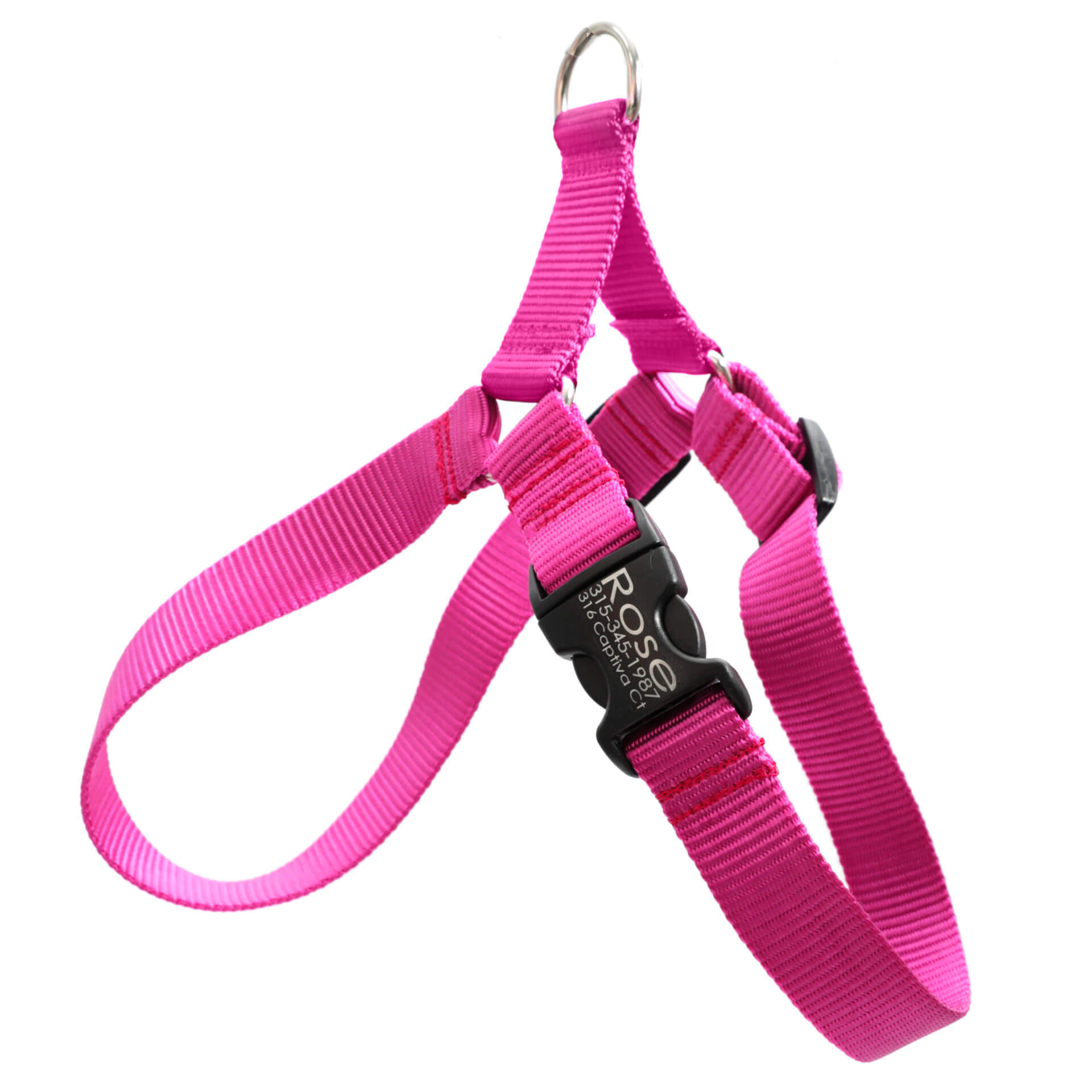
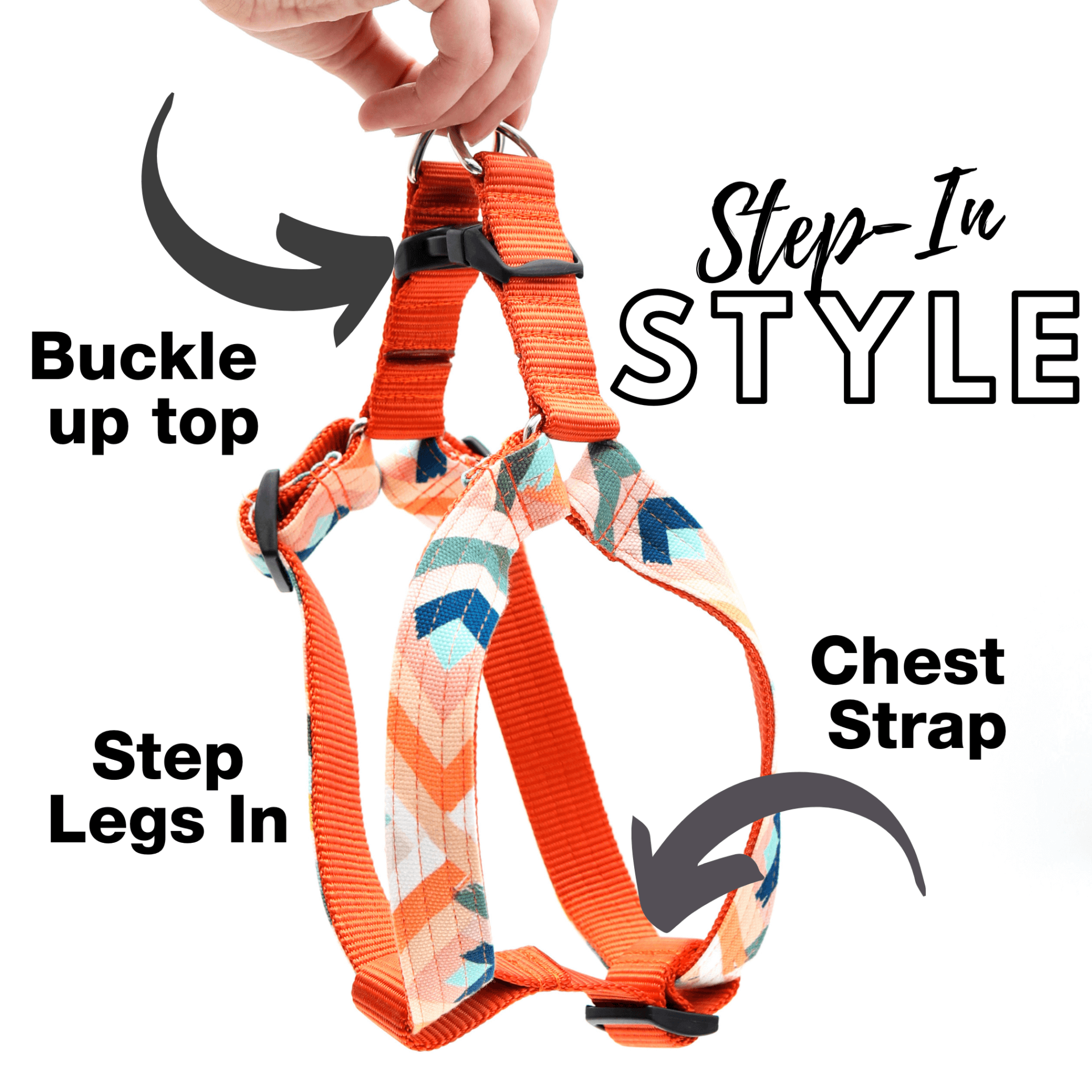
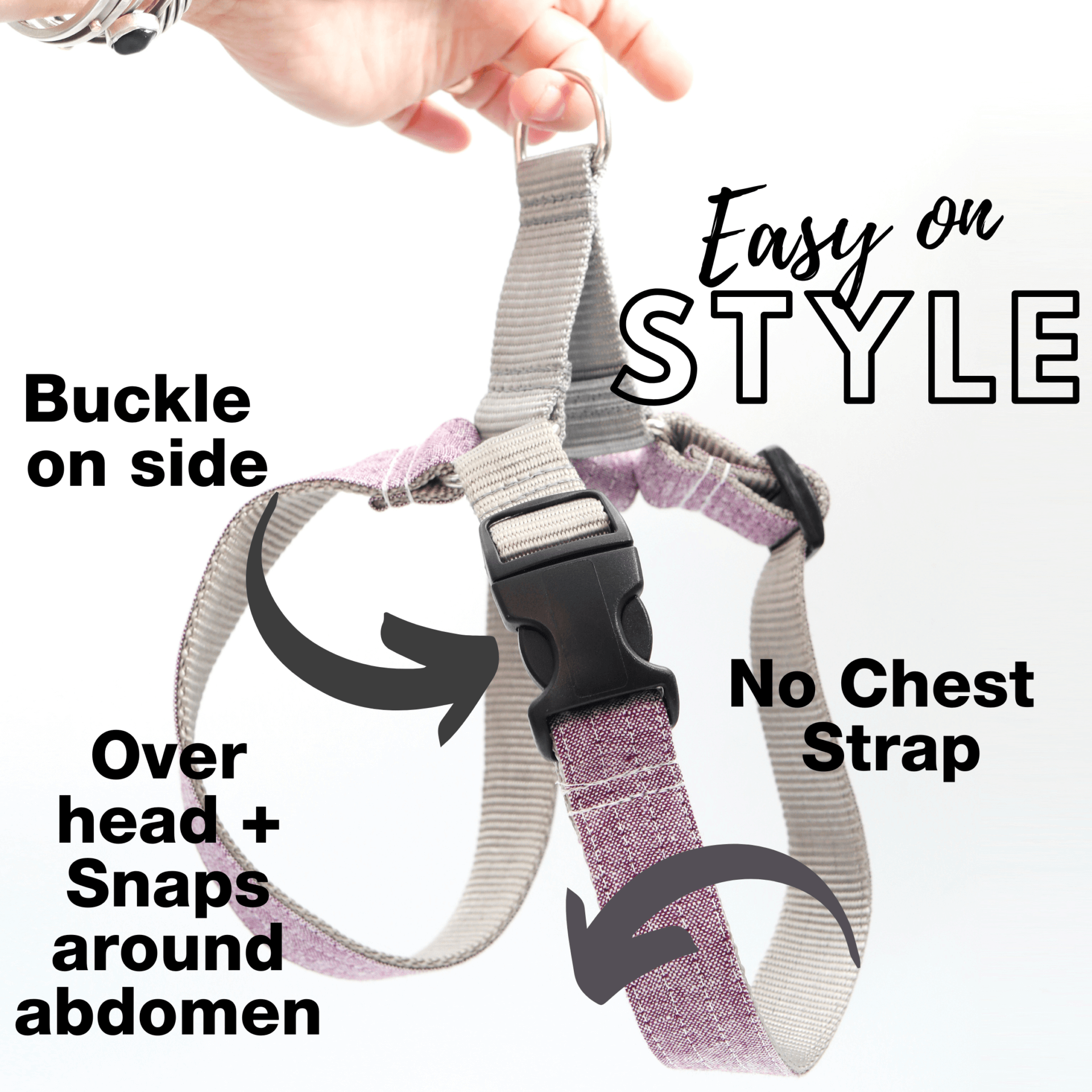
  • Front-Clip Harness System: Redirects pulling behavior by guiding the chest, not the back, effective for many dogs but must be fitted carefully to avoid joint strain.
  • Martingale + Leash Combo: Prevents escape for narrow-headed dogs while applying gentle correction, ideal for sighthounds or skittish pups.
  • Hands-Free Waist Leash (Use with Caution): Useful for experienced walkers or joggers with leash-trained dogs, not recommended for strong pullers due to injury risk.
  • Three-Strap Hiking Harness: Full-body support with “power steering” control, perfect for dogs who zig-zag or lunge, without restricting shoulder movement.

Why Do Dogs Pull on the Leash?

Pulling on the leash isn’t disobedience, it’s instinct. Many dogs are driven by curiosity, prey drive, and a desire to explore. Whether they’re chasing scents, reacting to other animals, or simply overwhelmed by new environments, the natural response is to pull ahead.

Unfortunately, human frustration often amplifies the problem. Many owners tense up, shorten the leash, or tug back when pulling starts. 

This triggers a feedback loop: the dog pulls harder, the owner reacts, and walking becomes a stressful battle instead of bonding time.
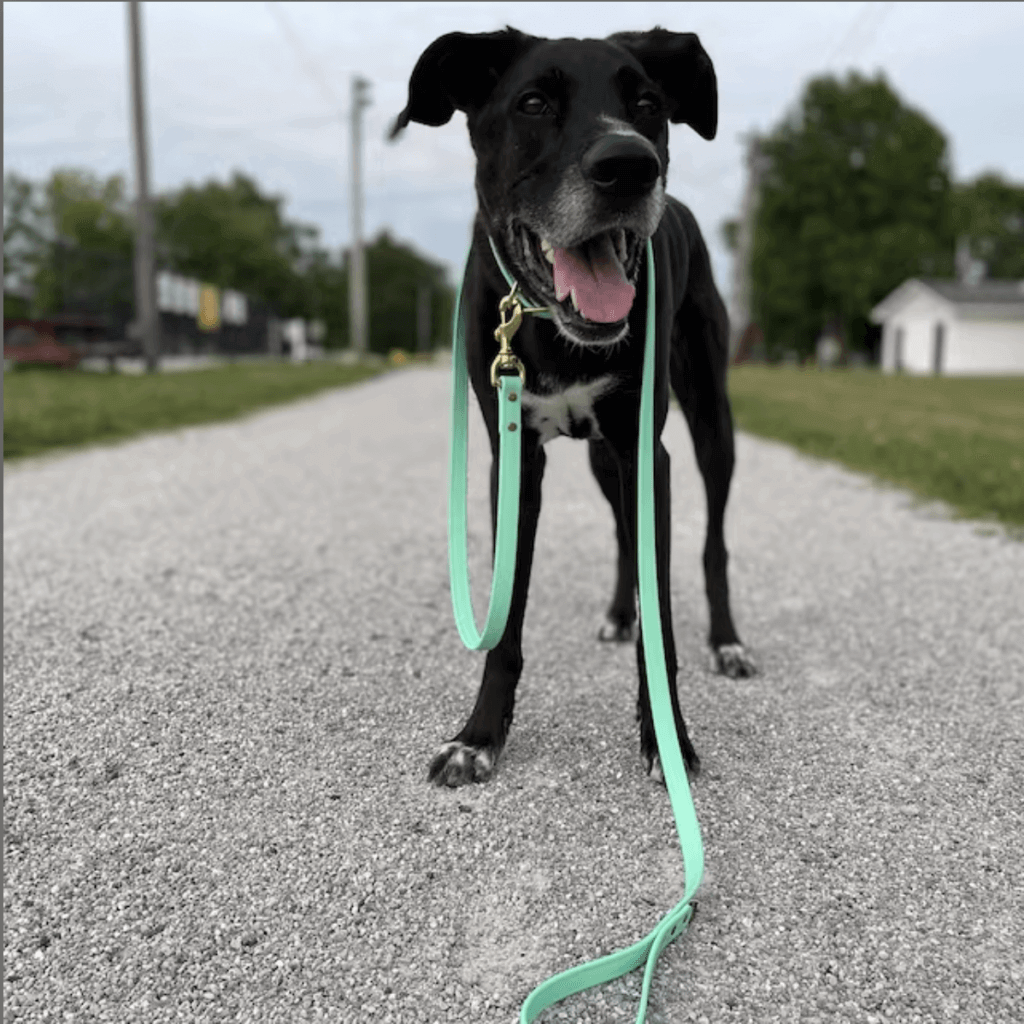
It’s tempting to believe that a certain leash or harness will instantly fix pulling. This “gear fix” mindset leads many frustrated owners to collect an arsenal of leashes and harnesses, only to find that the pulling continues. 

The reality? No leash can replace training. Tools support progress, but consistent, calm, reward-based training is the only lasting solution.

Can Leashes Alone Stop Pulling?

The quick answer is simple: No.

The most thoughtfully engineered leash cannot teach your dog self-control. Training is the non-negotiable foundation for polite walking. Without it, even the most expensive anti-pull gear becomes a short-term patch.

Effective training focuses on teaching attention and engagement. 

Your dog needs to learn that walking calmly beside you is rewarding, while pulling gets them nowhere. When combined with the right gear, this approach produces the kind of peaceful, enjoyable walks most owners crave.
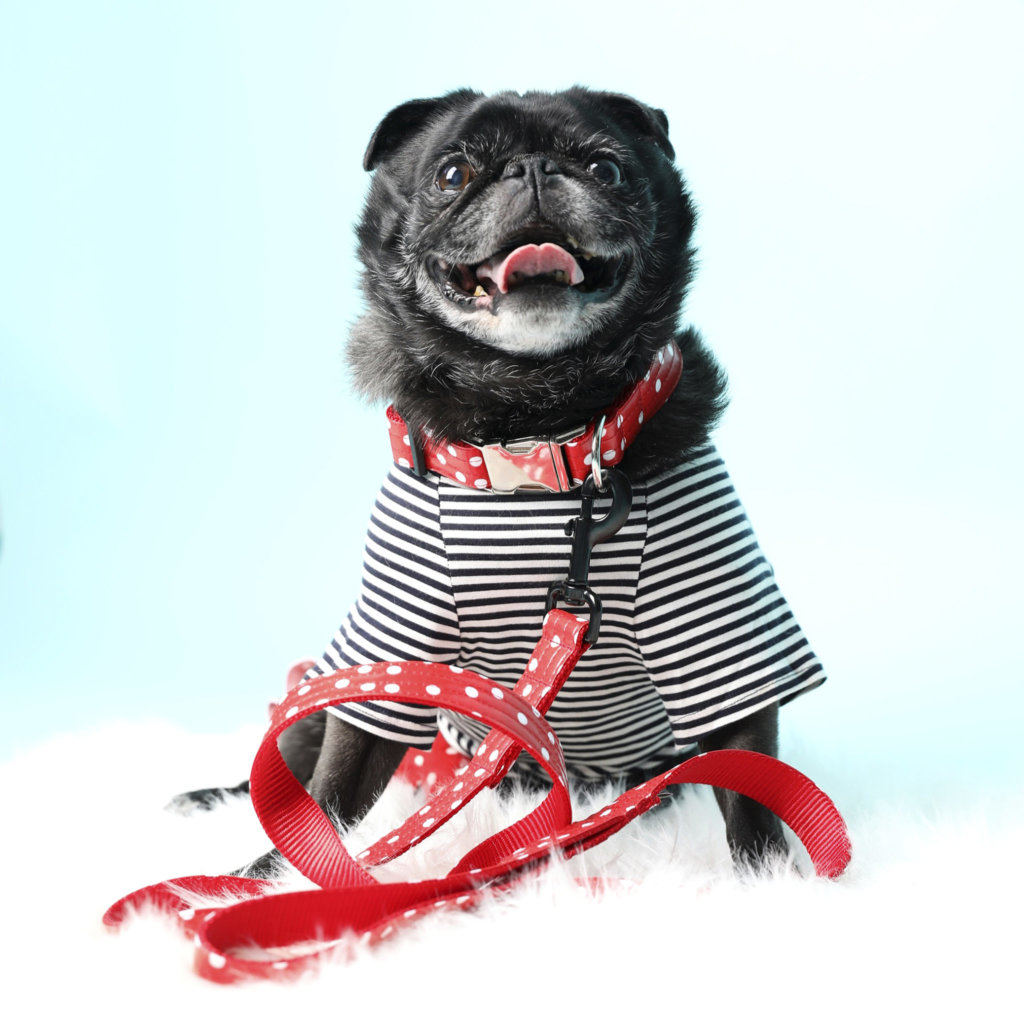
The biggest trap? Believing that buying another leash or harness will fix the issue without addressing the behavior itself. Gear can support progress, but it’s not a replacement for training.

What Features to Look for in a Leash for Pulling Dogs

1. Secure Clip is Priority #1 (Escape Risk)

Safety begins at the clip. A leash is only as strong as its weakest connection point, and sadly, many escapes happen because of clip failures. High-quality carabiner-style locking clips offer security. They’re far less likely to pop open if twisted or jarred unexpectedly.

Many owners have learned this the hard way with inexpensive bungee leashes or poorly designed swivel clips that come undone under tension. 

Avoid budget models that rely on friction-based locks or thin metal components. When managing a pulling dog, clip strength isn’t optional, it’s the foundation of your dog’s safety.

2. Proper Leash Length Matters

Length influences both control and comfort:

  • 6 feet is the standard recommendation for everyday walks. It allows room to explore without sacrificing safety.
  • Traffic handles built into some leashes give you immediate, close control in busy areas like sidewalks or dog parks.
  • Long leads (15-30 feet) are excellent for decompression walks, recall training, and giving your dog freedom to sniff and explore in low-distraction environments.

The key is flexibility. Some adjustable-length leashes let you shift between long and short configurations as you move between spaces.

3. Material: Strength + Comfort

  • Nylon is widely available, affordable, and easy to clean, and we have 26 colors available
  • Biothane offers waterproof durability, odor resistance, and easy maintenance, making it ideal for dogs who love water, mud, or extreme weather.
  • Leather provides long-term durability and comfort, softening over time to mold to your dog’s neck.

At Mimi Green, we offer all these materials and more, velvet, glitter, laminated cotton, even hand-embroidered designs that add a personalized touch. Because every dog is different, and so are their needs.

4. Weight Matters for Small Dogs

Hardware that feels secure on a large dog can overwhelm a toy breed. For small dogs, it’s not just about strength but also weight balance. Oversized clips and thick webbing may tug awkwardly on their neck or restrict movement. Look for lightweight materials paired with secure hardware sized for smaller frames.

The 5 Best Leash Types for Dogs That Pull

1. Hands-Free Waist Leashes (with caution)

Waist-worn hands-free leashes are convenient for joggers, hikers, or parents managing strollers. However, they should only be used with dogs who have already developed polite leash manners. For strong pullers, being tethered to your waist can reduce control and increase injury risk if your dog suddenly lunges.

  1. Double Handle Leashes

Double-handle leashes include a standard grip and a secondary traffic handle near the clip. This allows owners to quickly pull their dog close when navigating distractions, crowds, or tight spaces. The design offers an excellent balance between freedom and control, especially in busy urban settings.

3. Front-Clip Harness Systems

Front-clip harnesses work by redirecting your dog’s body when they pull, reducing forward momentum. They can be highly effective in the short term, but they must be fitted carefully. Prolonged use of some front-clip harnesses may affect joint alignment and restrict shoulder movement, particularly in active, growing, or large-breed dogs.

4. Martingale + Leash Combo

Martingale collars tighten gently when a dog pulls, preventing them from backing out of the collar. They are a popular choice for sighthounds and dogs with narrow heads. However, if improperly sized, martingales may slip too far down the neck, reducing their effectiveness.

5. Power Steering Hiking Harnesses

For dogs who weave, bob, or change direction unpredictably in crowds, full-body harnesses with three secure straps provide better “power steering.” This design distributes pressure evenly across the body, offering owners more stability without restricting shoulder motion.

5 Mistakes Dog Owners Make When Choosing Anti-Pull Gear

Many frustrated owners fall into the same traps when trying to solve pulling:

  • Buying before training: The biggest misstep is believing that gear alone will fix pulling. No leash or harness can replace consistent, reward-based training. Without behavioral work, even the most expensive tools become short-term patches.
  • Using equipment that restricts natural movement: Some harnesses, especially those with chest straps or restrictive front clips, can interfere with shoulder mobility if not used carefully. Over time, this may affect joint health in active or growing dogs.
  • Assuming one size fits all breeds: Breed differences matter. A solution that works for a stocky Labrador may fail for a narrow-headed greyhound. Fit, neck shape, and coat type should guide gear selection.
  • Ignoring proper fit after grooming or weight change: Collar and harness fit can shift after grooming, weight gain, or seasonal coat changes. Failing to regularly adjust for these changes can compromise both comfort and safety.
  • Overlooking cheap materials that cause skin irritation: Low-cost collars often use harsh nylon blends that can chafe sensitive skin, especially on short-coated breeds. Investing in quality materials helps prevent irritation and rash.

Step-by-Step Training to Stop Pulling

Step 1: Train Attention, Not Just Position

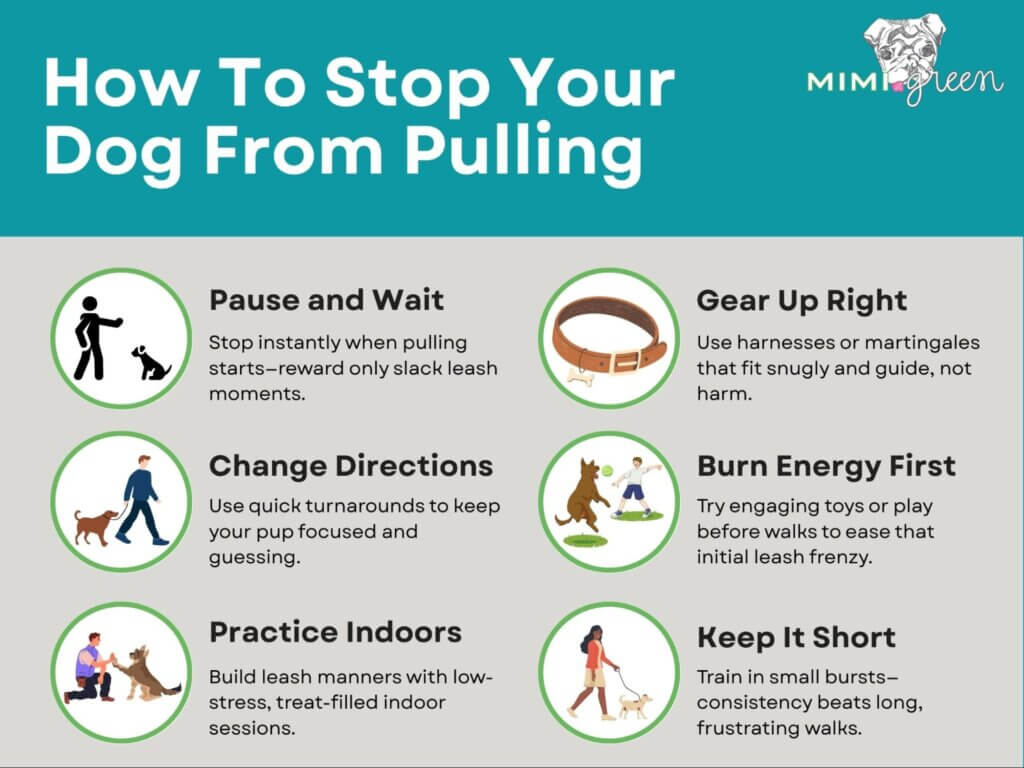
Before correcting pulling, build your dog’s focus. Use treats, favorite toys, or verbal praise to reinforce calm attention on you. Games like “watch me” or “touch” create engagement that carries over to walks.

Step 2: Redirection Works (The Circle Game)

When your dog surges ahead, calmly change direction. This creates a pattern where pulling never moves them forward, while walking politely earns steady progress. Over time, your dog learns that following you is more rewarding than dragging ahead.

Step 3: Stay Calm, Progress Is Slow

Many dog owners feel defeated by daily setbacks. Progress with pullers is not linear. It may take weeks of consistent, sometimes tedious work, changing directions, rewarding focus, and repeating drills. Patience is your most valuable training tool.

Step 4: Reward Calm Walking

Leverage the Premack principle: reward desirable walking behavior with controlled freedom. When your dog maintains a loose leash, allow more exploration time. When they pull, pause or redirect. This makes polite walking the fastest path to what they want.

Why Mimi Green’s Handmade Leashes Offer an Edge

Most big-box solutions offer standard sizes, limited materials, and mass production. Mimi Green takes a completely different approach:

  • Custom sizing ensures every collar, leash, and harness fits your dog’s exact measurements.
  • Premium materials like waterproof Biothane, velvet, glitter, laminated cotton, hand embroidery, and full-grain leather create both durability and personality.
  • Ethical, small-batch USA production means every product supports living wages and handmade care, not overseas shortcuts.
  • Complete matching sets allow you to coordinate collars, leashes, harnesses, and accessories for a cohesive, one-of-a-kind look that reflects your dog’s personality.

Your Walks Should Be Enjoyable, Not Exhausting

The perfect leash can’t replace training, but it gives you the tools to succeed. Durable materials, secure clips, and proper fit create peace of mind, while training transforms how your dog walks beside you. And when your leash reflects your dog’s unique style, every walk becomes more personal.

If pulling has turned daily walks into a battle, you’re not alone. You need gear that won’t fail, materials that won’t irritate, and designs that fit your dog, not a one-size-fits-all shortcut. At Mimi Green, we offer:

  • Custom-fit collars and leashes sized precisely for your dog’s neck, coat type, and walking habits.
  • Waterproof Biothane and buttery-soft leather options for durability, comfort, and effortless cleaning.
  • Handmade matching sets to create a cohesive, stylish look while delivering functional control.

Every piece is handmade-to-order in our small US studio, with care, creativity, and your dog’s safety in mind. Don’t settle for gear that frustrates you. Choose Mimi Green, and take your first step toward peaceful, confident walks.

👉Shop Mimi Green’s Custom Leashes Now!

Dog Collars to Stop Wandering: Top Picks That Work

You turn your back for one second and your dog’s halfway down the street. Sound familiar? Whether your pup’s chasing squirrels or sniffing freedom, wandering isn’t just frustrating,  it’s dangerous. Let’s find a collar that helps your Houdini hound stay put.

And while a good game of fetch might burn some energy, it doesn’t guarantee your dog will stick close when it matters most. If you’ve found yourself sprinting barefoot after a blur of fur, or watching helplessly as your pup squeezes through a gap in the fence, you’re not alone.

Wandering isn’t just inconvenient. It’s risky. From car traffic to wildlife to unfamiliar terrain, the outside world can be a dangerous place for dogs who roam. That’s why choosing the right collar, one that fits your dog’s habits, breed, and lifestyle, matters more than ever.

This guide will help you discover which collars actually stop dogs from wandering (and which ones don’t), how GPS and smart collars stack up, and what to consider if your dog is part Houdini. 

Why Do Dogs Wander in the First Place?

Curiosity Isn’t the Only Culprit

Dogs can escape for all kinds of reasons:

    • Boredom or under-stimulation: A dog with energy to burn is more likely to investigate the world beyond the fence.
    • Scent trails: Whether it’s a cat, squirrel, or nearby barbecue, tempting smells are powerful motivators.
    • Gaps and distractions: Open gates, loose boards, or a visitor forgetting to latch the door, these are prime opportunities for a dog to bolt.
    • Outdoor-only dogs: Pups that aren’t accustomed to being indoors may resist confinement, especially during renovations or storms. For some, outside is home, and indoor transitions can cause stress, and escapes.
  • Fear: A typically well-behaved dog can bolt when afraid. Sometimes, a firework, thunder, or even a backfiring vehicle can startle a dog into bolting.

Collars Alone Can’t Fix Wandering

Collars can be a powerful tool, but they aren’t a silver bullet.

    • Training matters: A collar won’t teach recall or boundaries. That comes from consistency, time, and positive reinforcement.
    • Environmental adjustments help, too: Think secure fencing, boredom busters like puzzle feeders, or even simple seasonal fixes like stacking pallets against weak spots.
    • And yes, some dogs get out of their collars. Whether it’s from slipping, chewing, or a poorly secured buckle, fit and material matter just as much as the collar’s features.
  • Tie Out: Many dog collar buckles have no warranty against tie out on a lead or a chain.

Do GPS Dog Collars Really Work?

If your dog’s a flight risk, GPS might sound like the dream solution: real-time location tracking, digital boundaries, and peace of mind in your pocket. But do they actually work?

What GPS Collars Do Well

Modern GPS collars come with helpful features:

  • Live location tracking through apps
  • Boundary alerts if your pup leaves a preset area
  • Nighttime visibility via built-in LED lights

These features make GPS collars incredibly useful for dogs who sneak out during walks, slip gates, or dash during hikes. Especially when paired with recall training and a secure fit.

When a GPS Collar Makes Sense

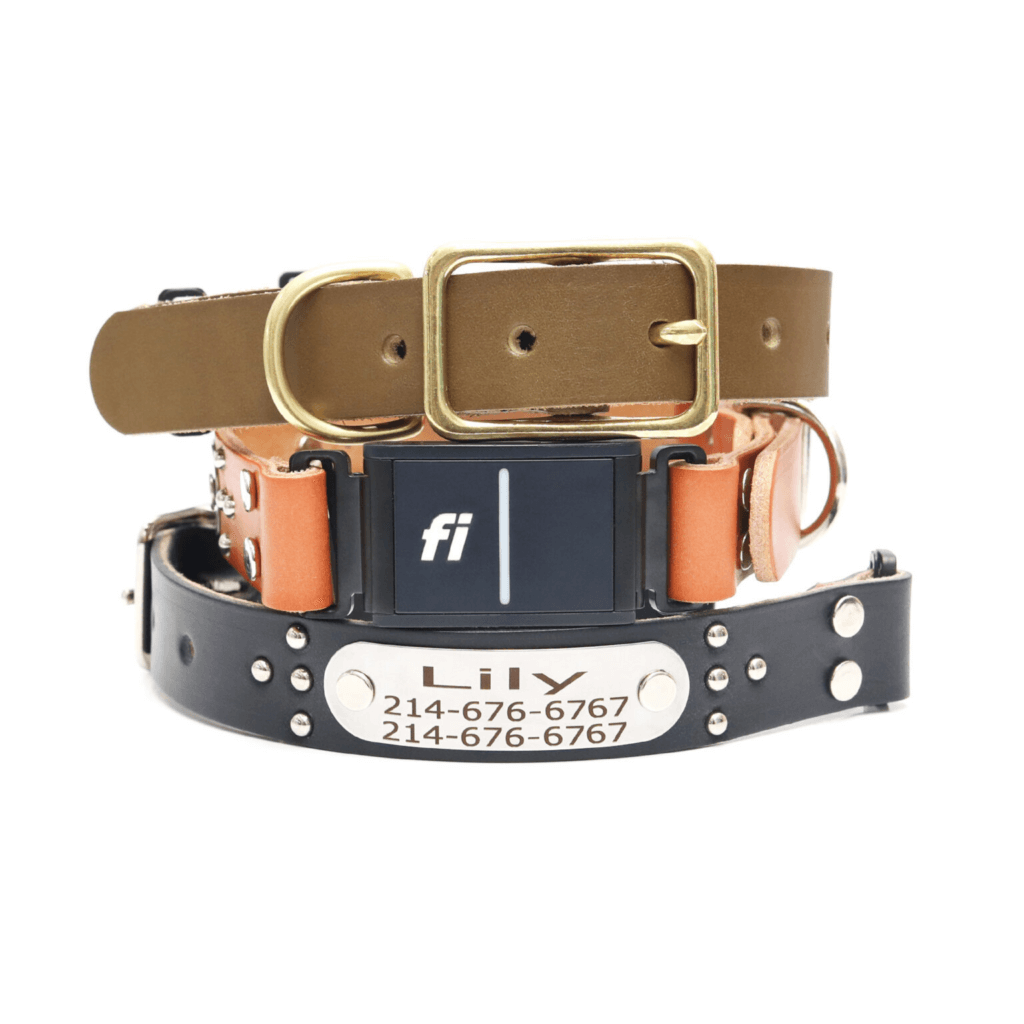
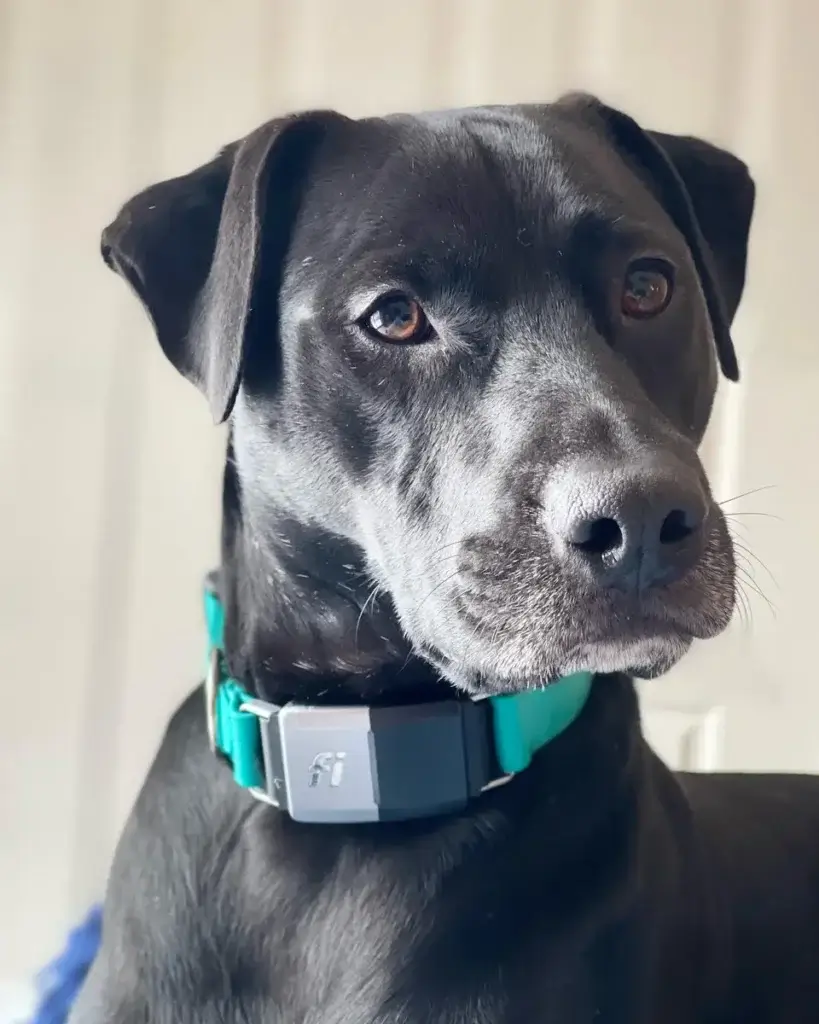
If your dog has a history of escaping, or if you’re constantly worried about them bolting, GPS collars can be a game changer. We offer Fi-compatible collars designed to fit Fi GPS modules securely and stylishly.

“GPS means I don’t need training” → Not true. A GPS collar helps you find your dog, not keep them close.

Type of Collars That Keep Dogs from Escaping

Martingale Collars

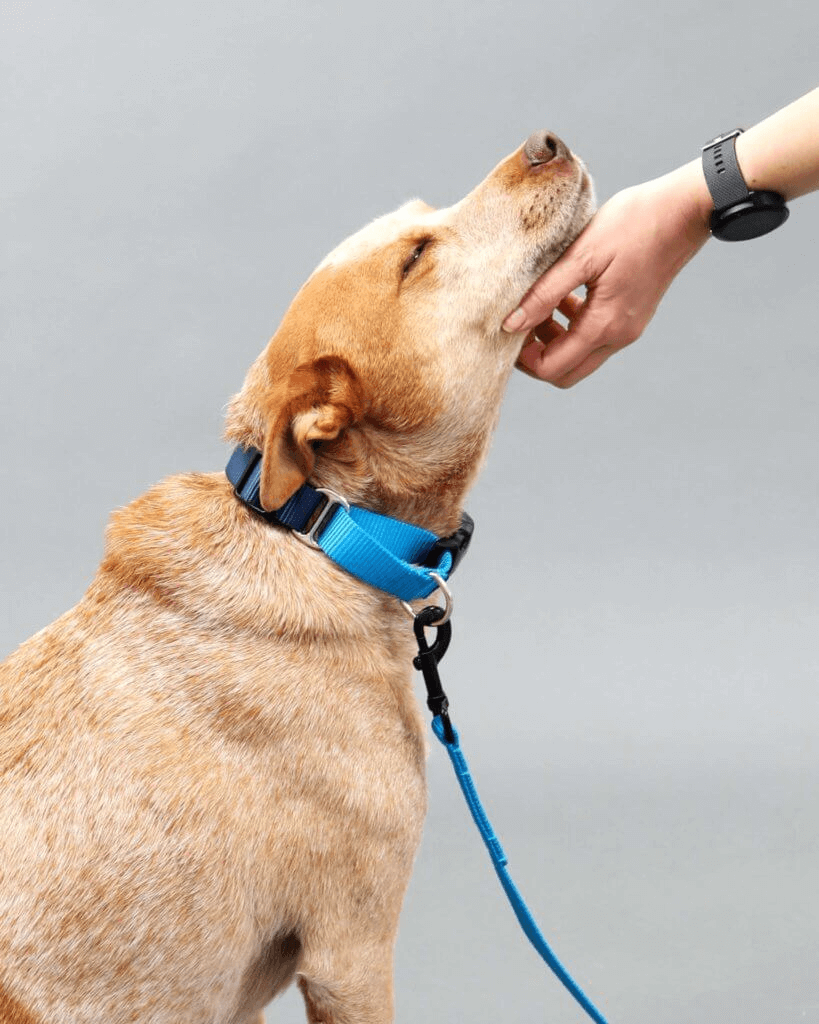
Originally designed for greyhounds and other narrow-headed breeds, martingales gently tighten when your dog pulls, just enough to prevent slipping out, without choking. Shouldn’t be worn unsupervised, especially indoors or in play

At Mimi Green, our martingale collars come in custom sizes and luxe materials like velvet and waterproof Biothane, giving you control and style.

Breakaway Collars

Breakaway dog collars are made to snap open if caught on something, helping prevent choking or snagging accidents. But they come with trade-offs:

  • Excellent for indoor use
  • Not suitable for dogs who pull

They’re best for calm pups or households with multiple pets where tangling could be a risk..

Mimi Green Picks: Safe, Stylish, Anti-Escape Collars

If your pup has the soul of an adventurer, we’ve got options designed to keep them safe, without cramping their style.

Our Favorite Picks:

Fi-Compatible Collars: Seamlessly pair with Fi GPS modules in styles like velvet or waterproof Biothane. Secure and stunning.

Martingale Velvet Collars: Gentle tightening keeps the collar in place. So soft, your dog might forget it’s on.

Biothane Waterproof Martingales: Built for dogs who roam in rain, mud, and everything in between.

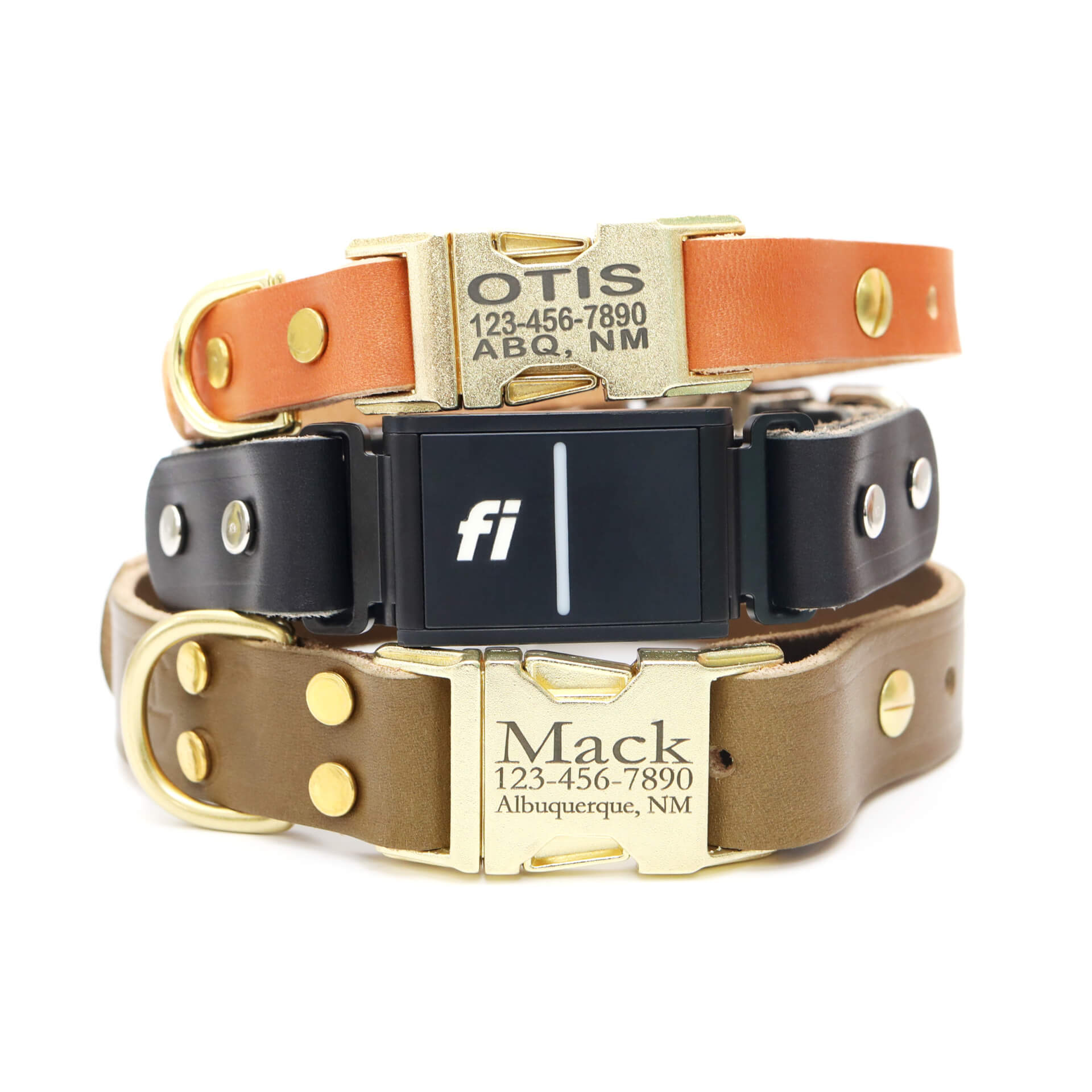
Fi Compatible Leather Collars: Keeping your dog’s information front and center is so important to their safety.

All handmade. All customizable. All Mimi Green.

Keeping Your Wanderer Safe

Some dogs are content to lounge. Others? They were born to roam.

If your dog leans toward the latter, you’re not failing them, you’re just overdue for the right tools.

Whether your pup bolts for joy or curiosity, a well-fitted, thoughtfully chosen collar can change everything. Not just for control, but for safety, recovery, and peace of mind.

At Mimi Green, we don’t believe in “one-size-fits-all.” We make each collar to order, right here in the USA, so it fits your dog and your lifestyle. From Fi-compatible GPS collars to martingales that keep wanderers close, we build solutions for pups who love freedom, and pet parents who love them too much to let them go far.

Ready to Keep Your Pup Close, Without Holding Them Back?

Every dog deserves a collar that does more than look cute. It should stay secure, reflect their personality, and help you breathe easier when the gate swings open.

Try these Mimi Green solutions:

  • For dogs who disappear the moment you blink: Our Fi-compatible collars pair with GPS to bring them back, fast.
  • For pups who slip collars like magicians: Our Martingale Velvet or Waterproof Biothane options stay snug and safe.
  • For the fluffiest escapees: Our Leather Collars prevent matting and slipping.

These collars are perfect for you if:

  • You want beauty and function.
  • You believe in investing in gear that lasts.
  • You need collars tailored to your dog’s habits, not just their size.

More confident walks. A safer, happier dog. And a collar you’re proud to clip on every day.

👉Explore our full collection of handcrafted, custom-fit collars now, because your dog deserves more than ordinary.

Best Collar Colors for Dogs | Do They Just See Black & White?

Let’s start with a common myth that I think we’ve all heard. That dogs see in black and white. This is not true. Dogs’ eyes only have two types of cones ( 20 percent of the cones in human eyes). Their color spectrum is limited to shades of gray, brown, yellow and blue. This is called dichromatic vision.

Dogs see blue and yellow best. 

These colors are most visible to them due to their limited color perception. Red and green look dull or gray. For toys, collars, and gear, stick to blue or yellow for visibility, and choose high-contrast designs that pop against your dog’s fur and environment.

While it’s true their world isn’t as saturated as ours, dogs do see color, just not in the way humans do. Here’s what that means:

  • Blues and yellows? Yes..
  • Reds and greens? Not so much. These show up more like muted browns and dull yellows.

What Colors Can Dogs Actually See?

Dogs’ vision is built for motion and contrast, not color richness.

Here’s how their world looks:

  • Blue = Blue
  • Yellow = Yellow
  • Green = Washed-out yellow
  • Red = Dull brown or gray

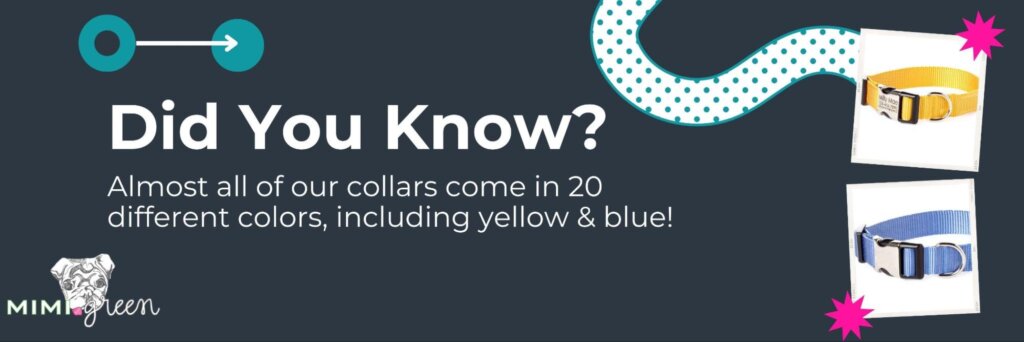
Check out our Colorful Two-Toned Martingale Dog Collar featuring over 20 vibrant color combinations and available in more than 6 sizes to ensure the perfect fit.

That means if you toss a red toy onto green grass, your dog might struggle to see it at all. In fact, many pet parents think their dog is “choosy” or distracted, when really, the toy is just blending into the background.

Quick Color Chart:

Color for Human View Color for Dog’s View
Blue Blue
Yellow Yellow
Green Faint yellow-gray
Red Brown/Gray
Orange Tan or muddy yellow

So, What Colors Are Best for Dogs?

When choosing collars, toys, or gear, your best bet is to think in terms of contrast and visibility.

Here’s the shortlist:

  • ✅ Blue: The most visible color to dogs, especially outdoors. It pops against grass and sidewalks.
  • ✅ Yellow: Bright and eye-catching indoors. Works well in training or play.
  • 🚫 Red: Dogs struggle to distinguish it, it blends into green and brown landscapes.
  • 🚫 Green: Perceived as dull yellow; not ideal for yard visibility.
  • ⚠️ Orange: Great for human visibility, but can vanish in grass for dogs.

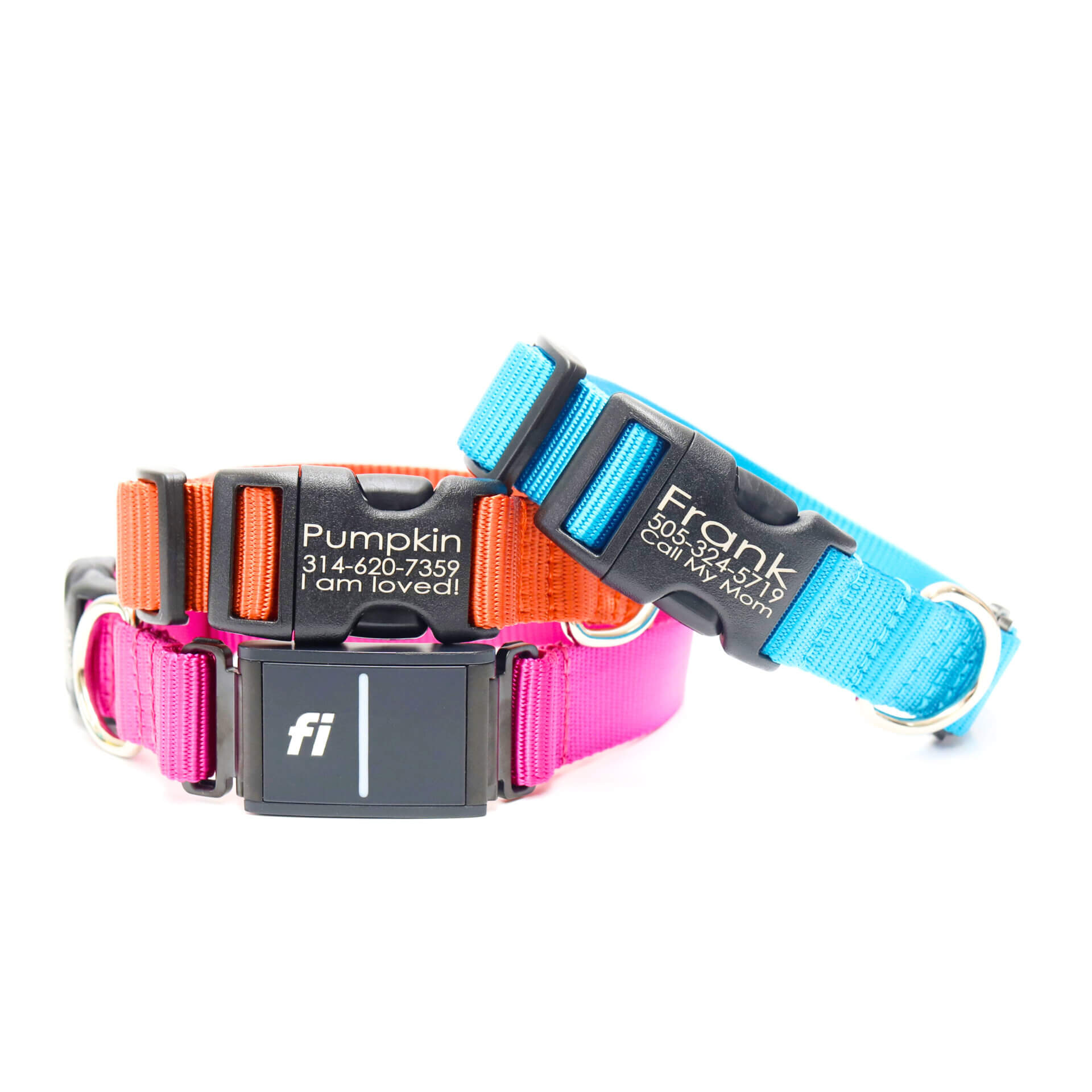
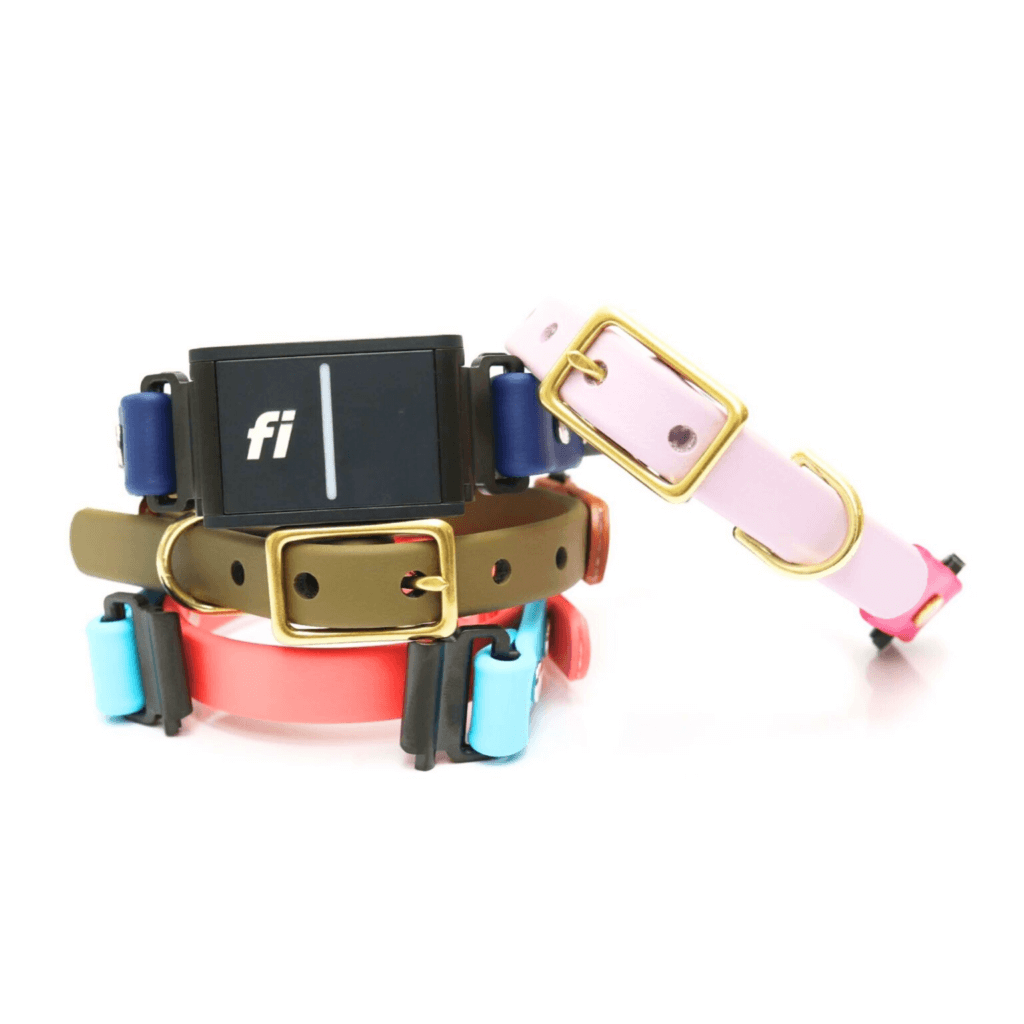
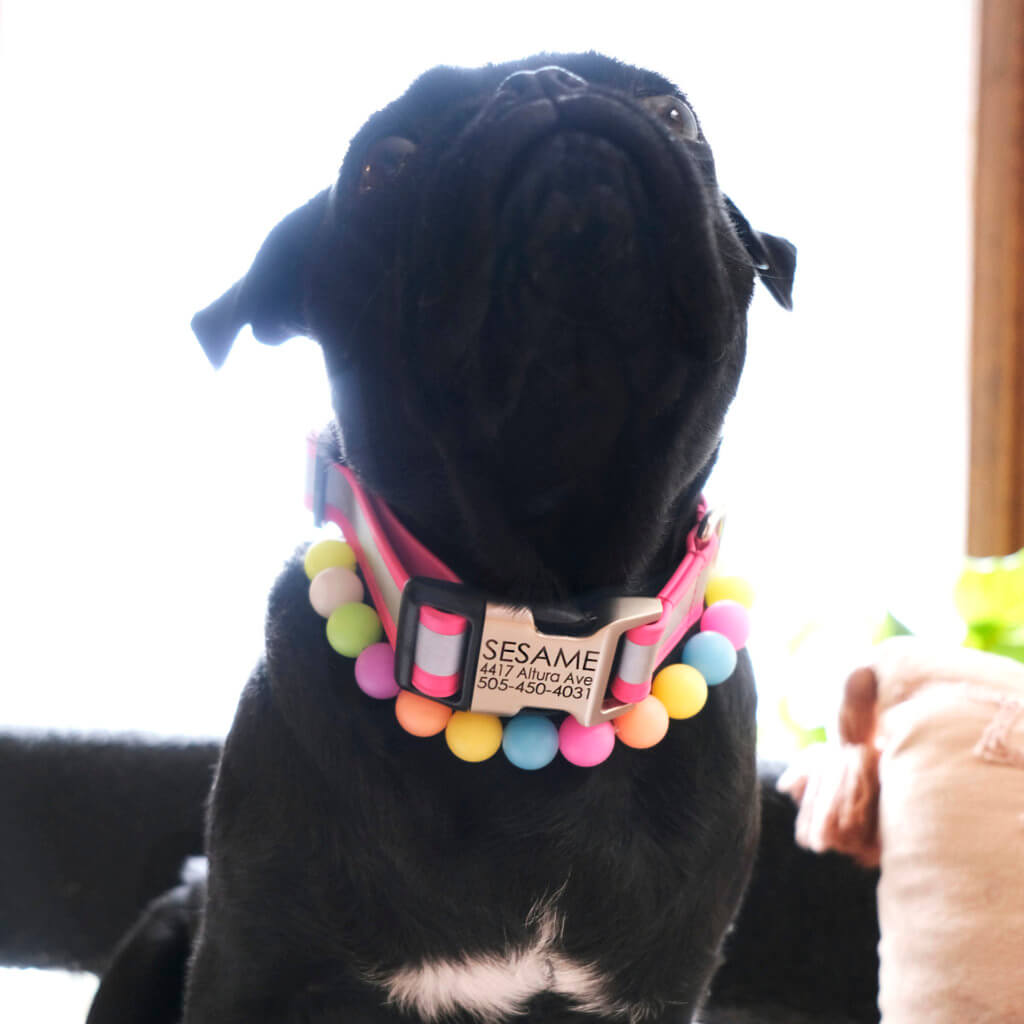
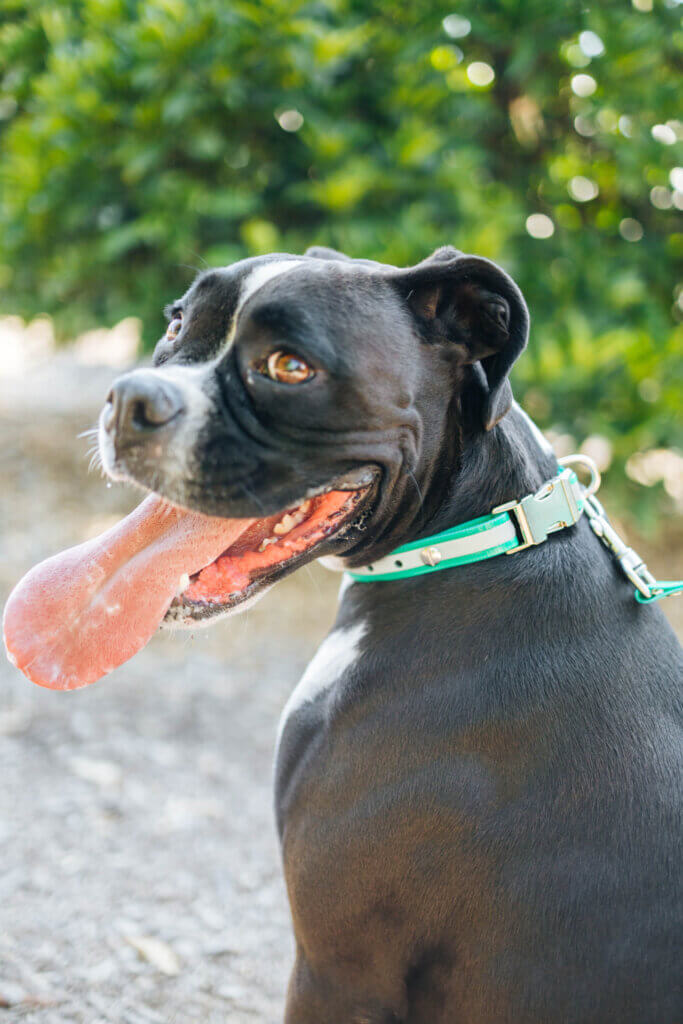
Elevate your dog’s style with our Fi Compatible Waterproof Dog Collar like the ones from the photo, available in over 20 vibrant colors and multiple sizes.

If your dog seems “picky” about a toy or collar color, consider this: it might not be pickiness. It might just be that they literally can’t see it well.

What Colors Do Dogs Prefer? (Mini Behavioral Analysis)

Can dogs have a favorite color? Sort of, but not in the way humans do.

Dogs don’t pick colors for emotional reasons. They react to what they can see clearly. That’s why some dogs seem obsessed with one toy and ignore others, it’s often about visibility, not personality. They also may form attachments to toys, collars, and more based on smell or sound (or they associate it with their favorite person, you!).

Still, a few stories come to mind:

  • A puppy who bonded with a turquoise collar and now seeks out anything that shade.
  • A dog who ignores all discs in the yard except the bright white one.
  • Some dogs consistently avoid red toys, likely because they can’t see them well.

While dogs may not “like” a color the way we do, they can form attachments based on repeated success. If a toy stands out visually and is fun to play with, your dog may show a clear preference over time. 

Best Collar Colors by Dog Coat Type

When it comes to collars, contrast matters more than cuteness. The right color can highlight your dog’s features, or completely disappear into their coat.

For Black or Dark-Coated Dogs:

  • Bright colors pop: Pink, yellow, red, white
  • Want sleek? Try high-contrast metallics or pastels

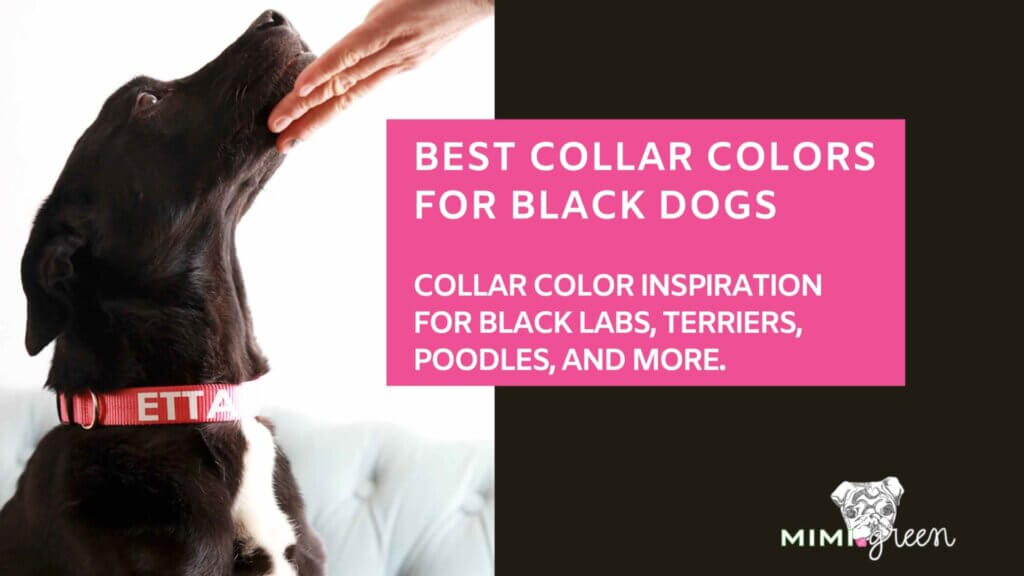
Helpful Resource -> Best Collar Colors For Black Dogs

For White or Light-Coated Dogs:

  • Deep hues create contrast: Navy, forest green, plum
  • Avoid beige or pale pastels that blend in

For Brindle or Multi-Colored Dogs:

  • Go bold and solid: Teal, burnt orange, jewel tones
  • Skip noisy patterns that clash with their natural coloring

Ready to Pick the Right Collar?


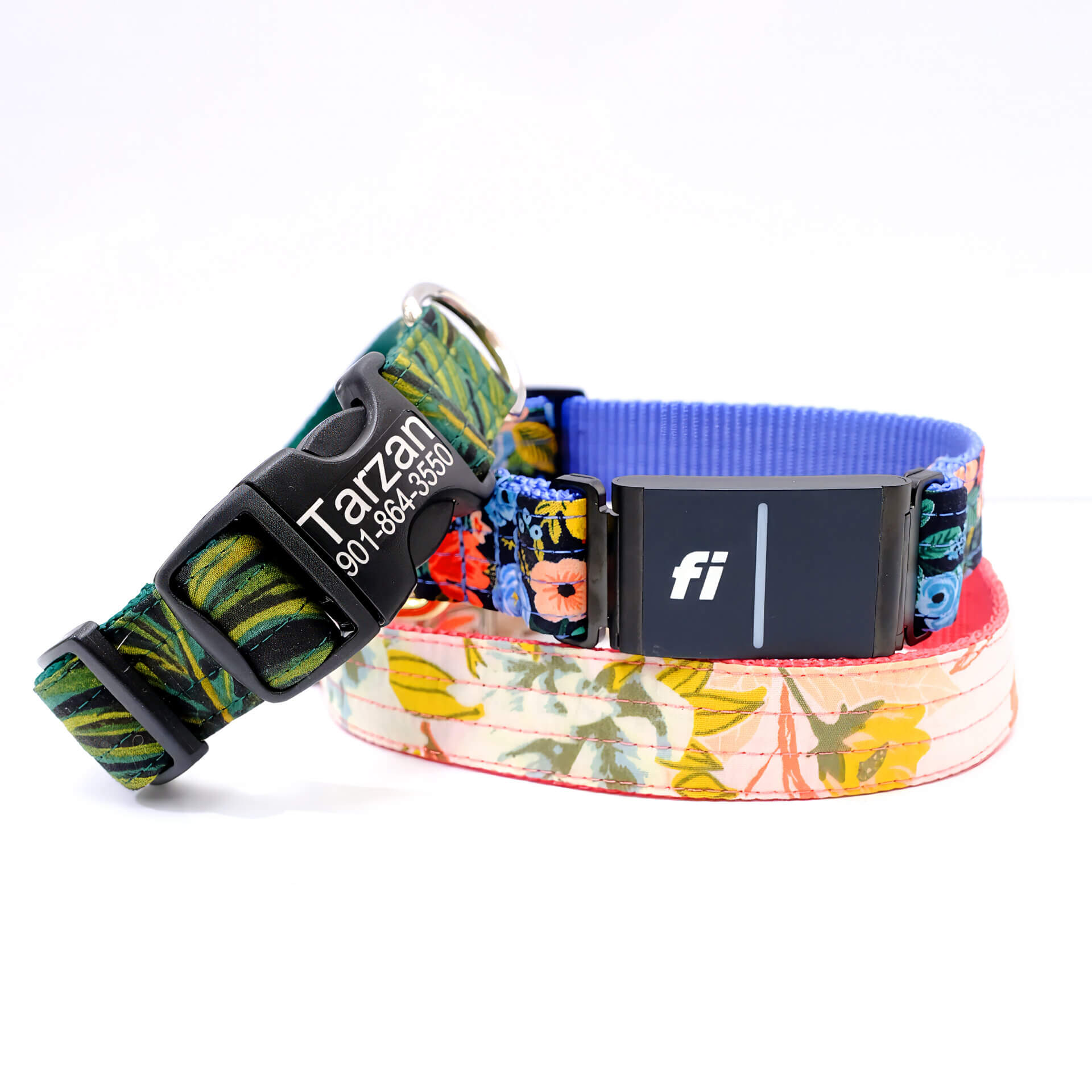
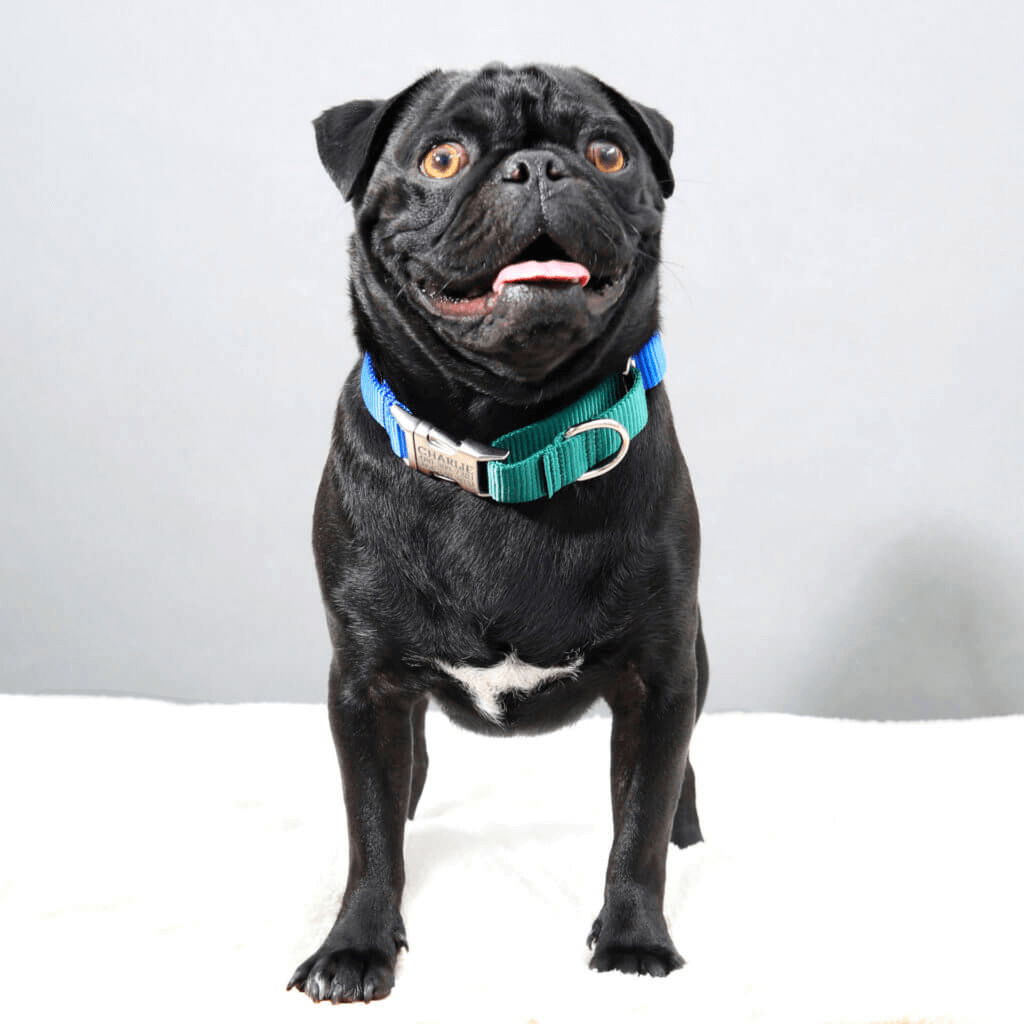
Fresh, functional, and full of personality: shop a Capri collar just like the photo personalized for your dog.

At Mimi Green, we help dog parents create the perfect blend of style, safety, and soul.

Here’s how we can help:

  • Custom Color Collections: Whether you want bold, bright, soft, or seasonal, we have a palette for every pup.
  • Built-in Visibility Options: Many of our collars include reflective or high-contrast features to keep your dog safe and stylish.
  • Matching Leashes, Tags & Accessories: Complete the look with coordinated gear, because your dog deserves a wardrobe, too.

Ready to find your dog’s color? 👉 Explore custom collars by color

Questions Pet Owners Are Asking

We hear these questions all the time, from first-time pup parents to seasoned pros.

  • Can dogs have favorite colors? Possibly. While dogs don’t see color the way we do, they can form attachments based on visibility and positive reinforcement.
  • Do colors affect dog behavior or happiness? Not directly, but if your dog can’t see a toy or collar clearly, they’re less likely to engage. Better visibility = more successful play and training.
  • Is it okay to choose based on coat or style? Absolutely. Just make sure the color contrasts enough to stand out, and if you love how it looks, your dog’s confidence will follow.
  • Should I rotate collar colors? Yes. Rotating colors keeps things fresh and lets you adapt for seasons, moods, or even matching your own outfits.

Best Dog Training Collars for Small Dogs

Training collars aren’t just for big dogs. Small dogs need just as much guidance and structure as their larger counterparts. 

In fact, small breeds can be even trickier to train due to their tendency toward territorial behavior and the temptation many owners feel to simply scoop them up instead of addressing issues through training.

The short answer is yes, small dogs absolutely benefit from clear communication and consistent reinforcement. Training collars, when used responsibly, provide an effective means of reinforcing commands and ensuring safety.

It’s vital to understand that training collars are tools, not shortcuts. They are meant to supplement good training practices, not replace them. Ethical use focuses on reinforcing known behaviors and ensuring your small dog’s comfort and wellbeing.

What Are the Best Dog Training Collars for Small Dogs?

Martingale Collars – Safe Control Without Choking

Martingale collars are a fantastic option for small dogs who tend to slip out of traditional collars. The gentle tightening mechanism offers more control without the risk of choking, making it ideal for escape-prone pups. However, it’s critical to note that martingales should never be left on an unsupervised dog.

Slip Collars – Minimalist Training Tool

Slip collars are another useful tool for training lead manners, especially for small dogs who need a little guidance during walks. These collars allow quick, gentle corrections but should only be used during supervised training sessions. For everyday wear, they are not recommended due to the potential choking risk if left unattended.

eCollars – Advanced Tools That Need Expert Guidance

eCollars (short for electronic collars) are not a product that we sell, but they deserve a place on this list because they may work in certain training contexts. With a skilled professional, they can provide targeted communication that supports behavior correction. Used improperly, though, they can confuse or stress your pup.

If you’re considering an eCollar, work closely with a positive-reinforcement-based trainer who understands your dog’s size and temperament. This tool is never a one-size-fits-all solution, especially for the littlest pack members.

Prong Collars – Controversial but Sometimes Effective

Prong collars tend to raise eyebrows. The metal links apply even pressure around your dog’s neck when they pull, which can be alarming if misused. For small dogs, we don’t generally recommend them. However, when introduced properly under a trainer’s supervision, some dogs can benefit from the structured feedback these collars offer.

Still, there are often gentler alternatives that achieve the same results without risk. If your pup is a puller, consider starting with a front-clip harness or a well-fitted martingale before exploring prong options.

We wrote a full article on the Types Of Dog Collars that’s way more in-depth and for all breeds/sizes.

Are Vibration Collars Safe for Small Dogs?

Pros:

  • Provides a gentle correction without shock.
  • Useful for recall or alerting behaviors.

Cons:

  • May not be effective for all dogs, particularly those who are highly anxious or desensitized.
  • Should not replace broader training strategies.

How to Choose the Right Training Collar for Your Small Dog

Key Considerations

  • Temperament and sensitivity: Some dogs require softer, more gentle tools, while others may need firmer guidance.
  • Weight: Always check weight limits. Some collars are unsafe for dogs under 5 lbs.
  • Training goal: Match the collar to your specific aim, whether it’s improving recall, leash manners, or curbing barking.

Material Matters

  • Opt for lightweight fabrics: Materials like Mimi Green’s velvet or waterproof Biothane prevent discomfort.
  • Choose hypoallergenic options: These reduce the risk of skin irritation, especially for dogs with sensitivities.

How We Do Training Collars Differently at Mimi Green

  • Custom options: Choose from engraved buckles, Custom Sizing, and embroidered names for personalization.
  • Durable hardware: Built to withstand everyday adventures and training sessions.
  • Stylish designs: Our collars blend fashion with function effortlessly.

Handmade in the USA for a Paw-fect Fit

Every Mimi Green training collar is handmade to order right here in the USA. We offer personalized sizing to ensure safety and comfort for your small dog. Whether you’re looking for soft velvet, durable Biothane, or classic leather, we have a wide selection tailored to your dog’s unique style and needs.

Ethical Craftsmanship

Unlike mass-produced options, Mimi Green collars are crafted with care. We never cut corners with cheap materials. Our commitment to fair wages and sustainable practices ensures that every collar is made with integrity, supporting our small team and community.

Style Meets Function

Our collars go beyond function, they’re a statement of your dog’s personality. Choose from engraved buckles, embroidered names, and a palette of colors and materials. Plus, our durable hardware means you can trust your collar to stand up to everyday adventures and training sessions alike.

Training Collars for Small Dogs Done Right

Training collars can be a safe, humane tool for small dogs when selected thoughtfully and used responsibly. The right collar supports your training goals while keeping your dog comfortable, secure, and stylish.

At Mimi Green, we’re proud to offer handcrafted training collars that combine safety, durability, and design. Made with love, care, and your pup’s individuality in mind, our collars help you and your dog communicate better while looking fabulous on every walk.

Ready to upgrade your training toolkit? Browse our Collars here!

Best Slip Lead for Dogs | Fit Guide & Custom Options

If you’ve ever wished for a leash that’s as quick and versatile as your dog is curious, you’re in the right place. Whether you’re a seasoned trainer needing fast, responsive control, a rescue dog parent easing your pup into new routines, or an everyday adventurer tired of soggy nylon and tangled gear.


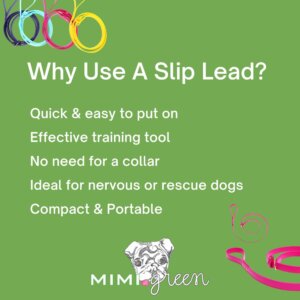
The best slip lead for dogs combines safety, comfort, durability, easy maintenance, and control. Vets recommend them for training but not prolonged walks.

What is a Slip Lead, and How Does it Work?

Slip leads are a clever combination of leash and collar in one seamless tool. This design makes them especially popular for training sessions and moments requiring quick application or removal.

When your dog pulls, the slip lead naturally tightens, offering immediate feedback. As your dog relaxes, the tension releases. This direct response mechanism helps guide behavior effectively without the need for multiple pieces of equipment.

Waterproof Biothane Slip Leads stand out for their durability and easy maintenance. When your dog pulls, the lead naturally tightens for immediate feedback; when relaxed, it loosens to avoid discomfort.

What’s The Best Slip Lead For Dogs?

So, which one should you buy?

The best waterproof slip lead for dogs combines durability, easy maintenance, and control. 

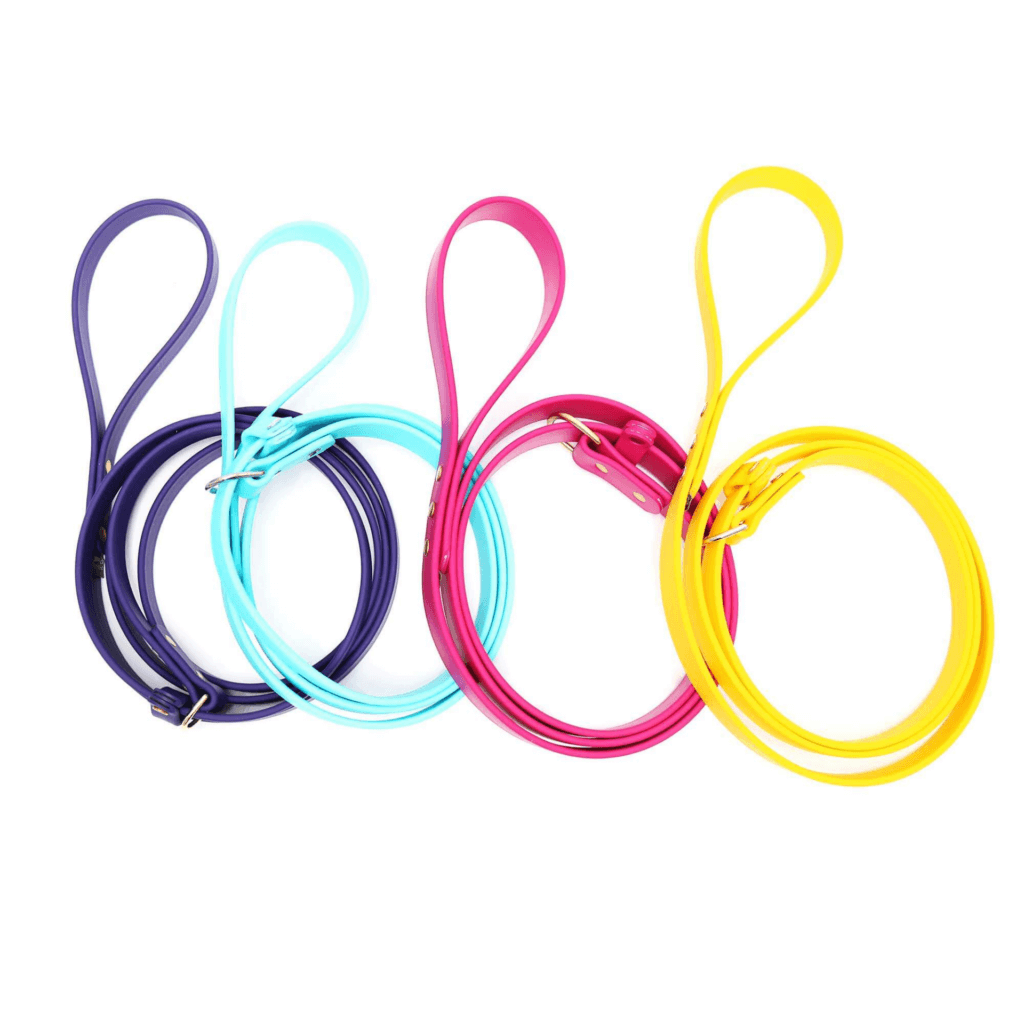
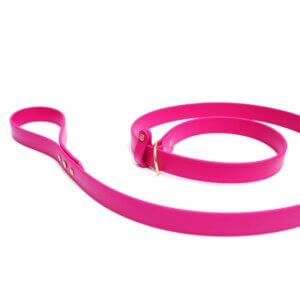
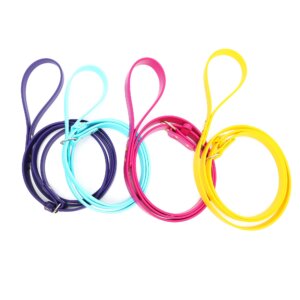
We recommend our Biothane Slip Lead Leash:

  • Waterproof & Odor-Resistant: Ideal for pups who love puddles, mud, or beach days—Biothane repels grime and stays stink-free.
  • Easy to Clean: Just wipe it down with soap and water. No scrubbing, no fraying, no fuss.
  • Soft Yet Strong: Unlike stiff plastics or scratchy nylon, Biothane is flexible and smooth in your hands while still holding up to daily use.
  • Durable Hardware: Outfitted with solid brass or stainless steel for a leash that won’t rust, weaken, or snap mid-walk.
  • Custom Colors & Sizes: Made-to-order in 22 vibrant colors and multiple widths, it’s as unique as your dog.

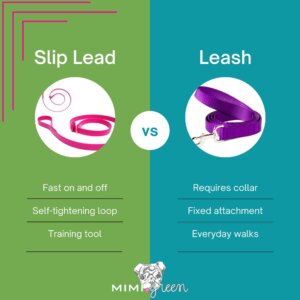
Slip Lead Vs Regular Leash

A slip lead is a single piece of rope or nylon with a loop on one end that goes around the dog’s neck and tightens with tension. It doesn’t require a separate collar.

Key Features:

  • Self-tightening loop: The leash tightens if the dog pulls, and loosens when the dog stops pulling.
  • Integrated collar: Acts as both leash and collar.
  • Used for quick control: Often used by shelters, rescues, groomers, and veterinarians.

The dog leash that you’re thinking about is a leash that clips onto a separate collar or harness.

Key Features:

  • Comes in different materials (nylon, leather, chain).
  • Typically 4 to 6 feet long.
  • Clips onto a D-ring on a collar or harness.

Should You Use a Slip Lead? Vets and Trainers Weigh In

Do Vets Recommend Slip Leads?

Yes, veterinarians and professional trainers often recommend slip leads for controlled training and specific scenarios, such as obedience classes or brief outings requiring quick control. This blog from Clark Fork Veterinary Clinic edifies the use of slip leads.

However, for dogs with respiratory concerns or habitual pulling behaviors, most experts advise against slip leads. These dogs may benefit more from equipment designed to distribute pressure safely, such as harnesses.

Is a Slip Lead Better Than a Harness?

Both tools serve distinct purposes. Slip leads excel in situations where fast application is required and temporary control is the goal, such as with working dogs or during initial training.

Harnesses, on the other hand, are the preferred choice for dogs prone to pulling or for extended walks. They distribute force across the chest and shoulders rather than concentrating it on the neck, reducing the risk of injury.

What’s the Best Thickness for a Slip Lead?

General Rule of Paw

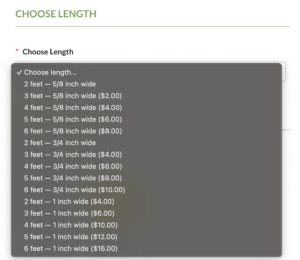
You can choose from a variety of lengths and widths on our website when buying your Biothane Slip Lead.

Slip lead thickness significantly impacts both comfort and control. For small breeds, a 5/8″ diameter lead is often ideal, offering sufficient control without overwhelming the dog.

For medium to large breeds, a thicker lead, ranging from 3/4″ to 1″, provides the strength and durability necessary to manage more substantial pulling forces.

Why Diameter Matters

Leads that are too thick can cause discomfort and limit precise control. On the other hand, leads that are too thin may risk injury, fray easily, and lack the durability required for regular use.

One Lead, Many Uses: How Our Slip Lead Fits Every Walk

For Training Sessions

Need reliable correction and quick feedback? Our Biothane slip lead offers the gentle tightening action trainers love, without bulky hardware or extra clips. The adjustable stopper ensures a snug, custom fit, perfect for structured lessons and obedience work.

For Nervous or Rescue Dogs

Anxious pups often need simplicity. Our slip lead slides on in seconds, eliminating the stress of multiple buckles or harness fittings. It’s especially helpful for dogs adjusting to new environments or who are wary of traditional gear.

For Messy, Mud-Loving Dogs

Puddles? Streams? Mud pits? Bring it on. Our waterproof Biothane material shrugs off the mess and wipes clean with ease. It won’t fray, smell, or hold bacteria—so it’s ready for your next romp, rain or shine.

For Eco and Style-Conscious Owners

Handmade to order in vibrant colors and premium hardware, our lead is as stylish as it is functional. Plus, because we only make what’s needed, you’re supporting a low-waste, ethical production model that’s good for the planet and great for your pup.

For Everyday Adventures

Whether it’s a trip to the vet or a walk around the block, our slip lead is the all-in-one tool that simplifies your routine. Strong, secure, and made with love right here in the USA—it’s the leash you’ll reach for every time.

What to Look for in a Slip Lead

Key Features

When selecting a slip lead, focus on features that balance functionality, safety, and longevity. The material is paramount: Biothane and rope are standout choices. Biothane is ideal for its waterproof, odor-resistant, and easy-to-clean properties, making it perfect for dogs who love outdoor adventures. It maintains flexibility without fraying, even under frequent strain.

Rope also remains a preferred choice for its natural strength and pliability, offering excellent handling comfort. Both options outperform common materials like flat nylon, which can degrade and become uncomfortable over time.

An adjustable stopper keeps the lead secure and prevents overtightening, protecting your dog’s neck while ensuring reliable control.

Additionally, prioritize leads with reinforced stitching and premium hardware, such as brass or stainless steel rings. These details significantly enhance the lead’s durability and provide confidence during training and daily walks.

Comfort Considerations

Your dog’s comfort should never be compromised. Look for a lead that’s wide enough to distribute pressure evenly, reducing the risk of skin irritation. Materials like soft rope or smooth Biothane minimize friction injuries, ensuring a safer, more pleasant experience for your dog.

Common Worries Pup Owners Have About Slip Leads

Will the Slip Lead Fall Down My Dog’s Neck?

It can, particularly if it’s not fitted properly. A loose slip lead may slide down to the shoulders, reducing effectiveness and increasing the risk of injury.

Solution: Always position the loop high on the neck, just behind the ears, and use the adjustable stopper to secure it in place. This not only maintains control but also protects your dog from unnecessary strain.

Are Slip Leads Safe for Pullers?

Slip leads are not recommended for dogs that pull excessively. A determined puller can drop their head and cause the lead to slide to their shoulders, negating its effectiveness and risking injury.

For these dogs, martingale collars or well-fitted harnesses provide safer, more secure alternatives. These options help maintain control while distributing pressure more safely across the dog’s body.

Step-by-Step Guide: How to Properly Fit and Use a Slip Lead

  1. Place the loop high on your dog’s neck, just behind the ears. This position offers optimal control and minimizes the risk of the lead sliding down.
  2. Tighten the stopper to secure the lead. It should be snug but not restrictive, allowing for smooth corrections without discomfort.
  3. Monitor your dog for any signs of distress or discomfort during use.
  4. Use the slip lead for short durations or structured training sessions only, rather than as an all-day walking tool.

Alternatives to Slip Leads: When to Consider Other Tools

Martingale Collars

Martingales are an excellent alternative for dogs that pull or back out of collars. They offer more controlled tightening without the risk of the lead sliding down the neck, making them safer for dogs who require additional restraint.

Head Collars and Harnesses

For long walks or when managing behavioral challenges, head collars and harnesses provide superior control. They distribute pressure across the body rather than concentrating it on the neck, reducing injury risk and improving overall comfort.

These tools are particularly beneficial for excessive pullers or dogs with respiratory sensitivities, where slip leads may not be suitable.

Ready to Try the Mimi Green Waterproof Slip Lead?

waterproof slip leashes

If you’re looking for a slip lead that’s durable, stylish, and easy to clean, our Waterproof Biothane Slip Lead is the perfect solution. Designed for quick application and smooth training sessions, this slip lead combines flexibility with strength, ideal for dogs who love outdoor adventures in any weather.

Why Choose Our Waterproof Slip Lead?

  • PVC coated polyester Biothane webbing
  • Solid brass or stainless steel hardware
  • Durable, weather resistant, smell proof and waterproof
  • Wipes clean with soap and water
  • Available in 3 widths
  • Available in 22 colors vibrant colors
  • Has a great leather look without the maintenance of leather
  • Handmade in the Mimi Green studios

👉 Shop the Waterproof Biothane Slip Lead Now


Best Collar Colors For Black Dogs

The “best” collar color for a black dog is subjective, especially since they look good in just about anything. The great thing about their coat collar is every color (except black) will stand out.

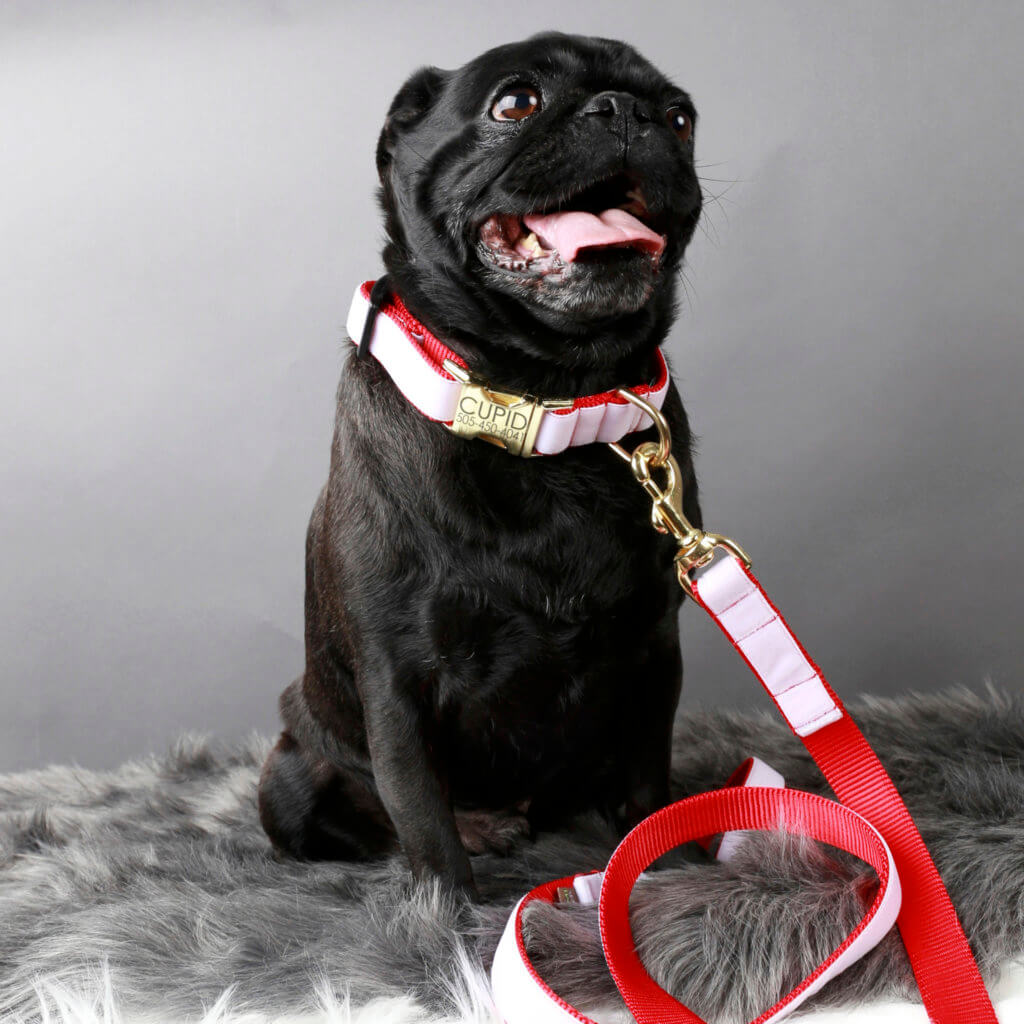
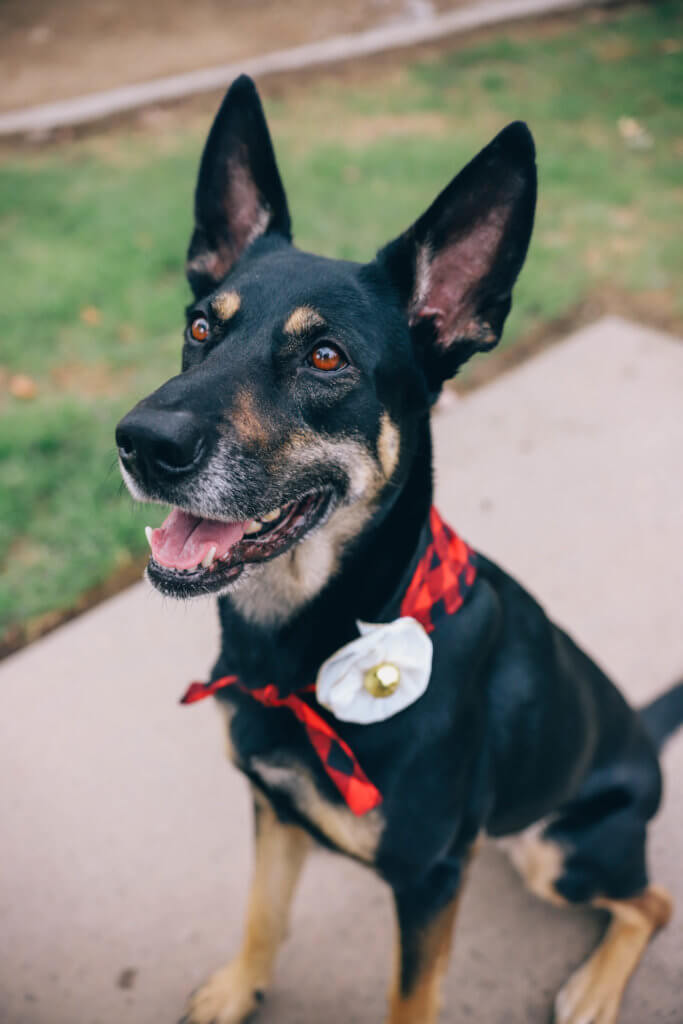
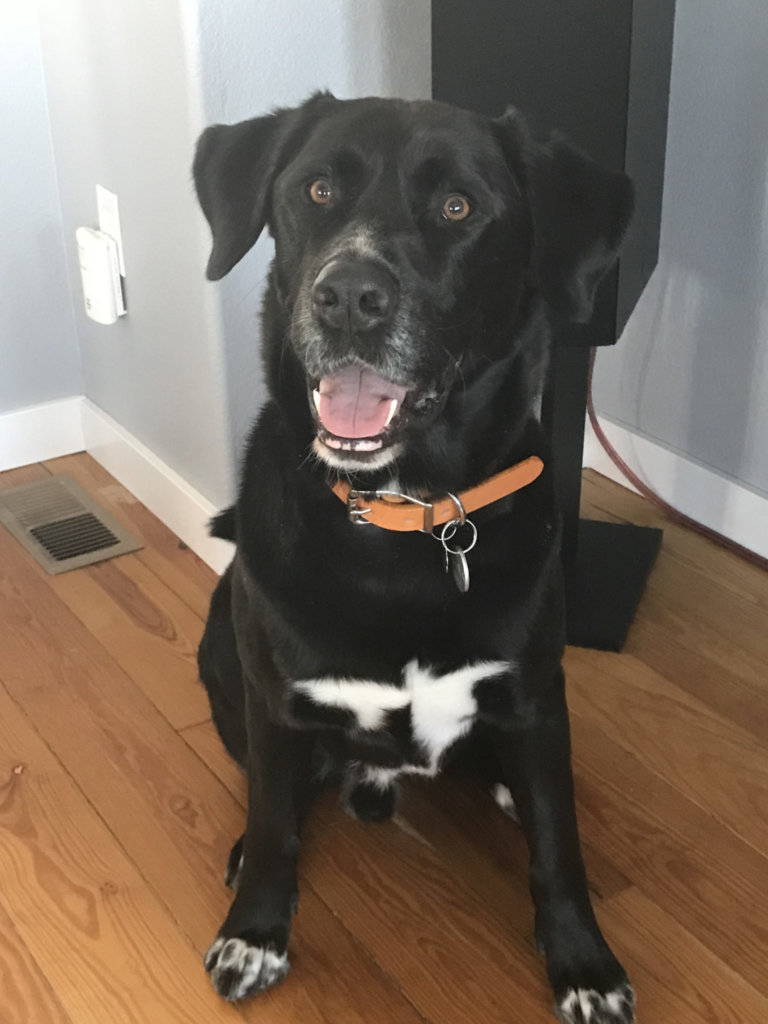
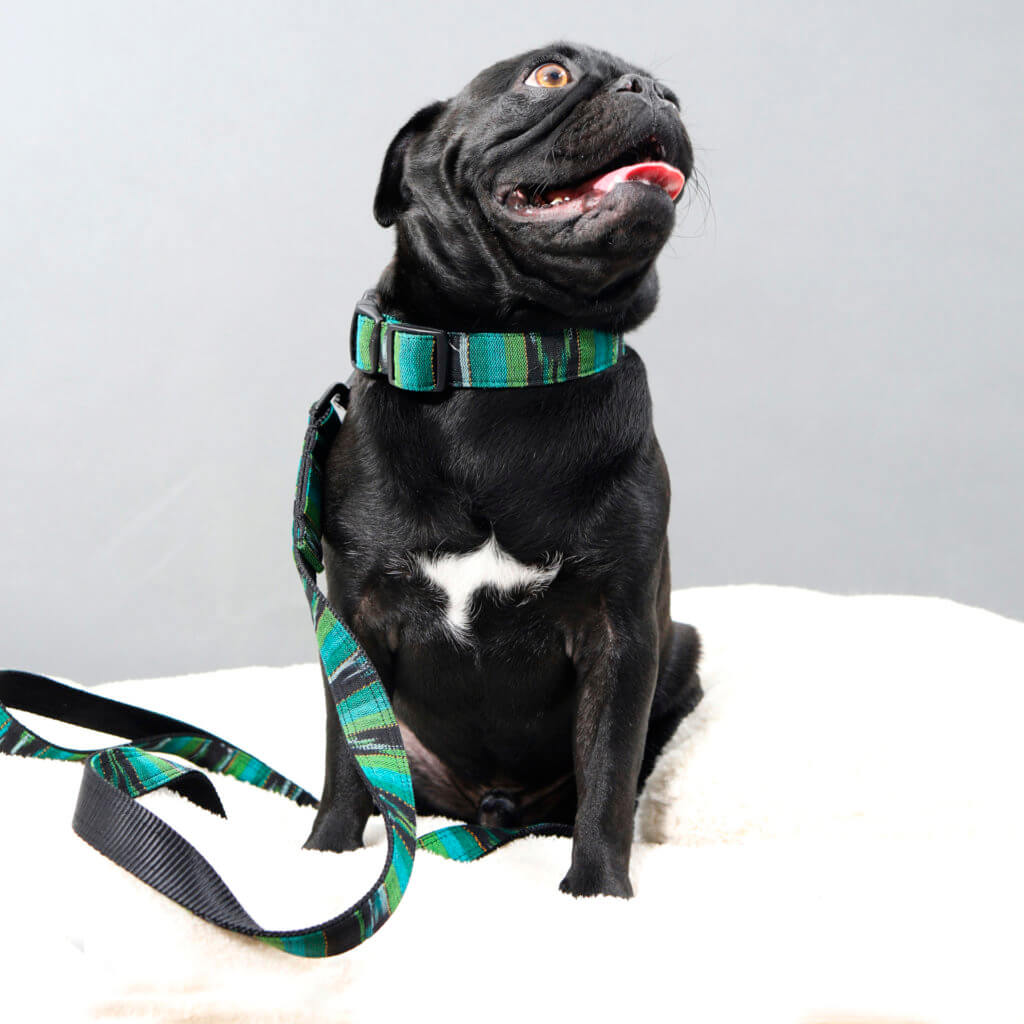
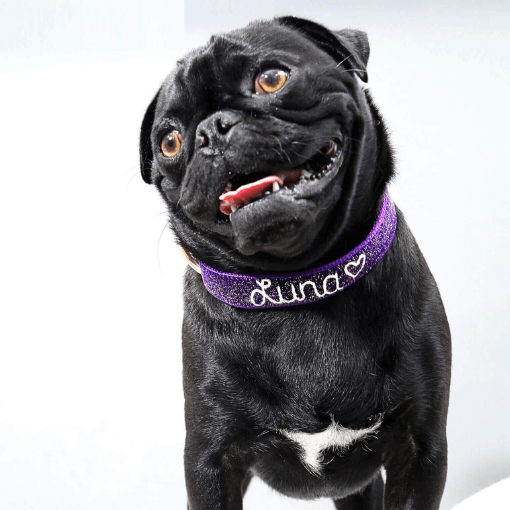
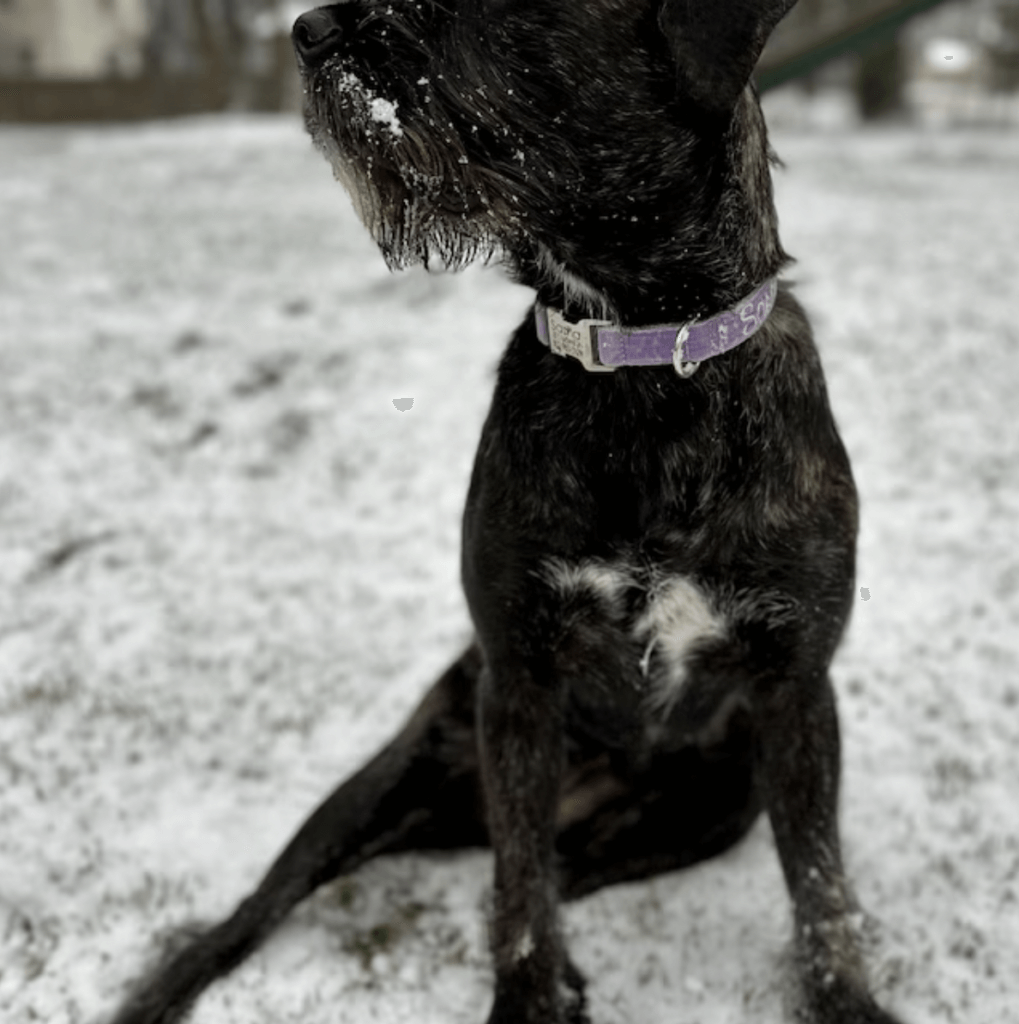
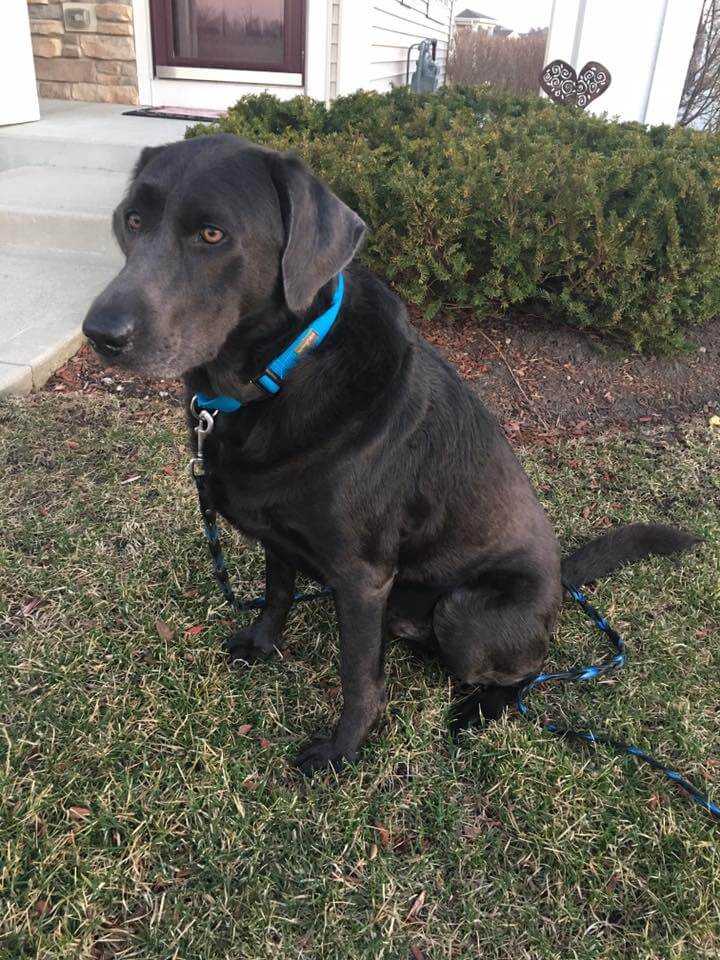
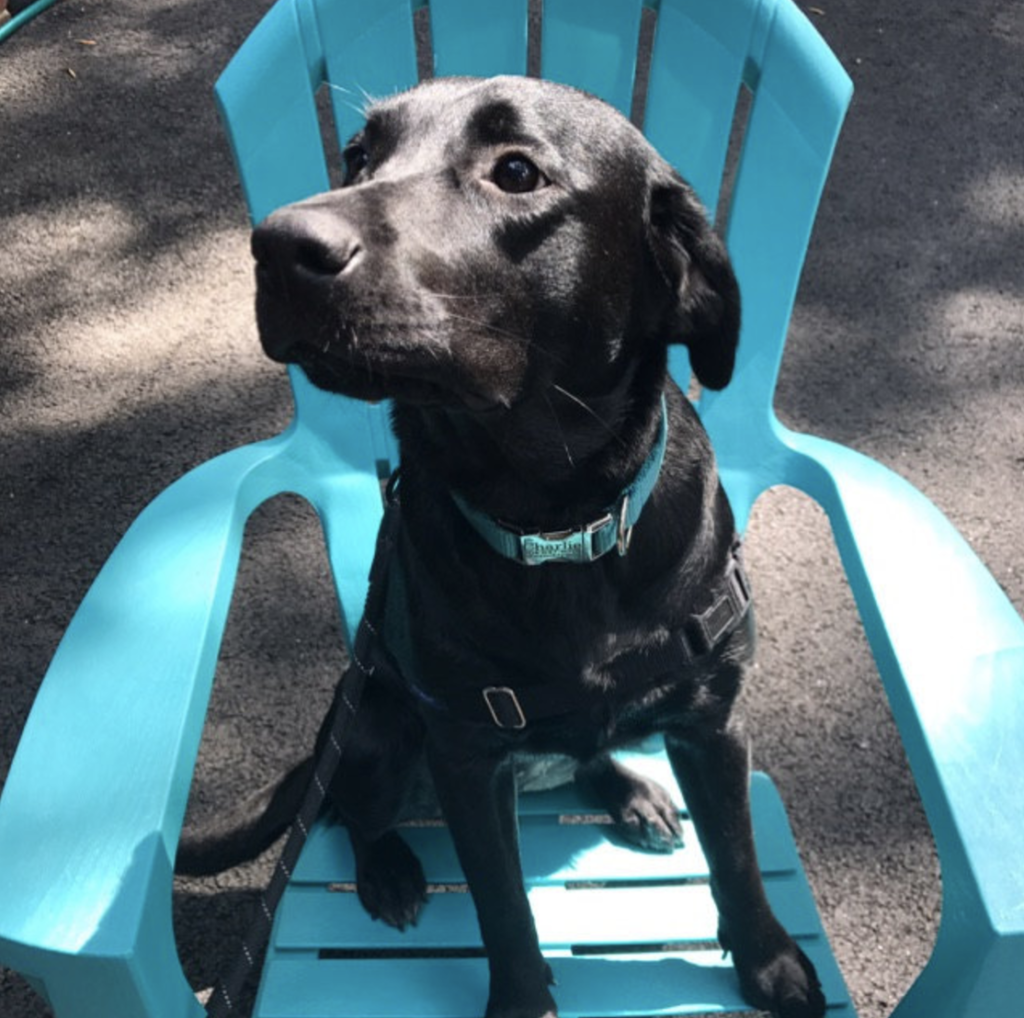
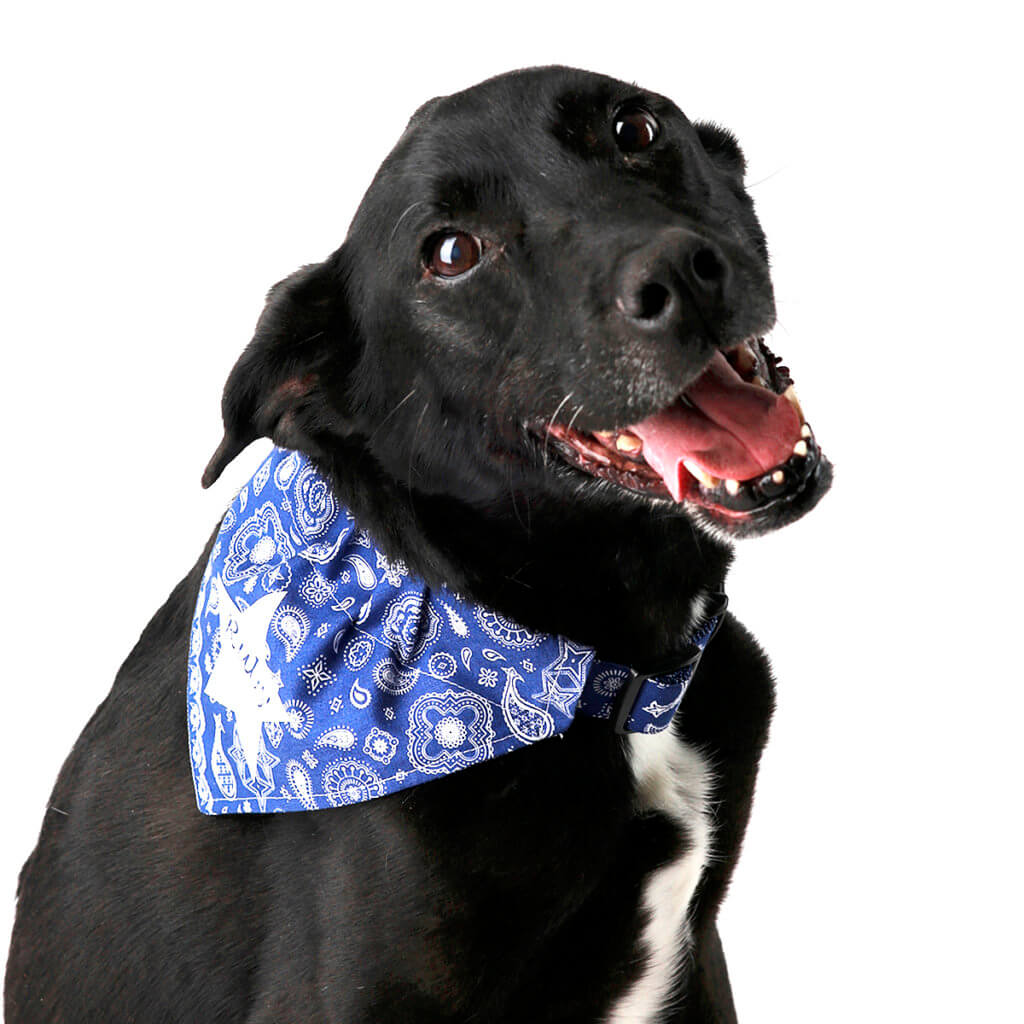
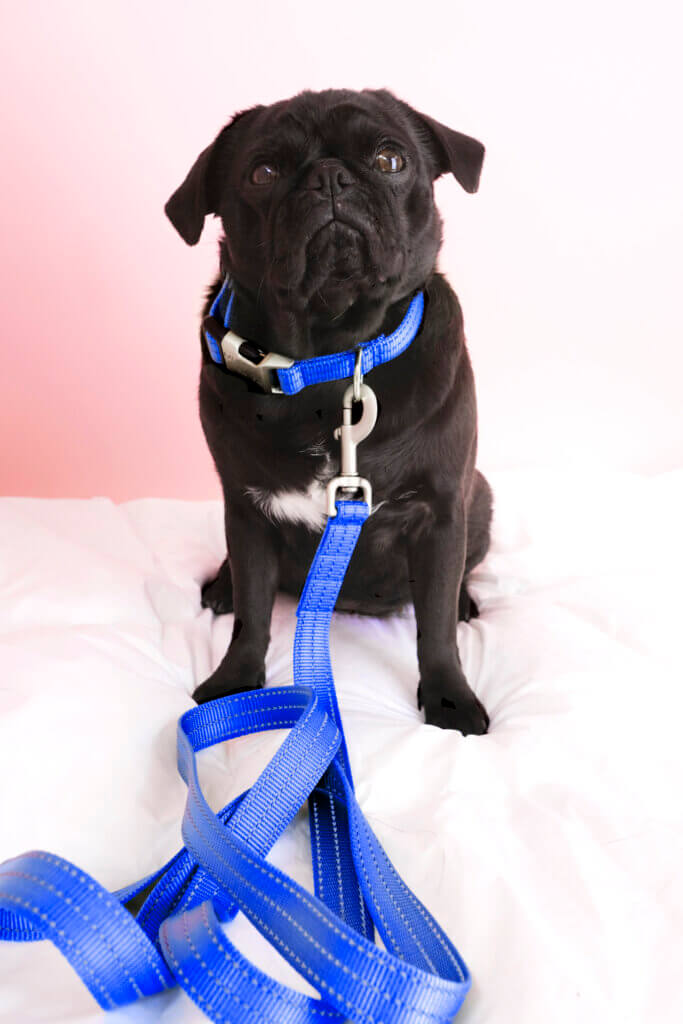
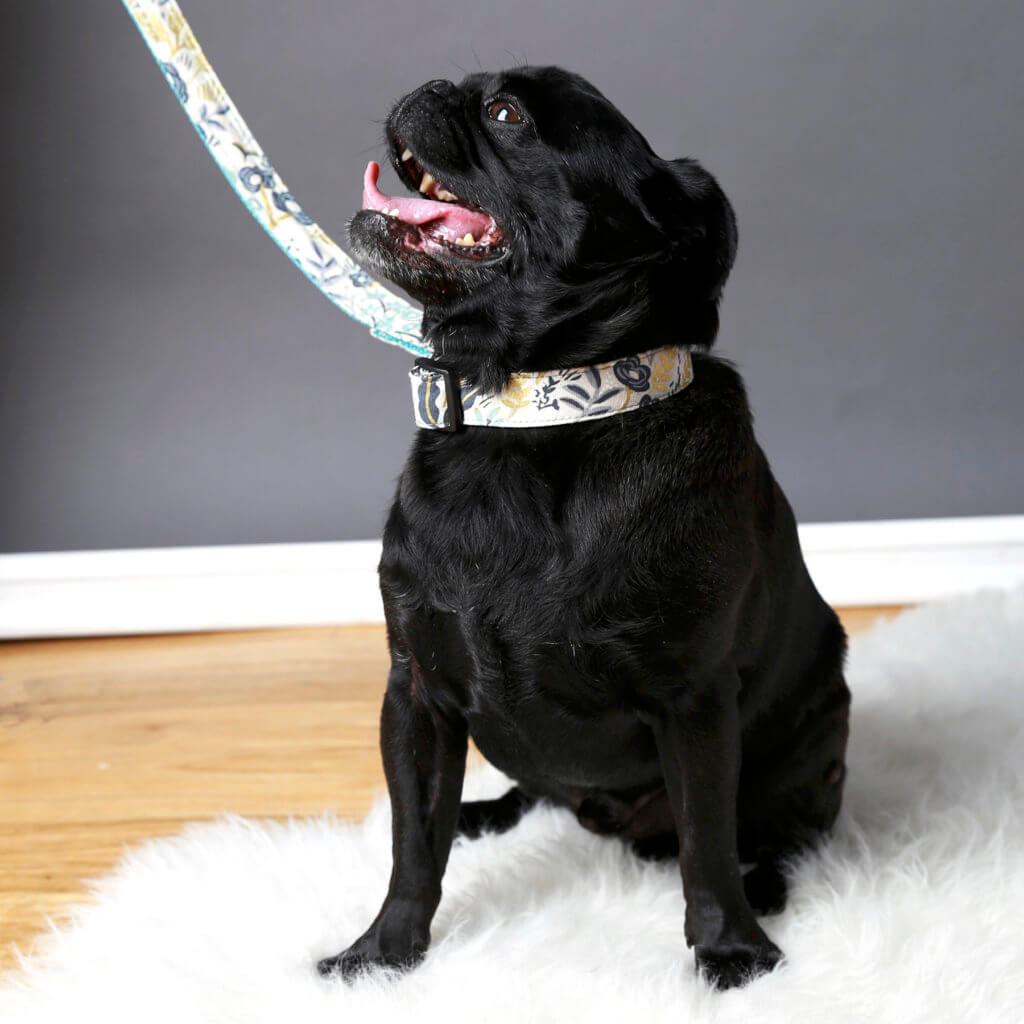
To help you find inspiration, look at some of our favorate color combinations worn by Mimi Green pups. These collars will look great on Labrador Retrievers, Terriers, Rottweilers, Pugs, Poodles, Great Danes, and more.

Pink

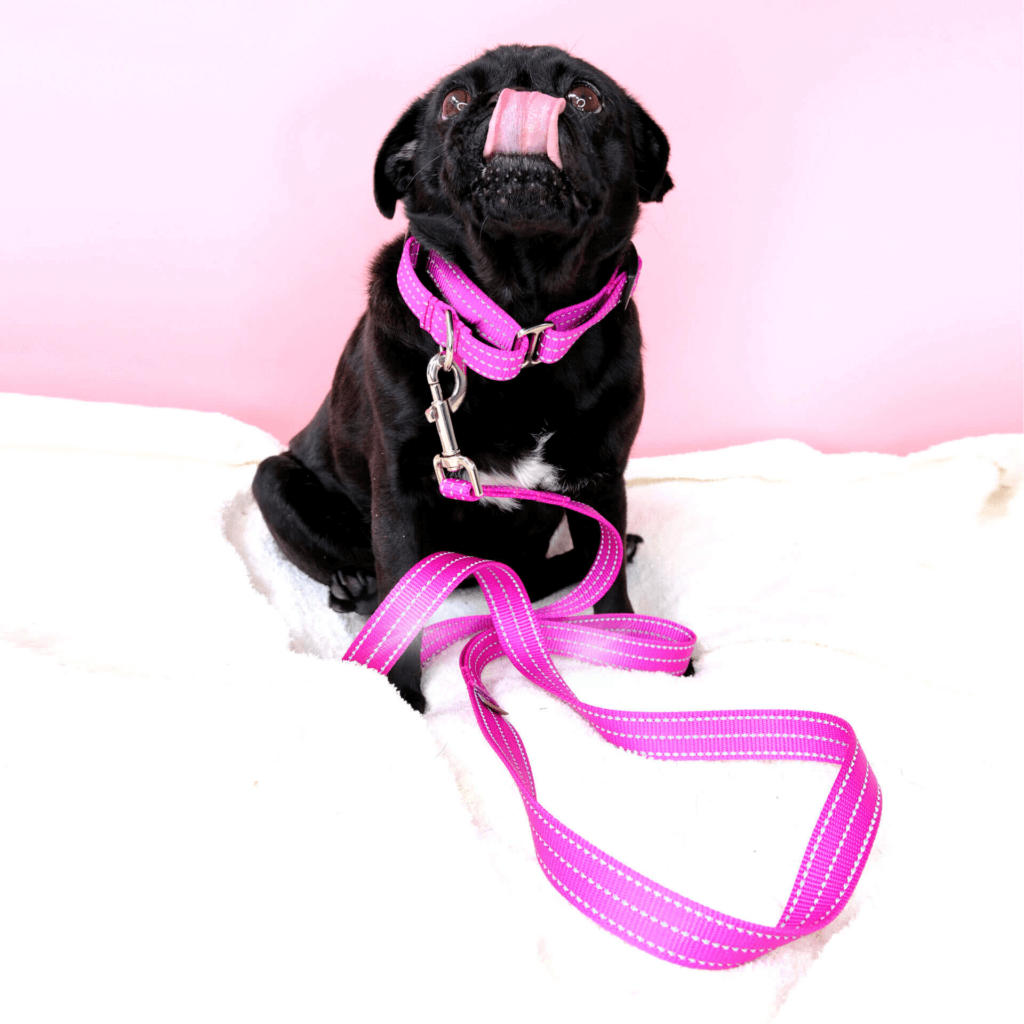
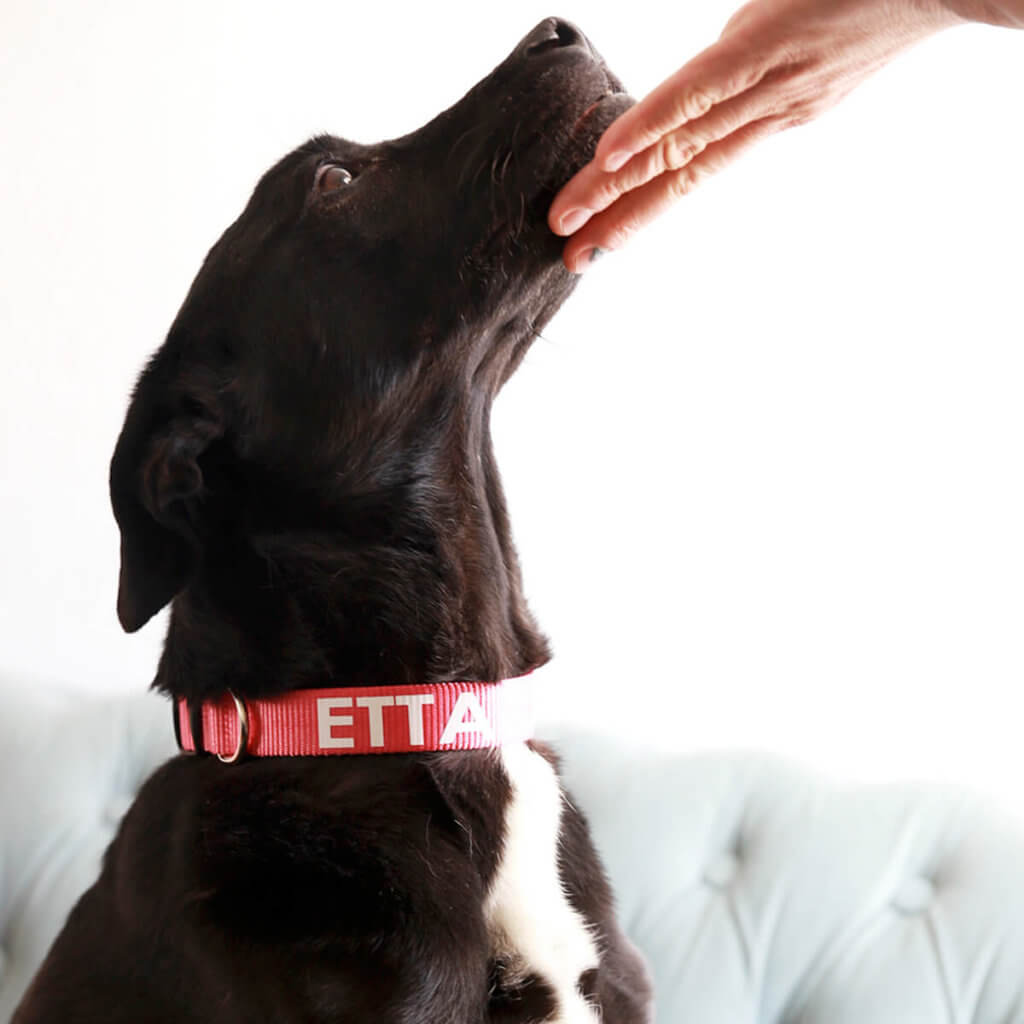
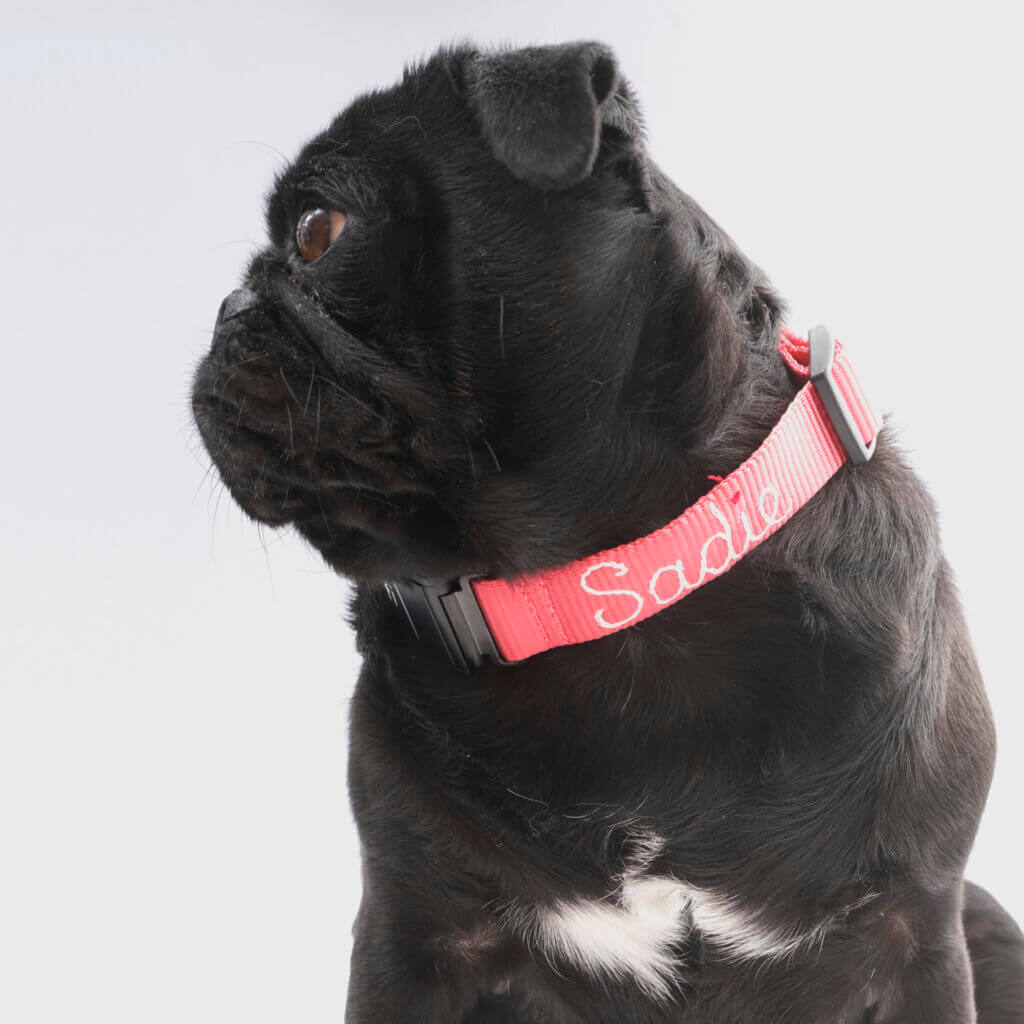
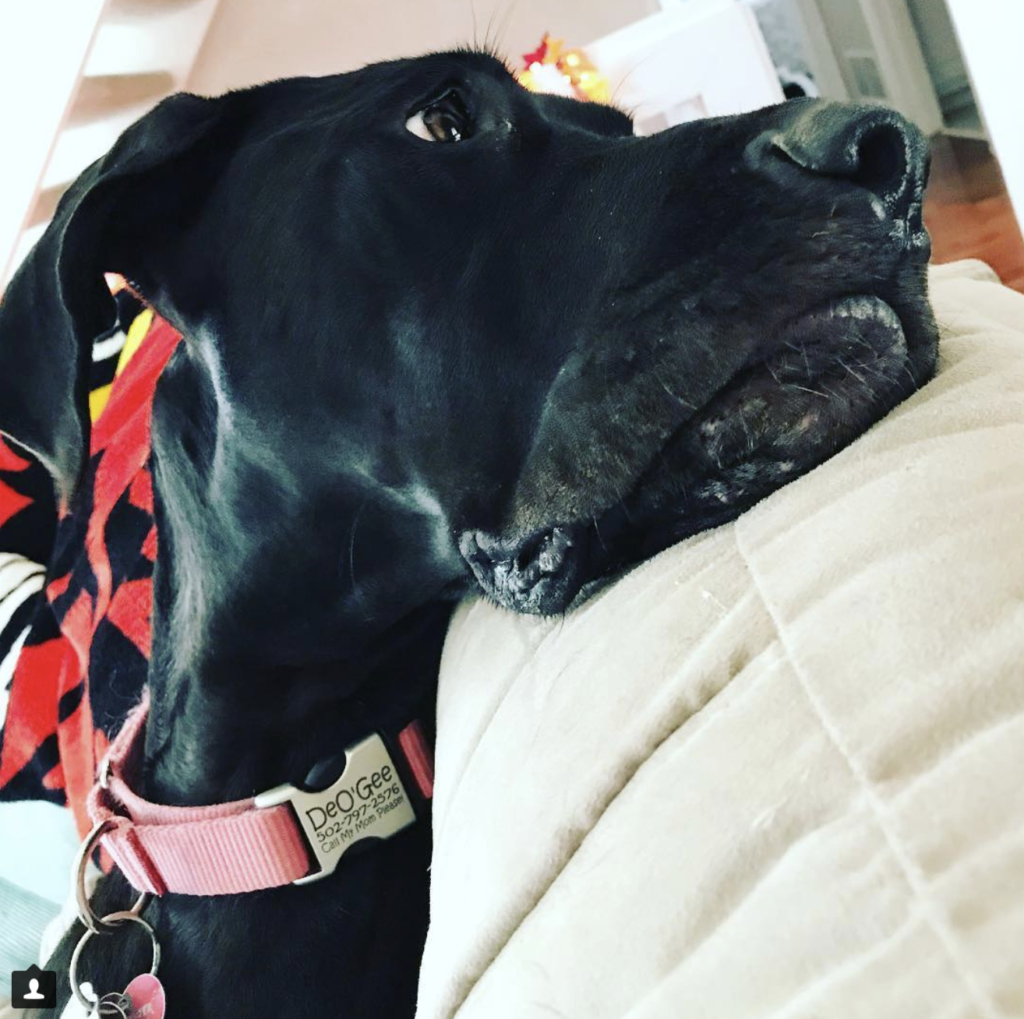
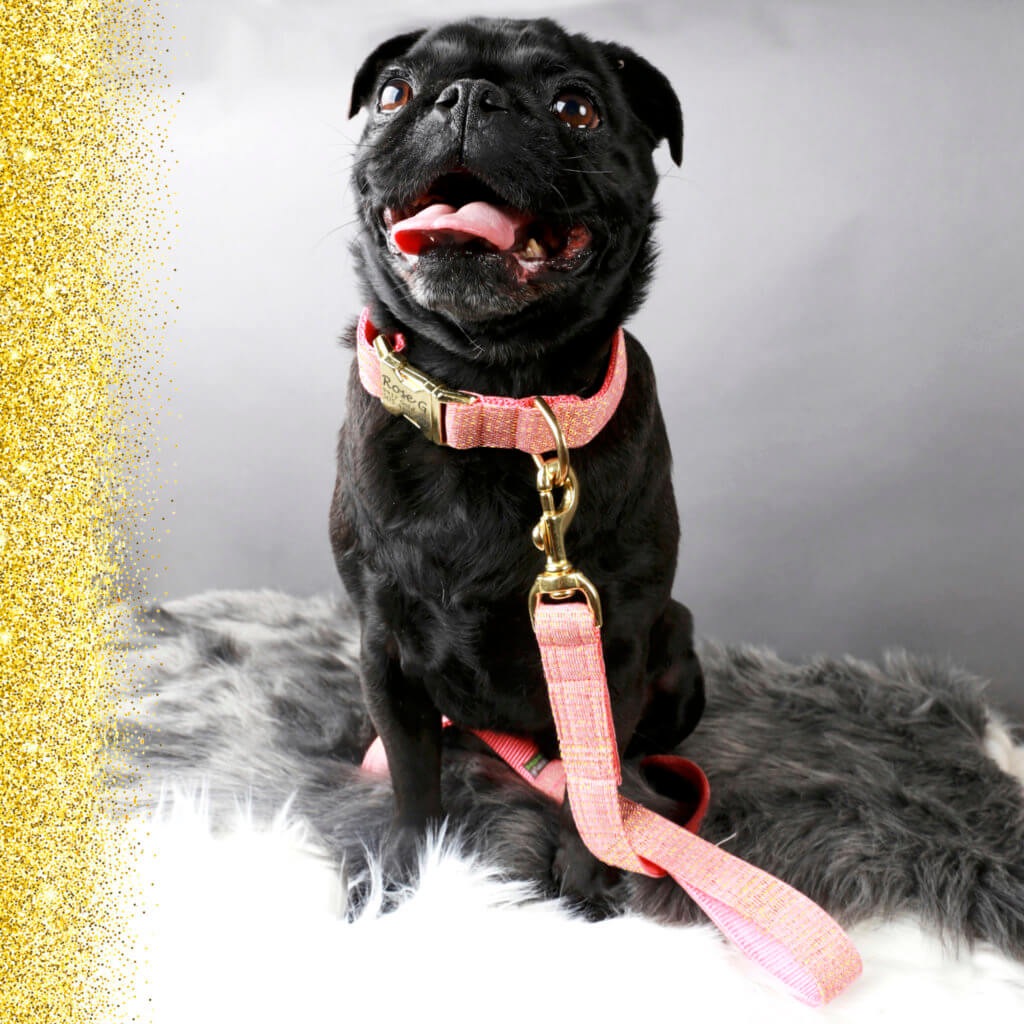
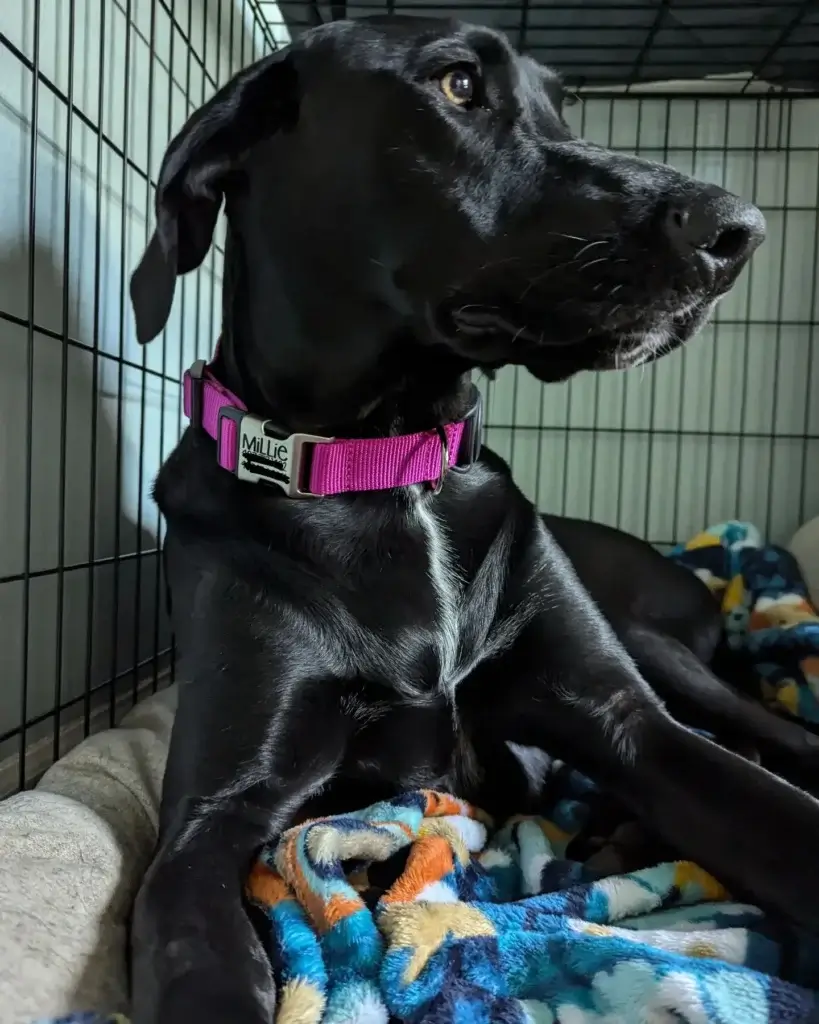
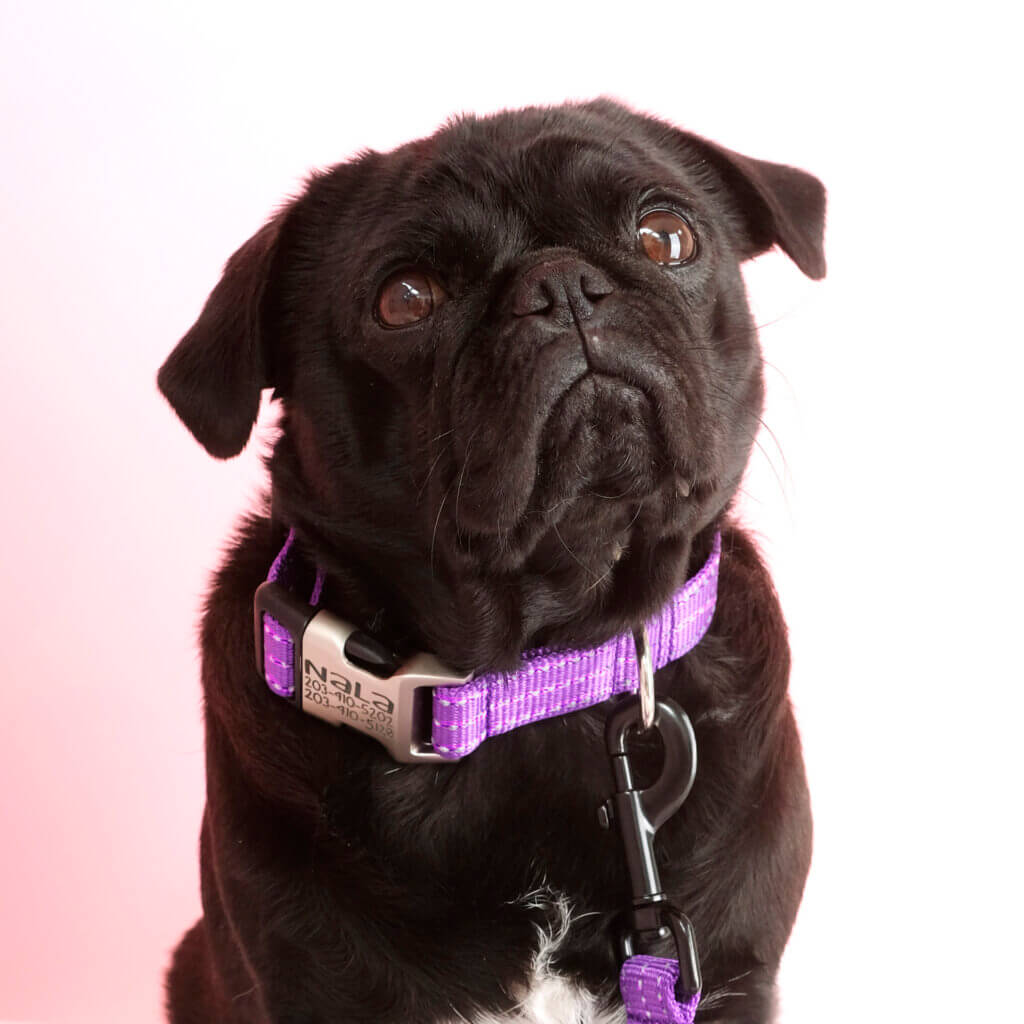
Don’t you agree that these puppers look dashing in pink? Bright colors really contrast well on a black coat.


Shop Pink Dog Collars

Red

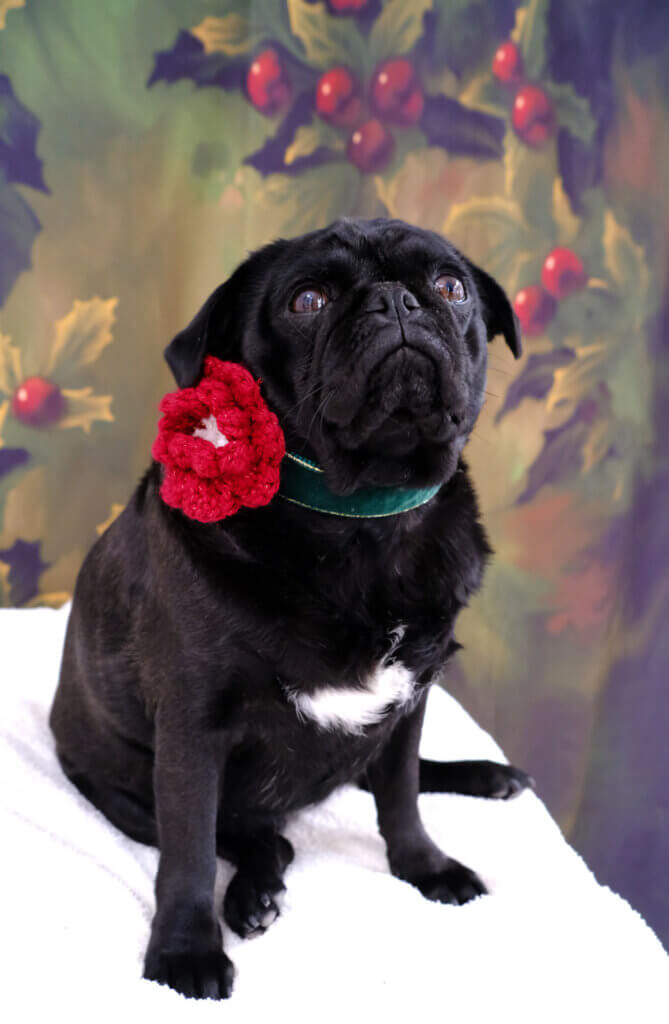
Bright jewel tones like red look great against a black and white coat. These red collars look like a red bow tie on a tuxedo. What a classic! 


Shop Red Dog Collars

Orange

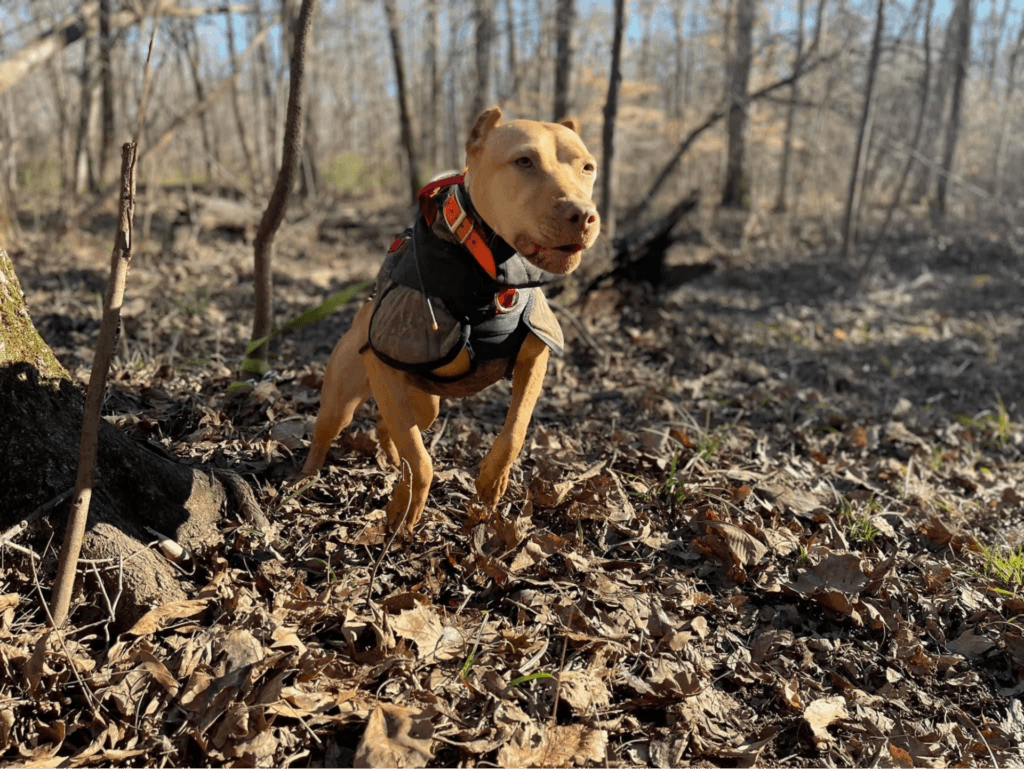
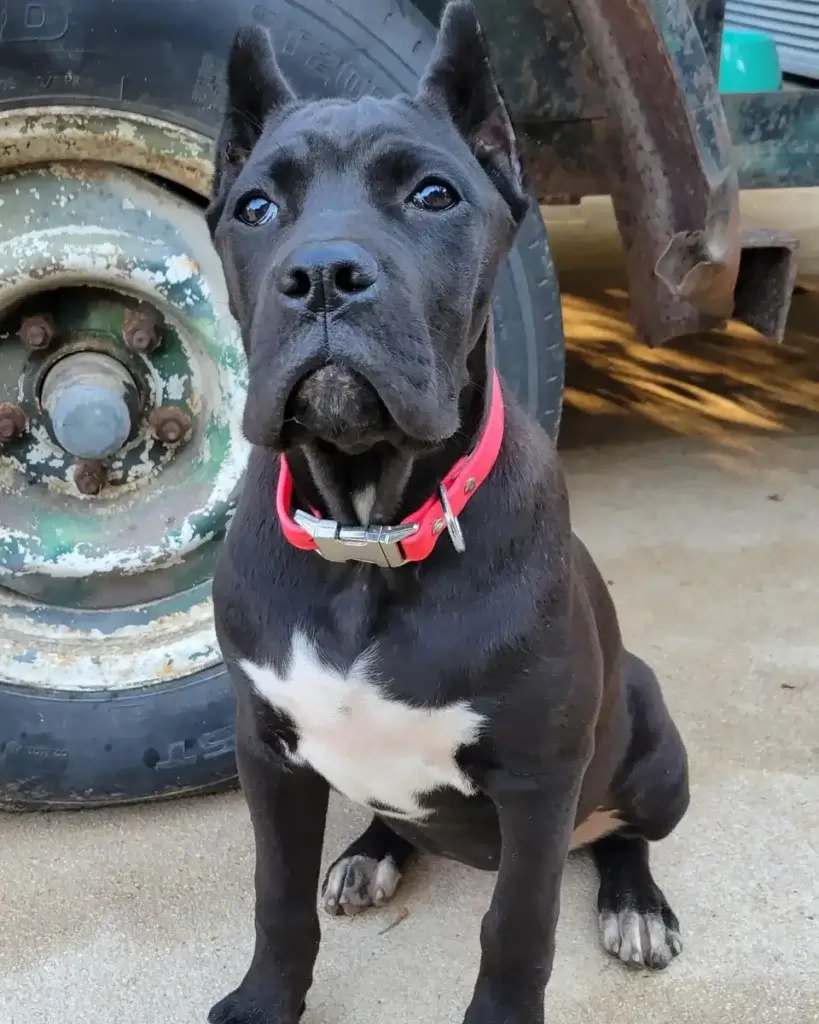
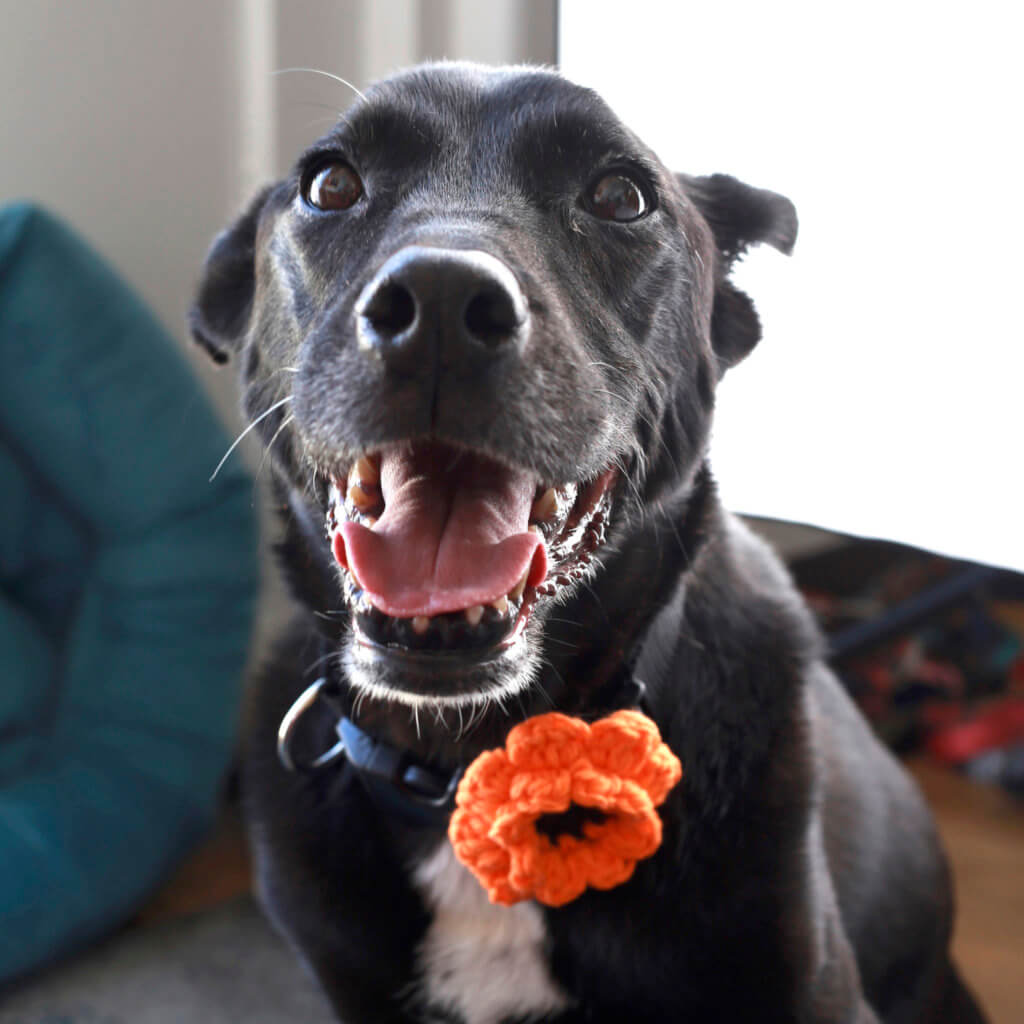
Orange is another great collar on black coats. Brightness wins again! If you hunt our spend time outdoors, then you need an orange hunting collar for your pup. It’s unfortunately easy for people to mistake black dogs for black bears. Orange is a safety color which can help hunters identify non-targets.


Shop Orange Dog Collars

Yellow

Yellow stands out, and it’s easy to find when you’re in the rush to head out with your pup.


Shop Yellow Dog Collars

Green

Other pups will be green with envy when they see your dog in a beautiful green collar. Sorry, that was a bad pun.


Shop Green Dog Collars

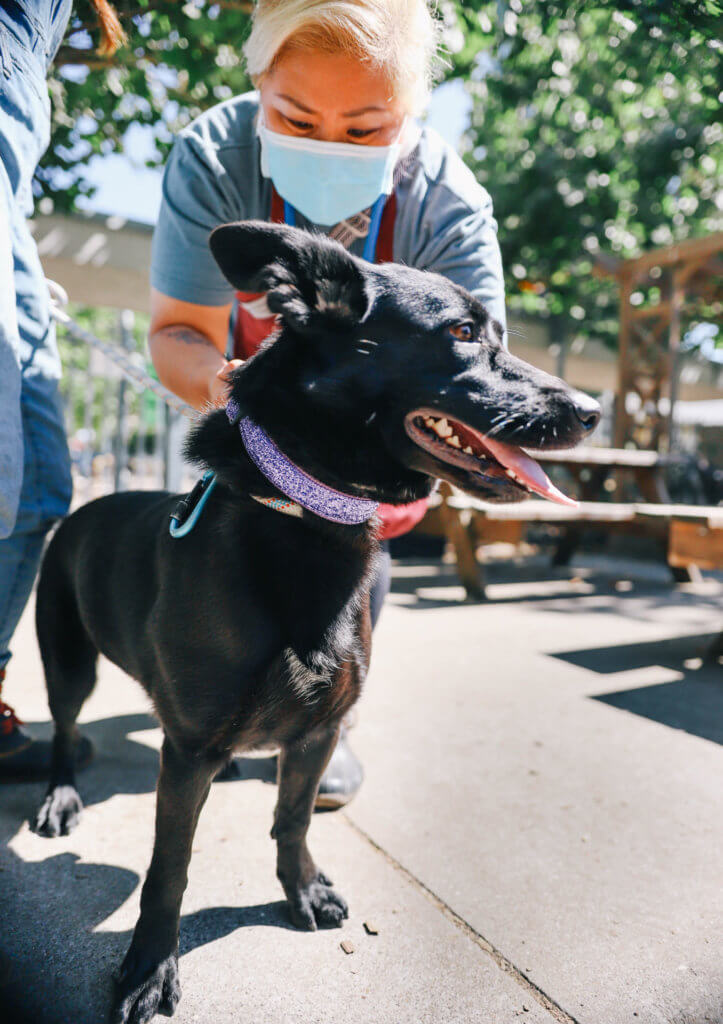
Purple

That feeling when mom comes home with a brand new purple dog collar!


Shop Purple Dog Collars

Blue

Baby/sky blue looks amazing on black fur!


Shop Blue Dog Collars

White

White is a beautiful contrast with a black coat.


Shop White Dog Collars

Bonus: Bandanas, Bow Ties & Flowers

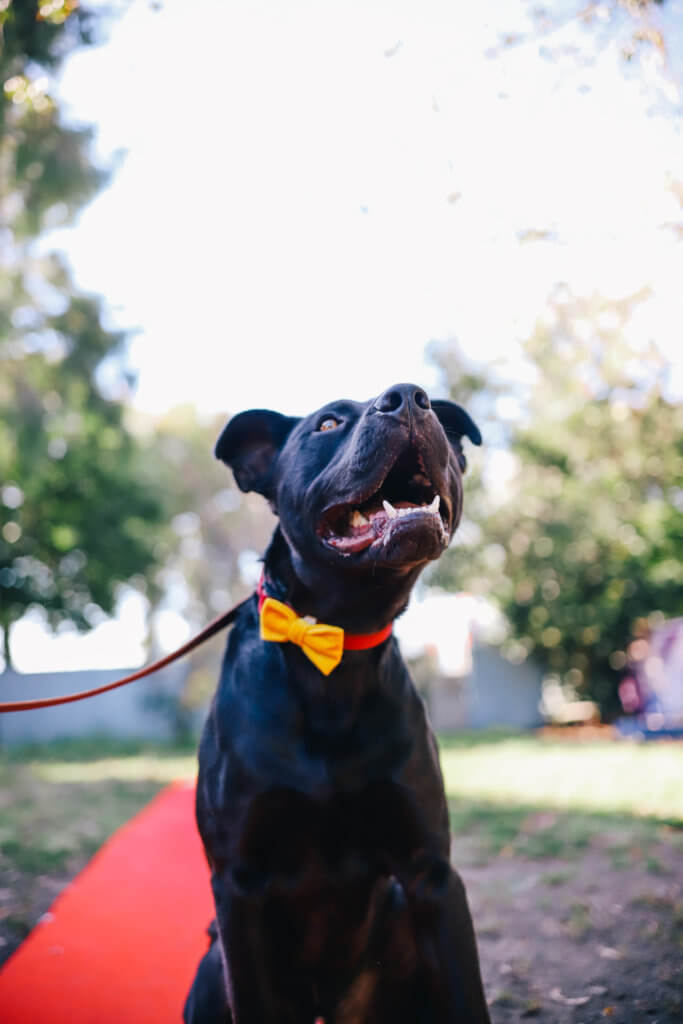
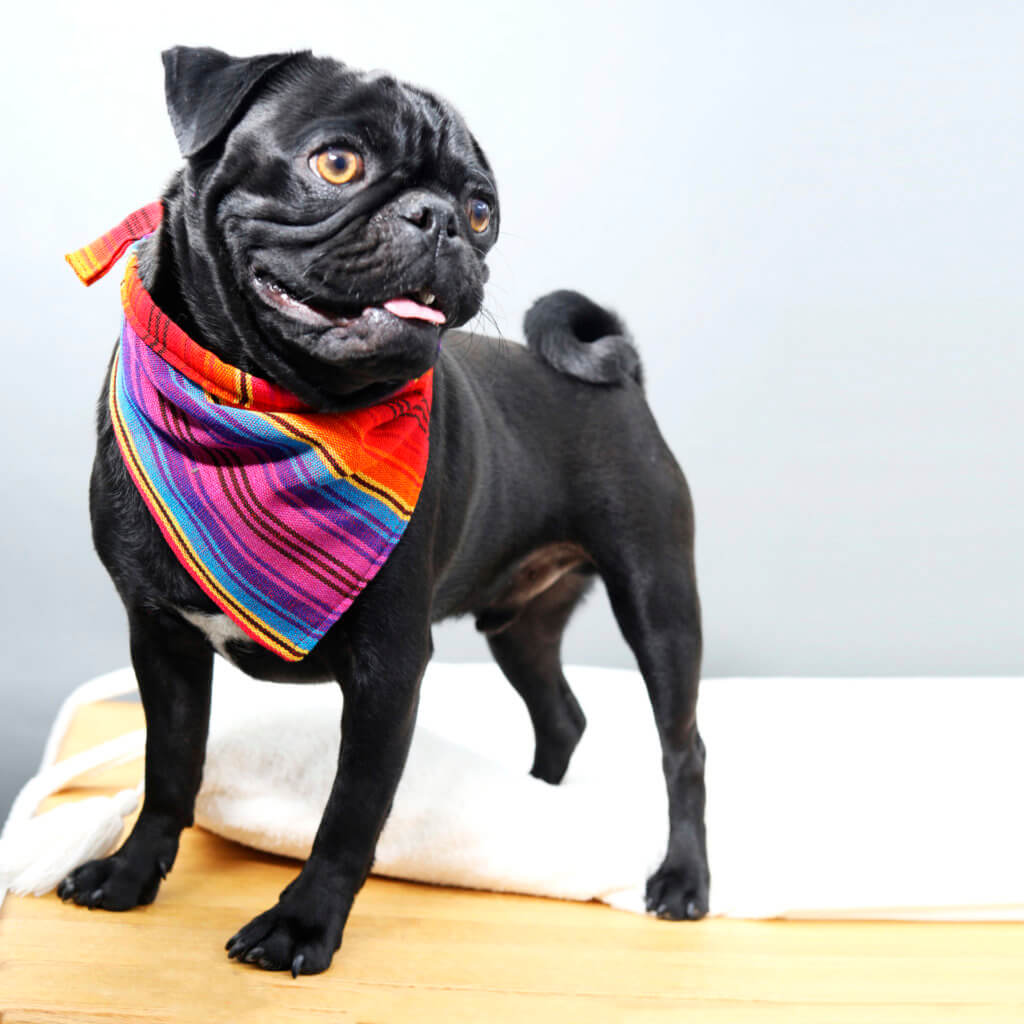
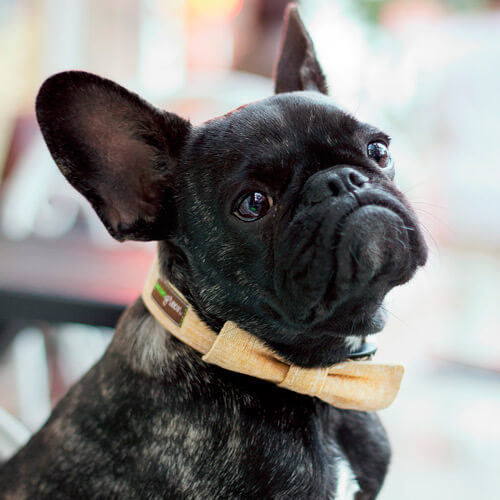
If you’re set on a collar, or already have one, you don’t have to stop accessorizing. Bandanas, bow ties, and flowers can help you show your dogs unique personality.

Best Collars For Sensitive Skin | Hypoallergenic Options

Finding the right collar for a dog with sensitive skin can be a challenge for pet owners. We wrote this guide to help simplify choosing the best collar for your pup. There are tons of collars designed for dogs with sensitive skin.

The question is…

What material and design features should you look for?

What To Look For In Sensitive-Skin Friendly Collar

  • Hypoallergenic Material: Hypoallergenic material can reduce the risk of allergic reactions and irritation. They’re gentle on the skin, free of harsh chemicals, and low friction. Options include leather, neoprene, biothane, silk, and hemp.
  • Breathable: Breathable dog collars allow air to circulate freely, reducing moisture buildup and heat retention. Lightweight and flexible mesh or perforated fabrics promote ventilation.
  • Gentle On The Skin: Rigid, frayed collars can cause discomfort and sores. Durable materials are essential because frayed collars can exacerbate skin irritation and lead to infections. Opt for collars made from high-quality materials that maintain their smoothness over time.
  • Adjustable Fit: Collars that are too tight, loose, wide, or thin can cause rashes. Tight collars irritate the skin through constant friction. The edges of a too-wide collar may hit the skin instead of lying flat.
  • Padding (Optional): Padded collars can distribute pressure evenly around the neck area.

Types Of Collars For Sensitive Skin

We will present a case for six different types of collars and two other solutions. There really is no “best” option, but we tend to lean towards leather dog collars.

Leather Collars

Leather collars are made of natural materials that are great for sensitive skin. Quality leather collars are durable and timeless, meaning they adapt well to the preferred fit over time. Many dog owners find that leather is the gentlest material on skin and coats.

Rolled Leather

Rolled leather is a good option for dogs with long coats that lose hair where their collar flattens/rubs in. Because they are thinner, less skin is in contact with the collar, allowing it to glide more easily over their fur. These collars also do a good job of protecting their neck against the buckle.

Matting is caused by friction, and the neck areas easily matt with nylon breakable materials.

Caution: If your dog is a puller, we recommend avoiding rolled leather collars (at least for walks) because they pull on a specific area.

Neoprene Collars

Neoprene collars are a popular choice because they’re soft, lightweight, and breathable. Neoprene is a less “chemically” alternative thanks to the fact that it’s a latex alternative in the medical industry.

Biothane Collars

We’ve found biothane collars to be very easy on the skin, thus less irritating. Biothane material is water-resistant and stink-proof, meaning it’s built to last through walks in the rain and muddy play dates.

If your dog enjoys getting dirty, you need a collar that’s easy to clean and durable. One because you’ll be cleaning it often and two because collars that frey easily can irritate the skin.

Felt Collars

Sewing felt into a dog collar can be an excellent solution for dogs with sensitive skin. Felt is soft and provides a comfortable, non-irritating surface against the dog’s neck, helping to prevent chafing and rashes.

Felt is also hypoallergenic, reducing the risk of allergic reactions.

Silk Collars

Silk collars are an excellent choice for dogs with sensitive skin. Silk is gentle and reduces the risk of irritation and chafing. Breeds like Bulldogs, Boxers, and Shar Peis, prone to skin problems, benefit significantly from silk collars.

Silk collars are also popular in the Poodle community to prevent coat damage. We don’t sell silk collars, but look up “poodle show collar” or” protective poodle collar.” They are wide and silk-lined.

Satin is a cost-effective alternative to silk. However, silk and satin are delicate and difficult to clean, so we wouldn’t recommend wearing them outside.

Martingale Collars

Martingale collars can be an effective tool for dogs with sensitive skin. Too-tight collars are one of the top causes of dog collar rash and other skin irritations. You may feel the need to tighten your dog’s collar either after a successful back-out or if your dog constantly pulls.

Although tempting, this is a bad idea.

Constant pressure on the neck is uncomfortable and can cause permanent damage to your dog’s neck.

It can also harm them psychologically if they establish wearing their collar and going for walks as a punishment ritual.

A better solution is a properly adjusted martingale collar. This type of dog collar cannot be backed out like a traditional collar. We suggest investing in either a collar or a harness for your dog if it has sensitive skin.

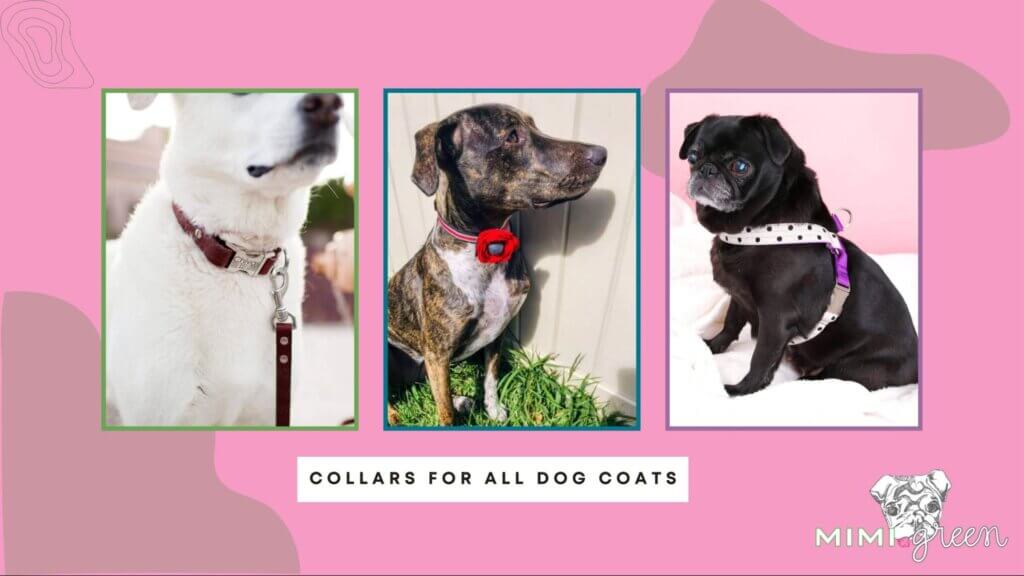
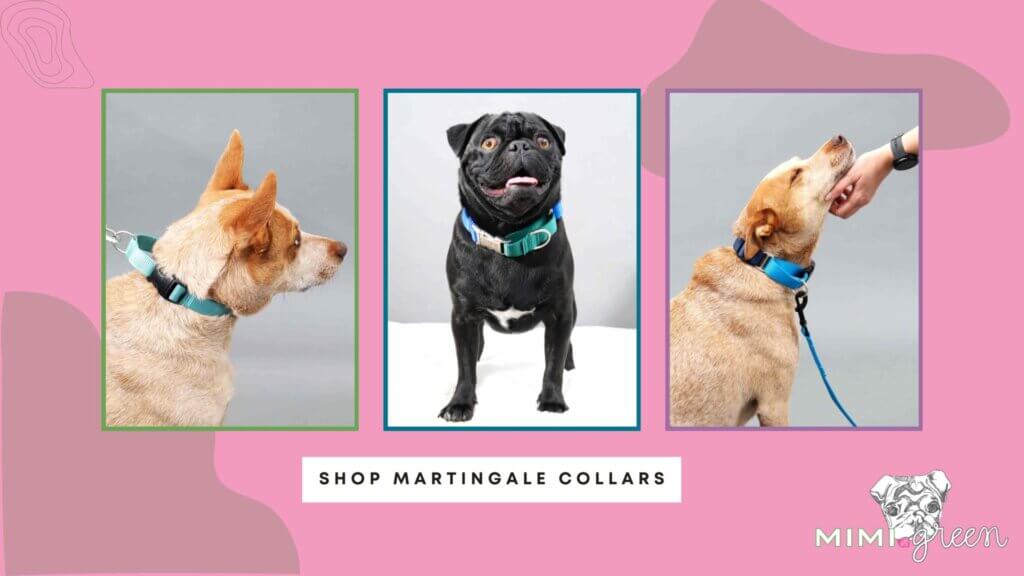
Graphic with three dogs wearing Mimi Green Marintgale Collars

Harness

As an almost last resort, consider a harness for your dog. Harnesses are great for not just dogs with sensitive skin, but dogs with weak necks and breathing issues. If you’ve looked everywhere for a collar that doesn’t hurt their skin, you may not be the issue.

With our harnesses, you can add custom engraved identification.

T-Shirt

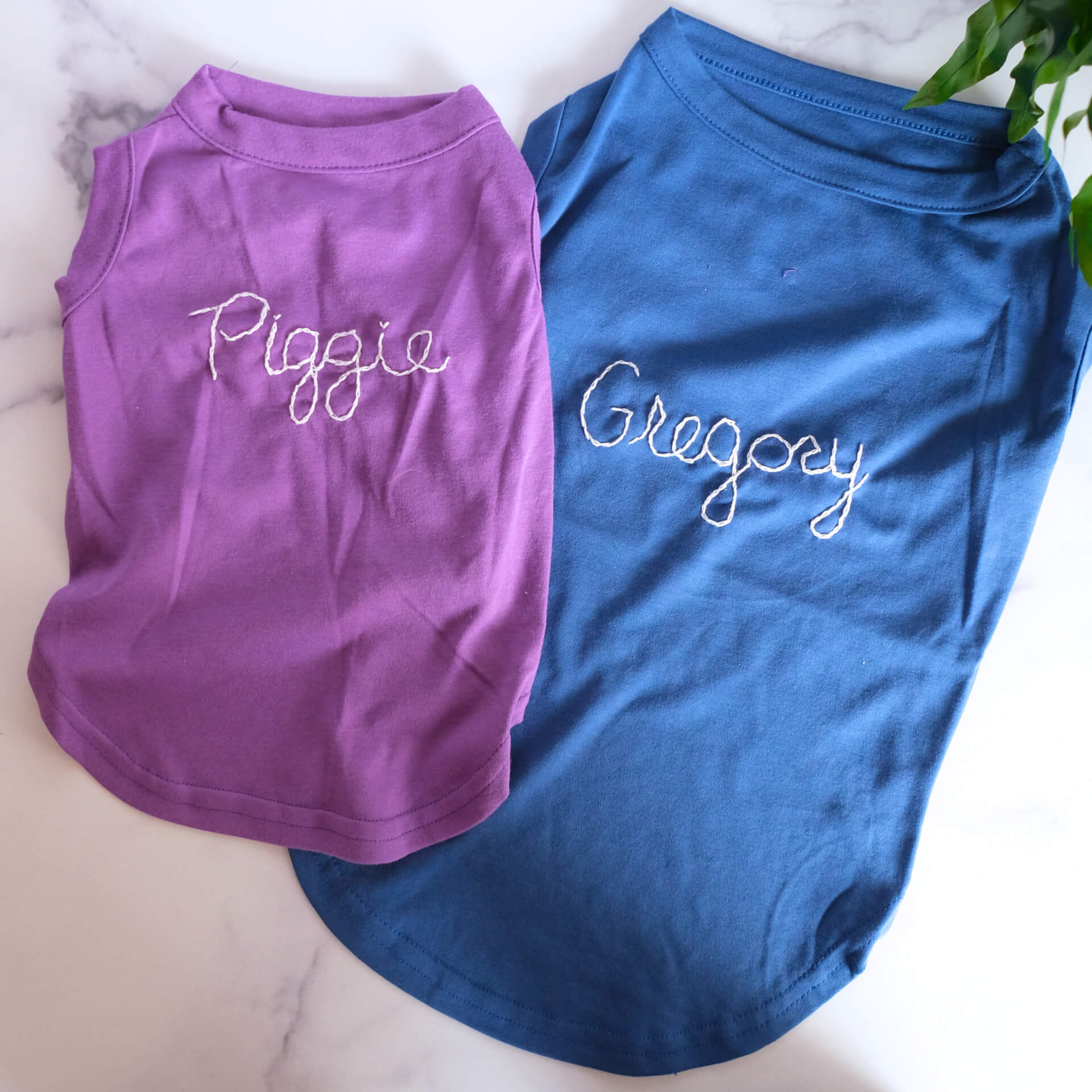
The neck isn’t the only area that a dog can feel skin irritation and allergies. The armpit and belly area also tends to become affected by rashes, itching urges and allergies. Cotton shirts to wear at home and underneath a harness can help with skin issues.

Mimi Green sells custom dog clothes made of 65% renewable cotton.

Understanding Sensitive Skin

Sensitive skin usually presents as red, inflamed skin. Dogs with sensitive skin can present itchiness, flaking, and hair loss.

The #1 cause of skin irritation around the neck for dogs is a collar that’s too tight. When a collar is too tight, the contact points can dig into the dog’s skin, causing friction. This friction can lead to skin irritation and, eventually, bigger issues caused by exposure.

Other Causes Of Dog Collar Rash

  • Allergies: Various conditions caused by hypersensitivity of the immune system to typically harmless environmental substances. Possible allergens include metals such as nickel, cheap leather, abrasive webbing, and low-quality PVC.
  • Leash Pulling: If your dog isn’t leash trained, constant pulling can cause extreme irritation. Eventually a collar can rub their neck raw. In this case, consider a harness.
  • Fleas: Fleas can cause itchiness, skin infections, and allergic reactions. They can also transmit diseases and parasites, like tapeworms, impacting overall health and comfort.
  • Fungal/Bacterial Infections: Moisture or shampoo residue trapped under the collar can cause fungal or bacterial infection. For example, Malassezia Pachydermatis is a yeast that grows naturally on fur.
  • Acute Moist Dermatitis: Also known as hot spots, are inflamed, red, and moist skin lesions in dogs. They are caused by excessive licking, scratching, or chewing due to allergies, infections, or irritants.
  • Endocrine Disorders: Endocrine disorders are hormonal imbalances affecting glands like the thyroid, adrenal, and pancreas. Common causes include genetics, tumors, or immune-mediated damage.
  • Electronic Collars: If worn for too long, electronic collars can cause pressure necrosis or pressure sores.
  • Pyoderma: Pyoderma is a bacterial skin infection in dogs characterized by pustules, redness, and itching. It is often caused by allergies, parasites, or underlying health issues.

Fact: Some breeds have worse skin issues than others. Pit bulls, Boxers, Bulldogs, and Shar Peis are on the top of ths lost to have a lot of skin irritations and reactions.

Collar Fitting

  1. Wrap measuring tape around your dog’s neck and get a snug measurement. Or, use any household item, mark it with a pen, and compare the distance covered with a ruler.
  2. Collars tend to lie at the bottom of the neck, so measuring there will give you the most accurate measurement.
  3. Add about two inches to your measurements for the right collar size.
  4. Choose your Mimi Green dog collar based on your pup’s neck size.