Tag Archives: education

Stop Dog Pulling on Leash When Excited | Guide

Stop your dog from pulling on the leash when excited by training them to walk with a loose lead using rewards, calm focus, and the right gear. Learn why dogs pull, how to handle leash biting, and practical steps to keep walks safe, controlled, and enjoyable.

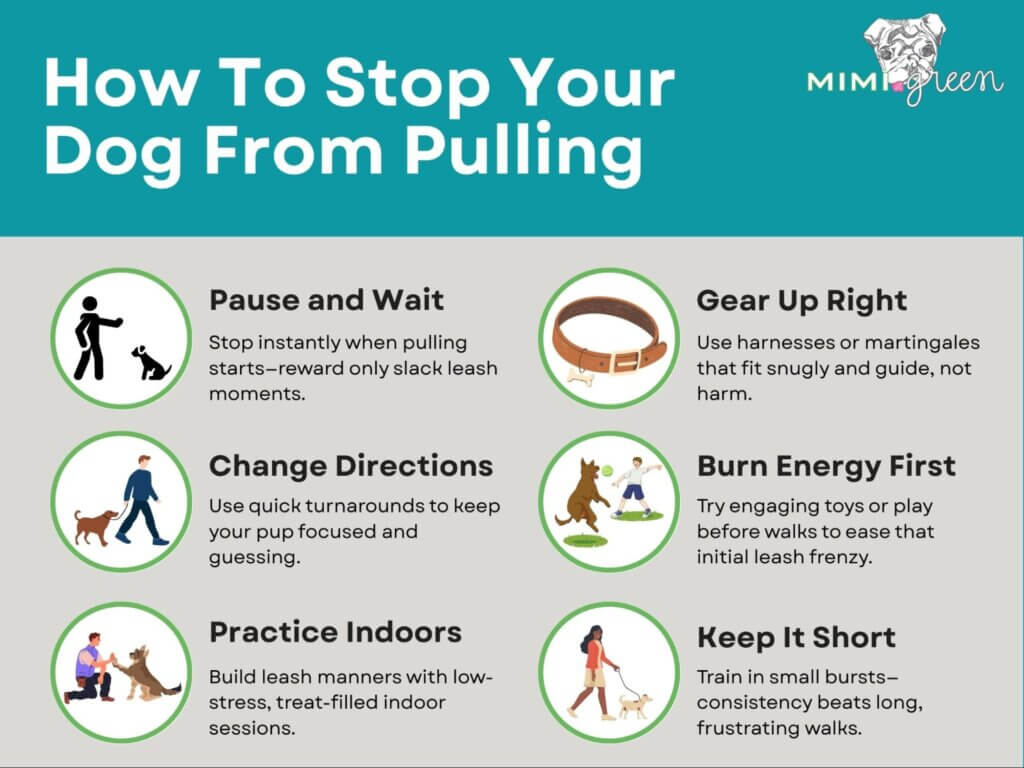
Here’s the quick answer: Dogs pull because it works. The moment they pull ahead and you follow, they learn that pulling gets them where they want to go. 

To stop this, train your dog to walk with a loose leash by rewarding calm walking, stopping when the leash tightens, and practicing focus cues like “watch me.” Start in calm spots and build up to busy streets. Your dog can stop pulling, with consistency and the right tools. 

Many owners worry they’ll never get it right or that their strong dog will pull them off their feet. But with a few simple changes, you can make every walk feel safe and controlled.

If you’re tired of tug-of-war walks, keep reading. You’ll find the steps, mistakes to avoid, and real-world advice you need to help your dog walk nicely by your side, for good.

Why Dogs Pull on the Leash

It feels personal when your dog drags you down the sidewalk, but pulling is learned. Dogs pull because they’re excited, they spot something they want to chase, or they feel anxious and want distance. And when pulling gets them closer to a squirrel or the next sniff, it’s instantly rewarded. 

Every step you take forward while they’re pulling says, “Keep doing this, it works!”

Once you see it this way, you realize leash pulling is about rewiring what works for your dog.

Step 1: Pick the Right Gear (Without Hurting Your Dog)

Before you jump into training, make sure you’re using gear that helps you teach, not fight your dog. For dogs that pull, a well-fitted harness can help redirect force without putting dangerous pressure on their neck. Martingale collars can work for dogs who slip out, but you still need the right fit, remember the two-finger test, and make sure they can’t mouth the loop.

Tools like choke chains, prong collars, or retractable leashes are best used under the guidance of an experienced dog trainer. When used incorrectly, they can cause discomfort, reinforce unwanted behaviors, or delay progress. For most pet parents, positive reinforcement and well-fitted gear offer a safer, more effective starting point.

If you’re stuck between training and needing a fast walk, some owners use two harnesses, one for training with clear rules and another when you just need to get from A to B. But be mindful: this can slow your progress if your dog gets mixed signals.

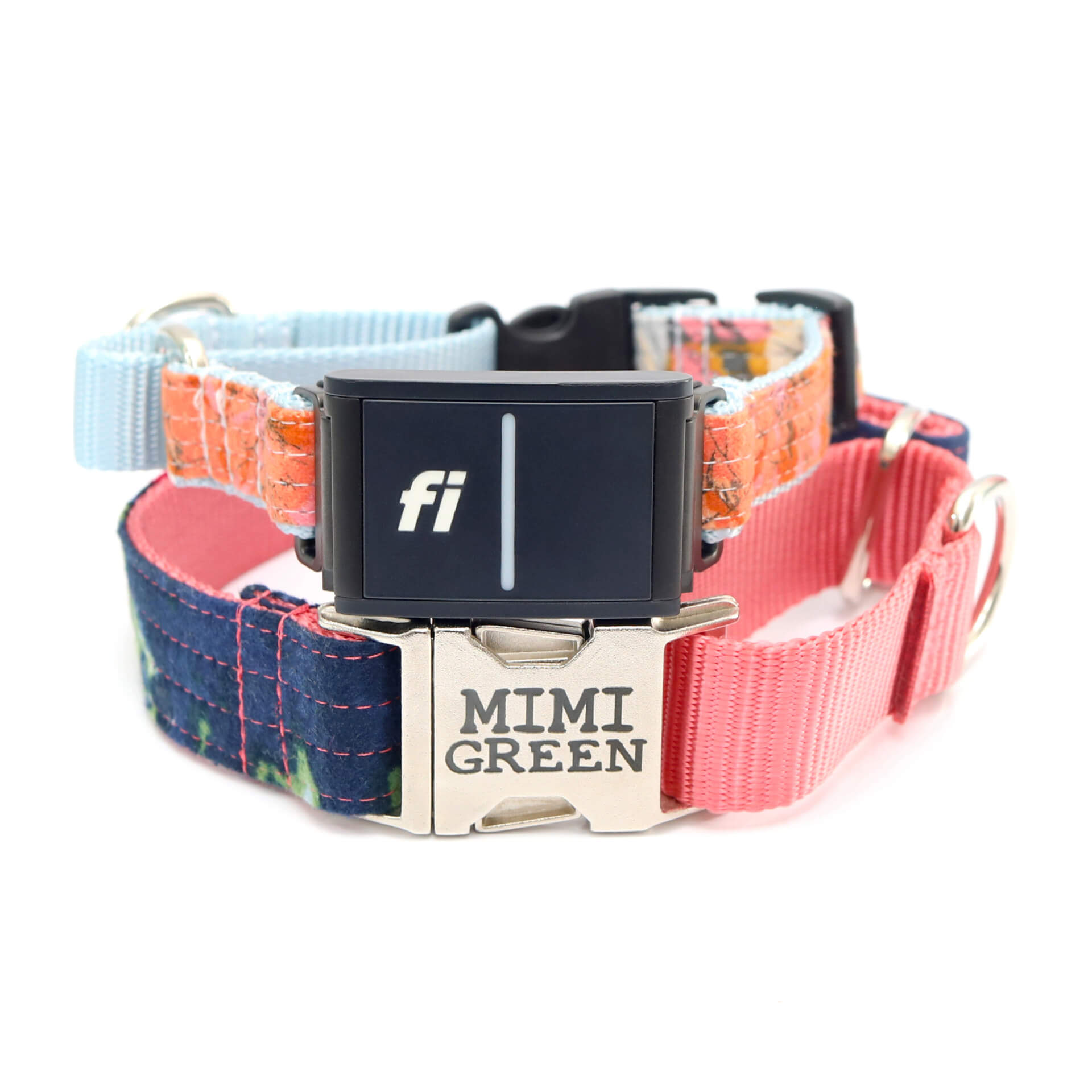
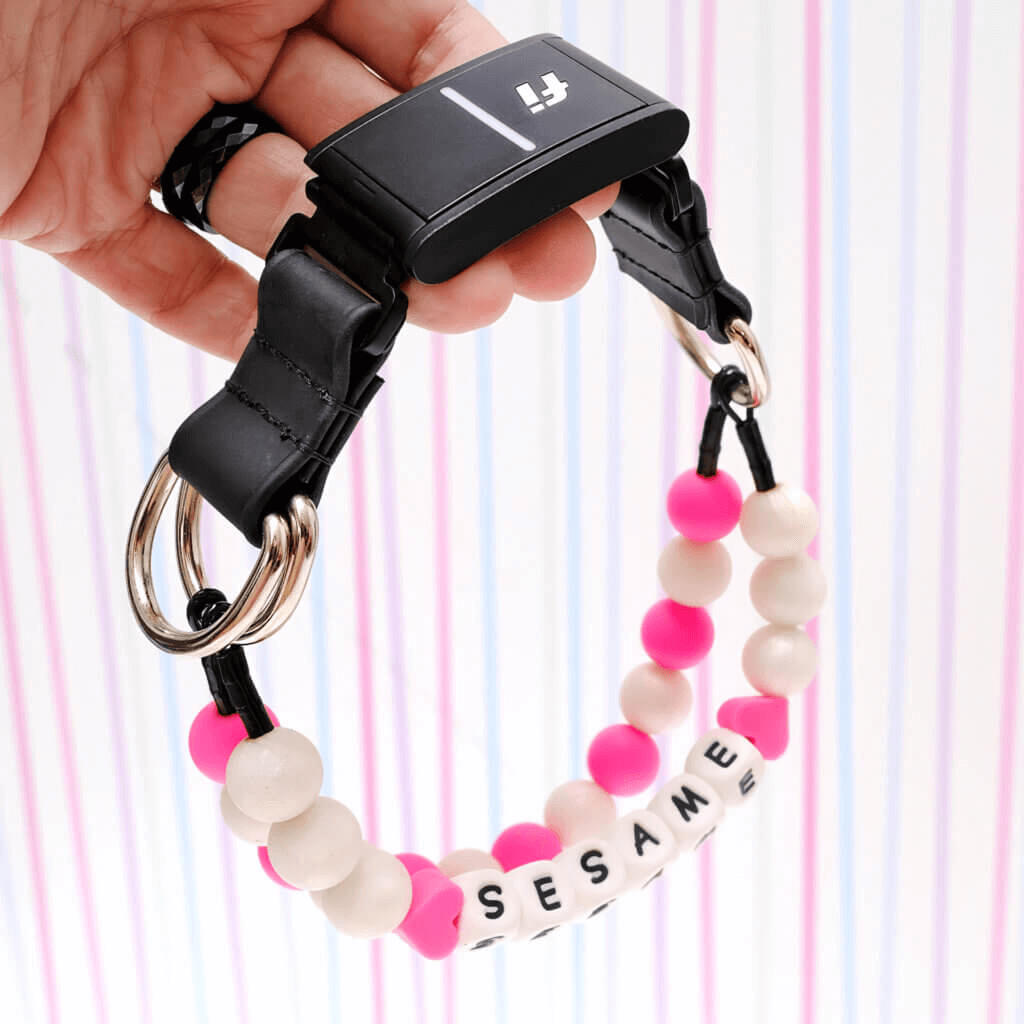
If your dog’s an escape artist, consider adding a Fi-compatible collar for GPS tracking. No training plan is perfect, safety backups matter.

Step 2: Start Training in Calm, Low-Distraction Spots

Featured Product -> Fi Compatible Pearl Friendship Bracelet Dog Collar

The biggest mistake we see? Trying to teach a dog to stop pulling in the middle of a busy park. Start where you can win together. Pick your living room, backyard, or driveway. These quiet spaces help your dog focus on you instead of every smell, dog, or passing car.

Teach simple focus cues like “watch me” so your dog learns that paying attention to you brings treats. Use high-value treats, something special they don’t get every day.

If your dog loses interest or gets distracted, keep your sessions short. Five minutes of focused practice beats a frustrated half hour. Puppies especially benefit from micro-sessions that make training fun and fail-proof.

Step 3: Reward Calm Walking by Your Side

Once you’re outside, the goal is to make staying by your side the best thing ever. 

Follow the 3-second rule: every time your dog walks calmly next to you for three seconds, reward them. This helps them connect calm walking with good stuff.

Keep your treats at your side, not ahead of you. This placement teaches your dog that staying next to your leg pays off. Some dogs aren’t big on treats outside, use a favorite toy as a backup reward.

Step 4: Stop When the Leash Tightens

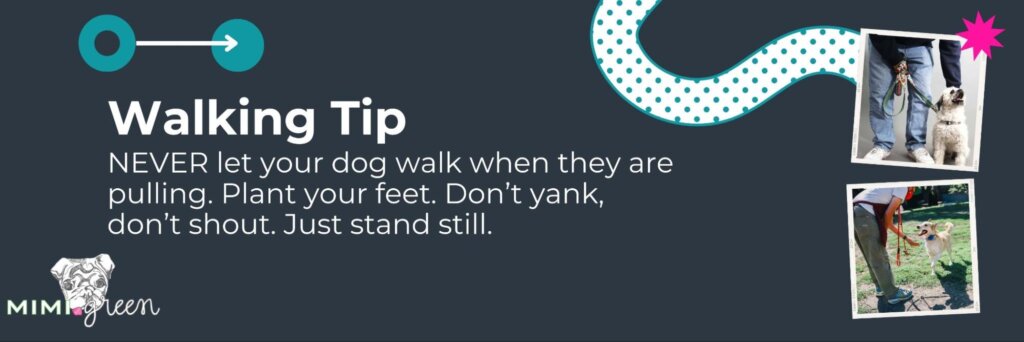
Here’s where many well-meaning owners go wrong. If your dog pulls and you keep moving, you’re saying, “Good job, pulling gets us places.” The fix? Be a tree. The moment you feel that leash tighten, stop moving. Wait for your dog to release tension or return to you. Only then, take a step.

Mix things up by changing direction suddenly, this keeps your dog tuned in. And remember, short daily practice works better than once-a-week marathons. Calm walks don’t happen overnight, but five minutes of clear, consistent practice a day pays off for life.

Step 5: Add in Real-World Distractions

Once your dog masters calm walking in the backyard, it’s time to test their skills around real temptations, like other dogs, new smells, and people. Start small. Practice in a quiet neighborhood before tackling the dog park at peak hour.

A big question is, “How do I stop pulling when my dog sees another dog?” The answer: distance is your friend. If your dog pulls or lunges at other dogs, create space. Cross the street, turn away, or change direction before they fixate. Reward eye contact and calm focus on you. If your dog can’t focus no matter what, they may be feeling fear or over-excitement that needs more time to work through.

Some dogs pull because they’re scared, not excited. In these cases, you may need extra help. A qualified positive-reinforcement trainer can help your dog build confidence without adding more stress to your walks.

How to Handle Dogs That Bite the Leash

Some dogs pull and turn the leash into a chew toy. It’s not disobedience, it’s often excitement or frustration bubbling over. Puppies, especially, mouth the leash when they don’t know where else to put that energy.

Instead of scolding, redirect. Carry a tug toy or a chewy treat to give your dog something better to focus on. A short play session can release tension and keep your leash in one piece. 

Over time, reward calm behavior with treats instead of letting your dog make a game of biting the leash.

Extra Tips for Stubborn Pullers

For dogs who never seem to run out of steam, more structure away from the leash can help. Teach simple impulse-control games like “wait” at doorways or “stay” before tossing a toy. These tiny lessons build the same self-control your dog needs for polite walking.

Don’t forget mental exercise. Puzzle toys, sniffy games, and short training sessions drain energy that might otherwise show up as leash pulling.

Also, think about your dog’s breed. A high-drive dog like a Husky or Shepherd may need extra outlets for their natural instincts, while a Yorkie might pull out of fear or because they’re small enough to get away with it. Tailor your approach.

Common Mistakes to Avoid

  • The biggest mistake is inconsistency, sometimes letting your dog pull, sometimes not. Mixed signals make training longer and harder.

  • Another slip-up: rewarding pulling by moving forward when your dog lunges. If pulling works even once, your dog learns to keep trying.
  • Lastly, avoid painful tools like choke chains. They don’t teach your dog how to succeed, just what to fear. Instead, combine the right gear, clear rules, and gentle practice. Your walks will be safer and far more enjoyable.
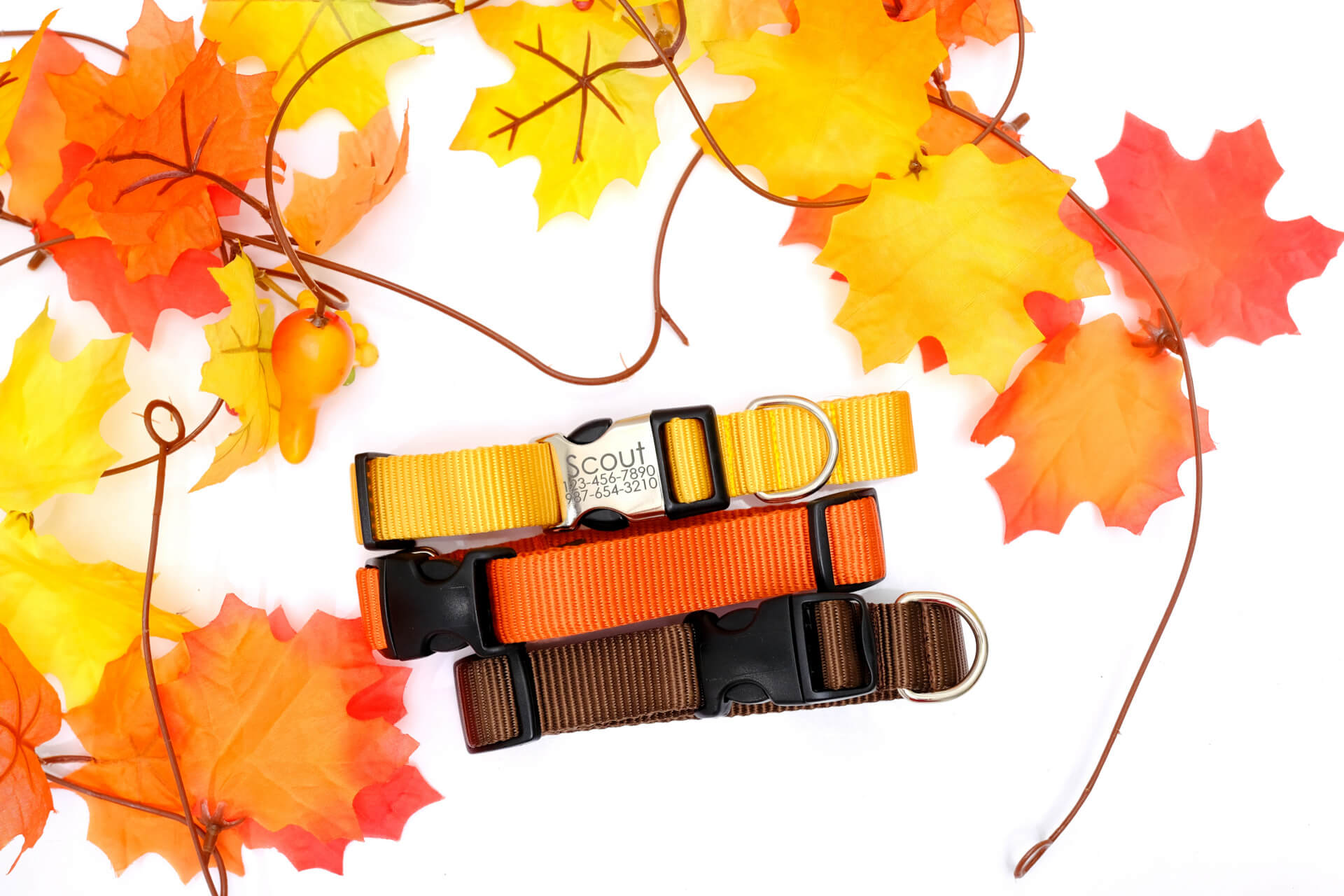
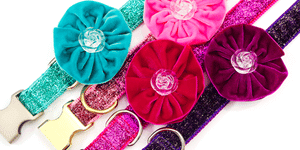
Real Questions from Mimi Green Customers

  • Can I ever let my dog pull? If you sometimes allow pulling, like on a flexi leash in the woods, your dog may stay confused about when it’s okay. Stick to clear, consistent rules if you want lasting loose-leash habits.
  • Is it too late to fix leash pulling? Nope! Even older dogs can learn. Start slow, reward calm walking, and remember: short, daily sessions work wonders.
  • Why does my dog freeze instead of pulling? Some dogs stop walking when overwhelmed or nervous. Don’t drag them. Use treats and encouraging words to build confidence step by step.
  • What about senior dogs who can’t handle a harness? A well-fitted, lightweight collar and shorter walks can help. Always check fit, seasonal coat changes can affect how a collar sits.

Need more help to find the right collar? Check out our sizing and fit guides to choose what’s right for your pup.

Walks Should Be Fun! Here’s How to Keep Progress Going
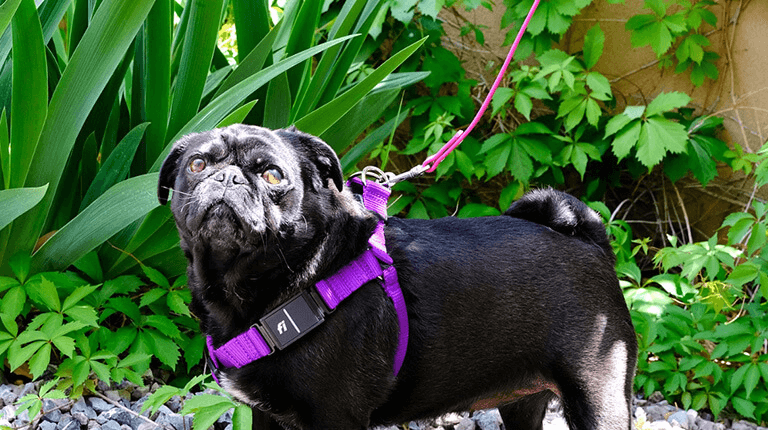
Your dog might not get it right on day one, and that’s okay. Celebrate small wins, like one block of calm walking. Build from there.

Once they master easy routes, add new distractions or practice with another calm dog. And remember: consistency keeps good habits strong.

Need a collar that actually fits right? We craft every piece to match your dog’s size, coat, and personality, so you can focus on enjoying your walks together.

Calm Walks Are Possible

If you’re worried your dog will always drag you down the street, take heart: with practice, the right gear, and a little patience, calmer walks are possible. Your dog deserves a safe, comfortable walk, and so do you.

Daily walks shouldn’t feel like a battle. When your dog pulls on the leash, the wrong fit or scratchy material only makes things worse. Mimi Green designs collars, harnesses, and leashes that put your dog’s comfort first, so training sticks.

  • Try a custom-fit martingale collar for gentle control.
  • Switch to a waterproof, easy-clean option if your dog loves adventure.
  • Add a personalized buckle or engraved nameplate for safety, style, and peace of mind.

Every Mimi Green piece is made to order here in the USA, just for your pup. Because no walk should be stressful when the right fit makes all the difference.

Ready to enjoy calm walks again? Find your dog’s paw-fect leash today.

Can Dogs Wear a Collar and Harness?

Yes, your dog can safely wear a collar and a harness at the same time, if they’re fitted correctly. Vets recommend a collar for ID and a harness for comfort and control on walks. Learn when to use both, how to avoid common mistakes, and which materials work best for your pup’s coat and lifestyle.

If you’ve ever worried about whether doubling up feels too heavy or could cause matting or chafing, you’re not alone. 

The good news? A well-chosen collar and harness, made from the right materials and adjusted for your dog’s size and coat, can actually make walks safer and more comfortable.

We specialize in handcrafted, made-to-order collars and harnesses that match your dog’s coat type, personality, and lifestyle, from leather for long-haired pups to waterproof BioThane® for mud lovers. Plus, you can customize every piece for a perfect fit, so your dog never has to settle for generic gear that rubs or slips.

If you just needed the short answer, you’re all set. But if you want step-by-step tips, breed-specific advice, and our favorite fitting tricks to keep your dog comfy and safe, keep reading.

Why Use a Collar and a Harness Together?

For most dogs, wearing both makes sense, as long as you’re doing it for the right reasons. A collar keeps your dog’s ID tags secure at all times. Even the best-fitted harness can slip off during rough play or an unexpected dash through a tight fence gap. A collar adds that layer of backup you hope you’ll never need.

Meanwhile, a harness is the go-to for comfort and control, especially if your dog pulls on leash or has a delicate trachea. Unlike collars, harnesses distribute pressure more evenly across the chest and shoulders, protecting the neck from strain or injury.

For dogs with a talent for escaping, doubling up with a collar and harness can give you peace of mind. Many trainers and vets suggest using both for certain breeds, seniors with mobility challenges, or rescue pups who are still learning leash manners.

Common Myths & Mistakes to Avoid

Plenty of pet parents fall into the same traps, so let’s clear them up:

First, no collar lasts forever. It’s a myth that they’re indestructible. Cheap materials can fray or crack, while even the best-made collars should be checked regularly for signs of wear.

Another common mistake is choosing a size based only on your dog’s weight. Neck size, coat type, and breed shape matter far more. That’s why at Mimi Green, we encourage measuring your dog properly and adjusting after grooming.

Over-tightening a harness is another problem we see all too often. A harness that’s too snug can rub sensitive skin raw or restrict shoulder movement. And don’t assume every collar or harness is one-size-fits-all, breed, age, and your dog’s coat should all guide your choice.

How to Fit a Collar & Harness Correctly

Sizing Your Dog’s Collar

Start with the tried-and-true two-finger test. Once the collar is on, you should easily slide two fingers between the collar and your dog’s neck. Too tight? It could chafe or cause rashes. Too loose? A determined pup might slip right out.

Breed and coat matter here, too. Dogs with long, curly, or double coats, like Golden Retrievers or Poodles, often do better with leather collars that reduce matting. 

For pups with sensitive skin, hypoallergenic materials are better. Check out this article for a better understanding: Best Collars For Sensitive Skin | Hypoallergenic Options.

Sizing the Harness

No single harness works for every dog. Pick what fits your pup’s shape, coat, and daily adventures:

  • Y-Harness: Gives shoulder freedom and even weight distribution, great for active walkers.
  • Back-clip harness: Good for calm dogs who don’t pull much; easy to put on and take off.

To keep your dog comfy:

  • Read our Dog Harness Guide
  • Check that the straps don’t rub behind the front legs or under the armpits.
  • Watch for signs of matting on long coats, rolled edges or harnesses can help.
  • Adjust seasonally. Dogs shed and grow out coats, so a harness that fit in winter might be too loose come summer.

Should I Clip the Leash to Both?

Some owners double-clip the leash to both the collar and harness. Here’s what you need to know:

  • Pros: Adds a layer of safety for dogs who slip out of gear or love to pull sudden Houdini moves.
  • Cons: For some dogs, double clips can feel awkward or restrict natural movement.
    Many trainers suggest a backup clip for strong pullers or nervous dogs in new places. If you do use two attachments.
  • Keep your leash short enough to avoid tangling.
  • Skip retractable leashes, they’re prone to twist and jam when clipped to multiple points.

Is It Safe for Puppies to Wear Both?

Puppies can learn to wear a collar and harness early, if you introduce both gently.

  • Start slow: Use calm treats and reward your puppy for sniffing and wearing each piece.
  • Positive reinforcement: Keep sessions short and pair putting on gear with good things, snacks, toys, praise.
  • Watch for stress: If your puppy freezes up, scratches, or tries to chew, take it off, try again later, and go even slower next time.

When done right, a puppy that grows up comfortable wearing both is far less likely to fuss or fear them as an adult.

Vets’ & Trainers’ Tips for Double Wear

Before you clip on both, here’s what pros want you to know:

  • Collar for ID, harness for walks: Vets generally recommend that your dog always wears a collar with up-to-date ID tags. A harness is best for walking or training sessions, but it doesn’t replace a collar for everyday identification.
  • Small breeds sometimes skip collars on leash: Tiny or fragile-necked dogs, like Yorkies or Chihuahuas, may be better walked with just a well-fitted harness to avoid trachea strain. But consider keep the collar on indoors for safety.

Using remote training collars, commonly referred to as e-collars or shock collars, alongside harnesses can be risky.

If a harness shifts or tightens during use, it could increase pressure on your dog’s neck or chest when combined with an e-collar. If you’re considering a training tool like this, we recommend working with a certified trainer to ensure safe and humane use. At Mimi Green, we prefer positive reinforcement methods that build trust and reduce stress for pups.

Choosing the Right Materials for Comfort

Your dog’s coat, skin, and lifestyle should guide your choice. Here’s what works best:

For Long, Curly, or Matte-Prone Coats

Leather: Helps prevent tangles and matting under the collar.

For Active, Outdoorsy Pups

  • Waterproof BioThane®: A game changer for muddy hikes, swims, and rainy-day walks. Easy to clean, odor-resistant, and durable.

For Sensitive Skin

  • Hypoallergenic materials: Like cotton can be gentler on sensitive skin, especially when paired with high-quality webbing. All our fabric collars use a premium nylon base that’s softer and more durable than standard pet-store options. While we don’t offer leather harnesses, our thoughtfully selected materials are designed with comfort and skin safety in mind, perfect for pups prone to rashes or hot spots.

Common Worries About Wearing Both, Solved!

  • “Will my dog feel uncomfortable?”
    Solution: Not if you size things right. The collar should pass the two-finger test, and the harness should fit snugly without pinching or restricting movement.
  • “Could the collar get caught on the harness?”
    Solution: It’s rare, but a poor fit can cause snagging. Choose gear designed to sit well together, and check that tags don’t dangle into buckles.
  • “Can my dog sleep wearing both?”
    Solution: For most dogs, a collar with ID is enough overnight. Remove the harness to prevent rubbing or tangling while your pup snoozes.

When NOT to Use a Collar and Harness Together

  • Tie-Outs: We don’t recommend using tie-outs at all. In our experience, they’re when we see the most broken buckles and unhappy outcomes. But if you must use one, never attach a tie-out cable to a harness alone, a pulling dog can slip out or injure their shoulders. A properly fitted collar (not under tension for long periods) is safer, but always supervise.
  • Retractable leashes: Using one with both a collar and harness increases the risk of tangling and sudden jerks. A standard leash gives you better control and keeps your dog safer.

Mimi Green’s Handmade Solutions

When you want your dog’s collar and harness to actually work well together, and look good, too, that’s where we come in:

  • Custom sizing: Every Mimi Green collar and harness is made-to-order for your dog’s neck and chest measurements. No guesswork, just a fit that stays comfy.
  • Matching sets: Mix and match collars, harnesses, and leashes in velvet, waterproof BioThane®, or leather for a pulled-together look.
  • USA-made quality: Crafted by our family-owned team, using materials we trust, so your dog’s gear won’t rub, fray, or fall apart after a season.
  • Special extras: From limited edition designs to Fi-compatible GPS collars, we help keep your dog safe, stylish, and ready for adventure.

Final Tips to Keep Your Pup Safe & Stylish

A collar and harness combo only works if you check in regularly:

  • Look for any rubbing, chafing, or matting, especially under harness straps and behind the ears.
  • Adjust sizing as needed with seasonal coat changes or after a grooming session.
  • Replace worn or frayed parts, even the best-made collar won’t last forever if your dog’s an everyday adventurer.

Ready to Find Your Pup’s Paw-fect Match?

If you’ve decided your dog’s ready for both a collar and harness, the right fit and materials make all the difference. That’s where we come in.

At Mimi Green, we handcraft every collar and harness to order, so your pup gets:

  • Custom sizing and materials that match their coat type, skin needs, and lifestyle, whether they splash through creeks or curl up on your lap.
  • Matching sets that make ID tags, harness, and leash feel like one well-designed system, not an awkward mashup.
  • USA-made quality that means no scratchy nylon, no cookie-cutter sizing, just thoughtful design you can trust.

Explore our full collection today and see how our custom sets help your dog wear a collar and harness comfortably, while looking downright adorable on every walk.

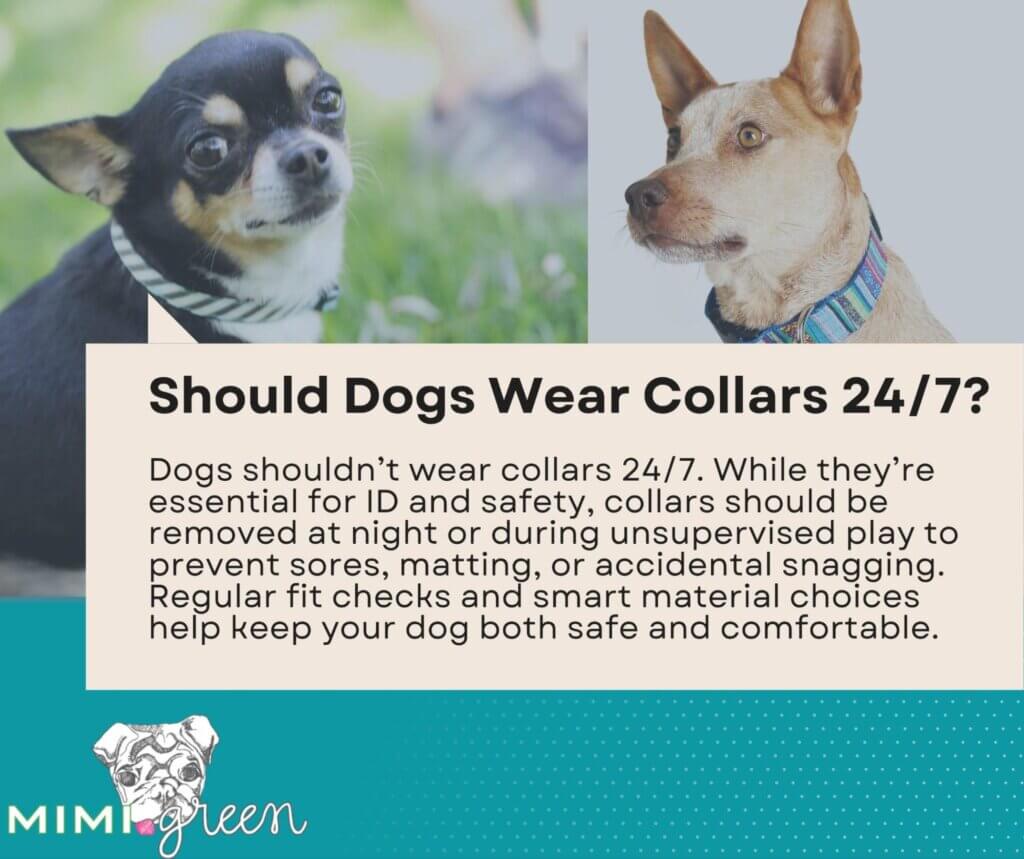
Should Dogs Wear Collars 24/7? Full Guide

Dogs shouldn’t always wear collars 24/7. Vets recommend collars for ID and safety, but breaks help prevent sores, matting, or snag risks indoors. Learn when to keep it on, when to take it off, and how to choose the paw-fect fit for your pup’s lifestyle and coat.

So how do you strike the right balance? Keep a well-fitted, comfortable collar on when your dog is out and about, playing in an unfenced yard, or in any situation where they could slip out the door. But when your pup is snoozing next to you on the couch or playing rough with other dogs, it’s smart to give their neck a breather.

We believe your dog’s safety shouldn’t come at the cost of comfort. That’s why we handcraft adjustable, custom-fit collars, from buttery leather that softens over time to waterproof Biothane for swimmers, to help you choose the paw-fect style for your dog’s coat, lifestyle, and breed. 

If you’re curious about when to keep the collar on, how to prevent matting, or what materials vets recommend, keep reading. We’ve packed the rest of this guide with expert-backed tips and real-world solutions to help you make the best choice for your best friend.

Why Do Dogs Need to Wear Collars?

Featured Product -> Waterproof Leather Alternative Dog Collar with Engraved Buckle

Collars do more than look cute, they’re your dog’s first line of protection if they ever slip out the door. While microchips are helpful, they aren’t visible to a good Samaritan who might find your runaway pup. 

Dogs wearing visible ID tags get home much faster than microchipped dogs alone. In fact, shelters often report that pets without tags are assumed to be strays, which means longer stays and lower return rates.

That’s why we always say: don’t rely on one safety net. A collar with engraved ID can be a real lifesaver. 

Unlike dangling tags that can snap off during play, engraved buckles, like the ones we hand-sew onto Mimi Green collars, stay readable for years. Plus, accidents don’t just happen on walks. Dogs can dart out an open gate or get spooked during storms right from your living room. A well-fitted collar helps your family be ready for the unexpected, indoors and out.

When Should You Take Your Dog’s Collar Off?

Even the best-fitting collar shouldn’t cling to your dog’s neck 24/7. Nighttime is one moment when many trainers and vets suggest giving your dog a collar break. Why? Continuous wear can cause skin sores or bald spots, especially for pups with sensitive skin or long coats that are prone to matting.

If you share your home with multiple dogs, it’s smart to remove collars during rough play or unsupervised time together. One dog’s jaw can easily get stuck under another’s collar, which can lead to terrifying accidents. Inside the home, collars can snag on crates, furniture, or fences, a risk you can easily avoid with short breaks.

In this situation, we recommend our breakaway collars for dogs.

Some breeds benefit even more from downtime. Long-haired or curly-coated dogs can develop mats under a collar that’s never adjusted or removed. Short-coated breeds with sensitive skin can get rub spots, too. A quick check and a soft break each day help keep their neck healthy and their fur smooth.

Do Vets Recommend 24/7 Collars?

Most vets agree: dogs need collars for ID, but not necessarily all the time. Continuous pressure from a collar that’s too tight, poorly fitted, or never removed can lead to skin infections, sores, or even neck muscle strain. Puppies especially need frequent collar checks because they outgrow sizes fast.

So, how tight is too tight? Always use the two-finger rule, you should be able to slide two fingers under your dog’s collar comfortably. And don’t forget to inspect for signs of rubbing or hair loss at least once a week, especially if your dog’s coat changes with grooming or the seasons.

And what about pairing a collar with a harness? Plenty of pet parents choose both, a secure harness can reduce neck strain on walks, while the collar holds ID tags. It’s a smart combo, especially for dogs that pull or need extra control. Just remember, no collar or harness is set-it-and-forget-it, rotate and adjust as your pup grows or changes.

Note: Harnesses should definitely not be left on 24/7

How to Choose the Right Collar for 24/7 Wear

Featured Product -> Biothane Dog Collars

If you want your dog to stay comfy and secure, your collar choice matters as much as how often they wear it. Leather collars are a timeless pick, they naturally soften over time with your dog’s natural oils, which helps reduce rubbing. Leather styles are especially helpful for curly coats that tend to mat. For swimmers or mud-lovers, Biothane collars resist mold, mildew, and odors, and they wipe clean in seconds.

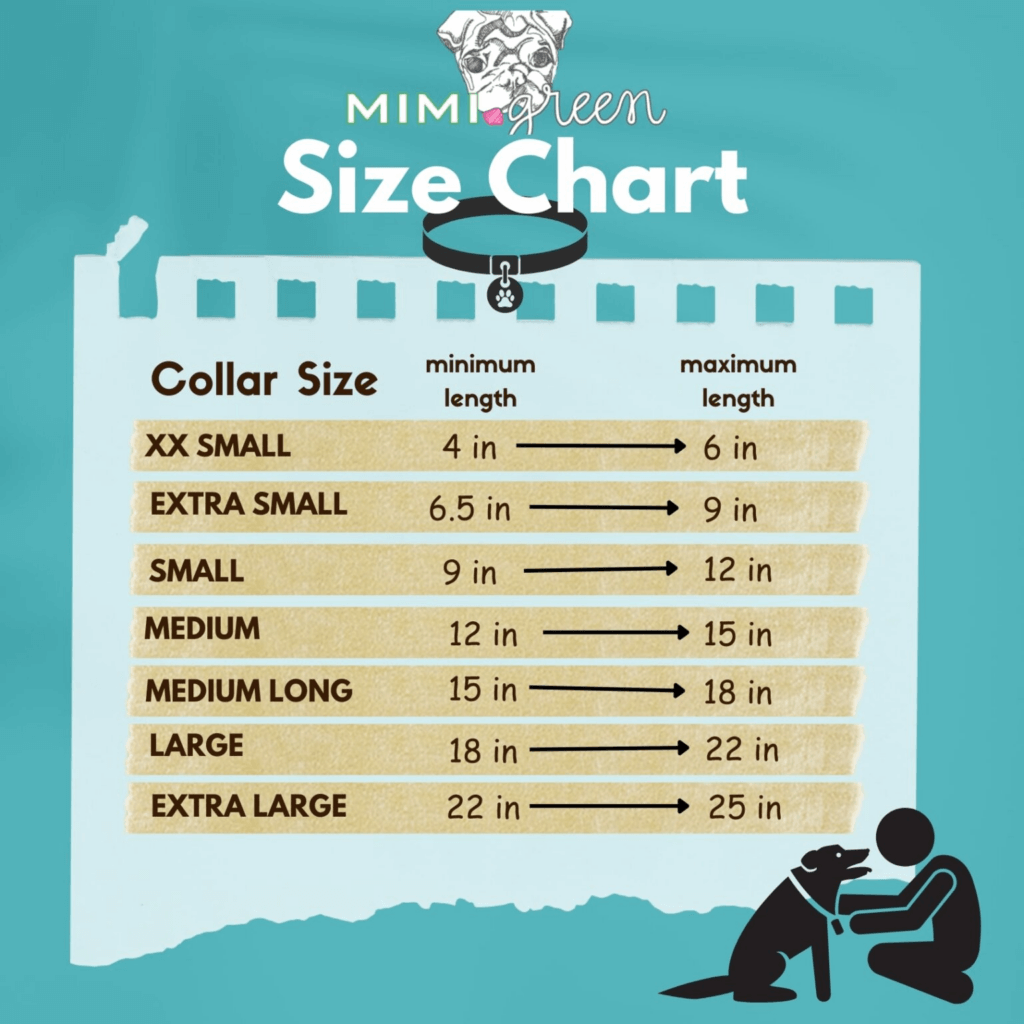
Don’t forget the dog collar fit, check out the dog collar size chart, always follow the two-finger rule, and adjust for coat changes or growth spurts. 

If your dog has medical needs, deep buckle engraving can include vital notes alongside your contact info, no more worries about lost tags. It’s one less thing to keep you up at night and one more reason your dog’s collar works as hard as you do to keep them safe.

Answering Common Worries

Will it choke them if it snags?

Solution: One of the biggest fears dog parents have is that a collar will get caught on a crate, fence, or furniture and choke their pup. While studies show the risk is low with a proper fit, it’s still smart to stay cautious. 

Always check that you can slide two fingers comfortably under the collar, too tight is risky, too loose increases snag hazards. Breakaway collars are best used for unsupervised indoor time or crated rest, especially for high-energy dogs who might get caught on furniture or fencing. Just keep in mind that they’re not ideal for leash walking and are often marketed more for cats than dogs.

Worry: Will my dog get sores or bald spots?

Solution: Rubbing and pressure sores happen when collars stay on too long without breaks, or when they’re dirty and trap bacteria.

To keep your dog’s neck happy, rotate collars every so often, especially if they play rough or get wet. Materials matter too, leather softens over time, and leather or velvet can reduce friction on sensitive skin. And don’t forget to give that area some fresh air overnight.

Worry: Tags falling off?

Solution: Nothing feels worse than realizing your dog’s tag has vanished mid-adventure. That’s why we’re big fans of buckle engraving, it doesn’t jingle, it won’t snap off, and it stays legible for years. 

Safe Alternatives to 24/7 Collars

If you’re still worried about constant collar wear, you’re not alone. For some families, a few smart swaps make a big difference.

  • Breakaway vs. Martingale: While breakaway collars are a go-to for cats, they can pop open too easily on dogs that pull. Martingale collars, on the other hand, tighten safely if a dog tries to slip out but sit comfortably when not under tension. They’re a favorite for breeds with narrow heads like greyhounds.
  • Harness indoors: Many trainers suggest using a harness instead of a collar indoors, especially for dogs prone to pulling. A harness takes pressure off the neck entirely, which can help prevent injury and skin irritation.
  • GPS collars: For escape artists or off-leash adventurers, GPS-enabled collars add an extra layer of security. Mimi Green offers Fi-compatible styles that keep your dog looking stylish while helping you keep tabs on them.
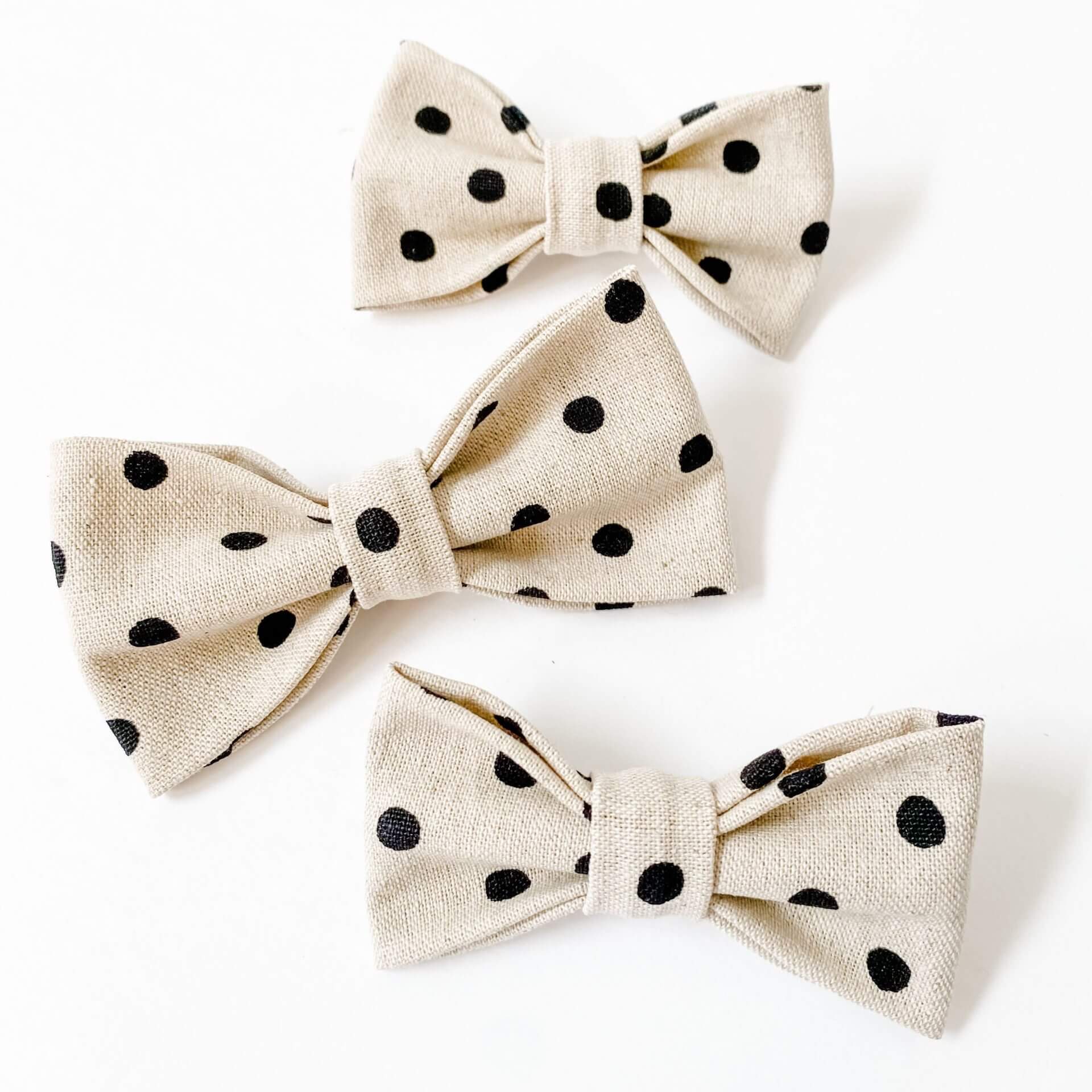
  • Bandanas & add-ons: Cute bandanas and bowties let your pup’s personality shine, but remember they’re not replacements for a collar with visible ID. If you switch to a bandana indoors, make sure your dog is microchipped, and always clip on their engraved collar for any outdoor time.

Mimi Green’s Take: Our Paw-fect Fit Promise

Every dog is different, so why settle for a collar that’s “good enough”? At Mimi Green, we’re proud to handcraft every collar to order right here in the USA. From our soft velvets for sensitive skin to our waterproof Biothane for muddy hikes, we design collars that match your dog’s unique lifestyle.

We believe a collar shouldn’t rub, snag, or irritate. That’s why we offer custom sizing for tricky neck shapes, engraved buckles that won’t get lost in the grass, and even matching leashes or key fobs so your whole pack looks sharp. Our handmade process keeps waste low and comfort high, so you never have to choose between style and safety.

Quick Guide: Collar Care 

Even the best collar needs a little care. Wash your dog’s collar regularly, weekly for active pups or monthly for low-key loungers. Look for fraying or stretched holes and replace it before it becomes a hazard.

Do a quick grooming check around the neck each week. Mats or bald spots? Time to adjust fit or rotate materials. If your dog has a thick double coat that changes with the seasons, always double-check that the collar isn’t too tight after a grooming session.

A well-loved collar should last, but when you spot wear and tear, don’t wait. A fresh Mimi Green collar, thoughtfully sized, engraved, and built to last, is the safest way to keep your dog comfy and ready for whatever adventure comes next.

Final Bark: Should Your Dog Wear a Collar 24/7?

So, should your dog wear a collar all the time? Vets agree that visible ID is a must for safety, but that doesn’t mean collars need to be on 24/7 without a break. A properly fitted, well-chosen collar keeps your dog protected when it counts, while smart collar breaks at night or indoors can help prevent skin irritation, matting, or snagging accidents.

Remember: check fit regularly, rotate materials when needed, and choose a collar that suits your dog’s breed, coat, and lifestyle. Whether it’s a velvet collar for a sensitive neck or a waterproof option for a puddle-loving retriever, thoughtful choices keep your pup safe and comfy day and night.

Helpful Resource: Best Collars for Sensitive Skin

Find the Paw-fect Fit for Every Hour

Your dog shouldn’t have to choose between comfort and safety, and neither should you. If you want a collar that stays secure on your biggest adventures and feels gentle enough for daily wear, Mimi Green has you covered.

Our made-to-order collars offer:

  • Deep buckle engraving so you never worry about lost ID tags
  • Materials for every coat and lifestyle, from soft velvet to waterproof Biothane®
  • Custom sizing and adjustable fits, so your pup’s collar always feels just right

Each piece is handmade in the USA, with your dog’s unique needs in mind. When you’re ready to make daily collar wear safer, smarter, and more stylish, we’re here to help.

Shop Mimi Green Collars now, and give your pup the paw-fect fit they deserve, 24 hours a day.

Stop Dogs Licking Wounds: Collar & Cone Alternatives

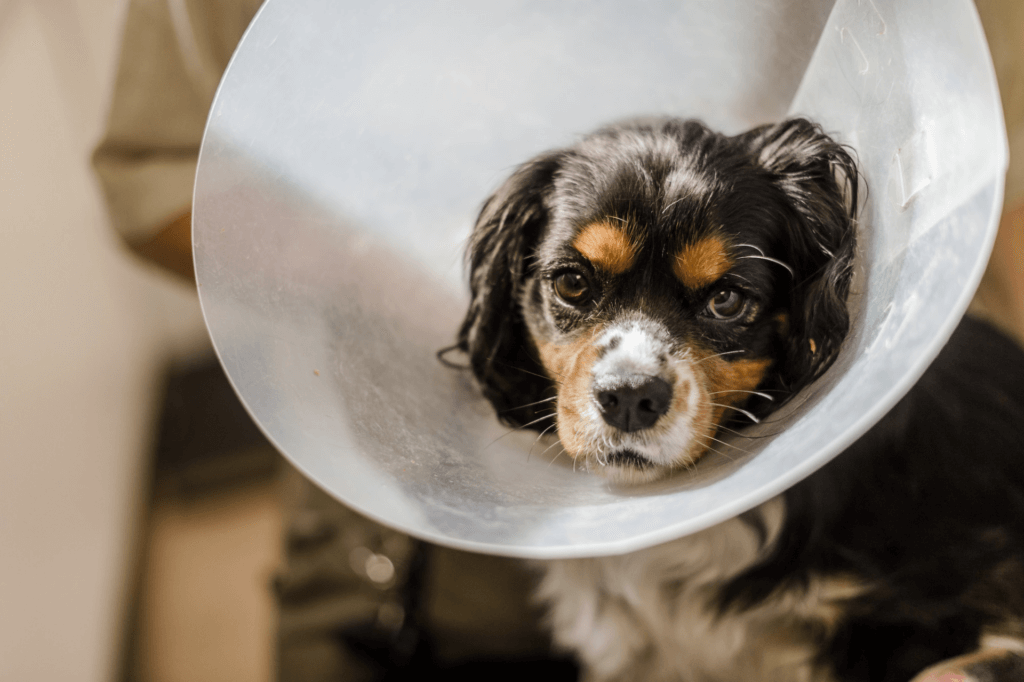
Collars that stop dogs from licking wounds include rigid cones, inflatable collars, neck braces, surgical suits, and creative DIY options. Each works differently based on wound location, dog size, and behavior. Find what fits your dog’s healing needs best.

When your dog has a wound, keeping them from licking it can feel like an endless battle. The fastest, most effective way to stop a dog from licking wounds is using a rigid plastic e-collar, often called the “cone of shame.” This creates a physical barrier that prevents access to most wound areas. But that doesn’t mean it’s the only option.

Some dogs adapt easily to cones. Others struggle, pushing bandages off with the cone edge, breaking cheap versions, or slipping around them entirely. 

If you want to dive into a full breakdown of every option, from cones to bodysuits to simple household hacks, keep reading. This guide will help you choose what works for your dog’s situation.

Leg Braces, Wraps & DIY Solutions

For dogs dealing with lower leg wounds or hard-to-cover injuries, specialty braces can serve as an alternative or addition to collars. 

These orthopedic-style braces create a physical barrier around the leg, preventing direct access to the wound while still allowing mobility. They’re particularly helpful for dogs that refuse to tolerate any type of collar or suit.

In some cases, creative pet owners have turned to DIY solutions using household items. Pool noodles, when cut and secured around the affected limb, can act as a soft but rigid buffer that blocks access. Similarly, T-shirts or sweatshirts, strategically fitted and fastened, can prevent dogs from reaching mid-body or leg wounds. 

While these improvised solutions may work short-term, they’re only effective with constant supervision and proper securing to avoid accidental access.

Regardless of whether you use commercial braces or DIY wraps, always ensure your solution doesn’t impede circulation, mobility, or create additional irritation. Your veterinarian can help guide whether these options are suitable based on your dog’s wound type and personality.

Bitter Sprays & Distraction Tactics

Many pet stores offer bitter-tasting sprays designed to discourage licking or chewing. The concept sounds promising: spray the bandage or area, and the unpleasant taste will stop the behavior. 

Unfortunately, in practice, some dogs either ignore the taste entirely or simply tolerate it long enough to keep licking. The result? Bitter sprays may work for some dogs but fail completely for others.

Instead of relying solely on deterrents, enriching your dog’s environment can help redirect their obsessive licking behavior. 

Lick mats smeared with safe treats, frozen peanut butter, or long-lasting chews can keep your dog mentally engaged and less fixated on their wound. This behavioral management approach works especially well when combined with physical barriers, making healing less stressful for both dog and owner.

Matching Collar Types to Wound Location: A Quick Guide

Because no single solution works for every wound, here’s a simple breakdown to help match the tool to your dog’s specific situation:

Wound Location Best Solution Options
Torso/Abdomen Full-body suit, rigid cone
Rear Legs Rigid cone (extra long), leg braces, stacked cones
Face/Head Inflatable collar, Bite-Not neck brace
Paws Braces, wraps, supervised care

Choosing the right approach depends not only on wound placement, but also on how determined and flexible your dog is.

The 5 Biggest Worries Dog Owners Share

When navigating wound care, dog owners consistently express these recurring frustrations:

  • “He still reaches his wound!” Even with multiple collars or barriers, flexible or determined dogs sometimes outsmart the system.
  • “Collars keep breaking.” Budget cones frequently collapse, pop open, or fail under pressure, especially with larger breeds.
  • “He hates wearing the cone.” Behavioral stress builds when cones are repeatedly applied and removed, making some dogs resist entirely.
  • “Full-body suits cost a fortune.” While effective, these suits can become expensive, especially for giant breeds or long healing periods.
  • “Infection risk terrifies me.” Every day of wound exposure raises the risk of infection or serious complications like abdominal evisceration.

These fears are valid. That’s why multiple options, and sometimes creative combinations, are often needed.

What If Nothing Seems to Work?

If you’ve cycled through several solutions and your dog still finds a way to lick or chew, it’s time to consult your veterinarian again. Persistent interference can risk serious complications that may require medical intervention.

Many owners find that combining several strategies, like using a rigid cone plus an inflatable collar, or pairing a body suit with behavioral enrichment, can finally close the loopholes dogs exploit. Some veterinarians even recommend leaving cones on full-time, including overnight, to increase tolerance and ensure uninterrupted healing.

Remember, stress management matters just as much as physical protection. A dog who is calm, mentally stimulated, and securely protected is more likely to heal smoothly, and you’re less likely to lose sleep worrying about that dreaded sound of licking.

One Size Doesn’t Fit All, and That’s Okay

There’s no single solution that works for every dog. The right choice often comes down to trial, creativity, and a bit of patience. 

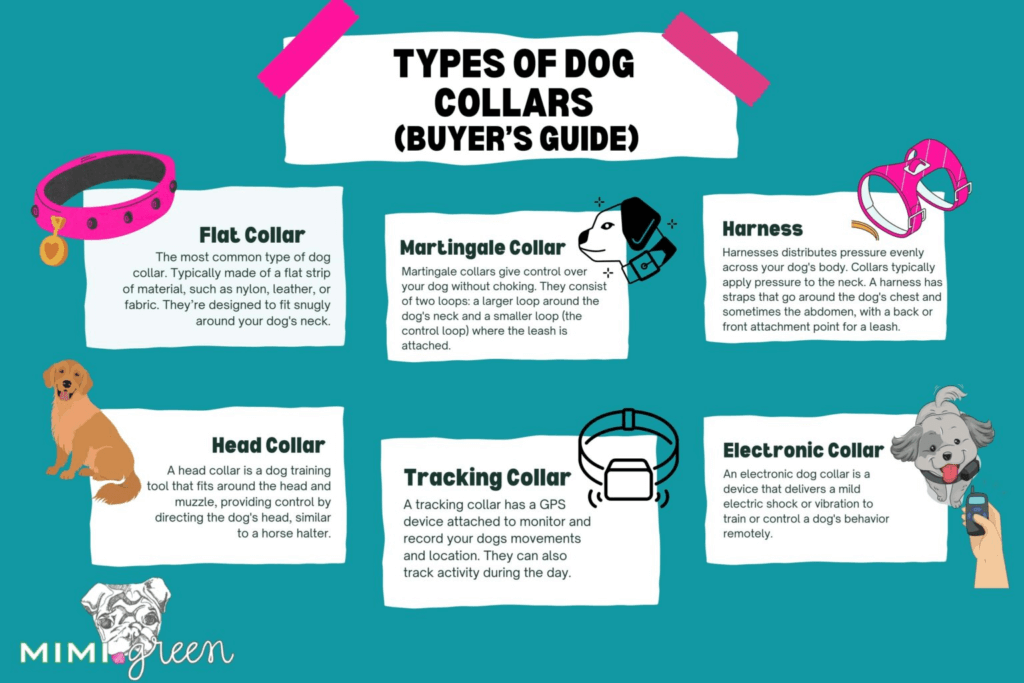
While recovery tools like cones require careful sizing to work, your dog’s everyday collar should fit just as perfectly. Visit our Types of Dog Collars guide to explore which everyday collar style might suit your pup best.

Your dog’s breed, flexibility, wound location, and personality all shape what will work best. Stay calm, work closely with your veterinarian, and be open to combining multiple tools if needed.

Before You Go: Let’s Talk About Everyday Collars

If you’ve made it through the challenge of wound care, you know how much proper fit and comfort matter. And while Mimi Green doesn’t sell medical cones or braces, we do believe every dog deserves a collar that fits as thoughtfully as their recovery tools.

At Mimi Green, we hand-make custom dog collars designed for your pup’s everyday adventures, not just medical situations. Whether it’s our soft velvet, waterproof Biothane, or lightweight cotton options, our collars are made to fit your dog’s unique size, coat, and style. 

Many of our customers first discover us while solving problems like irritation from poorly sized collars, long before or after surgery ever becomes a concern.

When your dog finally heals, give them a collar that feels as good as it looks. Explore our fully customizable collars, embroidered nameplates, and matching leashes, all made to order right here in the USA.

Because after the healing is done, your dog deserves something special 👉 Explore Mimi Green Collars now.

Best Fabrics for Dog Bandanas: A Full Guide

best fabric for dog bandanas guide

Cotton is the best fabric for dog bandanas: it’s breathable, soft, and safe for most pups. Flannel is good for winter but traps heat in summer. Avoid synthetics for sensitive dogs. Learn how to choose the right fabric based on coat type, season, activity level, and real-world pet parent advice.

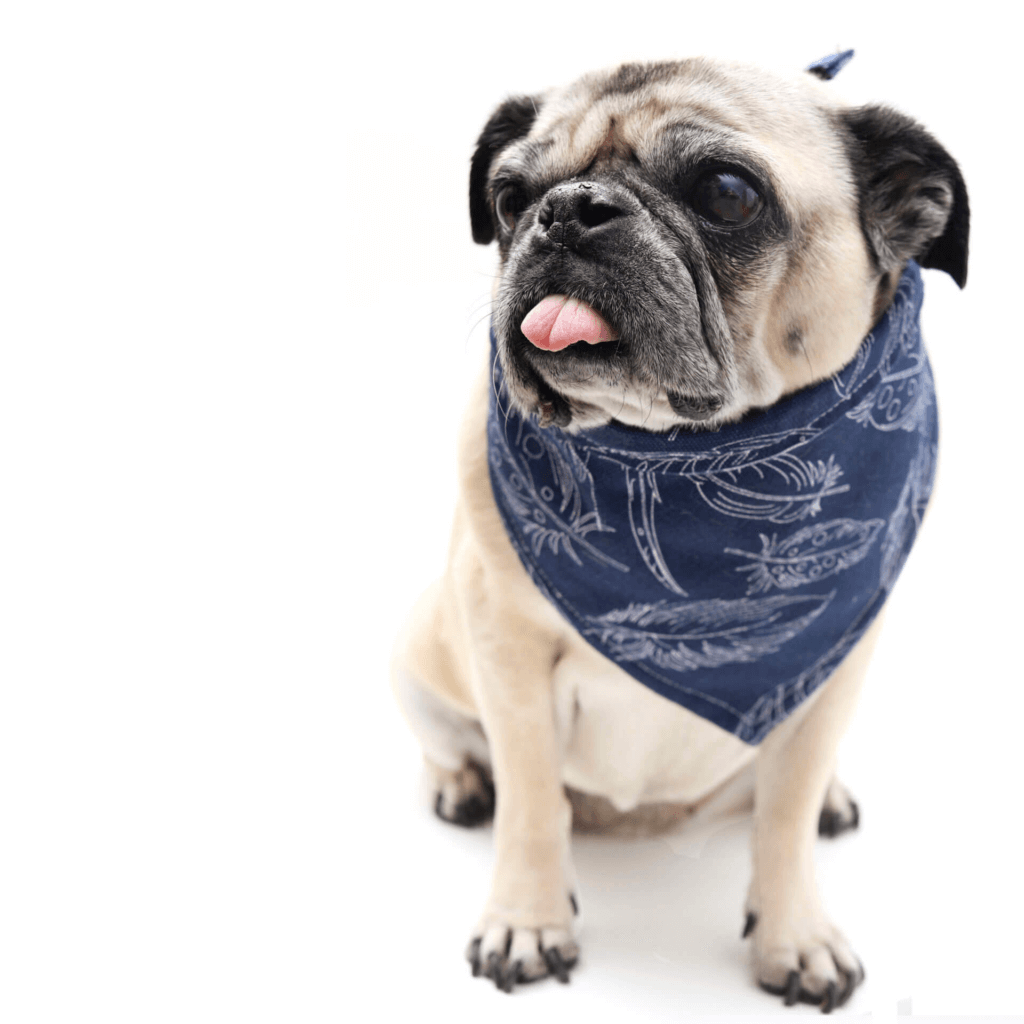
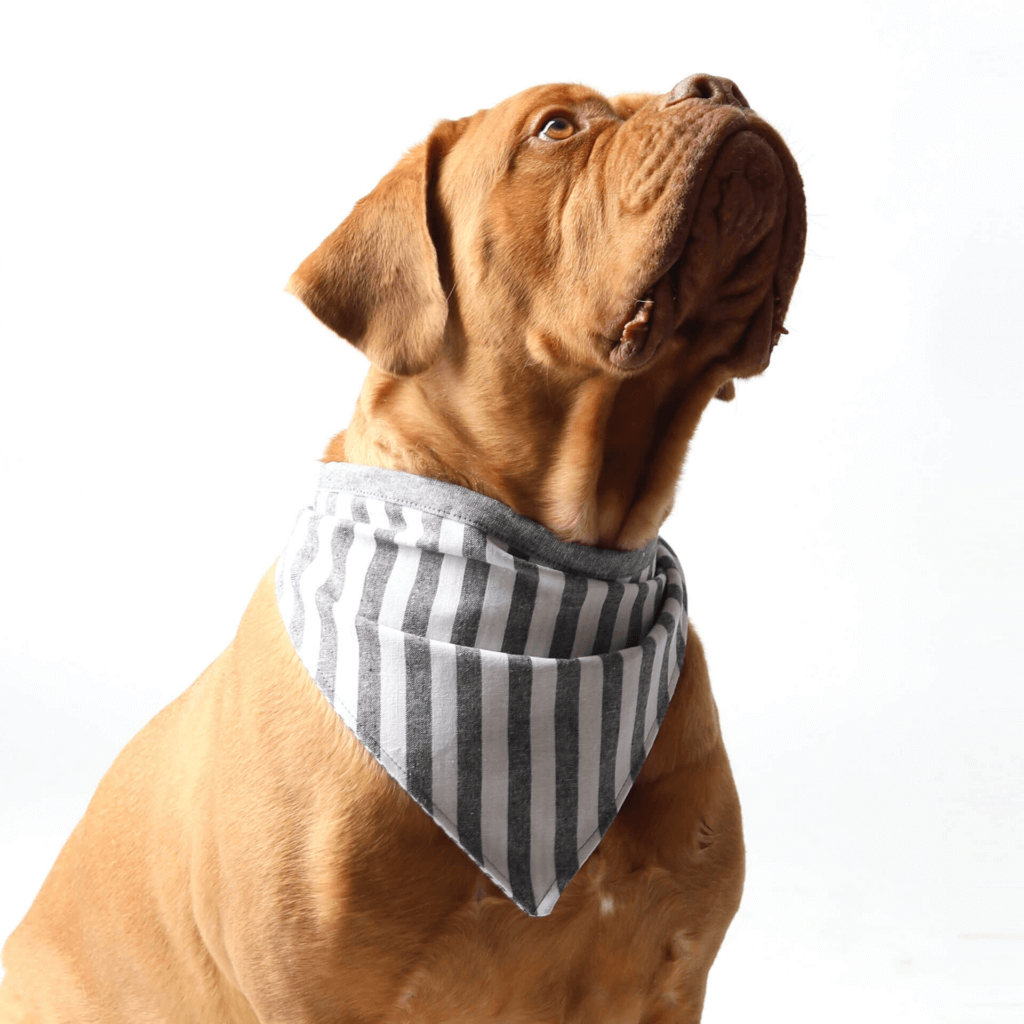
Dog bandanas do more than add flair, they need to fit your pup’s lifestyle, coat type, and comfort level. Whether you’re heading out for a hike or just taking cute photos for Instagram, the fabric you choose matters. Some hold up to mud and tugging, others shine in the sunshine, and a few can irritate your dog’s skin if you’re not careful. If you’ve ever asked, “What fabric should I use for my dog’s bandana?”, this guide is for you.

Why Fabric Choice Isn’t Just About Style

A bandana might look great in photos, but if it makes your dog itchy, overheated, or uncomfortable, it’s going to end up buried in the junk drawer.

Comfort and Breathability Count

The wrong fabric can cause more than just a fashion faux-paw. Dogs with sensitive skin might react to rough textures or synthetic fibers. Fabrics that trap heat or moisture can lead to overheating, especially in active dogs or warmer climates. That’s why breathability and softness should be top priorities, not afterthoughts.

Natural Fabric Matters

It’s a common concern we hear from pet parents. While polyester blends are known for their vibrant prints and easy care, they often retain heat. This can be uncomfortable (even risky) for dogs with thick coats or in hot, humid regions.

Single-Sided vs. Reversible Fabrics

Ever bought a bandana that looked amazing, until it flipped over and revealed a stark white backing? Fabrics with patterns on only one side can look unfinished or cheap. Reversible fabrics (with double-sided prints or rich color saturation throughout) ensure your pup looks polished from every angle.

The 5 Best Fabrics for Dog Bandanas: Real Pros & Cons

1. Cotton – The All-Around Winner

Cotton tops nearly every list, and for good reason. It’s soft, breathable, hypoallergenic, and washes like a dream. Whether you’re making a DIY bandana or shopping for one made to last, cotton is usually a safe bet.

  • Gentle on skin, even for allergy-prone pups
  • Lightweight enough for warm weather, but works year-round
  • Look for pre-washed or colorfast cotton to avoid shrinking or dye bleeding

At Mimi Green, we love working with cotton because it holds up beautifully without sacrificing comfort. Plus, it’s versatile, think batik, gingham, or even Liberty lawn for a touch of vintage flair.

2. Flannel – Perfect for Cold Noses

There’s nothing cozier than a flannel bandana in fall. It’s soft, insulating, and full of personality. But don’t let the plaid fool you, it’s better for crisp air than summer sun.

  • Excellent for chilly climates or dogs who get cold easily
  • Heavier weight makes it drape beautifully
  • Can overheat dogs during warmer months

Can I use flannel fabric for dog bandanas? Absolutely, but stick to cooler seasons or short-haired pups who need a little extra warmth.

3. Performance Fabrics – For Adventure Dogs

If your dog loves muddy trails and splashy creek stops, you’ll want a bandana that can keep up. Enter performance fabrics like Adventure Fabric and Active Knit.

  • Quick-drying and dirt-resistant
  • Soft and stretchy for a flexible fit
  • Cooling effect when damp, great for hot hikes or summer walks

These fabrics don’t just resist stains, they stay put through zoomies and roll-arounds. That’s why we offer performance-focused bandanas at Mimi Green with built-in durability and real function.

4. Rayon, Lawn, and Voile – Light and Fancy

For pups who want a little flow and finesse, these fabrics bring the glam. Rayon, cotton lawn, and voile are lightweight, breathable, and have that dreamy drape that looks great in motion.

  • Soft against fur, especially for long-haired breeds
  • Moves well and looks polished
  • Slightly more delicate, better for stylish strolls than rugged play

5. Polyester Blends – Bold Prints, Less Breathability

Polyester blends are everywhere, and for good reason. They hold color brilliantly and are wrinkle-resistant, a bonus for those last-minute photo ops. But they’re not for every pup.

  • Great for vibrant, lasting prints
  • Easy to wash, won’t fade quickly
  • Can trap heat and cause irritation on sensitive skin

We often steer customers toward natural fabrics unless the polyester is blended with something breathable or designed for performance. Synthetic doesn’t mean “bad,” but it does mean “be choosy.”

How to Match Fabric to Your Dog’s Needs

Based on Coat Type

  • Short-Coated Dogs: Smooth, breathable fabrics like cotton or Active Knit work best. These materials are gentle against the skin and help regulate body temperature without adding bulk.
  • Long-Coated Dogs: Choose fabrics that won’t cause tangling. Voile, rayon, or cotton lawn glide over fur without matting it. A flowy drape prevents that puffed-up look that thick fabrics can create.

Based on Activity Level

  • For Chill Pups: A soft cotton or cotton-rayon blend provides everyday comfort without sacrificing style. These fabrics work well for relaxed strolls or indoor lounging.
  • For Playful Explorers: Durability matters. Adventure Fabric and high-quality polyester blends resist tearing and stand up to dirt, tugging, and muddy roll-fests. Look for reinforced edges or snap closures that hold firm.

Based on Climate

  • Hot Weather Dogs: Go lightweight. Breathable cotton or moisture-wicking knits (like Active Knit) keep dogs cool and dry. These are also great for dogs prone to overheating or with short snouts.
  • Cold Weather Dogs: Flannel and double-layer cotton provide extra insulation when temps drop. These materials are especially comforting for smaller or short-haired breeds that need warmth.

3 Things You Should Know About Bandanas

  • Best fabric: Cotton wins again, it’s versatile, breathable, and available in endless prints. Want function and flair? Look for cotton blends with a soft drape and reinforced stitching.
  • What about gauze cotton? It depends on the quality. Ultra-thin gauze wrinkles fast and looks sloppy, but heavier cotton gauze with a textured weave can work beautifully, especially when pre-washed or layered.
  • Which materials are safe for dogs with allergies or sensitive skin? Stick with organic and certified cottons. Avoid synthetics, especially if your dog has had past skin irritation. Natural fibers with minimal dye are the gentlest option.

DIY Tips: Making Your Own? Read This 3 Tips

  • What fabrics work with home sewing machines? Stick with lightweight to medium-weight woven cottons, cotton lawn, or pre-treated flannel. Avoid stretch knits unless your machine can handle elastic threading.
  • How to avoid fraying, puckering, and shrinkage: Finish edges with a tight zigzag or serger. Pre-wash your fabric to eliminate surprise shrinkage. And always use high-quality thread, your bandana’s only as strong as its seams.
  • Unique tip. Liberty lawn gets softer with multiple washes: It’s true! This high-thread-count cotton may start crisp, but after a few gentle washes, it feels like silk, without the upkeep.

The Paw-fect Fabric Depends on Your Pup

There’s no one-size-fits-all answer when it comes to the best fabric for dog bandanas. What works for a short-haired pup in Arizona won’t suit a shaggy floof in Maine. Your dog’s coat, climate, and energy level all play a role in choosing a bandana that looks great and feels even better.

Upgrade Their Collar Game with Mimi Green

If you’re already putting this much thought into bandana fabrics, your dog’s collar deserves just as much love.

At Mimi Green, we obsess over fabric just like you do. Looking for:

Every collar is made-to-order, sewn in the USA, and designed to fit your dog’s lifestyle and their style. With endless ways to customize, from fabric to hardware to engraved nameplates, your pup’s collar becomes more than a necessity. It becomes theirs.

Explore our one-of-a-kind collar collection at Mimi Green, and give your dog comfort and personality in every stitch.

Do Vibrating Dog Collars Work? Pros, Cons & Training Tips

Yes, vibrating dog collars can work, but only when used properly with positive training. They’re best for behavior interruption, not punishment. Learn when to use them, how to train step-by-step, how long your dog should wear one, and why some dogs dislike the sensation.

It’s time to pause and ask: what’s driving the behavior? Vibrating dog collars are marketed as gentle solutions, but do they really help? Or do they just mask the symptoms?

This guide unpacks how vibrating collars work, who they’re for, and how to use them in a way that supports, not sabotages, your dog’s well-being. 

If you’ve ever asked, “Will this make my dog more anxious?” or “Am I just being lazy?”, you’re not alone. We’re here to walk you through the facts, fears, and step-by-step training that actually works.

What Is a Vibrating Dog Collar, and How Does It Work?

A vibrating collar uses a tactile signal, a buzz or vibration, triggered by your dog’s bark (or a remote control) to interrupt the behavior. Unlike static collars, there’s no shock involved. The goal is to shift your dog’s attention without pain, letting you redirect their energy into something positive.

These collars often come with adjustable intensity settings, helping you match the level of feedback to your dog’s size and temperament. When used thoughtfully, they can be a helpful part of a broader training plan, not a magic fix.

Vibration vs. Shock: What’s the Difference?

Let’s clear the air: vibrating collars are not shock collars. While shock collars deliver electric stimulation to stop unwanted behavior, vibrating collars use a gentler approach, just enough sensation to break a dog’s focus and create a moment of pause.

That pause is your window. It’s where you step in with a treat, cue, or redirection to reinforce what you do want. Think of vibration as a tap on the shoulder, not a punishment.

Who Should (and Shouldn’t) Use a Vibration Collar?

Vibrating collars can be helpful for:

  • Dogs who bark at non-threatening stimuli like the doorbell or mail truck
  • Easily distracted dogs who benefit from a gentle interrupt
  • Deaf dogs who can’t respond to verbal cues
  • Owners committed to pairing vibration with clear, positive training

However, they’re not suitable for:

  • Fearful or anxious dogs, vibration may worsen their stress
  • Dogs prone to aggression, the collar could suppress warnings like growling
  • Puppies under 6 months whose behavior and nervous system are still developing
  • Anyone hoping for a quick fix without addressing why the behavior is happening

When Does a Vibration Collar Make Sense?


I can think of three scenarios.

Vibrating collars are most helpful when barking or ignoring commands stems from attention-seeking, boredom, or predictable triggers. That’s not to be confused with deep-seated anxiety or fear. For example, if your dog barks wildly every time someone passes by the window, a gentle vibration can pause the frenzy long enough for you to redirect with training.

They’re also an excellent option for off-leash recall training

Whether you’re hiking, playing in open fields, or just letting your dog roam the backyard, a vibration can serve as a clear, non-verbal cue to “come back now,” especially when your voice might not carry or you’re trying not to startle wildlife.

Lastly, vibration collars offer a thoughtful alternative for deaf or hard-of-hearing dogs. Instead of yelling or waving your arms, you can “speak” to your pup through sensation, a bonding experience that, when used respectfully, builds serious trust.

Do Vibrating Collars Actually Work?

When used as part of a consistent, reward-based training plan, vibrating collars can reduce unwanted barking. Some dogs respond quickly, others need time and a steady routine. This isn’t about silencing your dog, it’s about giving them better tools to communicate.

But here’s the thing: the collar won’t train your dog for you. It’s just a signal. The real change comes when you show your dog what to do instead of barking, like offering a toy, going to a mat, or checking in with you.

Why Some Dogs Ignore or Hate Vibration

Some dogs shrug off the buzz entirely. Others find it startling or upsetting, especially if it arrives out of the blue. If your dog freezes, flattens, or looks panicked when the collar activates, that’s a sign it’s doing more harm than help.

And let’s be honest: a few will outsmart the system. Dogs are clever. If they associate the collar with something scary, or if the vibration feels random, they may start to bark more, or worse, internalize their stress.

Training Success Depends on You, Not Just the Tool

Here’s where many owners go wrong. They rely on the collar as a shortcut, hoping it’ll “fix” barking without understanding why their dog is vocalizing. But barking is communication. And silencing it without context doesn’t solve the problem, it just buries it.

Training with a vibration collar means knowing your dog. Watching their body language. Timing your corrections. And always, always, rewarding the good stuff.

If you’ve ever wondered, “Will this make my dog more anxious?” you’re asking the right question. The answer depends on how you use it. Done right, it can support your training. Done wrong, it can damage your bond.

Why Vibration Collars Sometimes Backfire 

Using It As Punishment Instead of an Interrupter

A vibration should never say, “You did something bad.” It should say, “Hey, pay attention, I’ve got a better idea.” If you use it to punish, you risk making your dog afraid of barking, of the collar, or of you.

Dogs who feel punished for expressing themselves may skip warning signs, like growling, and go straight to biting. That’s not progress. That’s danger.

Poor Timing and Inconsistent Use

“Timing is everything” isn’t just a cliché, it’s your training lifeline. If the collar buzzes too late, your dog won’t connect the dots. If it activates randomly (say, from a neighbor’s dog barking), you risk confusing or scaring your pup.

One owner put it perfectly: “What if I time it wrong and punish calm behavior?” That’s the fear. And it’s valid. That’s why you need to observe, test, and adjust carefully before relying on the collar full-time.

Ignoring the Root Cause of Barking or Reactivity

A vibrating collar doesn’t teach your dog why to stop barking, it just interrupts the behavior. If the root cause is boredom, anxiety, or fear, the vibration might stop the sound but amplify the emotion.

Instead of masking the issue, use the collar as part of a bigger training plan. That could mean more enrichment, a quieter environment, or help from a certified trainer.

Step-by-Step: How to Train a Dog with a Vibration Collar

Success with a vibration collar isn’t about flipping a switch, it’s about building trust. Training should feel like a shared language, not a one-sided command. Follow these steps to get started the right way.

Step 1: Let Them Wear It First (and Make Sure It Fits Right)

Here’s something people often skip: make sure the collar actually fits

A collar that’s too tight can rub or pinch, while one that’s too loose won’t deliver a consistent signal. Think of it like a comfy pair of shoes: you want snug, not stiff.

We hand-make every collar to fit your pup just right, using soft, stylish materials that feel as good as they look. While vibration collars are typically separate training tools (often used alongside your dog’s regular collar), many pet parents pair them with our custom pieces so their dog stays safe, stylish, and easy to identify—even during training.

Not sure what size to get? We’ve made it simple. Check out our Dog Collar Size Chart to find your dog’s perfect match.

Step 2: Introduce the Collar Without Activating It

Let your dog wear the collar like any other accessory. No buzz. No cues. Just time to get used to the fit and feel. We recommend doing this over a few short sessions per day.

Step 3: Pair Vibration with a Cue and Positive Reinforcement

Once your dog is comfortable, activate the vibration briefly and immediately offer a cue, like “watch me” or “come.” Reward your dog with treats or praise the moment they respond.

The vibration isn’t the training, it’s just the signal. The learning happens when your dog starts associating that buzz with a fun, familiar task and a reward that feels worth their while.

Step 4: Use It to Interrupt, Then Redirect

If your dog barks at the mail carrier or lunges at squirrels, use the vibration to break that mental loop. But don’t stop there, redirect your dog into a more productive behavior. That might be sitting, making eye contact, or going to a “place” mat.

The collar should always lead your dog toward success, not away from communication.

Step 5: Monitor and Adjust Sensitivity

Most vibrating collars come with adjustable intensity. Start on the lowest setting and observe your dog’s response. Some dogs need a gentle tap; others require more stimulation to notice.

If your dog startles, freezes, or shows fear, lower the level, or pause training entirely.

How long can a dog wear a vibration collar? No more than 12 hours a day. And even within that window, it’s best to take regular breaks. The collar should feel like support, not a leash your dog can’t escape.

Can Vibrating Collars Fix Barking? (Spoiler: Not Alone)

If your dog barks at every sound, shadow, or shift in the wind, it’s tempting to look for a fast fix. But barking isn’t the issue, it’s a message. And if you mute the message without addressing what’s behind it, the problem tends to find a new outlet.

When Barking Is a Symptom, Not the Problem

Barking can signal excitement, fear, boredom, loneliness, or frustration. A vibration might stop the noise temporarily, but unless you figure out what your dog is trying to say, the behavior won’t truly change.

That’s why we say: don’t just train the bark, train the why.

Pairing Tools with Emotional Conditioning

Try using vibration collars alongside desensitization. For example, if your dog reacts to passing cars, play soft recordings of street sounds while rewarding calm behavior. When a real car goes by, the vibration becomes a cue, not a punishment, and your dog is better prepared to choose calmness.

Better Alternatives for Fear-Based Barking

Fear doesn’t respond well to interruption, it needs comfort and confidence. In those cases, swap the vibration collar for:

  • Licky mats to soothe nervous pups
  • Snuffle toys to redirect energy
  • Soft, well-fitted collars that don’t trigger discomfort

If you’ve ever asked, “Am I punishing fear with more fear?”, the answer might be yes. But it doesn’t have to be. With the right tools and timing, you can respond to fear with safety, not silence.

Things You Must Know About Vibrating Collars

  • They don’t work instantly: Like any training tool, they require consistency, observation, and follow-through. Some dogs respond within days, others take weeks. Quick results aren’t always lasting results.
  • Watch out for puppies: For puppies under 6 months, most experts say wait. Young pups are still developing, and training should prioritize socialization and gentle handling.
  • Don’t let your dog become afraid: If used incorrectly, yes. Dogs can associate the collar or even your presence with discomfort if vibration comes without guidance or reward. That’s why timing and positivity are non-negotiable.
  • Be careful with multiple dogs: One dog’s barking can trigger another dog’s collar if it’s sound-activated. That can lead to confusion, or unintended punishment for the wrong dog.

When NOT to Use a Vibrating Collar

There are times when even a gentle cue like vibration is too much. In these cases, your dog needs compassion, not correction.

  • Your Dog Is Anxious, Fearful, or Reactive: If your dog startles easily, growls often, or struggles with change, a vibration might push them further into stress. Fear-based behavior needs emotional support, not sensory disruption.
  • You’re Not Ready to Commit to Daily Training: No collar will replace your presence, patience, or praise. If your schedule doesn’t allow for consistent follow-up, the collar won’t work, and your dog may end up more confused than ever.
  • You’re Hoping for an Instant Fix: We get it. Barking can fray nerves and test relationships. But your dog isn’t trying to be difficult, they’re trying to tell you something. If you’re only looking to silence the sound, the collar may “work”, but your dog may stop trusting the message ever gets through.

The Bottom Line: Are Vibration Collars Worth It?

Vibrating dog collars can be helpful, but they’re not a standalone solution, and they’re definitely not a shortcut. Used thoughtfully, they can interrupt unwanted behavior, support communication with deaf dogs, and help with mild distractions. But used in isolation or out of frustration, they risk damaging the very trust you’re trying to build.

The dogs who thrive with vibration collars are the ones whose people stay engaged, rewarding calm choices, redirecting energy, and seeing barking for what it really is: communication. Tools don’t train dogs. People do.

So if you’re committed to helping your dog learn with confidence, consistency, and compassion, then yes, this tool might be part of your journey. Just make sure it’s paired with the love and strategy your dog deserves.

Want to Skip the Confusion? Start with the Right Collar

If you’re still feeling unsure, you’re not alone. Training tools can be overwhelming, but the right collar shouldn’t add to the stress.

At Mimi Green, we believe training starts with comfort, trust, and style. That’s why every collar we make is crafted to support your dog’s needs, not just your goals.

  • Gentle Materials, Custom Fit: Our collars are made-to-order in the USA with soft velvet, waterproof webbing, or reflective finishes to fit your dog’s size, coat, and lifestyle. No scratchy nylon. No generic sizing. Just thoughtful design that supports your training.
  • Collars for Deaf Dogs and Specialized Needs: For dogs who can’t rely on verbal cues, a collar with a tactile or visual focus becomes part of the conversation. Our handcrafted designs keep them comfortable while you focus on building connection.
  • Style That Speaks: Training doesn’t have to look clinical. Our personalized collars bring flair and functionality together, so your pup can learn in comfort and look good doing it.

If your dog needs a collar that’s as unique as their personality, and designed with purpose in every stitch, we’ve got you covered.

Explore the Mimi Green collection today, and start building a better bond with every walk, cue, and cuddle.

Dog Harness Size Chart: Find Your Dog’s Perfect Fit

Measure your dog’s chest girth behind the front legs. Use this chart to match girth and weight to sizes. Follow our step-by-step guide to avoid common fitting mistakes.

Once you have that chest measurement, match it to the brand’s size chart. Be aware that size labels (Small, Medium, Large) vary between companies. A French Bulldog and a Whippet might weigh the same but need completely different sizes due to their unique builds.

Quick Sizing Chart for Fast Answers

These numbers are a helpful starting point, but brands can vary. Some will call a 21” chest a Medium, others a Large. That’s why measuring your dog is always the first, and most reliable, step.

Why Harness Fit Matters

A harness that fits poorly changes how your dog experiences every walk. If your dog starts dreading their harness, it’s often because it feels uncomfortable every time you slip it on. Pressure points that dig into soft tissue or pinch under the legs can turn a simple walk into a frustrating event for you both.

Even well-meaning owners can accidentally contribute to behavior issues when a harness restricts movement. Dogs pulling harder on the leash, veering awkwardly to one side, or trying to wriggle free may not be acting stubborn, they may simply be reacting to discomfort. A bad fit affects control, safety, and training outcomes.

For growing puppies, a poorly fit harness today might be completely unworkable next month. Flexibility in sizing, both in design and adjustability, is what allows your dog’s harness to remain useful as they grow, gain muscle, or change shape.

Step-by-Step: How to Measure Your Dog for a Harness

1. Measure Chest Girth

This is the most accurate indicator of harness size.

  • Wrap a soft tape measure around your dog’s chest directly behind the front legs, at the widest part of their ribcage.
  • Flatten or part thick fur to get a true measurement close to the skin. Measuring over fluffy coats leads to oversizing.

2. Measure Neck

Some harness styles include adjustable neck straps. Measure around the base of the neck where a collar typically sits.

3. Check Back Length

Certain Y-style harnesses require you to know the length between the base of the neck and just behind the front legs.

4. Consider Breed Body Shape

Not all 30 lb dogs are built alike. A lean, long-backed dog may need a very different size than a stocky, barrel-chested one.

5. Use the “Two-Finger Rule”

Once the harness is fitted, you should be able to slide two fingers comfortably between your dog and the harness at every contact point.

Real Life Sizing Struggles

“I measured but still got it wrong”, Why charts confuse people

It’s easy to misinterpret charts that rely on letter-coded diagrams (A, B, C, D) without clear visuals. Some people mistakenly measure leg circumference or too far forward on the chest.

Breed-specific pain points

  • Broad-chested breeds like French Bulldogs and Bulldogs often need shorter, wider harnesses.
  • Long-backed dogs like Dachshunds and Italian Greyhounds fall between sizes.
  • Deep-chested sighthounds like Greyhounds or Whippets require specialized proportions.

Seasonal coat changes affect fit

Breeds like Poodles, Doodles, and Huskies can shift harness sizes depending on grooming or seasonal shedding. Measure again after major coat changes.

Escape artists need special fit attention

Dogs prone to backing out of harnesses need more coverage, snugger fit around the chest, and sometimes multi-strap designs to prevent wiggle escapes.

How to Avoid the Top 5 Harness Fit Mistakes

Even with measurements in hand, there are a few common missteps that trip up many dog owners:

  • Guessing by weight alone: A 30-pound Dachshund and a 30-pound Cocker Spaniel have entirely different frames. Chest girth tells you far more than the number on the scale.
  • Measuring over fluffy fur: Always part or flatten thick fur before measuring. Oversized measurements from fluffy coats lead to loose, ill-fitting harnesses that slip or chafe.
  • Ignoring breed body shape: Barrel chests, long backs, short legs, or lean frames often push dogs between standard sizes. Breed characteristics matter just as much as measurements.
  • Not checking fit after grooming: After a major grooming or seasonal coat change, recheck the fit. A freshly trimmed coat can drop a size, while winter growth may require extra room.
  • Overlooking neck-to-belly strap length: Especially with Y-harnesses, the length between neck and chest straps affects shoulder movement and leg clearance. Too short, and the harness can restrict motion.

Which Harness Style Fits Best?

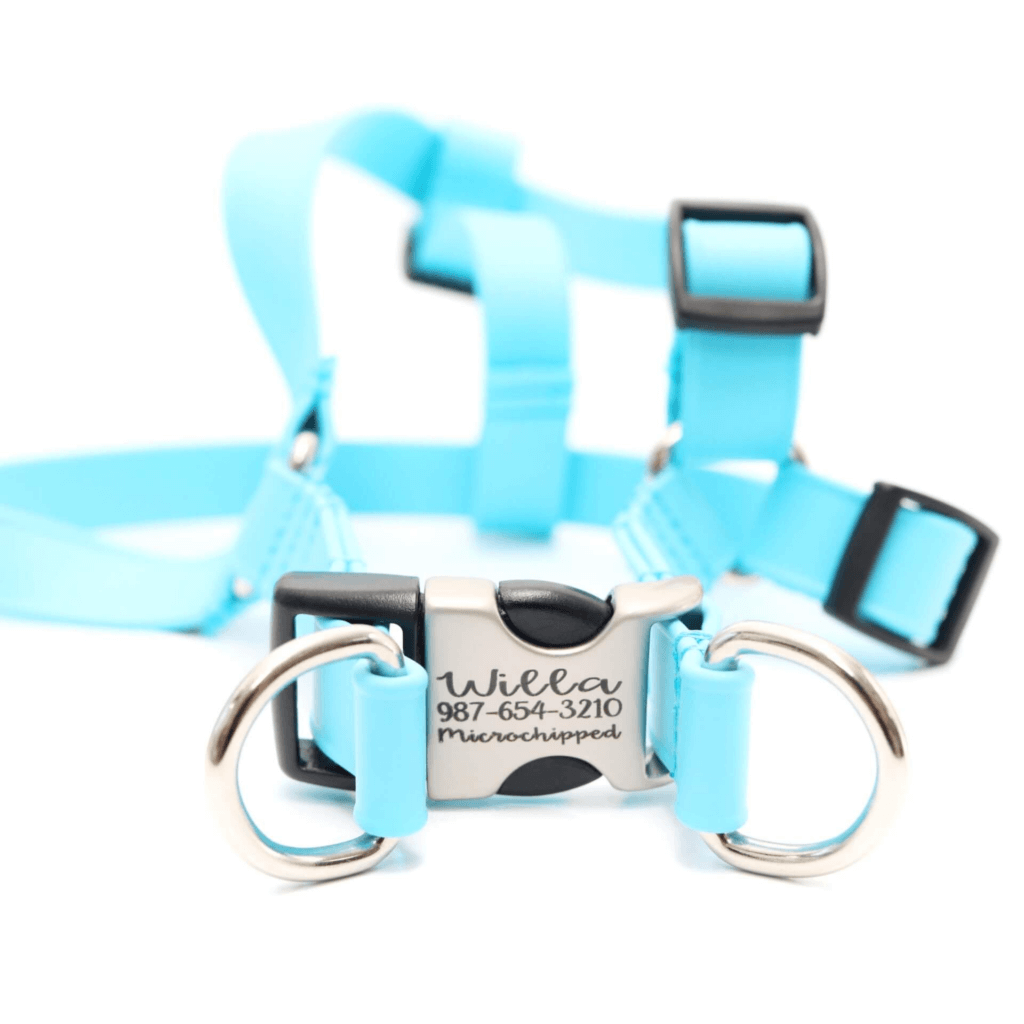
Photo source: Step-In Lightweight Biothane Dog Harness.

  • Y-Harness (best for shoulder freedom): Y-shaped harnesses allow full range of shoulder movement, making them ideal for active dogs. They also distribute pressure more evenly across the chest.
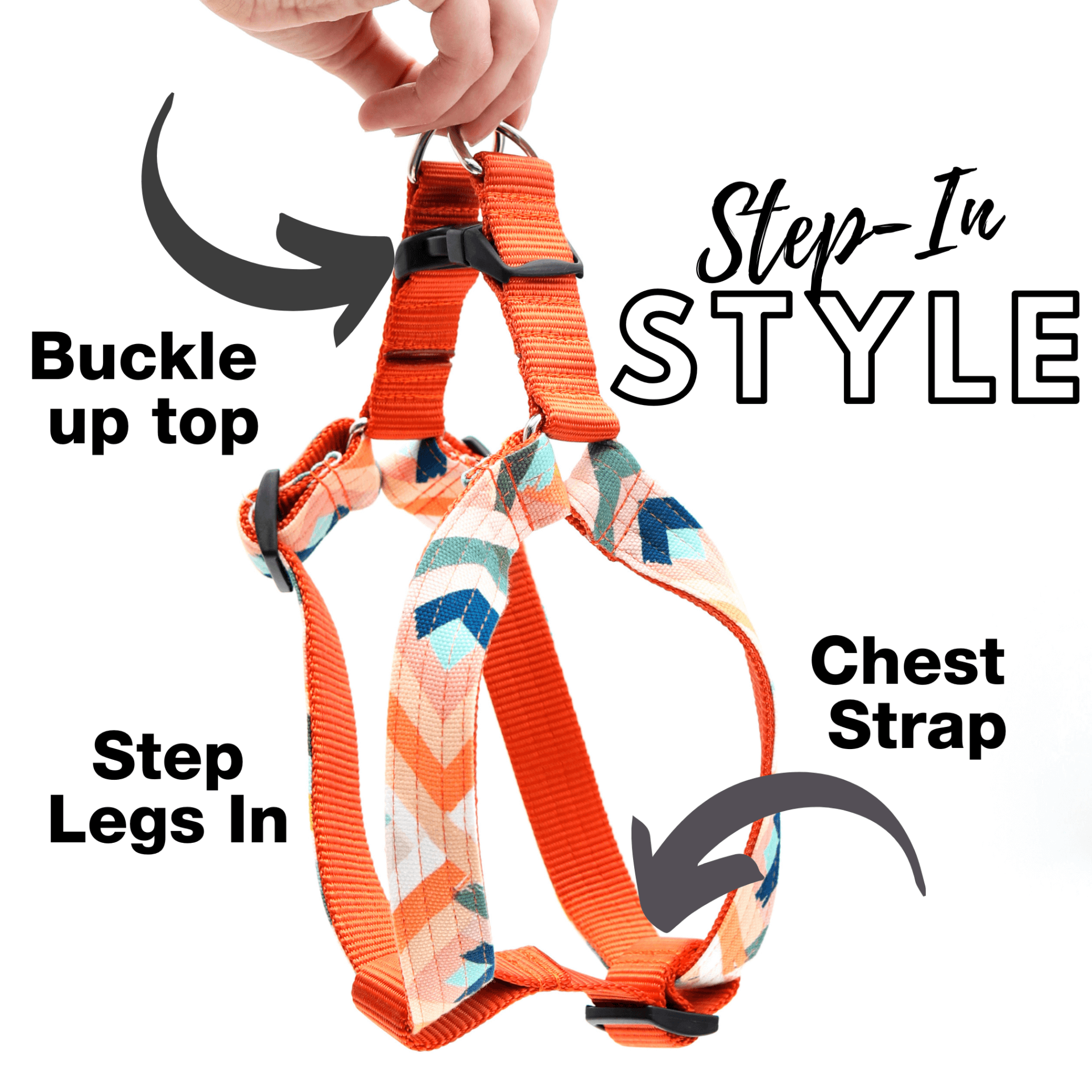
  • Step-In Harness (simple but limited adjustability): Step-in designs are quick and easy to use, but offer less flexibility for tricky body shapes. They’re often better for small dogs with proportionate frames.
  • Escape-Proof Harness (multi-strap designs for Houdinis): For dogs skilled at slipping free, multi-strap designs with chest, belly, and secondary girth straps provide additional security and coverage.

When to Contact Customer Support for Sizing Help

If you find yourself hesitating between two sizes, or struggling to adapt standard charts to your dog’s unique shape, don’t guess. Reaching out to a brand’s sizing specialist can save you the frustration of returns and the cost of getting it wrong. With direct guidance, many owners avoid multiple exchanges and ensure their dog’s harness fits from the start.

Mimi Green’s Handmade Advantage

Every dog deserves a harness that feels like it was made just for them, because at Mimi Green, it is. Unlike mass-produced options that force dogs into generic sizing, we handcraft every harness to order right here in the USA.

  • Choose from velvet, waterproof Biothane, reflective materials, or soft canvas, each suited to your dog’s lifestyle.
  • Customize everything from width to hardware to ensure your dog’s comfort and safety.
  • Add personalized engraving directly onto the buckle, eliminating the need for noisy tags and providing instant ID if your dog ever slips away.

When your harness starts with your dog’s measurements, not just a size label, you avoid nearly every sizing headache listed above.

The Bottom Line: Get It Right The First Time

A harness that fits well helps your dog move naturally, keeps them safe on walks, and makes every outing something you both enjoy. Don’t let poor fit turn daily walks into a struggle. Measure carefully, choose thoughtfully, and when in doubt, go custom.

Custom Harnesses Made to Fit Your Dog, Not the Chart

You’ve measured, compared size charts, and still find yourself wondering if any off-the-shelf harness will truly fit your dog’s unique body. You’re not alone. That’s why Mimi Green exists.

Instead of settling for “close enough,” let us build your dog’s harness the way it should be:

  • Custom fit based on your dog’s true measurements, no guessing, no compromises.
  • Wide adjustability to grow with your puppy or adapt through seasonal coat changes.
  • Durable materials like waterproof Biothane and soft velvet that combine style with function.

Our small team handmakes every piece with care, because your dog is part of your family. Let’s make something worthy.

👉Shop our custom harnesses today and finally cross “perfect fit” off your list.

Do Dogs Like Collars? Comfort, Fit & Behavior Guide

Most dogs like collars when they fit well and are linked to positive routines. Poor fit, rough materials, or past trauma can cause discomfort or anxiety. Choose soft, custom-fit collars and introduce them gently to build lifelong comfort and trust.

Choosing the right collar has a direct impact on your dog’s daily comfort and emotional well-being. The material, fit, and even the timing of when your dog first experiences a collar can shape their lifelong attitude toward wearing one.

We’ve found that a dog may not enjoy their collar for three reasons. Lucky for you, we have three guides on each situation:

Why Dogs Like Collars: Security, Routine & Positive Associations

Collars as Predictable Routines (Classical Conditioning)

Dogs thrive on predictability. When the collar comes out, they often know what’s next, walks, car rides, playdates. This connection between the collar and enjoyable activities is a textbook example of classical conditioning. Over time, the collar itself becomes a signal that fun is on the way.

It’s not just the activity; it’s the anticipation that brings many dogs running when they hear the collar jingle.

The Security Blanket Effect

For some dogs, the collar becomes more than just a symbol, it becomes part of how they feel secure. Like a weighted blanket might soothe a person, the gentle pressure and familiarity of their collar can be grounding. Some dogs even seem unsettled when their collar is removed, as if a part of their routine is missing. Owners often describe their dogs appearing “naked” or anxious without it.

Why Some Dogs Dislike Collars: Past Trauma & Physical Discomfort

Negative Experiences Create Aversion

Not every dog starts with a clean slate. Rescue dogs or those exposed to abuse, choke chains, or overly tight collars may link collars with fear or pain. These past experiences can lead to strong resistance when introducing or reintroducing collars. In these cases, building trust and using gentle, reward-based desensitization is critical.

Is It Uncomfortable for Dogs to Wear Collars?

Even without trauma, discomfort often comes down to poor fit or materials:

  • Tight collars can cause friction burns, hair loss, and ongoing skin irritation.
  • Cheap nylon collars may contain harsh chemical dyes that aggravate sensitive skin.

This is why Mimi Green offers custom sizing and premium materials. Every dog deserves a collar that not only fits but feels good against their skin.

Helpful Resource -> 

Concerns About Collars at Home

Some owners notice their dogs getting anxious when their collar comes off, often because collar removal signals bath time or nail trims. Others worry about indoor safety, concerned that collars might get caught on furniture or crate bars during unsupervised time. These are valid concerns, and certain collar designs, like breakaway collars, can help address them.

Material Matters: How the Right Collar Solves Most Problems

Photo Source: Hand Embroidered Velvet Dog Collar.

Not sure what size to choose? Use our Dog Collar Size Chart to ensure your pup gets the perfect fit right from the start. https://www.shopmimigreen.com/dog-collar-size-chart/

Best Materials for Comfort

The choice of material makes a real difference in how your dog feels about their collar:

  • Leather softens with time, creating a flexible, durable fit that adapts to your dog’s shape.
  • Biothane is waterproof, odor-resistant, and perfect for adventurous dogs who love mud, water, or snow.
  • Velvet collars provide a soft, lightweight option for short-haired dogs with sensitive skin.

For Chewers & Escape Artists

Dogs who chew or wiggle free from standard collars need extra support

Martingale collars gently tighten to prevent escape, ideal for narrow-headed breeds like Greyhounds and Whippets.

Every material we use is carefully chosen to balance beauty, function, and your dog’s comfort, because a collar should never be a compromise.

But if you’re still wondering which style suits your dog best, explore our guide on Types of Dog Collars to find the perfect match for your pup’s needs and personality. 

Should Dogs Wear Collars Indoors All the Time?

Whether dogs should wear collars indoors sparks strong opinions. Some owners appreciate the sense of security a collar provides, even indoors, while others worry about the potential risks.

On the one hand, dogs who’ve learned that wearing a collar means good things, attention, treats, or going outside, may feel more secure with it on. The familiar weight can be comforting, much like a person wearing a favorite bracelet or necklace.

On the other hand, unsupervised indoor wear carries some risk. Collars can snag on furniture, crates, or vents, especially for curious or active dogs. For this reason, many owners opt for breakaway collars indoors. These special designs will release if snagged, reducing the chance of injury while maintaining the dog’s familiar comfort cue.

Some owners prefer no collar indoors at all, particularly for dogs prone to accidents. However, dogs who heavily associate their collar with their daily routine may act uneasy when it’s missing. As with many things, your dog’s individual behavior and environment should guide your decision.

How to Train Dogs to Like Their Collars

Step-by-Step Introduction for Puppies & Adults

A positive start makes all the difference. If your dog is new to wearing a collar, introduce it gradually:

  1. Create a calm environment. Avoid distractions like loud noises or visitors.
  2. Use treats to create positive associations. Let your dog sniff and explore the collar while rewarding them.
  3. Licky mats can be incredibly useful here. They keep your dog’s attention occupied, allowing you to gently slip on the collar while they stay focused on their reward.
  4. Start with short wear periods. A few minutes at a time allows your dog to adjust comfortably.

Gradually extend wear time as your dog relaxes. The goal is for your dog to associate the collar with treats, attention, and safety.

Rehabilitating Dogs with Past Collar Trauma

For dogs with painful histories, rebuilding trust takes extra patience:

  • Allow the dog to investigate the collar at their own pace.
  • Reward any interaction, sniffing, touching, or even glancing at the collar, with praise and treats.
  • Only advance to wearing when your dog shows consistent comfort at earlier stages.

Severely anxious dogs may benefit from working with a professional trainer familiar with positive reinforcement desensitization techniques.

Not sure what size fits best? Use our Dog Collar Size Chart to ensure your pup gets the perfect fit right from the start. 

Common Mistakes That Cause Collar Problems

Some of the most avoidable collar issues come from simple oversights:

  • Measuring by weight instead of actual neck size. Each dog’s build is unique; neck measurements are more accurate.
  • Not adjusting collars for growing puppies. Frequent checks are critical as puppies grow rapidly.
  • Ignoring coat changes. Dogs with long, thick coats may need different collar sizes after grooming or seasonal shedding.
  • DIY collars with weak stitching or shallow engraving. Poor quality can lead to fraying, failure, or illegible ID tags, especially after wear.

It’s time that we talk about our handmade, made-to-order collars allow for custom sizing, durable stitching, and deeply engraved nameplates that last.

Signs Your Dog May Be Bothered by Their Collar

Watch your dog’s body language to spot potential discomfort:

  • Persistent scratching or pawing at the collar.
  • Rubbing their neck against furniture, walls, or carpet.
  • Noticeable hair loss or thinning around the collar area.
  • Hesitation or resistance when it’s time to put on the collar.

If you observe these signs, check the fit, material, and possible skin sensitivities. A minor adjustment, or switching to a softer material, can dramatically improve your dog’s experience.

When Collars Become Emotional Keepsakes

Beyond their daily use, collars often hold deep meaning for pet owners. After a beloved pet passes, many families choose to preserve their collar as a memorial. Some turn them into:

  • Bracelets crafted from the collar material.
  • Keychains using engraved tags.
  • Candles or shrines adorned with the collar as a tribute.

We understand that every collar represents years of companionship, love, and loyalty. Each custom piece we create holds the potential to become one of these cherished keepsakes someday.

So.. Do Dogs Like Collars?

The answer is yes, for most dogs, collars are a comfortable and even reassuring part of daily life. But that comfort depends on three factors:

  • Fit: A properly sized collar prevents chafing, slippage, or tightness.
  • Material: Softer, well-made materials reduce irritation and ensure daily comfort.
  • Your Dog’s History: Early positive experiences and gentle reintroductions for rescues create lasting, happy associations.

The right collar can turn a basic accessory into something your dog genuinely enjoys wearing, a small piece of security wrapped gently around their neck.

Still Unsure Which Collar Fits Your Dog’s Personality?

Dogs have quirks, preferences, and a personality all their own, which is exactly why generic collars fall short.

At Mimi Green, we believe your dog’s collar should reflect everything you love about them:

  • Custom sizing ensures every collar fits your dog’s unique shape, whether they’re tiny, tall, or somewhere in between.
  • Premium materials like velvet, leather, Biothane, and silk create comfort tailored to sensitive skin, active adventures, or long-coated breeds.
  • Built-in personalization means your dog’s name, your contact info, or even unique embroidery become part of the design, not an afterthought.

When you choose Mimi Green, you’re not just buying a collar. You’re investing in comfort, safety, and a one-of-a-kind piece that celebrates the bond you share.

Your dog deserves more than a generic collar. Find their paw-fect fit with Mimi Green’s handcrafted, made-to-order collars, created with love, care, and a whole lot of style. Explore Our Designer Dog Collars Now.

Train Your Puppy to Walk Without Pulling

Start leash training at 8 weeks using short, calm sessions and high-value treats. Reward loose leash behavior and stop or change direction when pulling occurs. Begin indoors, build focus, and transition gradually outdoors. Use front-clip harnesses if needed for added control.

Here’s a quick TL;DR step-by-step guide:

  • Start Early – Begin around 8 weeks old with calm, short sessions.
  • Introduce Gear Gently – Use treats while fitting harness or collar.
  • Build Focus Indoors – Teach cues like “look at me” in distraction-free zones. Use treats to guide into heel position.
  • Stop Pulling Fast – If they pull, stop walking or change direction.
  • Add Distractions Gradually – Move to quiet outdoor areas once focused.
  • Fade Treats Over Time – Swap food rewards for praise and sniff breaks.
  • Stay Consistent – Use the same rules and routines every walk.


Pulling turns even simple walks into a frustrating struggle. The good news? With a few proven techniques, and a little patience, you can quickly turn those chaotic walks into peaceful, enjoyable outings. 

If you’re ready to dive into the full step-by-step plan for teaching loose leash walking, and avoid the headaches so many puppy owners face, keep reading.

When Should You Start Leash Training a Puppy?

The ideal time to begin leash training is when your puppy is about 8 to 10 weeks old. At this age, they’re curious, eager to please, and highly impressionable, perfect conditions for introducing leash manners. 

Starting early helps build habits before bad ones take root. Young puppies who learn that calm, loose leash walking earns rewards are far less likely to develop strong pulling habits later.

But what if your dog isn’t a puppy anymore? You haven’t missed your chance. While early training offers a smoother path, adult dogs can absolutely learn leash manners too. The saying holds true: you can teach an old dog new tricks. 

The process is the same, it may just take a bit more consistency, patience, and time to replace ingrained habits with new ones.

Oh, and don’t forget, for your pup to be comfortable on their leash, they need to be collar trained, too. 

Step 1: Introduce the Collar, Harness, and Leash Calmly

Before any formal training begins, help your puppy feel comfortable wearing their new gear. This is not the time for rushed fittings or sudden snaps of the buckle. Instead, choose a quiet space where your puppy is relaxed. 

Calm introductions lower anxiety and make future training much smoother.

One helpful tip many trainers recommend is using a licky mat smeared with a favorite treat. This keeps your puppy happily occupied while you gently slip on the collar or harness. The goal is simple: they should associate wearing their gear with pleasant experiences.

Pay attention to fit. Use the two-finger rule: you should be able to slide two fingers comfortably between the collar and your puppy’s neck. 

Too tight leads to discomfort and possible skin irritation; too loose risks safety and poor control. Puppies with extra-sensitive skin may benefit from materials like soft leather or Biothane, which help prevent collar rash and matting.

For tiny pups, even the lightest dog collars can feel bulky at first. Some owners temporarily use small, bell-free cat collars to get their puppy used to the sensation before transitioning to their long-term training gear.

Step 2: Build Focus Before You Walk

A calm puppy is easier to train, and building focus starts before the walk even begins. Teaching your puppy a cue like “look at me” or using a clicker helps create a consistent way to get their attention. 

When they respond to the cue by looking at you, immediately reward them. This simple habit will become your secret weapon when distractions pop up.

At first, practice in very low-distraction environments, like your living room. Keep sessions short and upbeat. 

Puppies have short attention spans, and you want to end each mini-session with them wanting more. Several 3-5 minute sessions spaced throughout the day will build a strong foundation faster than long, exhausting training attempts.

Step 3: The First Walk: Indoors First, Then Outdoors

Photo Source: Nylon Webbing Leash. 

When your puppy reliably responds to your focus cues indoors, you’re ready to begin short indoor walks. Use treats to guide them into the heel position, backing up a few steps while they follow you. 

This teaches them that staying by your side brings rewards.

Drop treats by your foot as you step forward, encouraging them to stay close and aligned with your pace. If they stray ahead, use gentle leash pressure as a cue to slow down and reconnect. 

The goal isn’t to restrain them physically, but to build their habit of watching you for guidance. Once your puppy masters these short, indoor sessions, you can gradually transition to outdoor environments, where new smells, sounds, and distractions challenge their focus.

Step 4: What To Do When They Start Pulling

Even with the best preparation, pulling happens. What matters is how you respond.

If your puppy surges forward, try the “be a tree” method: stop walking entirely. Stand still without tugging back. The moment your puppy stops pulling and turns toward you, praise and reward, then resume walking.

Sometimes, walking backwards briefly resets the puppy’s attention and communicates that pulling doesn’t move them forward, it takes them away from what they want. This backwards walking reset can quickly clarify expectations.

Random direction changes also build engagement. By switching directions unpredictably, your puppy learns to stay attentive to your movements. It turns the walk into a game that rewards focus.

Finally, if your puppy repeatedly pulls ahead, pause and ask for a sit before continuing. This sit-reset technique reinforces impulse control and keeps both of you calmly working together.

Step 5: Graduating to Real-World Walks (Distractions!)

Once your puppy walks nicely indoors, it’s time to introduce distractions, but do it gradually. Start with controlled distractions like placing a toy on the ground. Guide your puppy past it, rewarding focus on you rather than the object.

Next, carefully introduce slightly more challenging environments: quiet sidewalks, empty parking lots, or open fields where other dogs and noises are distant. Each successful walk builds your puppy’s resilience to new stimuli.

Keep these early outdoor walks short and success-oriented. It’s better to end after 5 minutes of excellent behavior than to stretch the session and risk frustration.

Positive early experiences will lay the groundwork for longer, confident walks later.

Tools That Can Help (And How to Use Them Properly)

Front-Clip Harnesses:

While many trainers recommend front-clip harnesses to reduce pulling, we’ve found they often shift off-center and create uncomfortable friction under the dog’s legs, especially with rough materials or high-tension pulling. 

We prefer well-fitted back-clip harnesses like our Step-In and Easy-On styles, which provide effective control without causing chafing or disrupting your pup’s natural movement. These harnesses are adjustable and gentle on sensitive chests.

Desensitizing to Head Halters

Some dogs resist head halters at first, pawing at their face or freezing. Gradual desensitization helps: introduce the head halter in short, positive sessions indoors, pairing it with treats and praise until your dog wears it comfortably.

Why Retractable Leashes Undermine Training

Retractable leashes teach the exact opposite of loose leash walking. They reward pulling by allowing dogs to move forward when they pull. For training purposes, a fixed-length leash (4–6 feet) offers much better consistency and control.

Double-Anchoring for Safety

For extra security, especially with strong or unpredictable dogs, consider double-anchoring by attaching the harness and collar together with a small carabiner. This creates a backup attachment point in case of equipment failure.

How to Phase Out Treats Without Losing Progress

The fear of losing control once food rewards stop is real for many owners. The solution lies in random reinforcement schedules, gradually rewarding unpredictably rather than every time.

As your puppy masters loose leash walking, replace food with verbal praise, playtime, or brief freedom to sniff. These real-world rewards hold lasting value and keep your dog motivated long after treats fade out.

Common Mistakes and Worries You’re Not Alone In

  • Perfect Off-Leash, Terrible On-Leash: Many dogs who listen flawlessly off-leash struggle once attached. The leash itself creates restriction, triggering frustration and pulling. This is normal, and absolutely trainable.
  • Family Inconsistency: If multiple family members handle walks differently, dogs receive mixed messages. Consistent handling across the household is vital to prevent setbacks.
  • Regression in Public Spaces: Puppies who walk beautifully at home may regress outdoors. Distractions challenge focus, but each outing builds resilience. Keep practicing.
  • Harness or Gear Aversions: New equipment can feel strange at first. Allow time for gentle desensitization so your dog accepts harnesses and head halters calmly.

Every Dog Is Unique: Choose Tools Based on Coat, Breed & Lifestyle

Featured Product 👉Hands Free Waterproof Biothane Leash. 

No two dogs, and no two necks, are identical. That’s why custom-fit gear matters, especially during leash training. We make handcrafted collars and harnesses designed to fit your dog’s unique proportions perfectly.

For sensitive skin, materials like Biothane and leather reduce friction, prevent matting, and feel comfortable even during long walks. And while function comes first during training, you never have to sacrifice style. Our made-to-order designs let your dog express their personality while staying safe and comfortable.

Consistency Is The Secret Ingredient

Loose leash walking is a skill any dog can learn with steady practice. Celebrate every small win. Each successful walk builds trust and teamwork between you and your dog.

At Mimi Green, we believe training is part of the lifelong adventure of living with your pup. And we’re here to help you enjoy every step of that journey, with gear that’s made just for your dog, by people who know every walk is more than just exercise.

The Right Leash Makes All the Difference in Training Success

When your puppy pulls, the leash becomes your direct line of communication. But a poorly designed leash can work against your training efforts—too long, too short, too thin, or uncomfortable for both of you.

We craft leashes that support your training journey:

  • Custom-length leashes designed for optimal control during loose leash training.
  • Durable, handcrafted materials that withstand daily use while looking beautiful.
  • Matching harnesses and collars made to fit your dog’s unique size, coat, and style.

A leash isn’t just a piece of gear — it’s your training partner. Let us help you choose one that makes every walk more enjoyable for you and your dog.

👉Shop Custom Dog Leashes now.

Dog Harness Types: Choose The Right Style

Dog harnesses come in H-shape, Y-shape, front-clip, back-clip, dual-clip, head halters, easy-on and step-in designs. You can break harnesses down into two types: front-clip (redirects pulling) and back-clip (comfort for casual walks). Y-harnesses allow free shoulder movement; H-harnesses distribute weight evenly.

We Categorize Our Two Harnesses As Step-In And Easy-On:

Step-In Harness

This is our original design, perfect for dogs with broad chests or pups who are Houdinis in harnesses. It features a chest strap and a back clip, plus customizable embroidery or buckle engraving. It’s a snug, secure fit for daily walks, just step in, clip up, and go.

👉Shop The Mimi Green Step-In Harness

Easy-On Harness

This simpler, streamlined style skips the chest strap, making it a favorite for dogs with sensitive chests or who dislike bulky gear. It’s back-clip only, available in all our signature fabrics, and great for quick, fuss-free walks.

👉Shop Our Most Popular Mimi Green Easy-On Harness

What Are the Main Types of Dog Harnesses?

Back-Clip Harnesses: The Everyday Choice

The back-clip harness is one of the most familiar designs. It features a simple D-ring located on the dog’s upper back where the leash attaches. For calm dogs who walk politely on leash, this style offers comfort and ease. There’s no risk of leash entanglement, and the design avoids any pressure on the neck.

However, if your dog tends to pull, the back-clip harness provides little control. Since the force of pulling isn’t redirected, strong dogs can leverage their full body weight to continue pulling forward, often making walks challenging for their handlers.

Front-Clip Harnesses: For Pullers In Training

For dogs who haven’t yet mastered loose leash walking, front-clip harnesses can be a useful training tool. That being said, we’ve found they often shift off-center and create uncomfortable friction under the dog’s legs, especially with rough materials or high-tension pulling. 

We prefer well-fitted back-clip harnesses like our Step-In and Easy-On styles, which provide effective control without causing chafing or disrupting your pup’s natural movement. These harnesses are adjustable and gentle on sensitive chests.

Dual-Clip Harnesses: The Versatile Hybrid

Dual-clip harnesses offer attachment points on both the back and front, giving owners flexibility. Use the front clip during training sessions to reduce pulling and switch to the back clip for relaxed walks. Some owners also use both clips simultaneously with a double-ended leash for additional guidance.

However, there is some debate about whether dual-clip designs are always necessary. For many casual walkers, a single well-fitted front-clip or back-clip harness can meet their needs without extra hardware.

Mimi Green’s Harness

Featured Product 👉 Step In Designer Dog Harness.

Mimi Green offers handcrafted dog harness styles: with a simple over-the-head design and with  step-in option. Both feature washable fabrics, secure construction, and personalized details. A well-fitted harness helps protect your dog’s neck while making walks and playtime more enjoyable for you both.

The step-in design works well for dogs who tend to slip out of other harnesses, thanks to its adjustable chest strap for a snug fit. However, for dogs new to harnesses, guiding their front legs into the openings may take a little practice.

If you prefer an easy, streamlined option that’s lightweight and quick to put on, the Easy-On style is a great choice.

What’s the Difference Between H and Y Harnesses?

H-Shaped Harness

The H-shaped harness consists of a horizontal strap across the chest and a vertical belly strap, forming a clear “H” when viewed from above. This design distributes pressure evenly across the chest and shoulders, reducing concentrated strain on the neck.

However, for certain dogs, especially active or athletic breeds, the horizontal chest strap may slightly restrict shoulder movement. Dogs who require full shoulder freedom for activities like running, agility, or hiking might find this design less accommodating.

Y-Shaped Harness

The Y-shaped harness features a V-formation over the chest, with straps running along the sides of the neck and meeting at the breastbone. This allows the dog’s shoulders to move freely without obstruction. 

Specialized Harness Styles: Beyond Daily Walks

Step-In Harnesses: For Wiggly or Nervous Dogs

Step-in harnesses are exactly what they sound like. You lay the harness on the ground, the dog steps into it, and you fasten it over their back. This design avoids slipping anything over the dog’s head, making it an excellent choice for nervous or head-shy dogs who freeze or resist traditional harnesses.

Because of their easy-on, easy-off nature, step-in harnesses work well for small breeds or senior dogs who need gentle handling. However, they generally provide less control for heavy pullers compared to front-clip models.

Head Halters: For Extreme Pullers

A head halter controls pulling by gently steering the dog’s head, much like a horse halter. When the dog attempts to pull forward, the halter redirects their head toward the handler, naturally limiting forward motion.

This tool can be highly effective for managing large, strong dogs that are difficult to control. Still, some dogs strongly dislike the feeling of a strap across their nose or muzzle, and proper acclimation is critical to avoid stress or resistance.

No-Pull Harnesses with Tightening Mechanisms

Some no-pull harnesses incorporate tightening mechanisms that gently apply pressure when the dog pulls. This added tension encourages the dog to ease off pulling, but if used improperly or excessively, it may create discomfort or anxiety. These designs are best used under the guidance of a professional trainer and only as temporary tools in a larger training plan.

Escape-Proof Harnesses

Some dogs are masters of the great escape, especially narrow-waisted, deep-chested breeds or extra-flexible pups who can Houdini their way out of standard harnesses. For these dogs, harnesses with extra belly straps and multiple adjustment points can help secure a better fit and reduce the risk of back-outs.

But a quick word of caution: Beware of marketing terms like “escape-proof” or “chew-proof.” No harness is truly immune to a determined dog. Fit, supervision, and understanding your dog’s specific needs are far more important than any product promise. A well-fitted harness—especially one with multiple points of contact—is a much safer bet for tricky body types or dogs who are always plotting their next breakout.

Material Choices Matter

Featured Product 👉Nylon Dog Harness

Nylon

Nylon harnesses are widely available and affordable. They’re easy to find in countless colors and patterns. While functional for many dogs, nylon can fray with heavy wear and may cause friction on sensitive skin if not properly padded.

Biothane: Waterproof Winner

For dogs who live for muddy trails, rainy walks, or water play, Biothane harnesses are hard to beat. Waterproof, odor-resistant, and easy to clean, Biothane offers a durable, flexible alternative to traditional fabrics. Unlike leather or nylon, it resists bacteria buildup, making it especially popular for active outdoor dogs.

Laminated Cotton: For Sensitive Pups

Some dogs struggle with skin sensitivities, allergies, or simply need an extra touch of softness. For these pups, laminated cotton harness options offer a more comfortable solution. Mimi Green’s handmade harnesses feature these gentle materials, paired with custom-fit designs that prevent chafing while adding a touch of personal flair. This material is also water resistant, making the pattern stay fresh for years to come!

Fitting Is Everything: How to Measure for a Harness

A harness that doesn’t fit correctly can turn even the best design into a frustration. A good fit keeps your dog secure, prevents chafing, and allows natural movement. Here’s how to get it right:

Step-by-Step Sizing Guide

  1. Measure the Chest Girth: Use a flexible tape measure and wrap it around the widest part of your dog’s ribcage, typically just behind the front legs.
  2. Measure the Neck Girth: Some harnesses require neck measurements. Wrap the tape around the base of the neck where the collar would sit.
  3. Add Room for Comfort: You should be able to fit two fingers comfortably between the harness and your dog’s body. Snug but not tight.
  4. Account for Adjustability: If your dog is between sizes, choose the larger option. A quality harness will offer multiple points of adjustment for a custom fit.

Why Sizing Charts Often Fail Unique Body Types

Many dogs don’t fit neatly into standard size charts. Breeds like corgis (barrel chest, short neck) or greyhounds (deep chest, narrow waist) often fall between sizes, leaving owners guessing. Off-the-rack harnesses rarely accommodate these nuances, which is why custom-fitted options offer a significant advantage.

Special Notes for Puppies

Young puppies present a unique challenge: their chest muscles haven’t fully developed, and their proportions change rapidly as they grow. Lightweight, highly adjustable harnesses are best. Avoid rigid designs that may fit poorly during growth spurts. Frequent fit checks are key to ensuring safety as your puppy matures.

When Custom Beats Mass-Produced

No two dogs are exactly alike, so why should their harnesses be? At Mimi Green, every harness is handmade to order right here in the USA, ensuring that your dog’s individual needs come first.

  • Handmade Fit for Odd Body Shapes: Whether your dog has a deep chest, tiny neck, or unique proportions, our team can craft a harness that truly fits.
  • Material Variety for Lifestyle & Skin Sensitivities: From waterproof Biothane for adventure seekers to soft velvet and laminated cotton for dogs with allergies, we build comfort into every layer.
  • True Personalization: Add your dog’s name, phone number, or medical info directly onto the buckle or nameplate, no noisy dangling tags. You can even add your pups hand embroidered name to the harness!
  • Durability Meets Style: Each harness is designed for years of wear while showcasing your pup’s unique personality.

When safety, comfort, and individuality matter, custom beats mass production every time.

Quick Reference Chart: Best Harness by Dog Type

Dog Type Best Harness Type
Pullers Front-Clip Y-Harness
Small breeds Padded Step-In
Escape Artists Escape-Proof Dual-Belly
Outdoorsy Dogs Biothane Waterproof
Seniors Lightweight, low-profile

The Right Harness = Safer, Happier Walks

Choosing a harness doesn’t have to feel overwhelming. Once you match your dog’s body type, behavior, and lifestyle, the perfect solution becomes obvious.

If your pup needs a custom-fit, USA-made harness that’s built with care, we’re always here to help you find the paw-fect fit.

Ready to Find Your Dog’s Perfect Harness?

Whether you’re frustrated by ill-fitting standard sizes, worried about shoulder strain from poorly designed front-clips, or simply want your dog to strut comfortably in style, Mimi Green has you covered.

  • Tailored Fit: Every harness is made-to-order based on your dog’s unique measurements.
  • Material Options for Every Need: Waterproof Biothane for muddy trail lovers, soft velvet for sensitive skin, or laminated cotton for lightweight comfort.
  • Built-In Safety: Personalized nameplates integrated into the harness remove the risk of lost ID tags.

Handmade with love in the USA, our harnesses feel right. Because your dog deserves more than “good enough.”

Explore Mimi Green’s Personalized & Custom Design harness collection today. Your dog’s next walk will thank you.