Tag Archives: education

How Do Fi Collars Work?

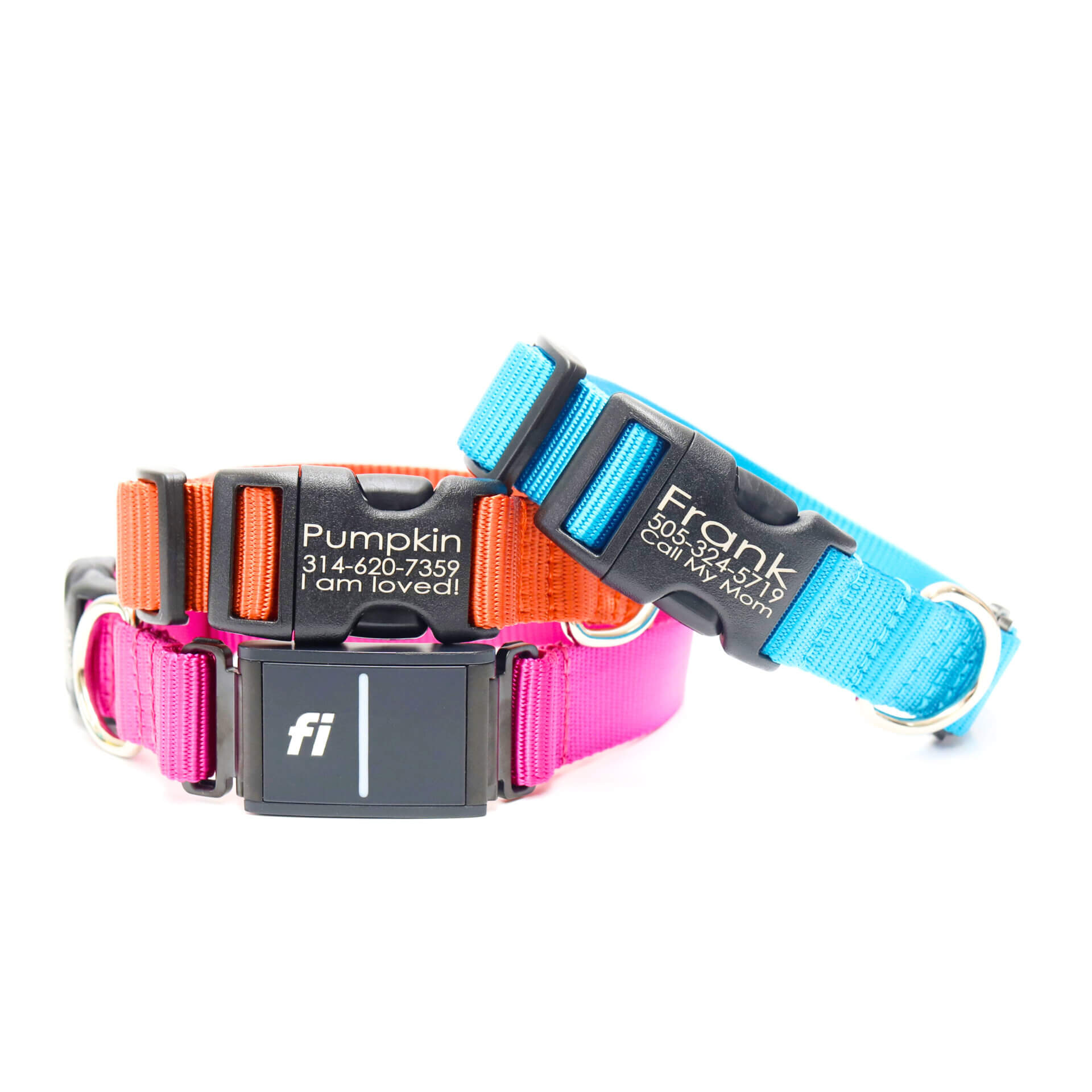
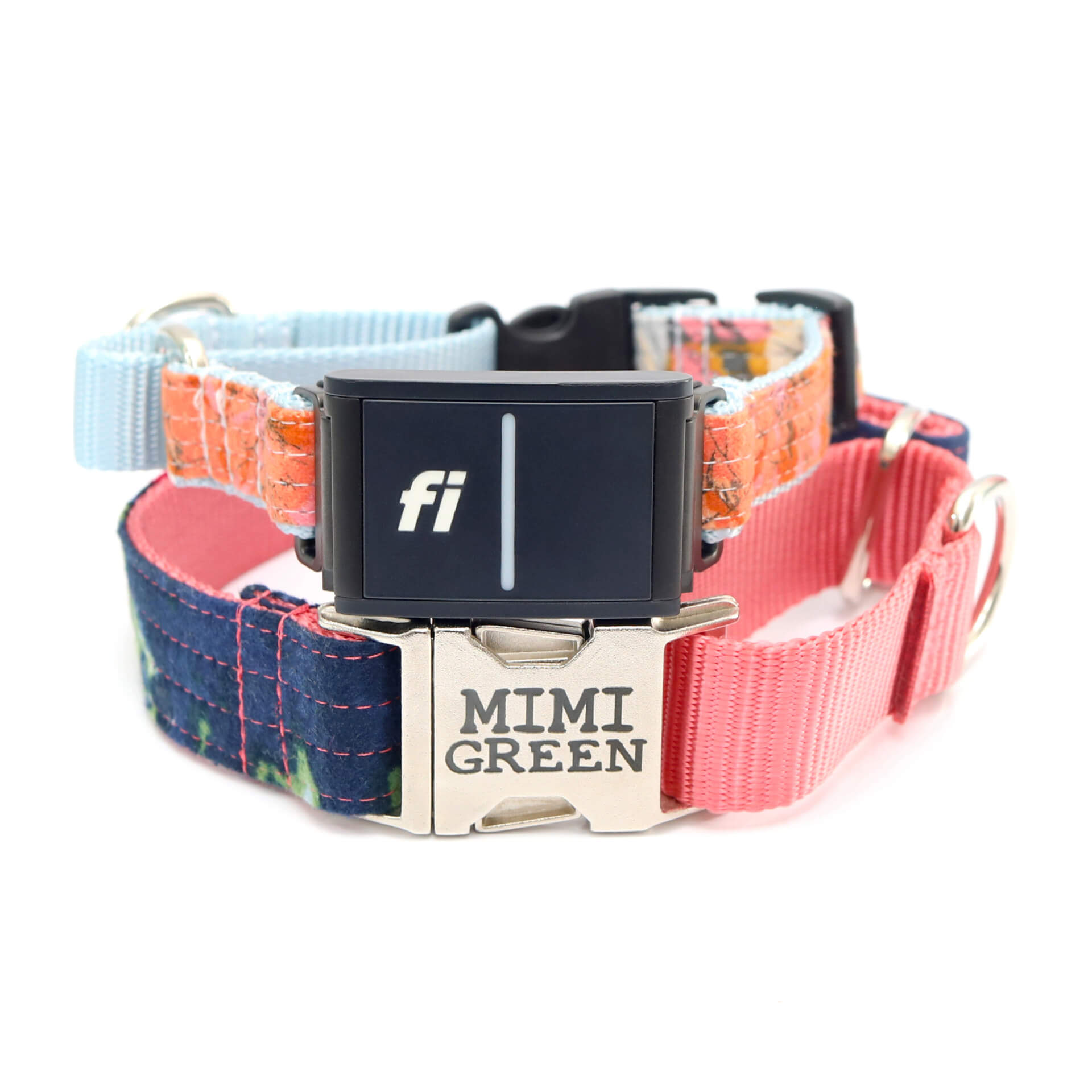
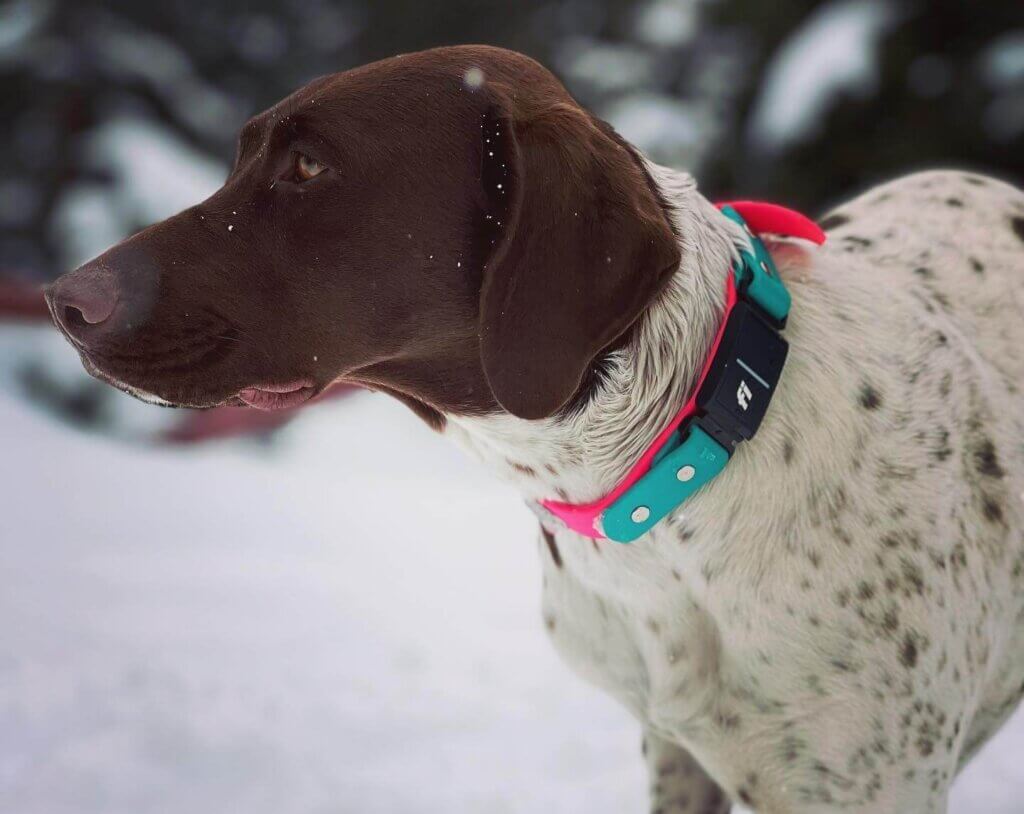
Pet safety technology has come a long way. One recent innovation is Fi, the first smart GPS dog collar. We believe Fi collars are standout products—so much so that we sell Fi-compatible collars. As a dog owner, having a geolocation for your dog is an incredible peace of mind. Knowing that if your dog is lost, you have a much higher chance of finding them is great. We carry collars compatible with the Fi Series 2, Series 3, and even the new Series 3+.

This blog post will dive into how Fi dog collars work so you can make a sound buying decision.

Note: Our Fi-compatible collars have an attached set of Fi endlinks, which are sourced directly from Fi. They include everything you need except the Fi device, which is sold separately.

What is a Fi Dog Collar?

The Fi dog collar is a smart collar that tracks your dog’s location and activity. Equipped with advanced GPS technology, pet owners can monitor their dogs in real-time, anywhere in the US. The collar integrates seamlessly with smartphones, providing updates and alerts through the Fi app.

Key Features of Fi Dog Collars

  • GPS Tracking: The primary feature of the Fi collar is its GPS tracking capability. Using satellite technology, the collar provides real-time location updates, allowing owners to know exactly where their dog is at any given moment. This is particularly useful for dogs that tend to wander or owners who enjoy off-leash activities.
  • Activity Monitoring: Fi collar monitors your dog’s activity levels. It tracks steps, sleep patterns, eating and drinking, and overall movement, providing valuable insights into your pet’s health and fitness. The Fi app displays this data, helping owners ensure their dogs get enough exercise and rest.
  • Geofencing: Fi collars allow owners to set up geofences—virtual boundaries around specific areas like your home or yard. If your dog leaves the designated safe zone, the collar triggers an alert on your phone, enabling you to retrieve your pet immediately.
  • Lost Dog Mode: In the unfortunate event that your dog goes missing, the Fi collar has a Lost Dog Mode. When activated, this mode increases the GPS tracking frequency, providing location updates every minute to help you quickly locate your pet.
  • AI Functionality: With the new Series 3+ you can utilize AI data tracking to do things like create an AI vet record based on your dogs activity tracking or even get AI pet parent tips!

Pro Tip: With the ability to track steps, you can see how many steps your pups get in a walk if you pay a dog walker. If you’re paying $50+/hour, you can track how active the walks are and if you’re getting your money’s worth.

How Long Does A Charge Last?

Designed to withstand the rough and tumble of dog life, Fi collars are water-resistant and durable. They also boast impressive battery life, lasting up to three months on a single charge.

How Does the Fi Technology Work?

The Fi collar combines GPS, Wi-Fi, Bluetooth, and LTE-M networks to provide accurate and reliable tracking and monitoring.

The collar uses GPS satellites to determine the dog’s location. When the collar is outdoors and has a clear line of sight to the sky, it connects to multiple satellites to triangulate the dog’s position.

When your dog is within the range of your home Wi-Fi, the Fi collar connects to it. This connection helps conserve battery life by using Wi-Fi for location updates instead of GPS.

The Fi collar uses Bluetooth to communicate with the owner’s smartphone and the Fi base station (a charging station and home monitoring device). Bluetooth is used for proximity tracking, ensuring the collar stays connected to the app when the dog is nearby.

What Happens When There’s No Wi-Fi or Bluetooth?

When your dog is outside the range of Wi-Fi and Bluetooth, the Fi collar switches to the LTE-M network (a low-power cellular network) to maintain a connection and provide location updates. This ensures continuous tracking, even in remote areas.

Mimi Green: Fi Collar Approved Vendor

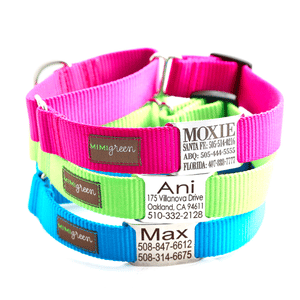
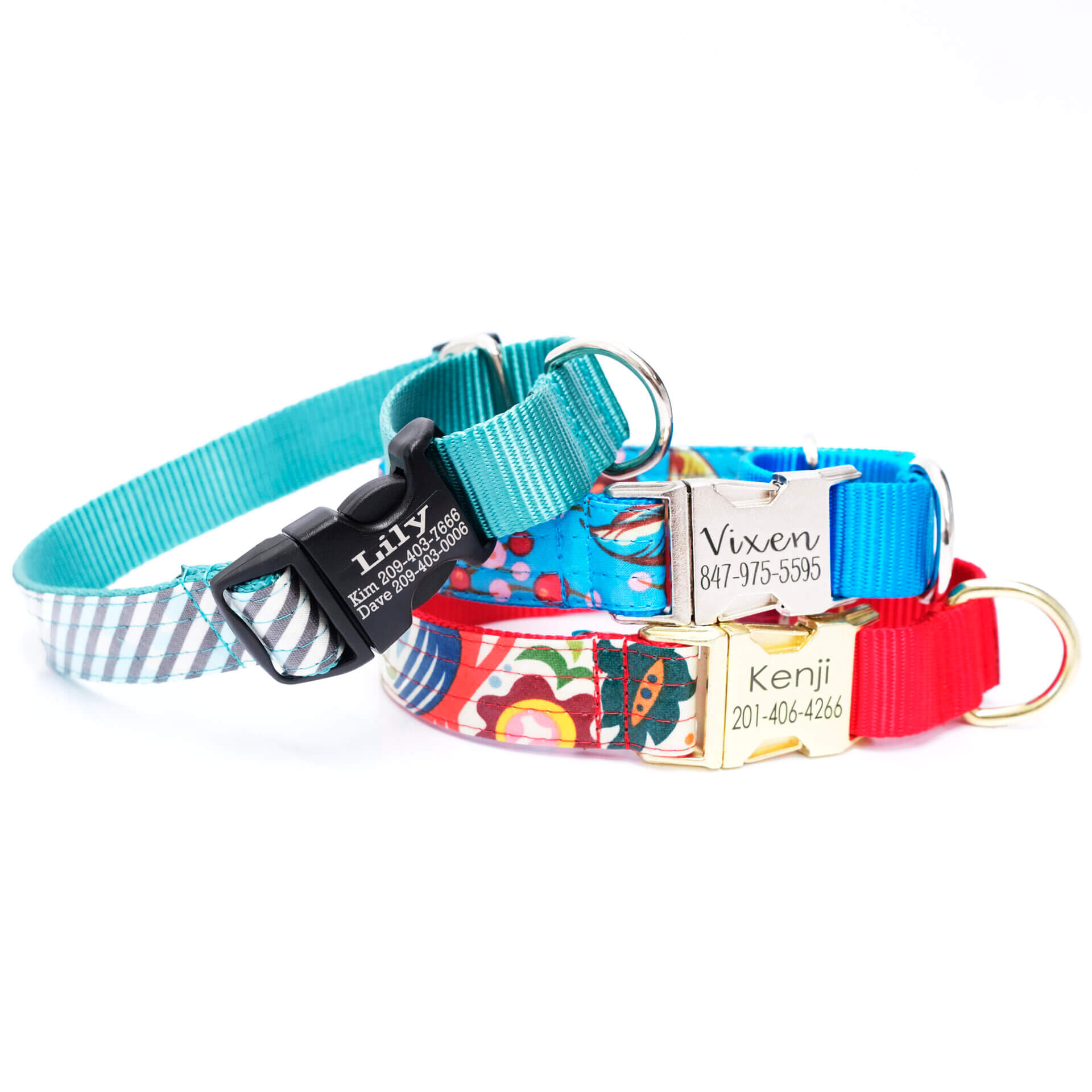
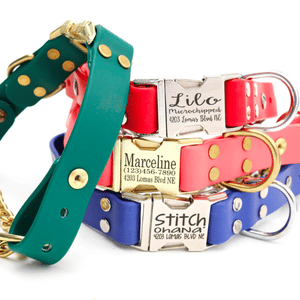
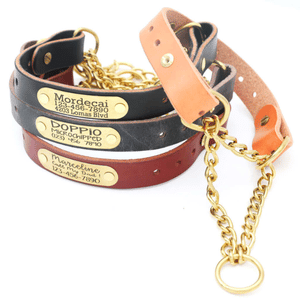
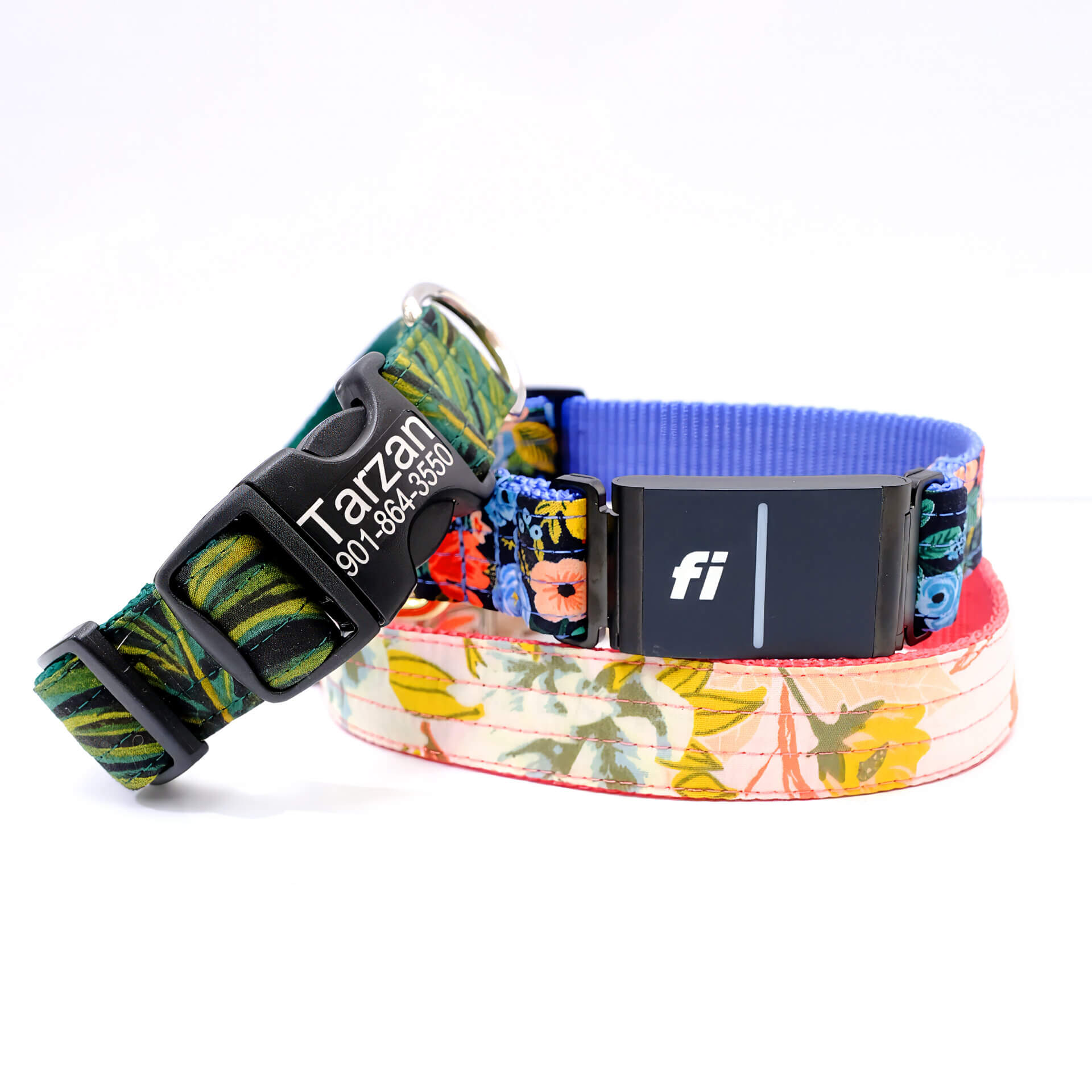
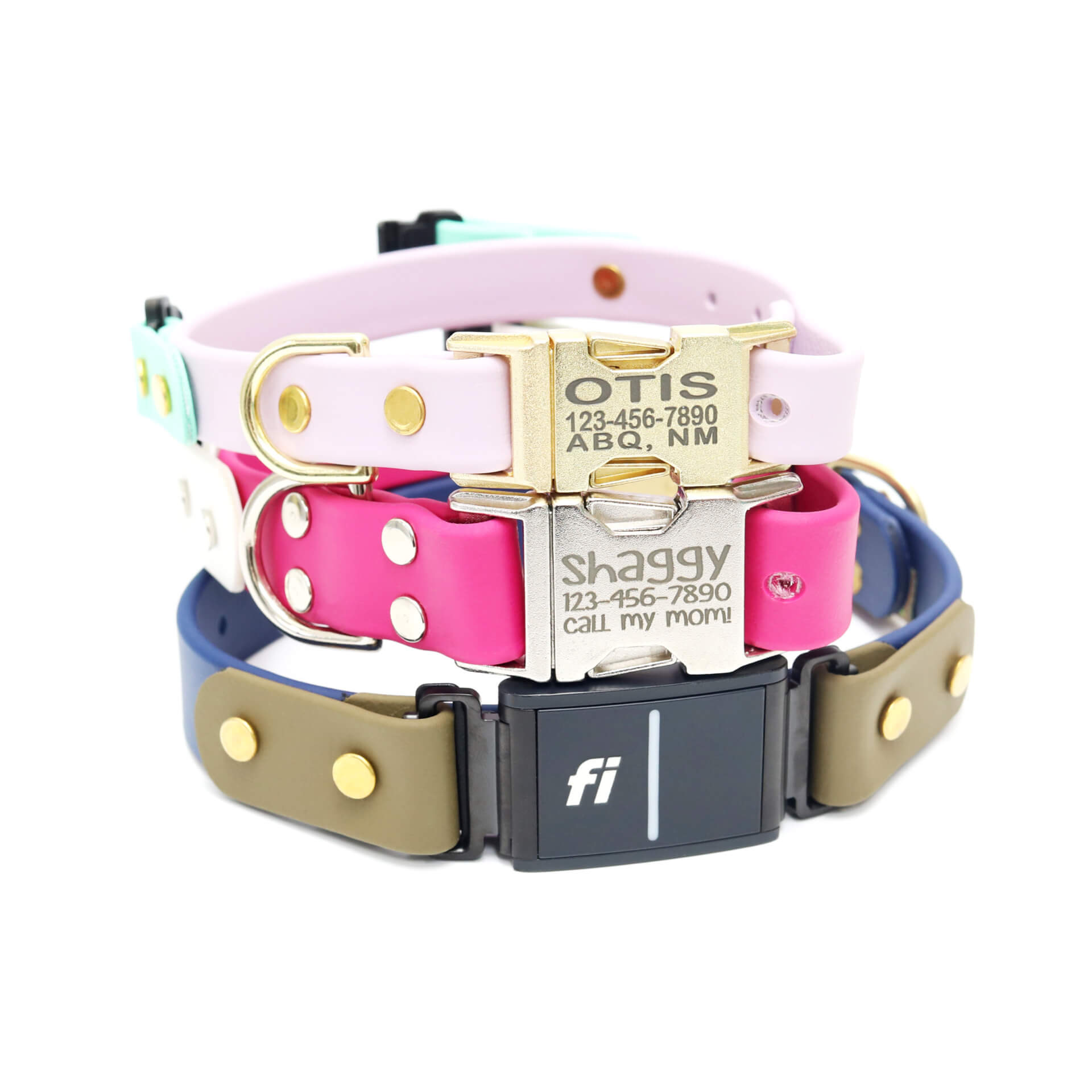
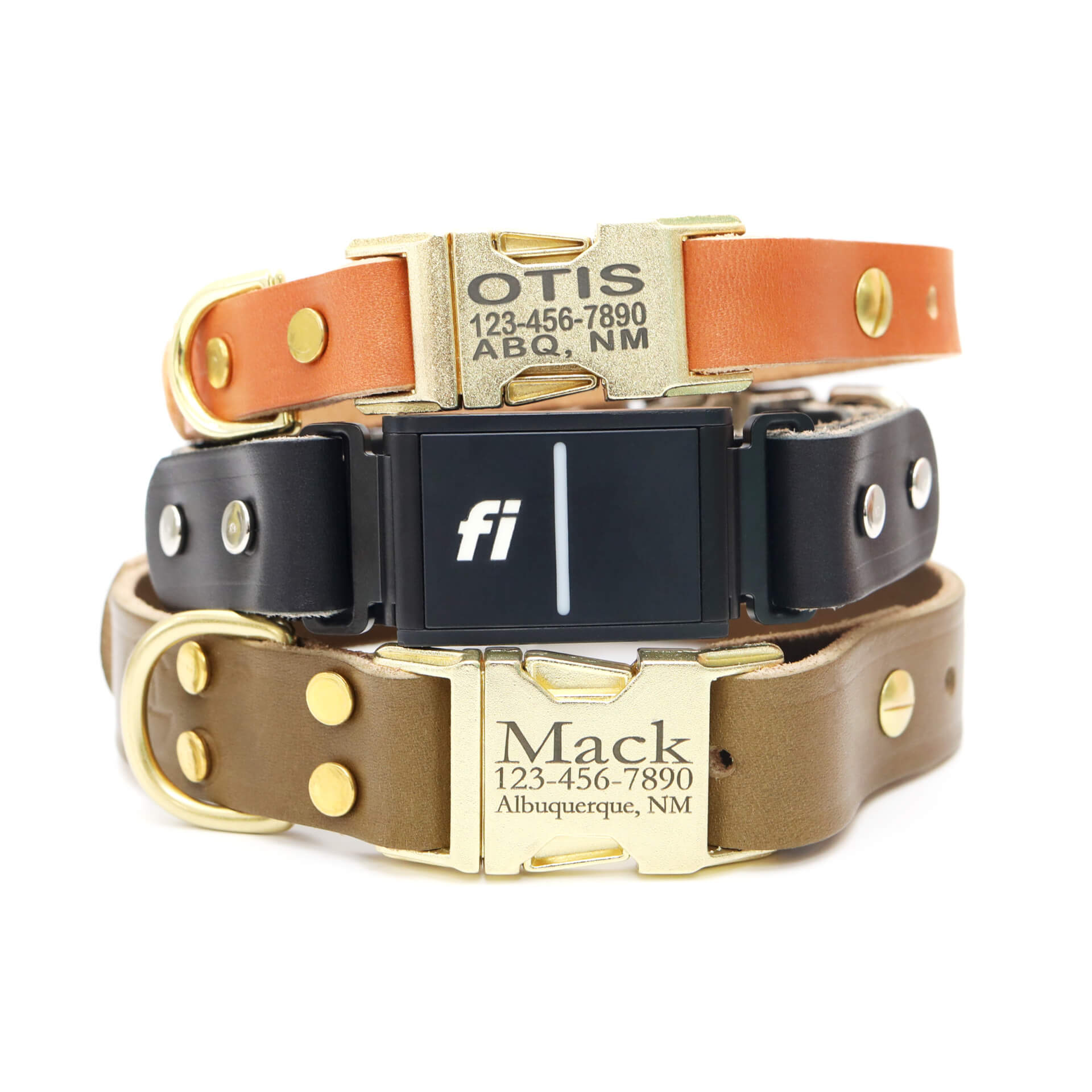
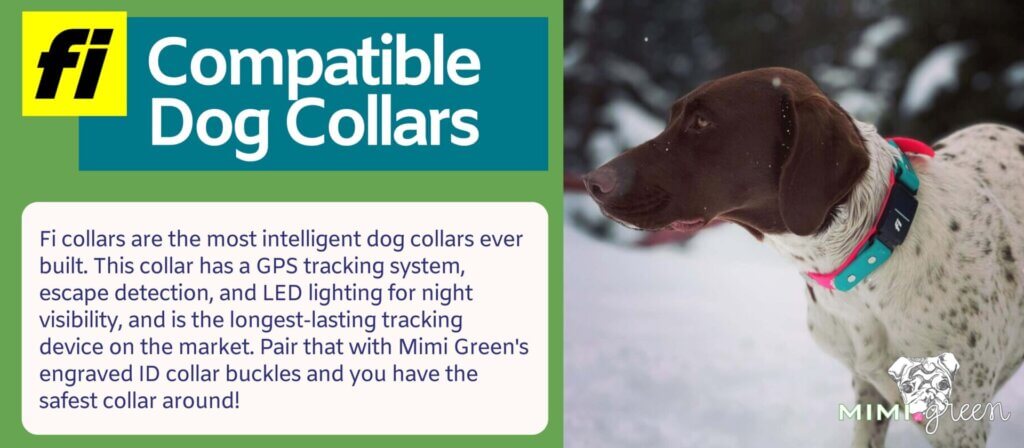
Mimi Green is an approved vendor for Fi-compatible dog collars! Fi collars are the smartest dog collars ever built. Pair Fi’s advanced tracking abilities with Mimi Green’s engraved ID collar buckles; you will have the safest collar around! Mimi Green’s Fi Compatible Collars are available in Waterproof, Leather, Nylon, Fabrics, Harness, and even in Fi Compatible Martingales

All of our Fi-compatible collars come with an attached set of Fi endlinks. They include everything you need except for the Fi device, which is sold separately.

Are Martingale Collars Safe? Yes… When Used This Way

Martingales are a safe and effective option to prevent dogs from slipping out of their collars. To get the most effective use out of them, you need to ensure three things:

  • Proper fit
  • Proper size
  • Proper use

What Is A Martingale Collar?

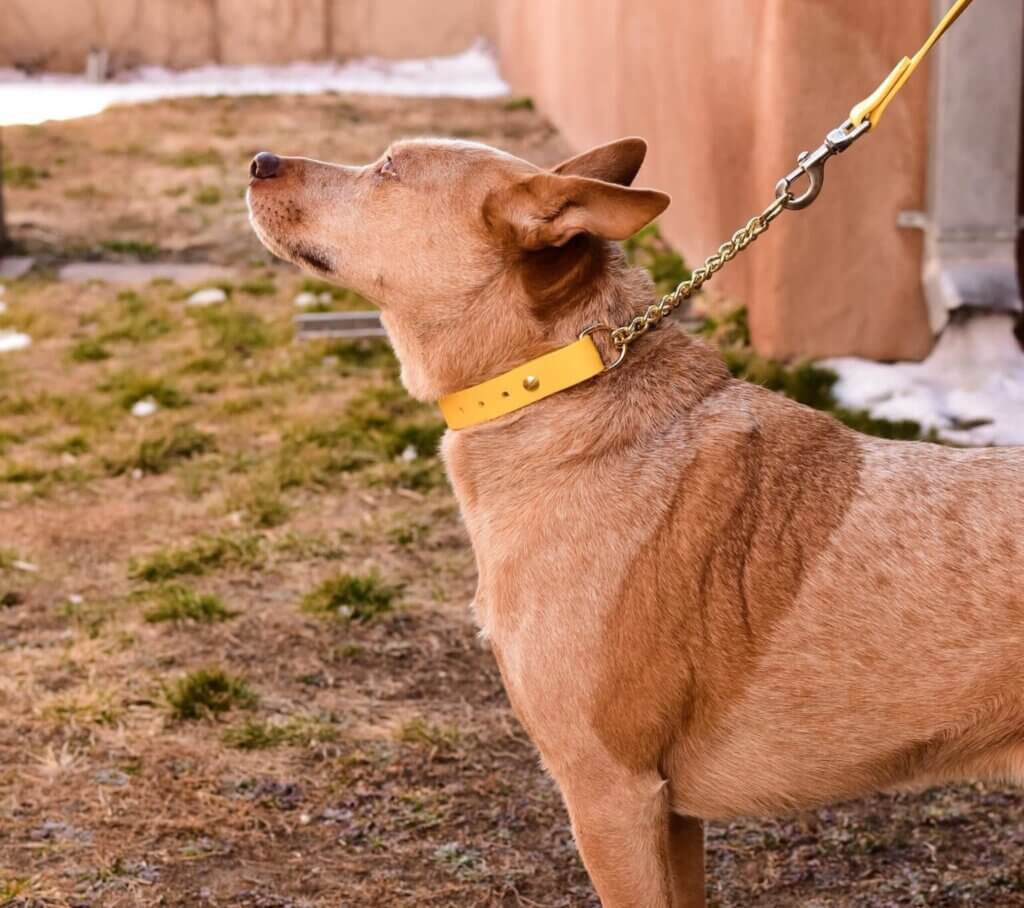
A martingale collar, or a no-slip collar, tightens when the dog pulls on it. This provides more control without harming the dog’s neck and throat. If you own a martingale collar, put it around your arm and pull it to see how it works.

We all know the danger to dogs and others when they can escape from their collars. Martingale collars can prevent this.

Note: Martingale collars are primarily meant to prevent dogs from slipping out of their collars when they pull. They may also be a short-term training tool but are more apt as a safety device.

Are Martingale Collars Cruel?

Martingale collars are not cruel. Their design provides more control, distributing pressure evenly. Like all dog training tools, they become cruel when they’re overused or used improperly. Combine your martingale collar with positive reinforcement and proper training techniques.

When Martingale Collars Are Unsafe (And Cruel)

  1. When a dog is left unattended with a martingale collar. Use them only for training or walks while you supervise. Sadly, your dog can get caught on something, which could tighten the collar dangerously. We’d suggest additionally fitting your dog with a traditional buckle collar.
  2. When they’re used on dogs with weak necks and breathing issues. Martingale collars tighten under tension. Harnesses are a safer alternative, distributing pressure more evenly and avoiding airway constriction.
  3. When they’re used on stubborn dogs who pull no matter what. Some dogs don’t associate the tightening of martingales with the discomfort around their neck. If this sounds like your dog, they’re a better candidate for professional training and a harness. Constant tightening around the neck can damage the trachea.
  4. When used as a long-term solution to train a dog to stop pulling. Let’s make this clear, martingale collars are NOT a long-term solution. Use them as a second or third option and plan to phase them out.

How To Size A Martingale Collar

  • Fitting Buckle Martingale Collars: Measure the middle of your dog’s neck (where the collar will sit). Add at least 1 inch for smaller dogs and at least 2 inches for larger dogs.
  • Fitting a Slip-On Martingale Collar: Measure the largest part of your dog’s head and the middle of your dog’s neck (where the collar will sit). Add at least 1 inch for smaller dogs and at least 2 inches for larger dogs.

NOTE: If your dog’s head is larger than its neck, use its head measurement to determine the size you need. If your dog’s neck is larger than its head, use its neck measurement to determine the size you need.

For small dogs, the typical width of a martingale collar will be around 3/4”, while the most common option for medium to large dogs is 1”, and the most popular choice for medium to extra-large dogs is 1.5”.

How To Fit Martingale Collars

Generally, a dog collar should be snug but not too tight or loose. Be sure to follow the “two-finger rule,” meaning that once the collar is secured on your dog, your pointer finger and middle finger should fit between the collar and neck. Based on your dog’s neck measurement, you want to add 1-2 inches to the collar size.

Note: If you have a puppy, it is essential to check its collar weekly—at minimum—until it is fully grown.

Martingale Collars Vs. Choke & Prong Collars

Martingale collars are similar to choke collars in that they tighten when pulled on. Unlike choke collars, however, martingale collars have a maximum tightness that, when properly fit, won’t choke your dog. Choke collars fall at the bottom of the “humane hierarchy” because they rely on negative reinforcement and punishment to work.

The American Veterinary Society of Animal Behavior says that:

(Choke chains, pinch collars, and electronic collars) should not be used as a first-line or early-use treatment for behavior problems. This is due to the potential adverse effects, including but not limited to inhibition of learning, increased fear-related and aggressive behaviors, and injury to animals and people interacting with animals.”
Martingale Collars For Dogs With Sensitive Skin

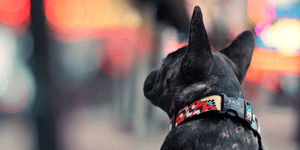
Martingale collars can be an effective tool for dogs with sensitive skin. Collars being too tight is one of the top causes of dog collar rash and other skin irritations. You may feel the need to tighten you dogs collar either after a succesful back-out or if your dog constantly pulls.

Although tempting, this is a bad idea.

Constant pressure on the neck is not only uncomfortable, but it can cause permanent damage to your dog’s neck.

It can also harm them psychologically if they establish wearing their collar and going for walks as a punishment ritual.

A better solution is a properly adjusted martingale collar. This type of dog collar cannot be backed out of like a traditional collar. We suggest investing in either a collor or a harness for your dog if they have sensitive skin.

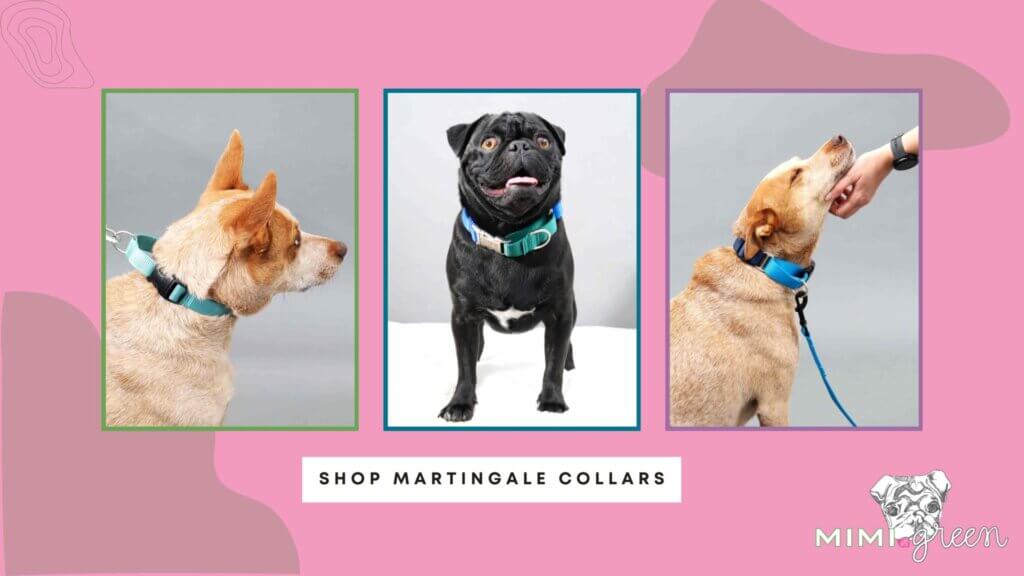
Graphic with three dogs wearing Mimi Green Marintgale Collars

4th Of July & Dogs | Independence Day Safety Tips

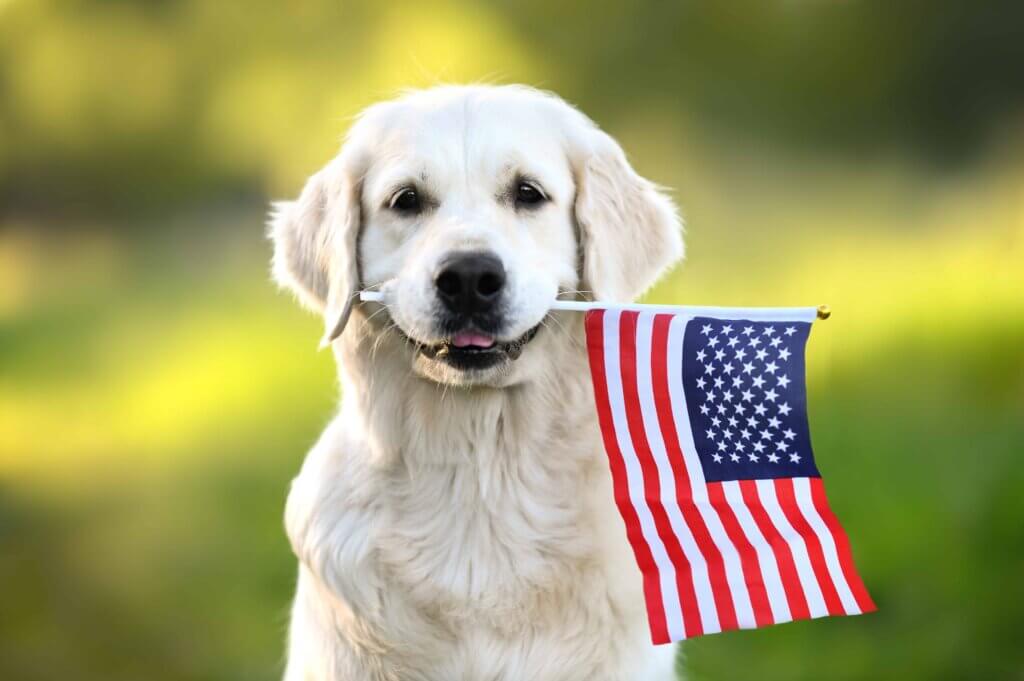
Dog holding a U.S.A flag on July 4th to celebrate independance day

Many celebrate Independence Day with fireworks and festivities, creating happy memories. It’s important to remember that our furry friends may not enjoy fireworks and other parts of the celebration.

You’ll have three main worries for your pup during Independence Day.

  1. Fireworks: Dogs are innately afraid of loud and unpredictable noises like fireworks.
  2. Escapes: As a fear response to unknown stimuli, many dogs go missing on Independence Day.
  3. Heat: If you celebrate outdoors with your dog, keep them hydrated and cool.

While we’re celebrating, follow these 4th of July pet safety tips to ensure your pet’s well-being during the holiday.

Before The Celebration

  • Make sure your dog has a collar with up-to-date contact information.
  • If your dog is an escape artist, invest in a Fi-Compatible Collar with GPS tracking and an engraved collar.
  • Visit the vet to microchip them for added security. If they already are, ensure the contact info in the microchip registry is current.
  • Take an updated photo of all of your pets.
  • If your dog is historically anxious, speak with a veterinarian to discuss medication options.
  • Hire a pet sitter or call boarding kennels ahead of time if you’re traveling. Make sure their vaxxes against Bordetella (kennel cough), Rabies, and DHPP (Distemper, Hepatitis, Parainfluenza, Parvovirus) are up to date.
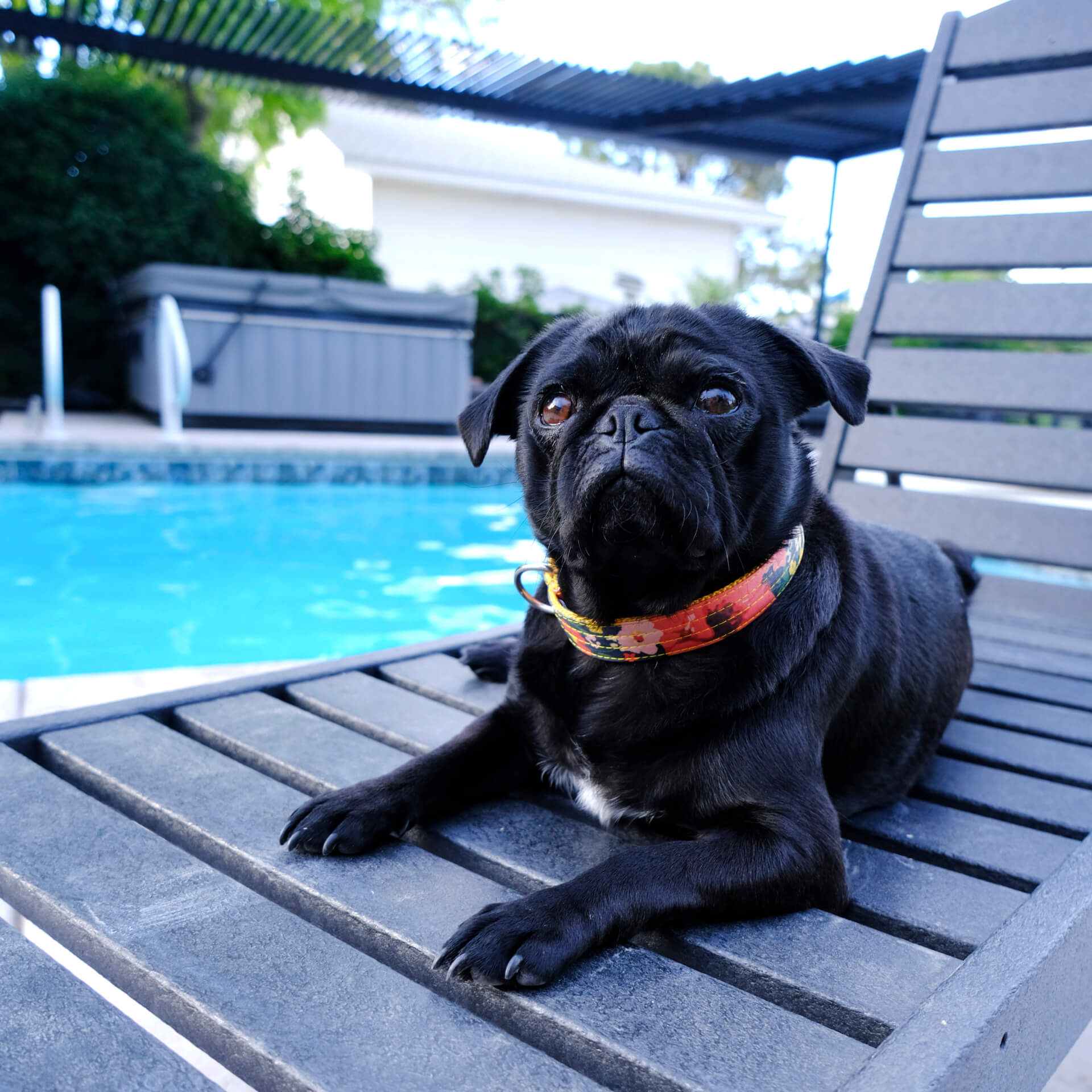

  • Check the security of your fences and gates to ensure they are dig-proof.
  • Exercising with your dog before fireworks can significantly reduce their anxiety.
  • Feed your dog an early dinner and take them out to pee well before the fireworks start.

During The Celebration

  • Consider leaving your pets at home unless you have a foolproof safety plan. If you’re hosting a party, ask guests to close doors and watch your dog so they don’t escape or get too close to the grill.
  • Keep sparklers, glow sticks, fireworks, charcoal, and kabob skewers away from your pet’s reach.
  • Give your dog a safe, shaded, and comfortable indoor space. This can be a crate or dog bed inside a soundproofed room. You can also set up baby gates in a designated area.
  • Stimulate your dog with toys, treats, cuddles/comfort, and playtime if they show anxiety.
  • Ensure your dog has a flotation device if they’re on a boat.

After The Celebration

Check your yard for sparklers, glow sticks, insect repellant, sunscreen, broken glass, fireworks, kabob skewers, chocolate, and other harmful items.

Avoid These 4th Of July Pet Safety Don’t’s

  • Do not feed your dog table scraps containing harmful ingredients that are toxic to dogs.
  • Do not leave your dog in your car without air conditioning or at all for an extended period.
  • Do not leave your dog unattended while you’re on vacation. Either hire a pet sitter or take them to a boarding facility.
  • Do not apply sunscreen and insect repellent to your dog that isn’t labeled as safe for dogs.
  • Do not bring your dog to fireworks displays, Loud noises can frighten pets.
  • Do not punish your dog or ignore them when they show signs of anxiety.

Dogs And Fireworks: 10 Tips To Keep Them Safe & Calm

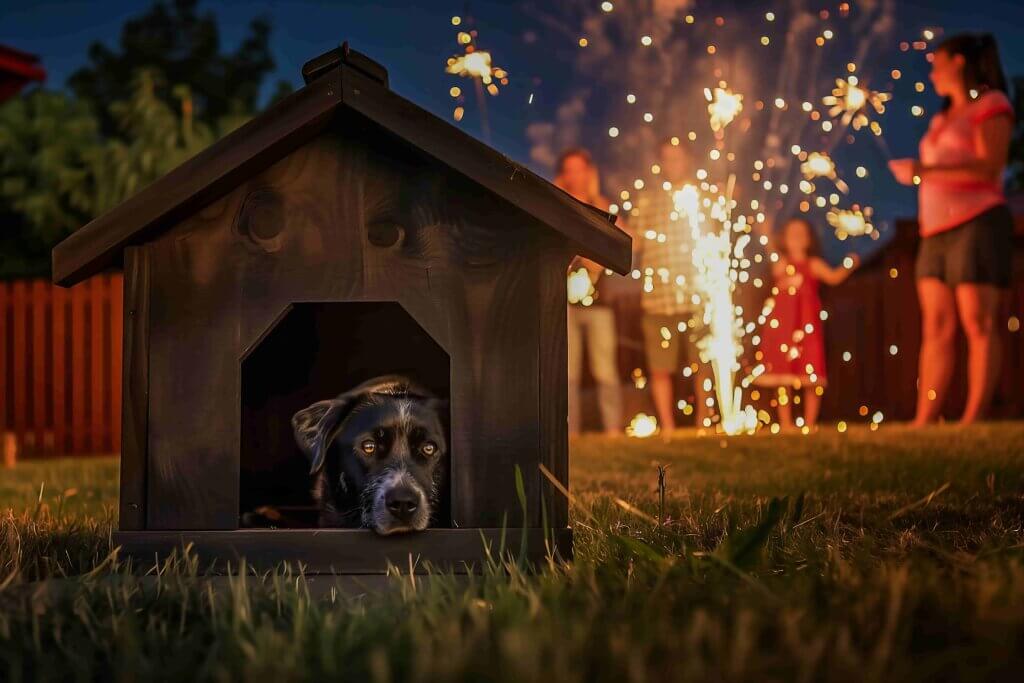
A dog sitting inside of its kennel struggling to stay calm during a fireworks show

Dogs and fireworks don’t mix. Many dogs are terrified of fireworks, and understanding why can help pet owners better support their furry friends. Dogs have highly sensitive hearing, making the loud, unexpected booms of fireworks particularly alarming.

Unlike humans, dogs don’t understand the cause of these noises, heightening​​​​ their anxiety. A survey from the ASPCA found that one in five dogs goes missing after being frightened by loud noises.

This blog has ten tips and five DONTS for handling dogs and fireworks. Read on if you want to keep your dog calm and reduce anxiety.

Why Are Dogs Scared Of Fireworks

Animals are innately afraid of loud and unpredictable noises. This fear is normal because loud noises like thunder and lightning preclude thunderstorms and other weather events, which animals would want to seek shelter from.

The difference between a wild animal and a dog is obvious. Your dog already has a safe shelter, but its stress response forces it to react as if it doesn’t. Remember, this is an involuntary response.

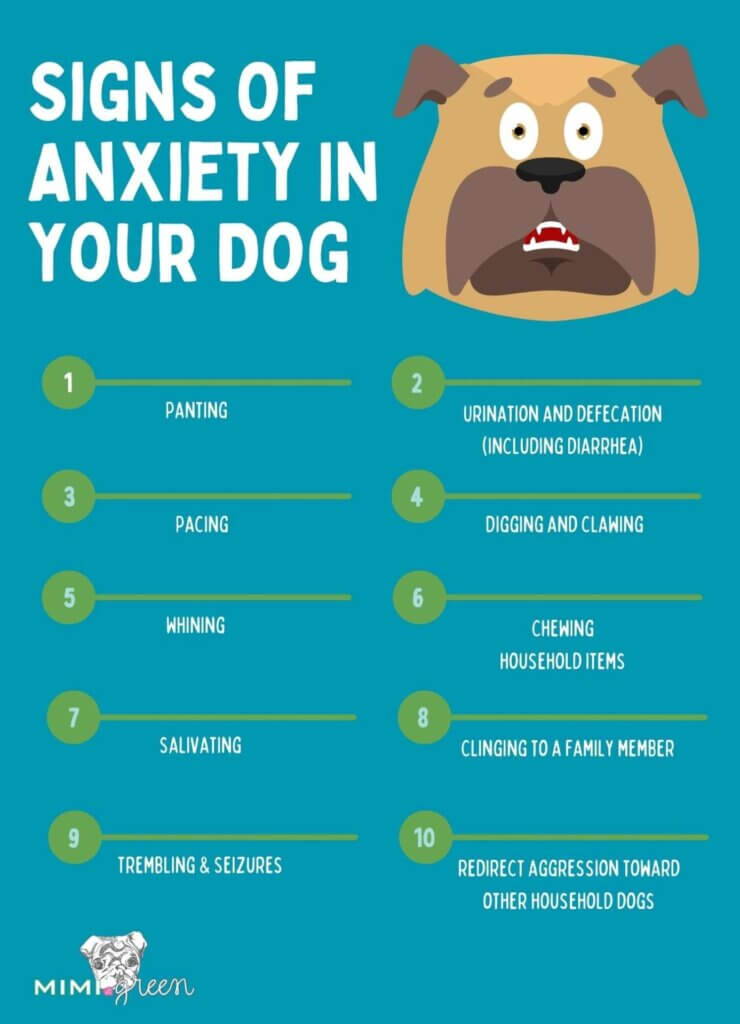
Signs Of Anxiety

There are many signs of anxiety that dogs may show other than initiating their flight response.

Blog graphic showing the 10 signs of anxiety in a dog

Tip #1: Don’t Take Your Dog To Fireworks Shows

While fireworks might not faze some dogs, keeping your puppy at home is generally safer and more considerate, where you can manage its stress and ensure its safety. Fourth of July is the day of the year that more dogs go missing than any other.. Firework shows have many stimuli outside the fireworks, and dogs may be frightened by other people and vehicles.

It’s better to leave your puppy at home in a familiar environment.

Tip #2: Proper Identification

Proper identification for your dog is crucial during fireworks, as many dogs become scared and may try to run away. Ensure your dog has a collar with up-to-date contact information, and consider microchipping them for added security.

GPS devices can also be beneficial. These measures significantly increase the likelihood of your dog being safely returned if they escape. For the benefit of both GPS tracking and identification, we suggest our Fi-Compatible Dog Collars.

Tip #3: Give Your Dog A Safe Space

Create a comfortable space for your dog to help them feel safe during fireworks. Set up a quiet area away from windows, such as a basement or large closet, where the fireworks’ sounds and sights are minimized. If your dog is crate-trained, use a crate and fill the space with familiar toys and treats.

Even if your dog is typically an outside dog, it can be unsafe on the Fourth of July. When a dog is scared, it may try to look for an escape by damaging or jumping a fence, even if it might not typically do so. Please consider a different solution to protect your pup,

Crate Training Tip: Feeding your dog and giving them special treats in their crate will create a positive association with the crate.

Frozen bone broth in ice cube trays can be a soothing treat. Playing calming music or white noise can also help drown out the noise. For puppies, provide special chew toys during storms to create positive associations. Closing windows and curtains will further muffle the sound and block out the flashes of light from fireworks.

Tip #4: Use Sound To Calm Your Dog

Dogs have highly-sensitive hearing, and loud, sudden noises like fireworks can be very distressing. Playing calming music or white noise can help mask the sound of fireworks, creating a more soothing environment for your dog. Classical music, particularly compositions specifically designed for dogs, such as “Through a Dog’s Ear,” has been shown to have calming effects.

Once again, with any media you play for your dog, you want to create a positive association by offering treats. Play music like this while you’re home and during generally “happy” moments so your dog doesn’t associate music with storms and fireworks.

Tip #5: Comfort Your Dog

You’ll want to develop a “comfort plan” if you have an extremely anxious dog. You want your dog to feel secure and rebuild their confidence.

  • Start with tip #3, which is to create a safe space for your dog.
  • If you have loud children or live on a busy street, crate your dog in the quietest room in your house.
  • Encourage calm behavior through rewards. Whenever your dog remains calm, offer a treat to reinforce this behavior.
  • Maintain a calm demeanor, as dogs can pick up on their owners’ emotions.
  • Avoid reacting negatively to your dog’s fear-based behaviors; instead, focus on positive reinforcement.

If your dog continues to show signs of distress, consult your vet about possible anti-anxiety medications or supplements.

Tip #6: Go For A Walk Before The Fireworks

Exercising with your dog before fireworks can significantly reduce their anxiety. Physical activity helps to tire them out, making them more likely to relax and less likely to react anxiously to the loud noises and bright flashes of fireworks.

Tip #7: Talk To Your Vet About Medication

If the first six tips on this list don’t help your dog, then consult a veterinarian ASAP. Don’t tire yourself out trying to overoptimize your house to no avail. Medications can help dogs with moderate to severe anxiety.

Types of Medications Veterinarians May Prescribe:

  • Sileo®: A gel medication FDA-approved for noise-induced anxiety, blocking adrenaline to keep your dog calm without sedation.
  • Trazodone: An anti-anxiety medication that can be given in chewable form, helping dogs to stay calm during stressful events.
  • Pheromones (DAP, or Adaptil®): This product mimics the calming pheromones produced by a mother dog and is available as a room diffuser, spray, or collar.
  • CBD Treats: Over-the-counter options that may help to alleviate anxiety.

Tip #8: Clean Up Fireworks & Debris

Fireworks can contain dangerous chemicals and heavy metals, such as potassium nitrate, charcoal sulfur, and coloring agents. If you find fireworks and debris in your yard, remove them immediately.

Tip #9: Prevent Escapes

If you live with a serial escape artist, you need an escape plan. It’s good to have one, not just for fireworks and thunderstorms. Dogs are intelligent and determined, so sometimes fencing (which they can go under or over) may not be enough. You need more deterrents inside and outside of your house and a plan to stimulate your dog.

  • Supervision: Always supervise your dog when they are in the yard, especially if they are known to escape.
  • Exercise and Mental Stimulation: Ensure your dog gets plenty of physical and mental stimulation to reduce boredom and the urge to escape.
  • Secure Fencing: Check your fencing for weaknesses and reinforce it with materials like chicken wire or concrete blocks.
  • Dig Proofing: Install dig-proof barriers like strong wire fabric or concrete blocks around the perimeter of the fence.
  • Fence Extensions: Add extensions to the top of the fence to make it higher and harder to climb over.
  • Locked Gates: Ensure all gates are securely locked to prevent accidental openings.

Tip #10: Use Anxiety Wraps or Thundershirts

Consider using an anxiety wrap or a Thundershirt. These products can provide a calming effect by applying gentle, constant pressure to your dog’s body. This pressure can help reduce anxiety in some dogs during fireworks.

Don’t #1: Punish Their Behavior

As a responsible dog owner, you must understand that a dog’s fear response is involuntary. The amygdala, a part of the brain responsible for processing emotions, operates beyond voluntary control. This means that a dog doesn’t choose to be afraid of storms; their fear is an automatic reaction.

Because fear isn’t a behavior that can be controlled through training, punishing a dog for being afraid is ineffective and harmful. Yelling, using a shock collar, or other aversive methods will not calm a frightened dog; it only temporarily suppresses their behavior. Instead, the goal should be to create a sense of calm and safety, shifting their emotional state from fear to comfort. Comforting a scared dog does not reinforce their fear but helps them feel secure.

Don’t #2: Ignore Your Dog

Do not ignore your dog during fireworks. Comforting your dog does not reinforce their fear. Instead, providing reassurance can help them feel secure and reduce stress. Scientific studies support that comfort and a calm environment effectively manage a dog’s anxiety.

Engage in calming activities, such as playing soothing music, offering a safe space, and using comforting tones. These activities can significantly alleviate your dog’s fear of fireworks. Ignoring their fear can make them feel abandoned and escalate their anxiety, leading to further behavioral issues.

Don’t #3: Leave Epileptic Dogs Around Fireworks

Fireworks are particularly bad for epileptic dogs because the loud noises and flashing lights can trigger seizures. The sudden, intense stimuli can cause heightened stress and anxiety, which may lead to an increased risk of seizure activity. Additionally, the stress and fear associated with fireworks can exacerbate an epileptic dog’s condition, potentially leading to more frequent or severe seizures. To minimize these risks, create a calm, quiet environment for these dogs during fireworks.

Don’t #4: Leave Your Dog Alone Outside

Never leave your dog outside alone during fireworks. Even in a fenced yard, a frightened dog might try to escape and potentially injure themselves. Always keep them indoors where you can monitor and comfort them.

Don’t #5: Use Fireworks Near Your Dog

Avoid setting off fireworks near your home or in your yard if you have a dog. The proximity can significantly increase their stress levels and make them more fearful of fireworks in the future.

These additional tips and don’ts will help ensure that pet owners are well-equipped to manage their dogs’ anxiety during fireworks displays, creating a safer and more comfortable environment for their furry friends.