Tag Archives: education

Can Cats Wear Dog Collars?

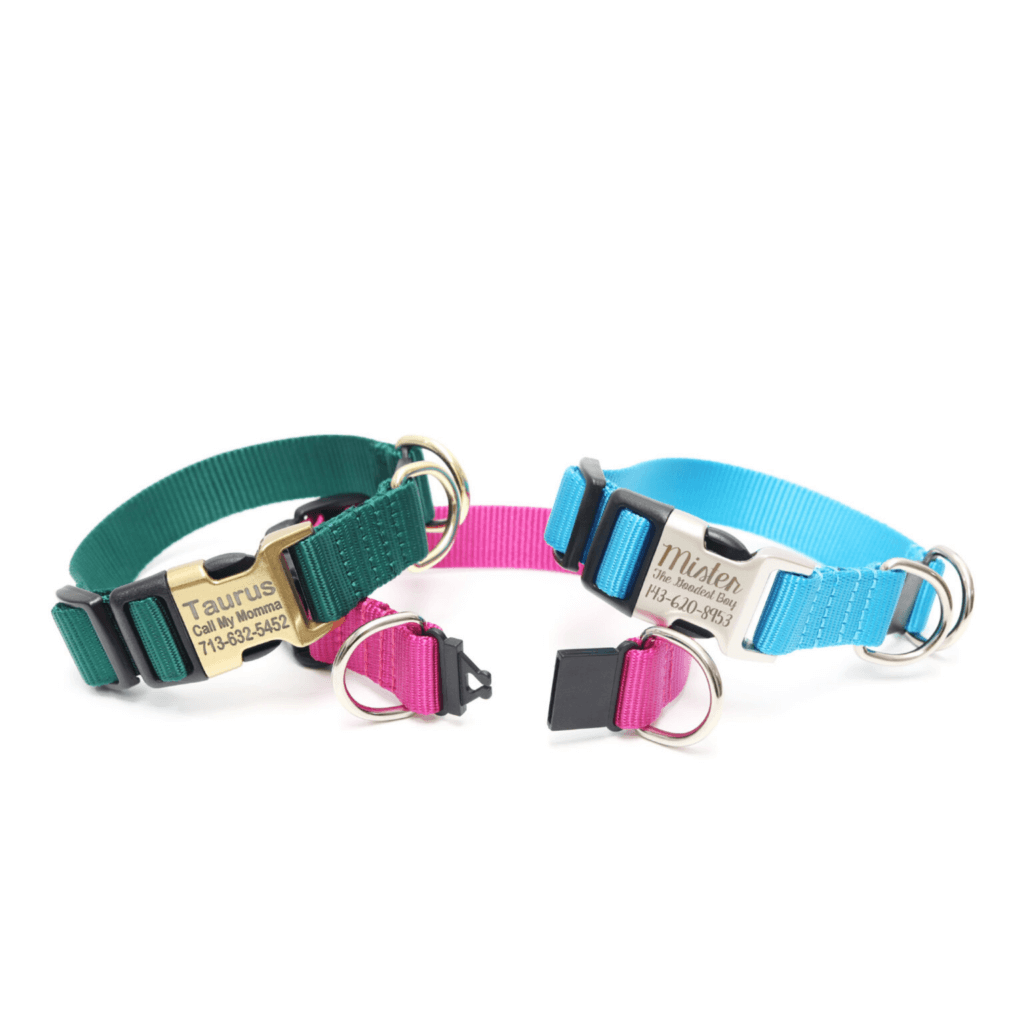
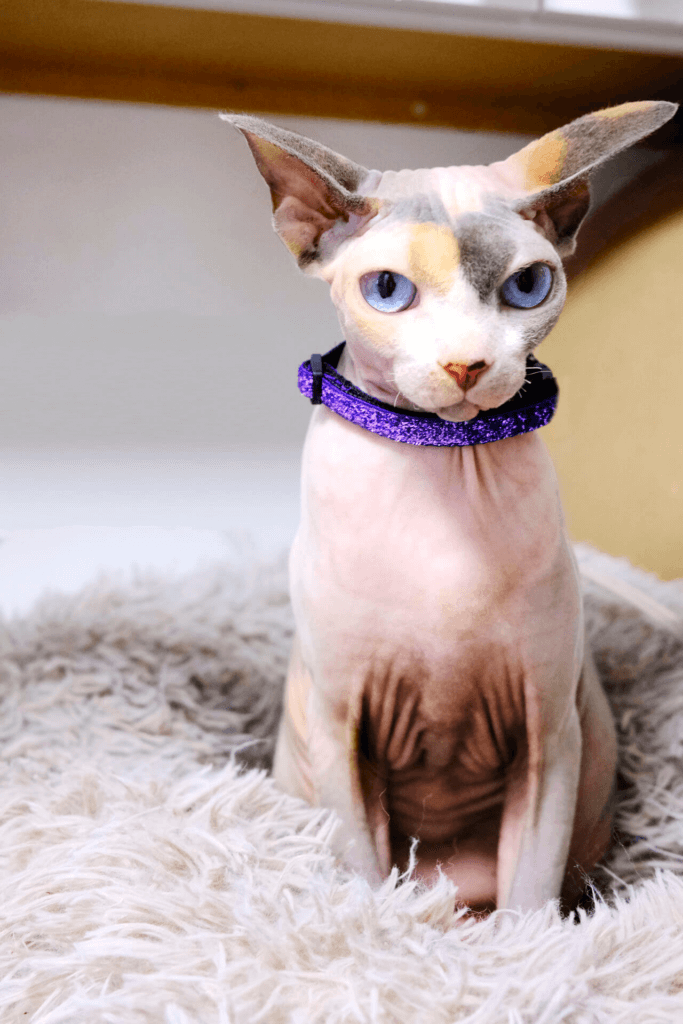
It depends. Cats can wear small dog collars if they’re lightweight, well-fitted, and feature a quick-release or breakaway clasp. Most dog collars aren’t built for feline safety, but a few offer the right flexibility and structure for cat use.

While dog and cat collars might look similar, they’re typically designed for different bodies and behaviors. This article explores when it’s safe to use a small dog collar on a cat, what features to look for, and how to ensure your feline stays both secure and comfortable.

What’s the Real Difference Between Cat and Dog Collars?

Breakaway Safety: The #1 Feature Cats Need

Cats will be cats. 

Cat collars are designed with breakaway clasps that release under pressure, preventing choking if your cat gets caught while climbing or exploring. Most dog collars don’t include this feature, but some small dog collars can offer similar safety, as long as they’re not used with a leash.

Sidebar: We recently released a breakaway dog collar for dogs

Fit and Flexibility: Cats Are Built Differently

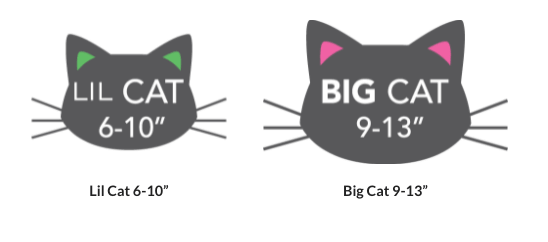
Helpful Resource -> Cat Collar Size Chart

Cats are more limber and lightweight than dogs, with delicate necks that require precise sizing. While dog collars are often sized by weight, cats need collars measured by neck circumference. That said, some extra-small dog collars can fit cats well, especially if they’re soft, adjustable, and used with care.

Material Sensitivity: What Feels Fine for Dogs May Irritate Cats

Heavier collars or those made with stiff leather can cause discomfort or skin irritation for cats. The best options use soft materials like velvet, Biothane, or lightweight webbing. 

When Dog Collars Can Be Dangerous for Cats

No Breakaway = Strangulation Risk

If the collar doesn’t release under tension, it’s a risk. Many standard dog collars are built to stay on at all costs, which is great for leashed dogs but not for agile cats. Always check for a breakaway or quick-release buckle before considering a dog collar for your cat.

Cats Can Slip Out of Regular Dog Collars

Cats are escape artists. Dog collars that don’t taper properly or aren’t snug enough around a cat’s neck can easily slip off, or cause discomfort if they’re too tight. If you’re using a dog collar, make sure it’s lightweight, contoured, and adjustable enough to achieve a secure yet comfortable fit.

“Even When I’m Watching Him, He Could Still Get Hurt”

We hear this a lot and it comes from a good place. But proximity doesn’t replace safety design. A properly fitted, breakaway or quick-release collar is the only way to reduce risk, even if your cat’s only exploring the living room. 

Should Indoor Cats Wear Collars?

Collar ID Tags Save Lives, Even for Indoor Cats

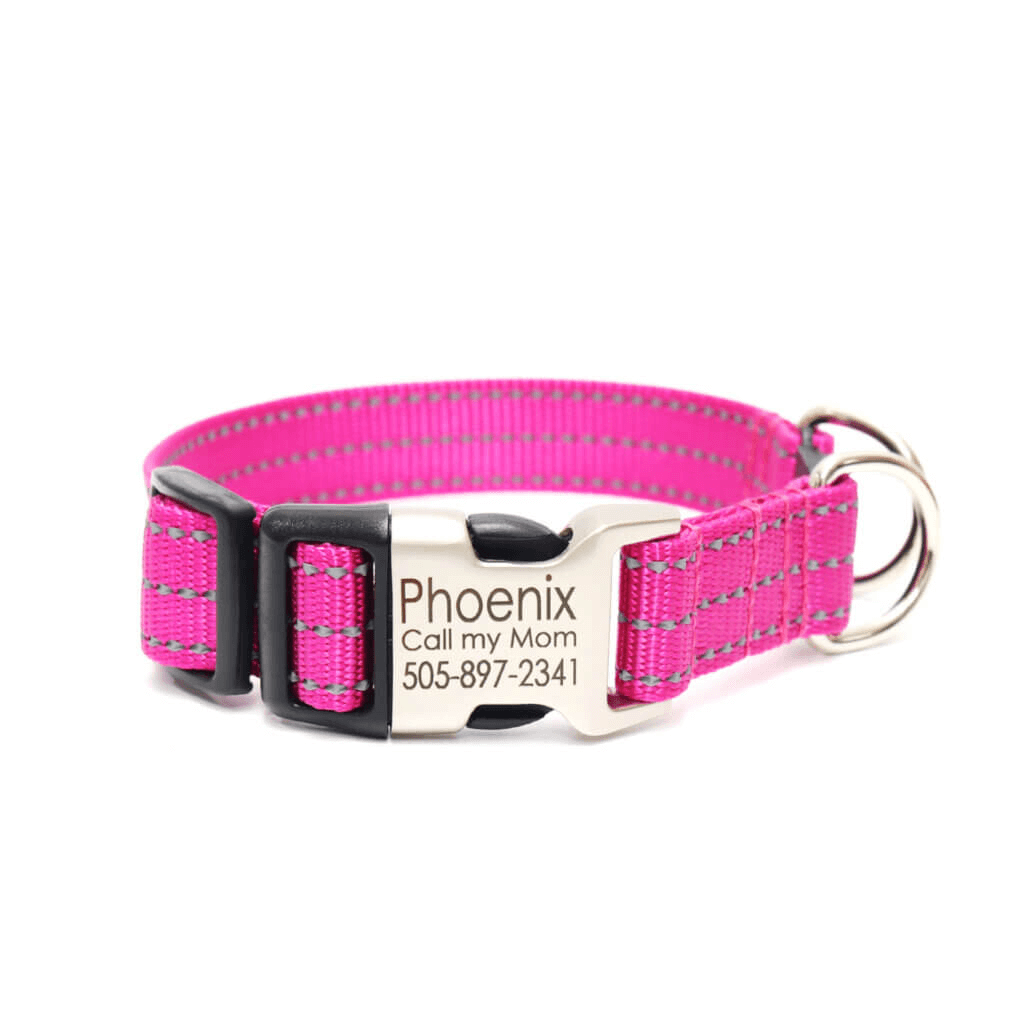
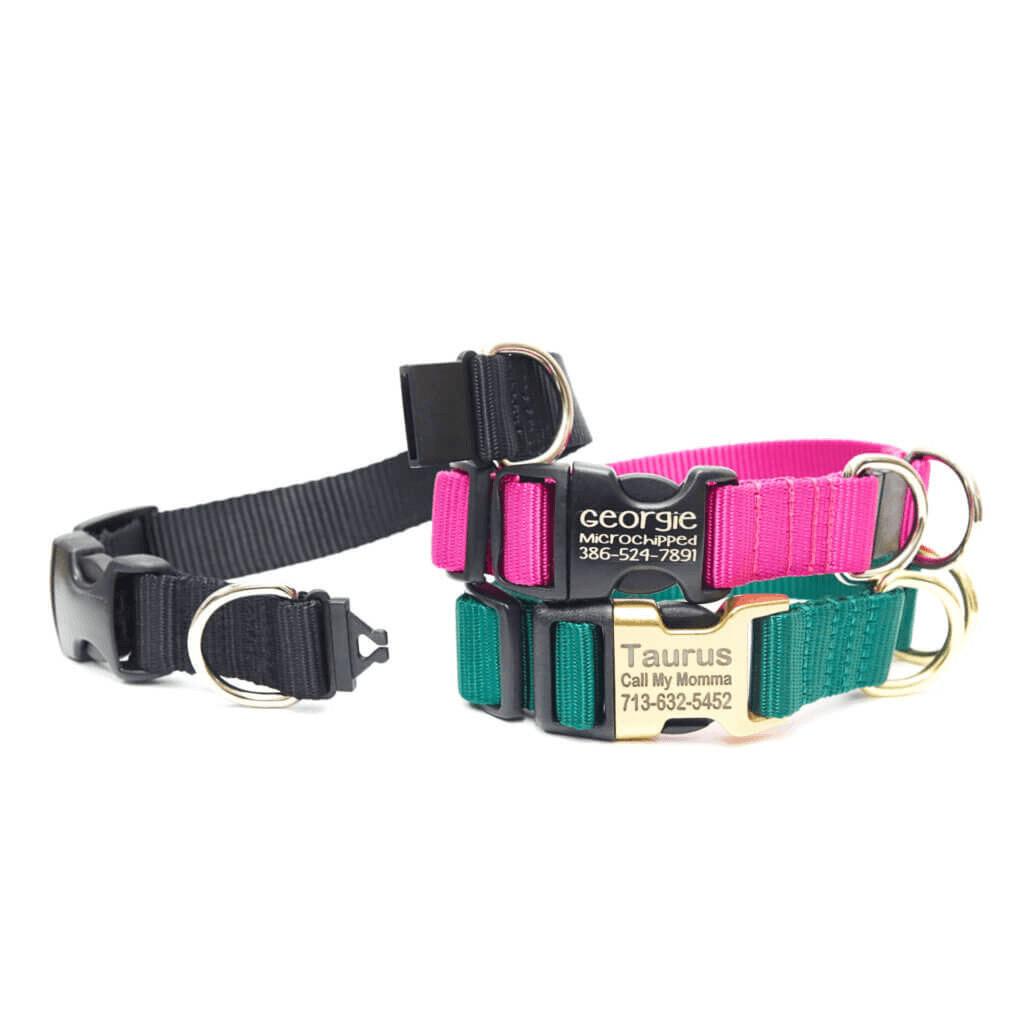
Even the most pampered indoor cat can sneak through a cracked window or dart past an open door. A collar with an ID tag adds an extra layer of protection, and peace of mind. Engraved buckles or embroidered collars avoid the jingle of dangling tags while still providing contact info.

What If My Cat Hates Wearing a Collar?

Start slow. Let them sniff the collar, wear it for short periods indoors, and reward with treats. If your cat stiffens or flops down when introduced to a harness, they’re not alone. Some cats find harnesses restrictive, but with patience, many adjust.

Use Positive Reinforcement to Build Tolerance

Use praise, playtime, or favorite snacks as encouragement. Introduce the collar during calm moments, not when your cat is overstimulated or anxious. The goal is trust. We’ve seen even the pickiest pets come around with the right approach.

Can Cats Wear Any Collar at All?

Cat’s Breakaway and ID Collars

Cats can wear collars, but only ones made for their unique anatomy and behavior. That means either a breakaway collar that pops open under pressure or an ID collar that

Which Materials Are Cat-Friendly? 

  • Laminated Cotton: Stain and water-resistant, offering durability and a stylish appearance.
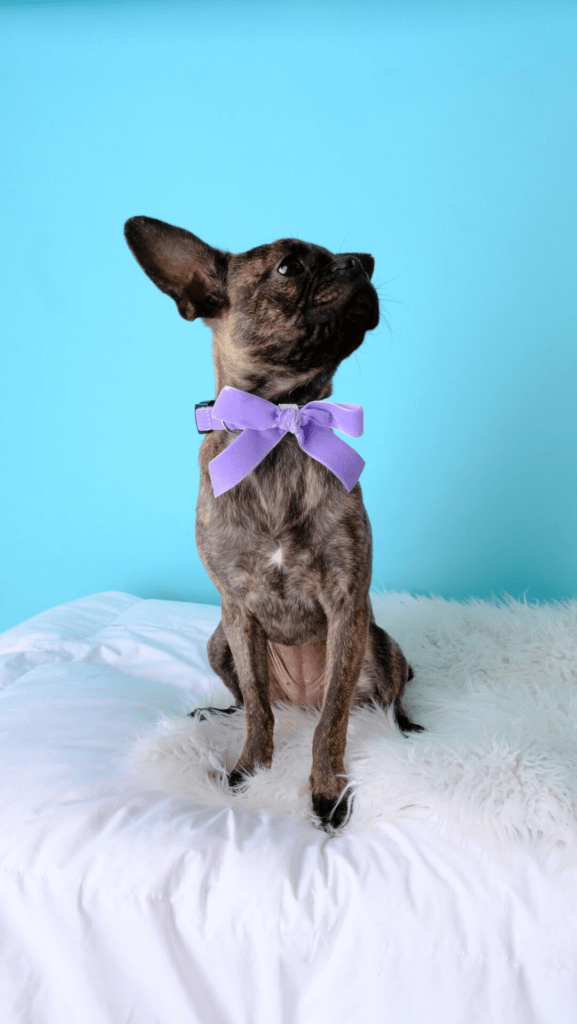
  • Velvet: Soft, washable, and stain-resistant, providing comfort for your cat. We have more than 32 collars available.
  • Waterproof Biothane: Durable, odor-proof, and flexible even when wet
  • Woven Herringbone: Classic, lightweight texture with a modern twist

How to Outfit Your Cat for the Outdoors

Choose a Breakaway Collar with Engraved ID 

If your cat ventures outside, even briefly, a breakaway collar with visible ID can be lifesaving. Look for collars with custom engraving or embroidery so the info stays put, even if the tag falls off.

Slowly Introduce Outdoor Gear (And What to Do If They Refuse)

Start by letting your cat wear the gear indoors, for short sessions, followed by treats or play. Some cats will freeze or flop at first, that’s normal. Stay patient. If your cat refuses harnesses entirely, a breakaway collar with ID is still a valuable fallback.

Safe + Stylish: What to Look for in a Cat Collar

  • Breakaway Clasps + Lightweight Materials: Safety comes first, but it doesn’t mean you have to sacrifice style. The best collars combine a breakaway clasp with soft, breathable materials that won’t weigh your cat down, or mat their fur.
  • Custom Fit Over “One Size Fits All”: Your cat’s collar should fit just right, snug enough not to slip off, loose enough to breathe. Skip generic sizing and opt for made-to-order options that match your cat’s exact neck measurement.
  • Matchy-Matchy Gear for Stylish Multi-Pet Homes: We hear it all the time: “Can I match my dog’s collar to my cat’s?” Yes, you can. We make custom collars with shared fabrics and colorways, so your pets can coordinate, even if they don’t always get along.

Your Cat Deserves Gear Made for Cats

We get it, you want your pet safe, secure, and looking cute. Cats need gear made with their movements, size, and safety in mind.

Don’t take shortcuts when it comes to something that lives on your pet 24/7. Whether your cat is an indoor shadow or an outdoor explorer, the right collar does more than accessorize, it protects.

So let’s not settle for “close enough.” Let’s choose comfort, safety, and style, designed for felines from the start.

Not All Collars Are Created Equal. But Mimi Green Collars Are Made with Love.

You came here wondering if your cat could wear a dog collar, and left with more than just a “no.” You now know what makes a cat collar safe, which materials to look for, and why it’s worth waiting for the right fit.

And that’s where Mimi Green comes in.

We’re a family-run team that handmakes every collar in the USA with care, creativity, and customization in mind. 

Let us help you find the solution. 👉Shop Mimi Green’s cat collars now.

Dog Backing Out Of Harness | How To Prevent It

Dogs back out of harnesses due to poor fit, fear, or high excitement. You can prevent escapes with the right style and fit. Features like sturdy nylon help, and of course, you can’t skip proper training. Reward calm behaviour and compliance with treats.

In this guide, we’ll walk you through:

  • Why dogs back out of harnesses
  • What you can do to prevent it
  • How to choose gear that works for your unique pup

You’ll also find real solutions from dog parents who’ve been there, plus insight into how we stay secure, stylish, and dog-approved. 

Ready to keep your pup safe on every walk? Let’s dig in.

Why Do Dogs Back Out of Their Harnesses?

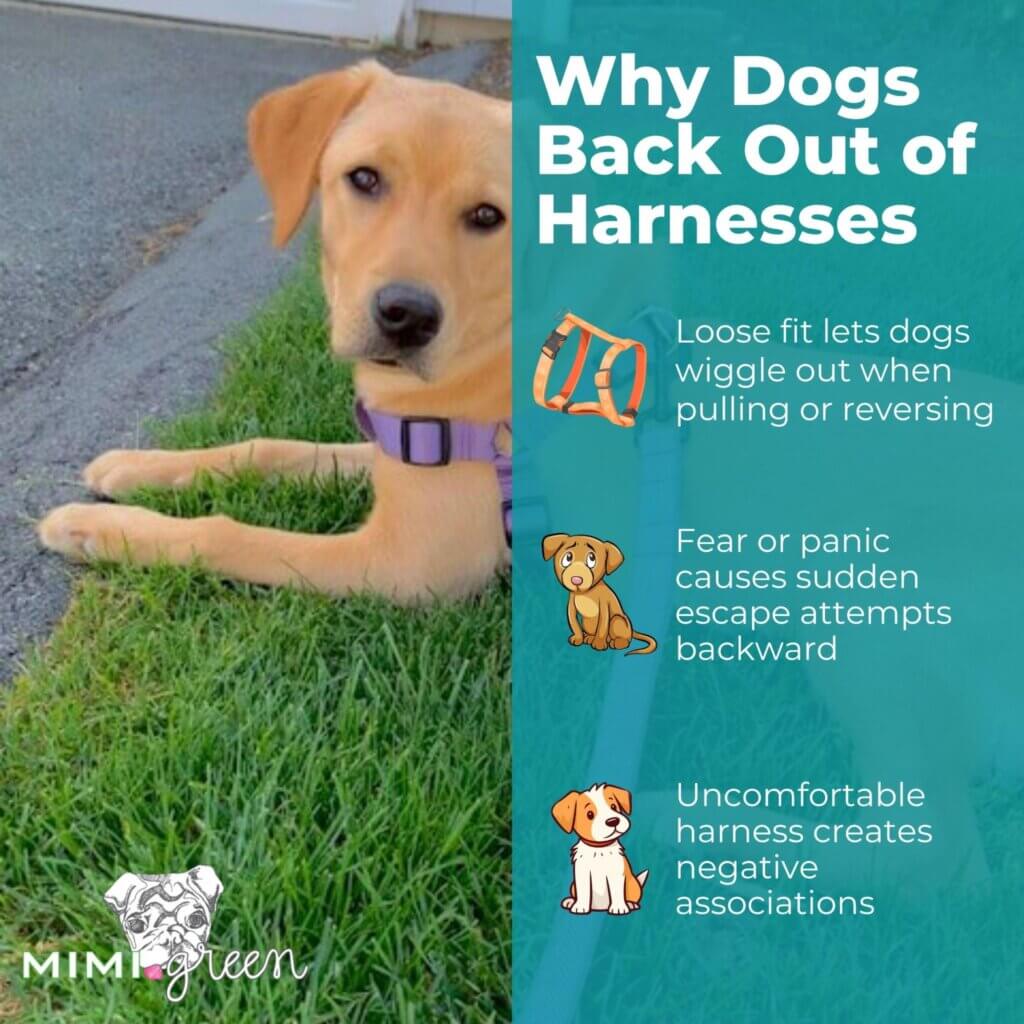
When your dog slips out of their harness, it’s easy to blame the gear. But more often than not, the problem isn’t just the harness, it’s the fit, the context, and how your pup feels about wearing it.

It’s Not Just the Harness, It’s the Fit

Harness escapes usually start with looseness. A strap that looks “fine” at rest may slide or shift when your dog pulls forward, or worse, darts backward. This is especially common with:

  • Dogs between sizes whose bodies don’t match standard patterns.
  • Recently groomed pups with less coat volume.
  • Growing puppies who outgrow sizing quickly without obvious cues.

What feels secure one week may be too loose the next. Fit isn’t a one-and-done check, it’s a routine, just like clipping nails or brushing fur.

Behavioral Triggers: Fear, Excitement, and Panic

Not every escape is mechanical. Sometimes, it’s emotional.

  • Loud trucks, bikes, or sudden noise can spook a pup into reverse-wriggling.
  • Squirrel sightings or high prey drive can spark lunges that pop harnesses loose.
  • Rescue dogs with rough pasts may see the harness as a threat, not a walk-time reward.

Dogs aren’t being “bad” when they back out, they’re communicating discomfort, fear, or confusion. Understanding that gives us the power to fix it.

Poor Association With the Harness

The way a harness goes on matters. Shy or anxious pups often hate over-the-head styles. And when walks are rushed, no sniff time, no warm-up, the gear starts to feel like pressure, not pleasure.

At Mimi Green, we always suggest turning harness time into a ritual: treats, calm voices, short walks to start. When a dog connects the harness with safety and good vibes, they stop trying to escape it.

How to Stop Your Dog From Escaping a Harness

The good news? You don’t have to settle for nerve-wracking walks. By addressing harness design, fit, materials, and behavior, you can keep your pup safely by your side, without sacrificing comfort or style.

Step 1 – Choose the Right Harness Style for Your Pup

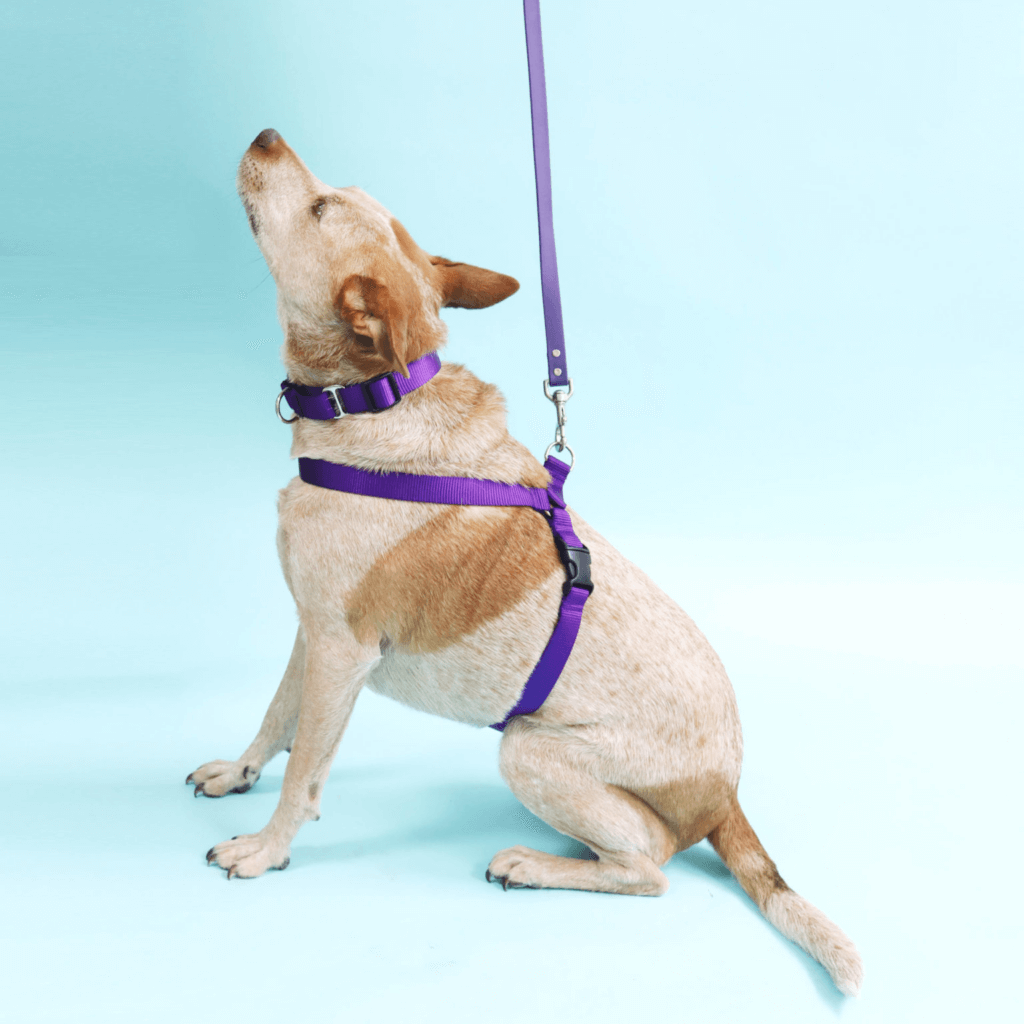
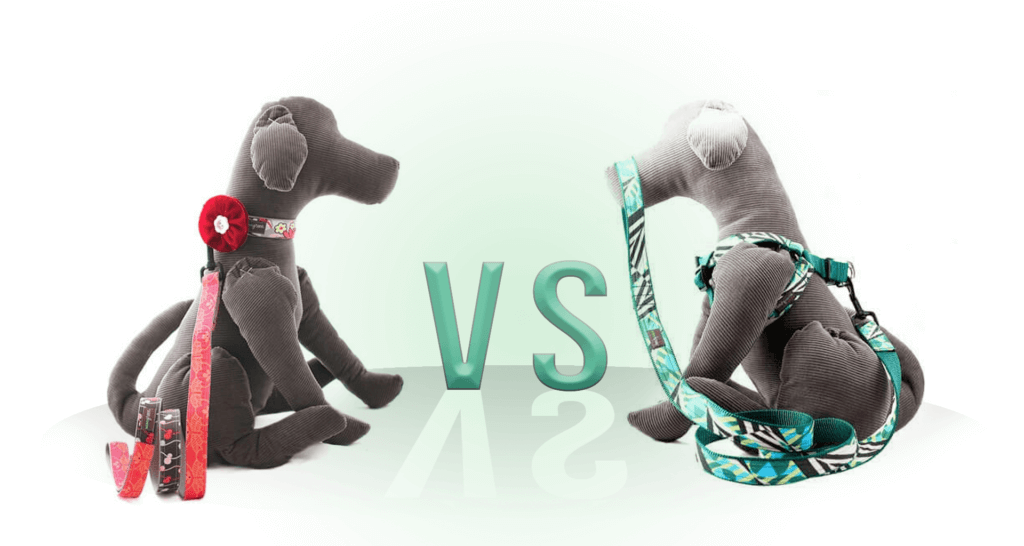
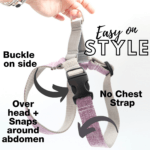
When it comes to escape artists, there’s no one-size-fits-all fix. In our opinion, there are really only two options (1) A Step-In-Harness or (2) an Easy-On Harness

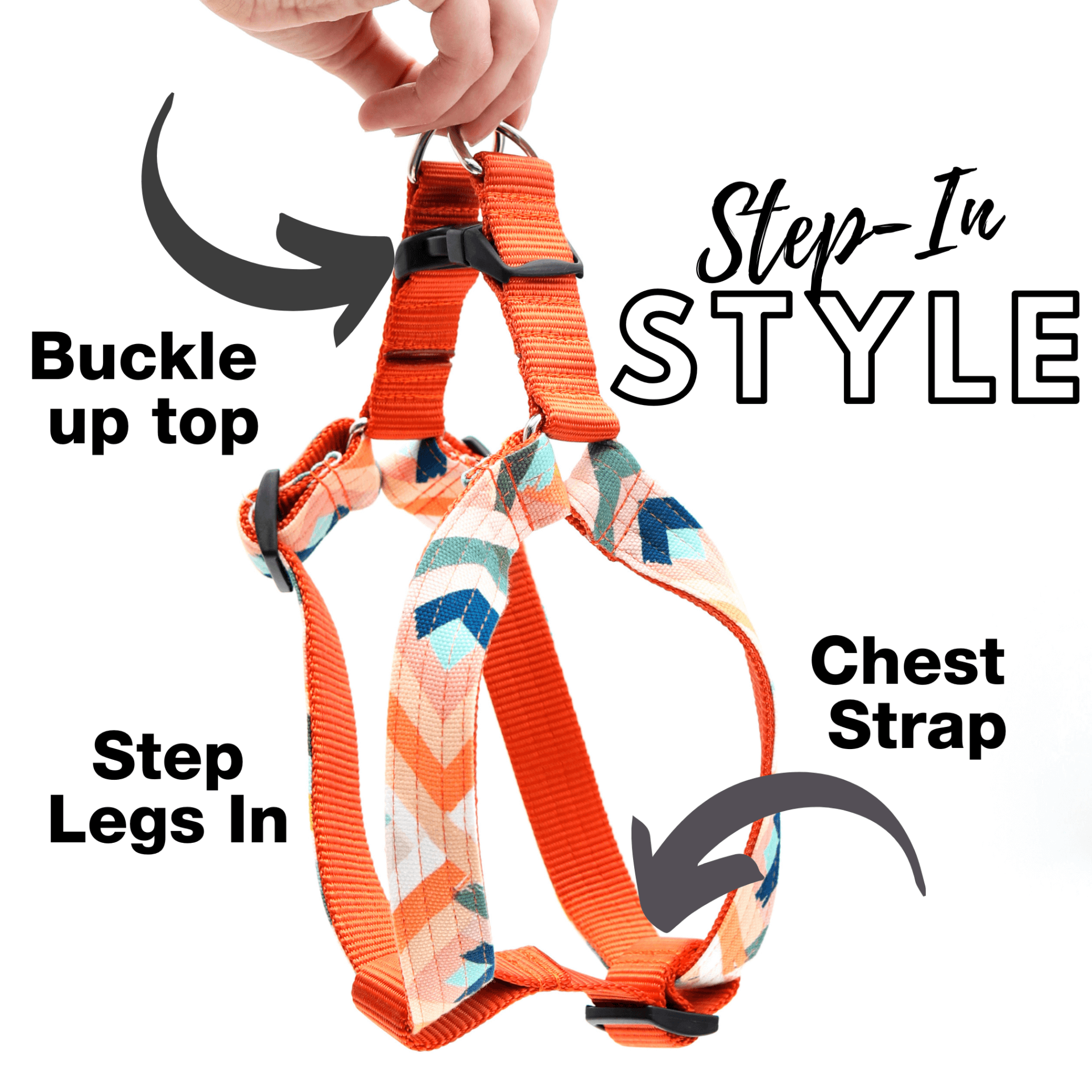
Step-In Harness: Secure Fit for Wiggle-Prone Dogs

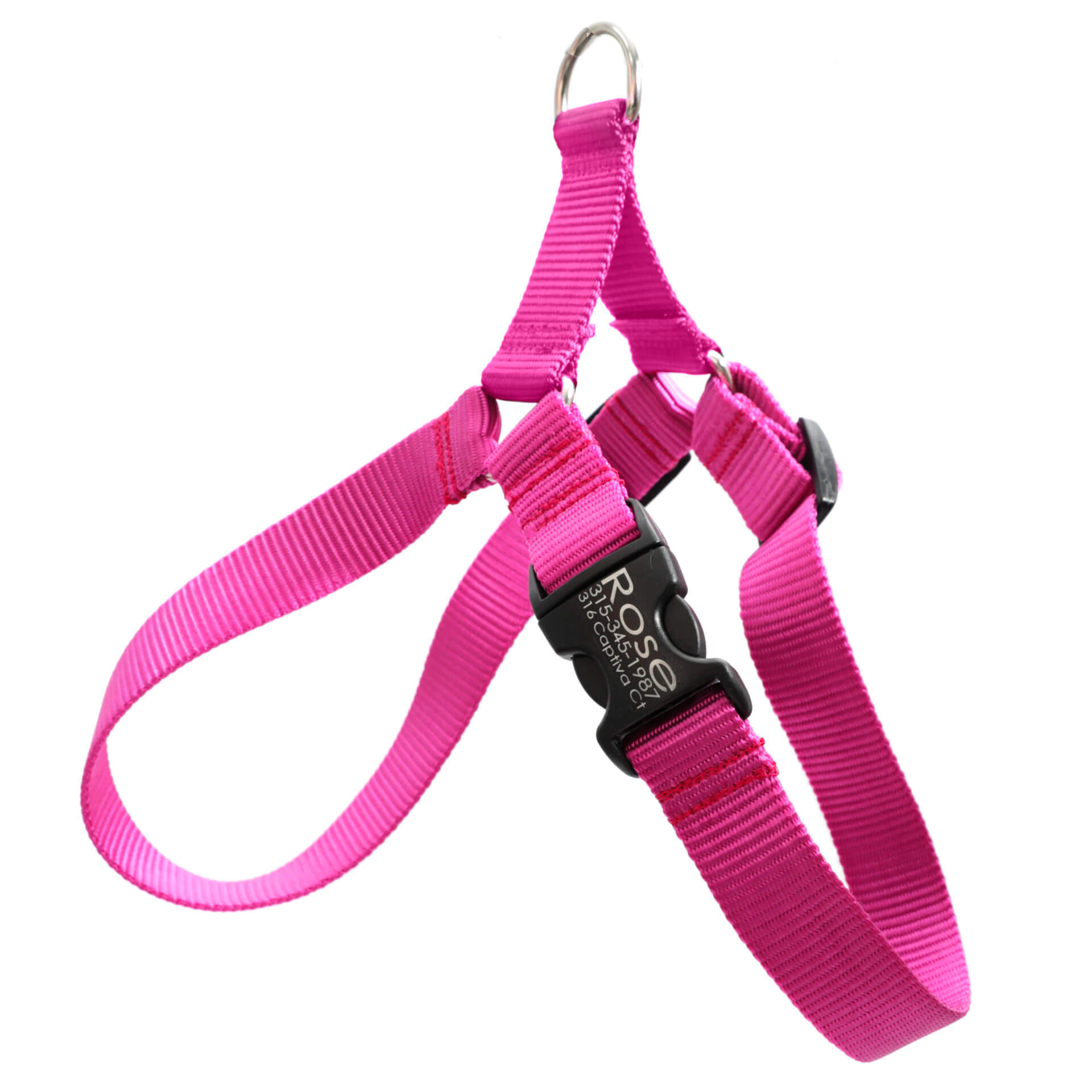
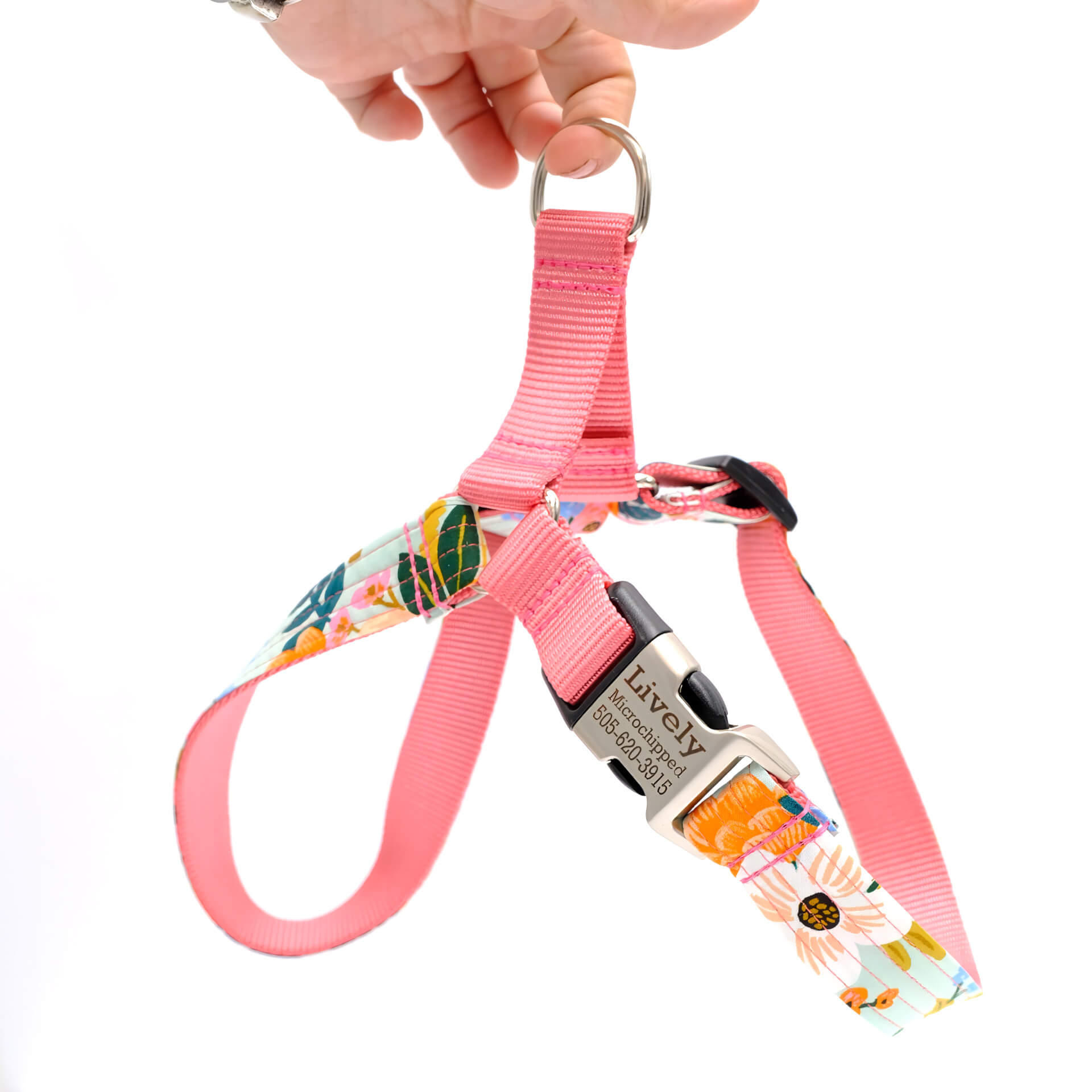
Our Step-In Harness is the OG—handmade for over 15 years and a customer favorite for good reason.

  • Features a chest strap to prevent backing out
  • Perfect for broad-chested dogs or dogs between sizes
  • Buckle sits on your dog’s back—no neck fuss!

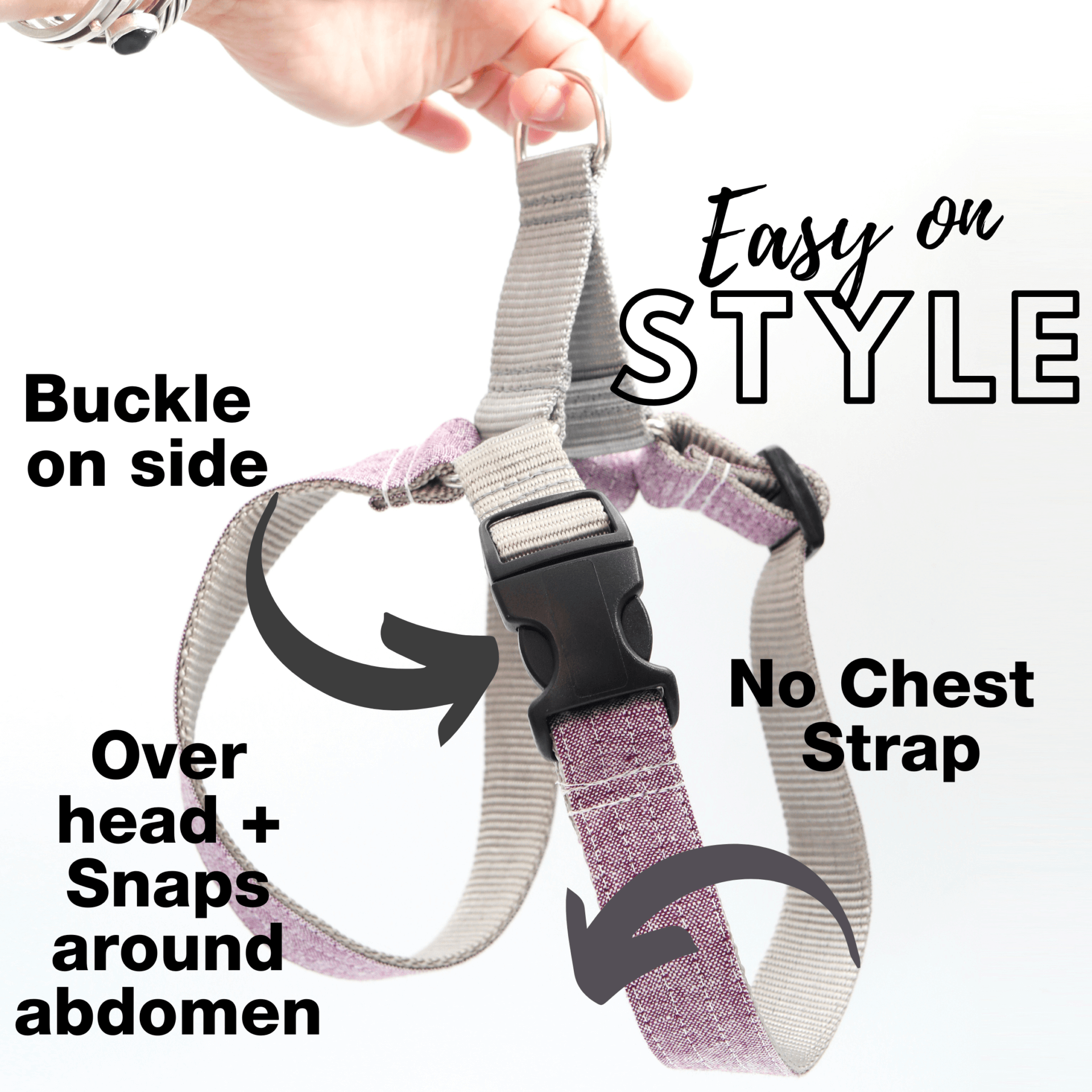
Easy-On Harness: Lightweight & Low-Bulk

Our Easy-On Harness is a newer style that simplifies gear-up time without skimping on style.

  • Minimal coverage = ideal for sensitive skin or pups who hate bulk
  • Adjustable with a back clip and optional buckle engraving

Other Styles We Don’t Recommend 

  • Front-clip harnesses: These are often used to curb pulling, but they tend to shift off-center and cause irritation, especially on short-haired dogs.
  • Mesh harnesses: While lightweight, they’re often cheaply made and rarely made in the USA. We’ve tested similar versions, but the fit and durability never held up.

Pro Tip: Most harnesses on the market are mass-produced overseas. Ours are handmade right here in the USA, and they match our fabric collars, making them both secure and stylish.

Step 2 – Check and Adjust the Fit Every Week

Use this quick checklist every week:

  • Two-finger rule: You should be able to slip two fingers snugly between the harness and your dog, no more, no less.
  • Watch for strap movement: During walks, if it shifts side-to-side or slides up the neck, it’s too loose.
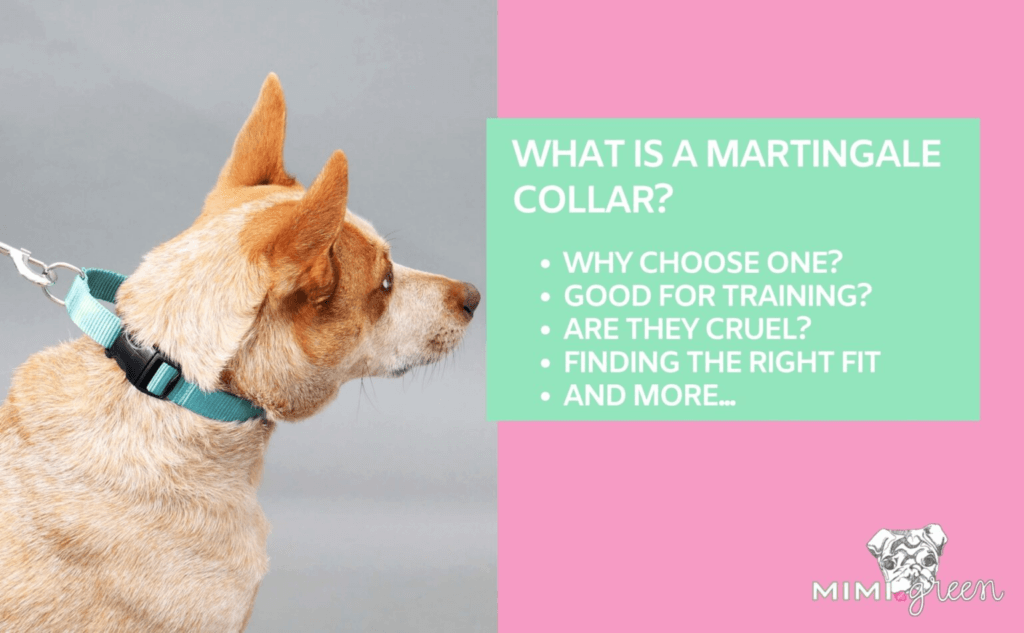
  • Martingale collars: These tighten gently when pulled, making them hard to slip but soft on the neck.
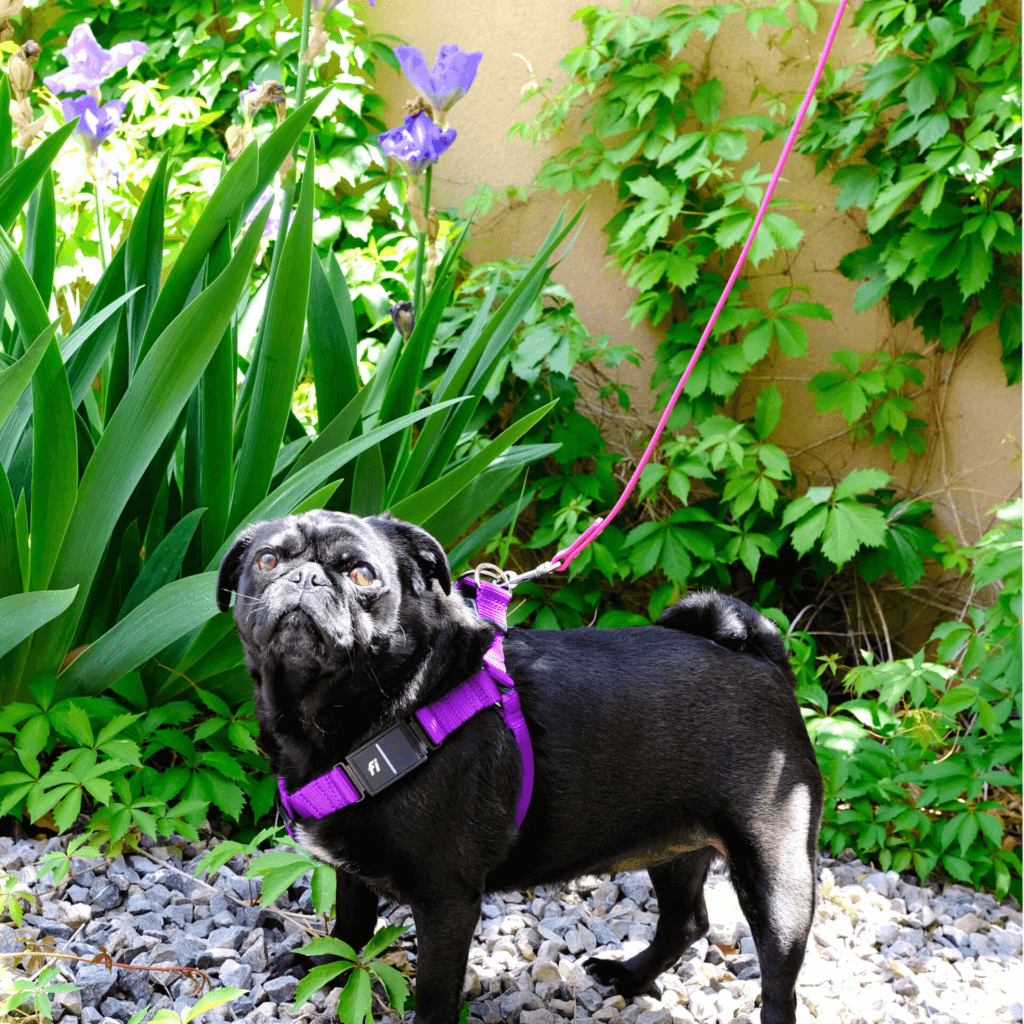
  • Fi-compatible harness: Try a Fi-compatible harness with a martingale for GPS + escape resistance.

Step 3 – Choose Comfortable Materials

Discomfort is a huge escape trigger. In order to avoid, look for materials like:

The right fabric matters. Learn more in our post on the best dog collar materials. The same rules apply for harnesses.

Step 4 – Use Training to Prevent Backing Out

Training is part of the safety system. Follow this list:

  • Introduce slowly: Let them sniff it, touch it, and associate it with treats.
  • Pair with positive moments: Always put on the harness before something good, like meals or walks.
  • Practice calm entry/exit: No door dashes. Teach your dog to sit and wait before stepping out.

Escape-proof isn’t just about the gear, it’s about the behavior that goes with it.

Harness Hacks From Real Dog Owners

Sometimes the best tips come from people who’ve been there, chasing their dog down the street or watching a wriggly pup slip out mid-walk. These hacks are simple, smart, and save-the-day effective.

  • Double up with a leash to both collar and harness. This creates a backup if one fails, and it gives you more control when it matters most.
  • Use a martingale-style collar. These collars tighten gently when pressure is applied, preventing your dog from slipping backward.
  • Treat every walk like training. Calm exits from the house, polite leash behavior, and “gear-up” routines build lasting good habits.
  • Skip one-size-fits-all. Your dog is unique. Their harness should be, too. Adjustable gear that fits your pup’s shape makes all the difference.

When to Consider a New Harness

Even if you love your current harness, there comes a time to switch it up, especially if your dog’s safety is on the line.

It’s time for new gear if:

  • Your dog has recently escaped, started chewing straps, or you’ve noticed shifting while walking.
  • They’ve had a haircut or gained/lost weight, yes, that affects fit.
  • You’ve adopted a new dog who doesn’t respond well to the current style.

A good harness doesn’t just “fit.” It supports behavior, safety, and comfort.

Mimi Green’s Escape-Safe Recommendations

We know one-size-fits-none. That’s why our harnesses are made-to-order, just for your dog’s size, shape, and vibe. We offer:

  • Better materials: Choose from soft cotton, plush velvet, or waterproof Biothane that stays comfy and strong.
  • Safety layering: Match your harness with one of our martingale collars or engraved ID buckles for backup protection.
  • Guidance: Need help choosing? Our team is here for your questions. We offer real advice.
  • Custom Size: Pup have a particularly large chest that doesn’t match their girth? We can help! We can custom fit our harnesses, even making the straps different sizes!

Harness escapes don’t have to be your norm. You don’t need to dread every walk or settle for gear that almost works. Whether you’re dealing with a nervous rescue, an energetic puppy, or a squirrel-obsessed explorer, there’s a better path forward.

Your dog deserves a harness that won’t quit. 👉 Explore Mimi Green’s harnesses today.

Are Double Dog Leashes Good? Pros, Risks & Expert Tips

Double dog leashes are great for calm, leash-trained pups who walk well together, but they’re not ideal for pullers or dogs with mismatched energy. Learn when to use a double leash, who it’s for, why it works, and the surprising risks no one tells you about.

Walking two dogs at once sounds like a dream, until it feels like a tug-of-war. 

But are they really as helpful as they seem? The short answer: It depends entirely on your dogs.

This guide walks you through everything you need to know before snapping that Y-lead on your pups, from who double leashes are actually for, to the real-world risks and tradeoffs no one talks about. 

What Is a Double Dog Leash, and How Does It Work?

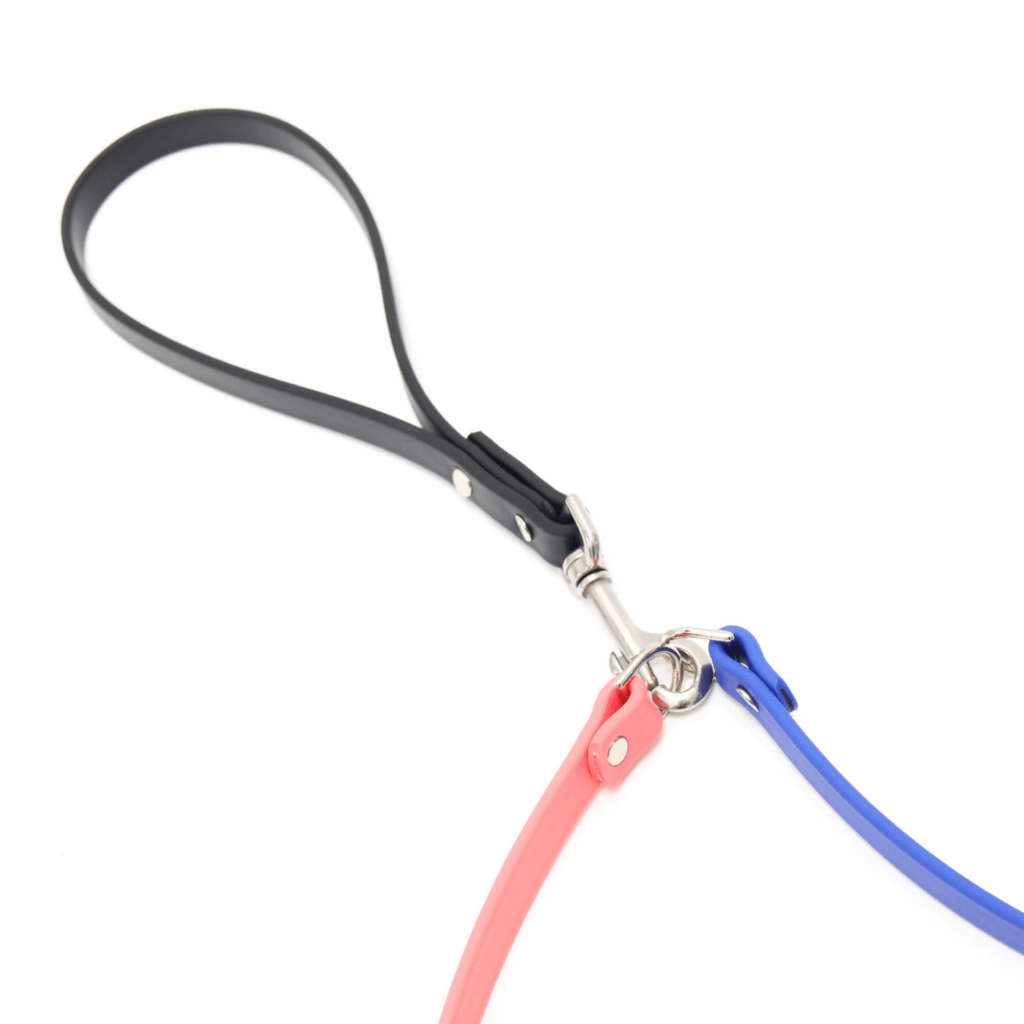
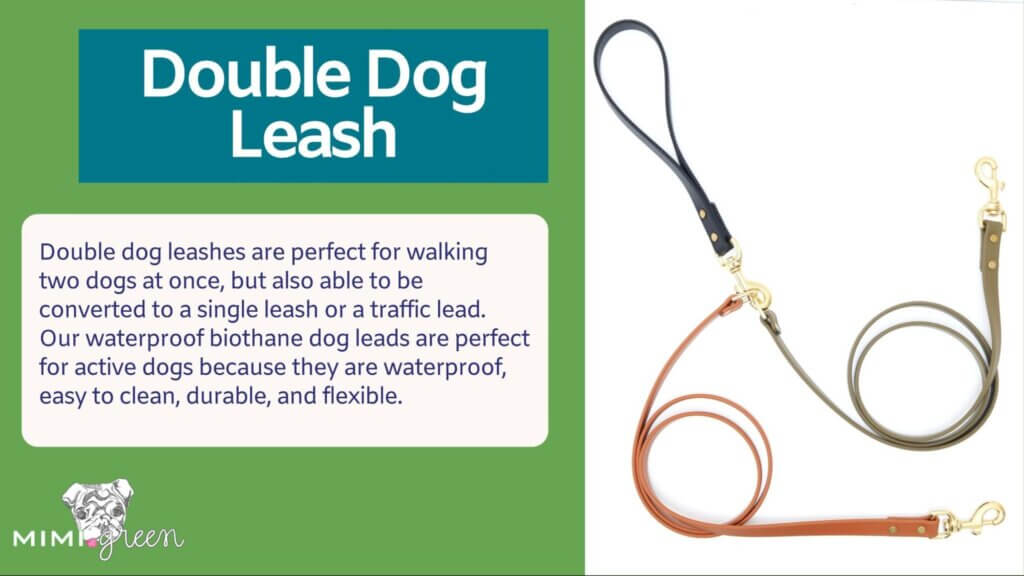
A double dog leash, also known as a coupler or Y-lead, is a single leash that branches into two leads, allowing you to walk two dogs using just one handle. It’s often marketed as a way to simplify your routine and reduce leash tangles during walks.

Why do people love them? Because managing two separate leashes can feel like an octopus arm workout. With a coupler, your hands are free for a coffee, poop bag, or stroller. And when both dogs walk well together, it can genuinely feel smoother.

You’ll find different styles available depending on your needs:

  • Bungee couplers: absorb shock and soften sudden tugs.
  • Adjustable split lengths: help balance dogs of different heights.
  • Swivel connectors: reduce tangling.
  • Reflective or heavy-duty options: cater to nighttime visibility or stronger dogs.

Sounds like a perfect fix, right? Not so fast.

Are Double Dog Leashes Good for All Dogs?

Double leashes can be a lifesaver, or a leash-length disaster. Whether they work for you depends entirely on your dogs.

When they can be a game-changer:

  • Your dogs are similar in size, pace, and temperament: They naturally walk in sync and don’t dart in opposite directions.
  • Both dogs are well-trained: They understand leash cues, don’t pull, and know how to walk as a team.

When they can cause chaos:

  • If one pulls and the other doesn’t: The strong walker can unintentionally yank the calm dog or train them to pull too.
  • If one dog is reactive or high-energy: Escalations can happen quickly, and your calm dog can get caught in the crossfire.
  • Different “goals” on a walk: A dog who wants to sniff every blade of grass and a dog who power-walks aren’t going to get along on a shared leash.

Too often, people assume a double leash will “fix” leash issues. But no leash, no matter how cleverly designed, can replace solid training. 

Key Signs Your Dogs Are (or Aren’t) a Match for a Double Leash

Not sure if your duo is ready? Watch for these signs on your solo walks:

  • Do they naturally walk at the same pace? If one constantly stops or pulls ahead, expect tension, literally and figuratively.
  • Do they stay calm around each other and outside distractions? If one gets riled up and the other doesn’t, they’ll tug against each other.
  • Are they similar in size and strength? A 15-pound dog tethered to an 80-pound lab can quickly become an accidental passenger.

If any of these sound familiar, start with separate leashes. You can always test a double leash later, once the team dynamics feel more stable.

When NOT to Use a Double Dog Leash

Sometimes, walking two dogs together is the problem. A double leash only works if both dogs bring calm, predictable energy to the walk. Here’s when to skip it:

  • Your dogs don’t actually like each other? Dogs who merely tolerate each other, or worse, rile each other up, shouldn’t be forced into shared space. A double leash limits their ability to create distance, which can turn annoyance into aggression quickly.
  • One dog is older or tires faster? When one dog slows down while the other wants to keep moving, the mismatch creates drag and frustration. This setup often exhausts the older or less mobile dog before you’ve even reached the halfway point.
  • You’re multitasking? Walking two dogs is already a balancing act. Add a stroller, coffee cup, poop bag, or phone in your other hand, and things can go sideways. In situations where your attention is split, two separate leashes offer more flexibility and safety.

Double Leash vs. Two Separate Leashes vs. Double-Handled Leash

Wondering which leash setup fits your routine best? Here’s a breakdown:

  • Double Leash: Sleek and hands-free, it works best for evenly matched, well-trained dogs. But it offers limited control when things go wrong, especially if one dog reacts or changes pace unexpectedly.
  • Two Separate Leashes: Offers the most individual control, making it ideal for dogs still in training or with different walking styles. The downside? You’ll need coordination, quick reflexes, and a good grip, especially when walking both dogs solo.
  • Waist Leash + Standard Leash: This hybrid method frees up one hand and gives you the ability to guide each dog separately. Many seasoned walkers prefer this combo, especially for managing a calm dog alongside one that needs extra supervision.
  • Double-Handled Leash: Ideal for one dog rather than two, but still worth mentioning. These leashes allow for short-range control in tight spaces and looser movement when safe. They’re perfect for dogs who switch from heel to sniff mode often.

No matter your setup, the goal is the same: safe, calm, and happy walks. Gear should support your training, not replace it.

Smart Training Tips Before You Try a Double Leash

Before you jump into a double leash setup, it’s worth doing a little prep work. Think of this as setting your dogs (and yourself) up for success:

  • Train individually first: Each dog should know how to heel, respond to leash pressure, and stay focused in distractions. Two untrained dogs on a coupler is like riding a tandem bike with no handlebars.
  • Practice side-by-side walking: Start with both dogs on separate leashes, but walk them on the same side. Watch how they move together. If one constantly lags or speeds ahead, that mismatch will be magnified on a double leash.
  • Harnesses or Martingales give more control: Dogs with strong pull tendencies often benefit from front-clip harnesses or Martingale collars, which reduce strain and improve focus. Mimi Green offers both styles, with personalization, so you know which is whose in a flash.
  • Solo walks still matter: One-on-one walks help catch behavior issues or health changes early, like stiffness, limping, or anxiety triggers. Don’t feel pressure to double up every time.

If you’re dealing with a puller, consider starting with a Martingale collar, here’s a full breakdown of how they work and why trainers love them for controlled, no-slip walks:  What Is a Martingale Collar?

How to Pick the Best Double Dog Leash (If You’re Going For It)

If your dogs are ready and you’re feeling confident, picking the right double leash is key. Look for features that suit your dogs’ needs:

  • Size and strength compatibility: Lightweight couplers may not handle a pair of strong pullers. Likewise, bulky hardware can weigh down small breeds.
  • Comfort: Look for padded handles, shock-absorbing bungees, and smooth swivel connectors that prevent the leash from turning into a tangled mess.
  • Adjustability: Leashes with adjustable split lengths let you customize spacing, helping to even out small size or stride differences.

Not all gear is created equal. A leash that’s handmade, properly fitted, and thoughtfully designed can transform your walks, especially when paired with the right training.

What Experienced Dog Parents Say

What they love:

  • “It’s easier for jogs when both dogs are calm.”
  • “Fewer tangles when my pups walk in sync.”
  • “Great for short neighborhood loops.”

The most consistent advice: Start with two separate leashes. Train your dogs to walk well independently, then test a double leash once they’re synced in stride and spirit.

Do We Recommend Double Dog Leashes?

No piece of gear can replace good training. But the right gear can enhance it.

We don’t believe in one-size-fits-all anything, not in dog collars, leashes, or advice. Whether a double dog leash is right for you depends on your dogs’ personalities, pace, and your walking style.

Our recommendation:

  • Train your dogs individually until they walk smoothly side-by-side.
  • Focus on the fit, especially collars and harnesses that reduce distractions.
  • Experiment once your dogs are calm and predictable partners on walks.

Our custom-fit leashes and adjustable harnesses are designed with both control and comfort in mind, made to order in the USA, and totally customizable, right down to your pup’s name engraved on the buckle.

Better Walks Start With the Right Gear

👉 Explore our designer dog leashes options here

What to Put in Dog Goodie Bags: 27 Gift Ideas Dogs Love

In this guide, we’ll walk you through budget-friendly goodie bag ideas (that don’t feel cheap), smart swaps for dogs with allergies or sensitive tummies and much more.

Before you tie the ribbon, here’s a quick rundown of what makes a dog goodie bag truly memorable:

✅ One treat (edible or chew-based, bonus if allergy-friendly)
✅ One toy or enrichment item tailored to the dog’s size
✅ Waste bags (because they’re always needed)
✅ Personalized touch: a hand-written note, custom tag, or photo
✅ Optional extras: paw balm, collapsible bowl, seasonal accessory, or a “firsts” milestone card

By the end, you’ll have a ready-to-follow checklist and tons of creative ideas for making your dog goodie bags unforgettable, for all the right reasons.

Must-Haves for Any Dog Goodie Bag

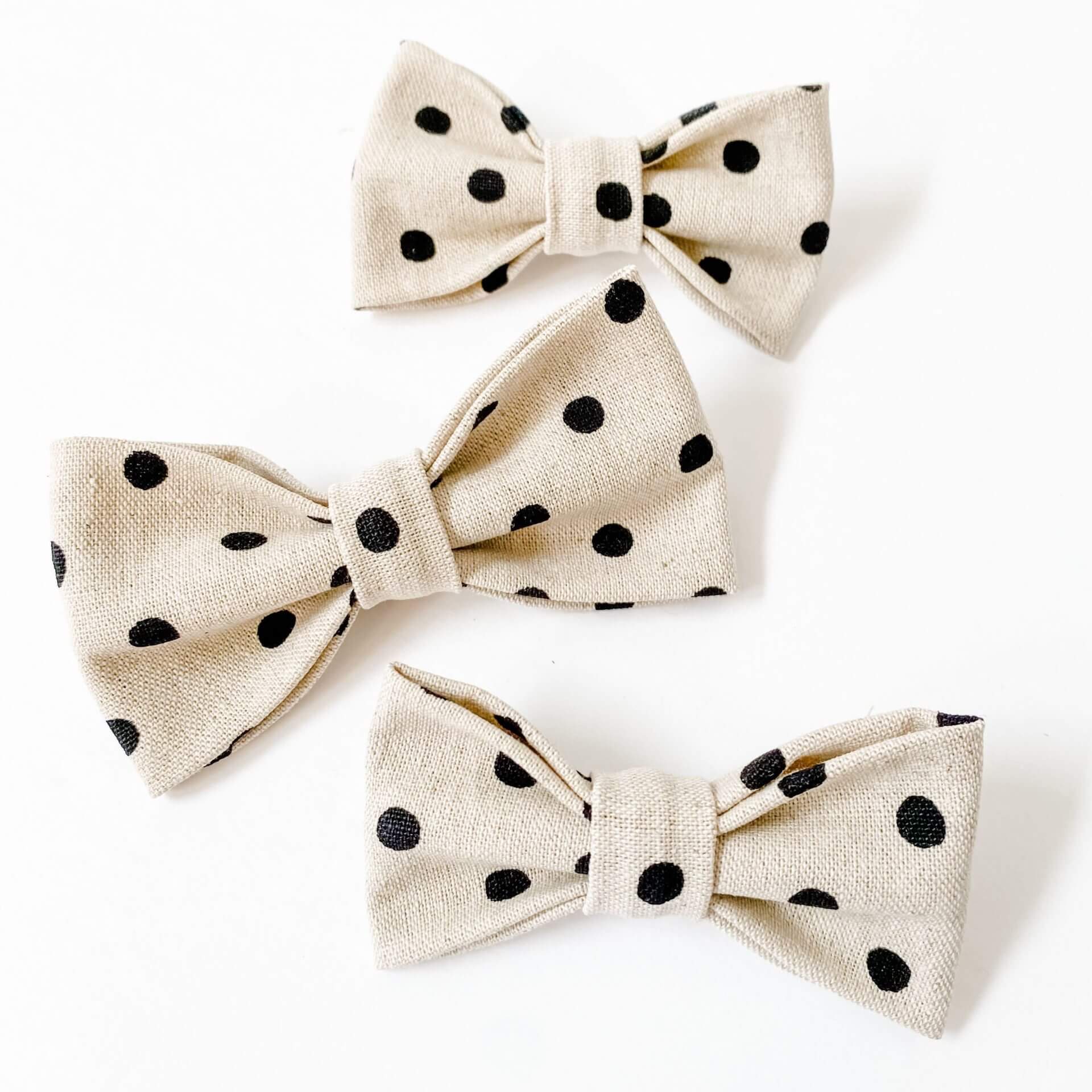
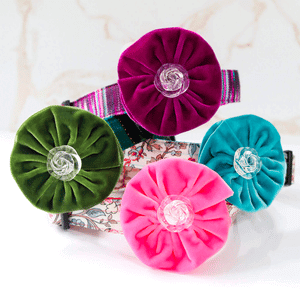
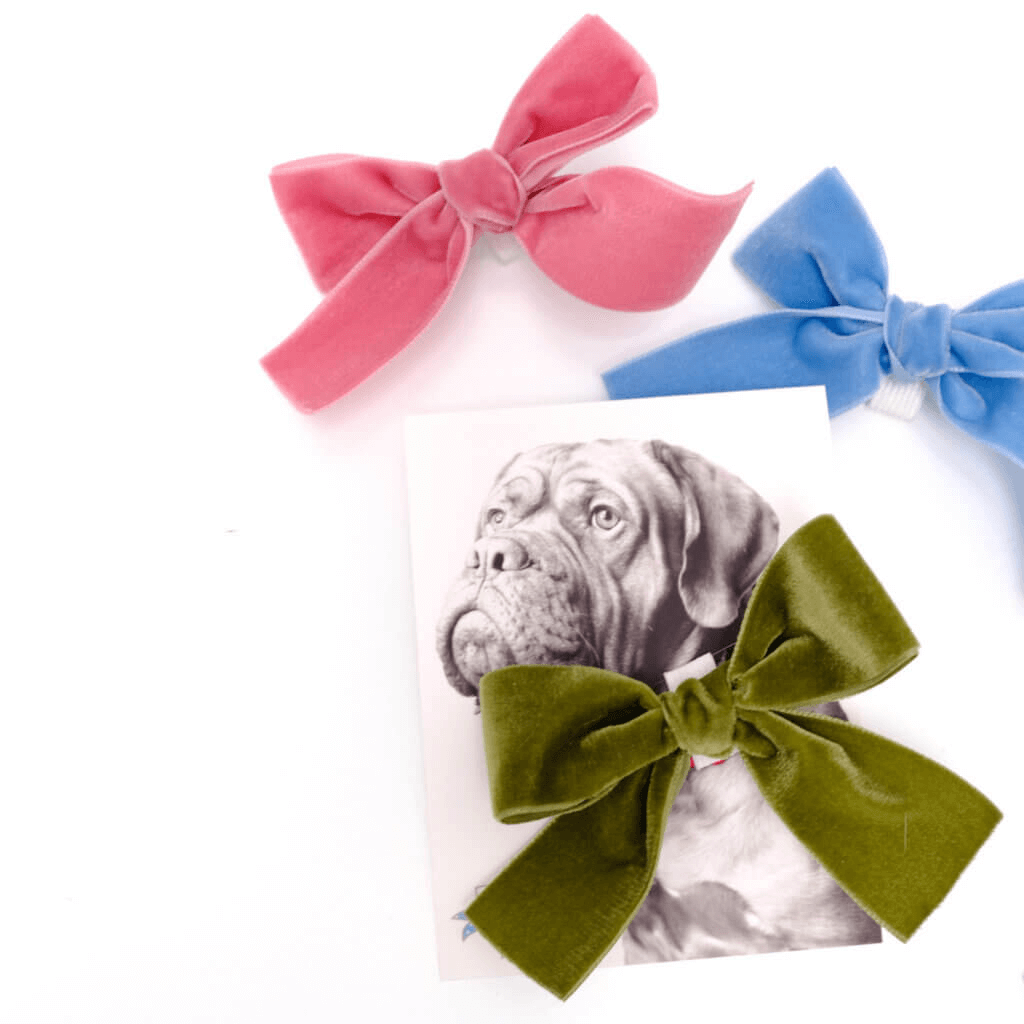
🐕Featured Product -> Velvet Bow Dog Collar Accessory – Feminine Ribbon Bow

The Basics That Never Fail

Every goodie bag should cover a few core needs: fun, function, and a little bit of flair. Here’s a solid foundation:

  • Treats: Use your go-to store-bought biscuits or a small batch of homemade favorites (just make sure ingredients are allergy-friendly).
  • Waste bags: A roll of biodegradable bags is always welcome and easy to tuck into a pouch.
  • Wearable accessory: Instead of the usual toy, consider a velvet bow tie or collar flower to add style to the pup’s look.
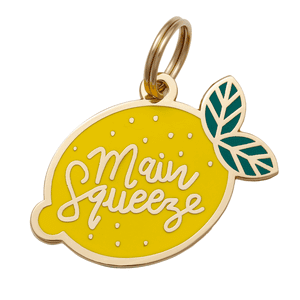
  • A personalized tag or thank-you note: Include a custom dog ID tag or slip in a hand-written card with the dog’s name and a sweet message.

Tailoring by Size and Breed

What works for a Yorkie might flop for a Great Dane. Adjust your bag contents based on who you’re gifting:

  • Tiny dogs: Opt for smaller-scale items like narrow collars or light fabric flowers.
  • Larger breeds: Choose sturdier accessories, like wide-width collars or a custom engraved buckle, which adds utility and charm.
  • Mixed events: Offer clearly labeled versions (“Small Dogs” vs. “Big Pups”) or use accessories with adjustable sizing to play it safe.

Allergy-Friendly & Sensitive Alternatives


The last thing you want is a goodie bag that sends someone’s pup to the vet. Many dogs have sensitivities, whether it’s to food, fabrics, or materials that touch their skin. Here’s how to gift with care:

  • Leather Collars: Smooth and breathable, these natural-material collars minimize friction and are a great choice for dogs prone to rubbing or skin flare-ups.
  • Fabric Martingale Collars: Made from breathable cotton voile and canvas, these are gentle on pups prone to rashes or irritation.
  • Velvet Lined Collars: Soft and smooth against the skin, with no rough edges or irritating textures.

Check out this breakdown of collars designed for sensitive skin, and consider adding a hypoallergenic fabric option to your gift bags.

Creative, Memorable Add-Ons

Super Cool Dog Collar Accessories: Fun add-ons like flowers, bow ties, and charms turn any goodie bag into a style statement.

Travel-Friendly Extras

These small, practical items get big reactions, especially from pet parents who are always on the go.

  • Collapsible water bowls: A must-have for park visits or road trips.
  • Foldable scoops or leashes: Handy and compact.
  • Paw balm or mini first-aid wipes: Thoughtful, useful, and shows you care beyond the basics.

These extras tell your customers or recipients: “I didn’t just think about your dog, I thought about your daily routine, too.”

Homemade Treat Options (Easy & Healthy)

  • Use cookie cutters shaped like bones, paws, or hearts.
  • Include a tag that lists ingredients (for allergy awareness).
  • Add a QR code linking to your recipe or a printable thank-you card.

Packaging that Pops (Without Wasting)

A beautiful goodie bag doesn’t need to be wasteful. In fact, the best packaging is reusable, recyclable, or both.

  • Kraft paper bags with twine handles add charm and compostability.
  • Drawstring muslin sacks or mini totes feel high-end and practical.
  • Custom name tags or stickers turn ordinary packages into keepsakes.

Worried about clutter? You’re not alone. A reusable bag or tag transforms your packaging into a second gift, something that sticks around after the treats are gone.

Budget-Friendly Bags Under $6

It’s totally possible to pack a punch without maxing out your margins. Here’s how:

  • Bulk treats portioned into mini compostable bags with colorful tissue make a visual impact.
  • Print your own seasonal notes or “thank you” cards, especially cute for holidays or themed events.
  • Include a contact card or magnet if you run a service-based business. It’s marketing that feels like a gift.
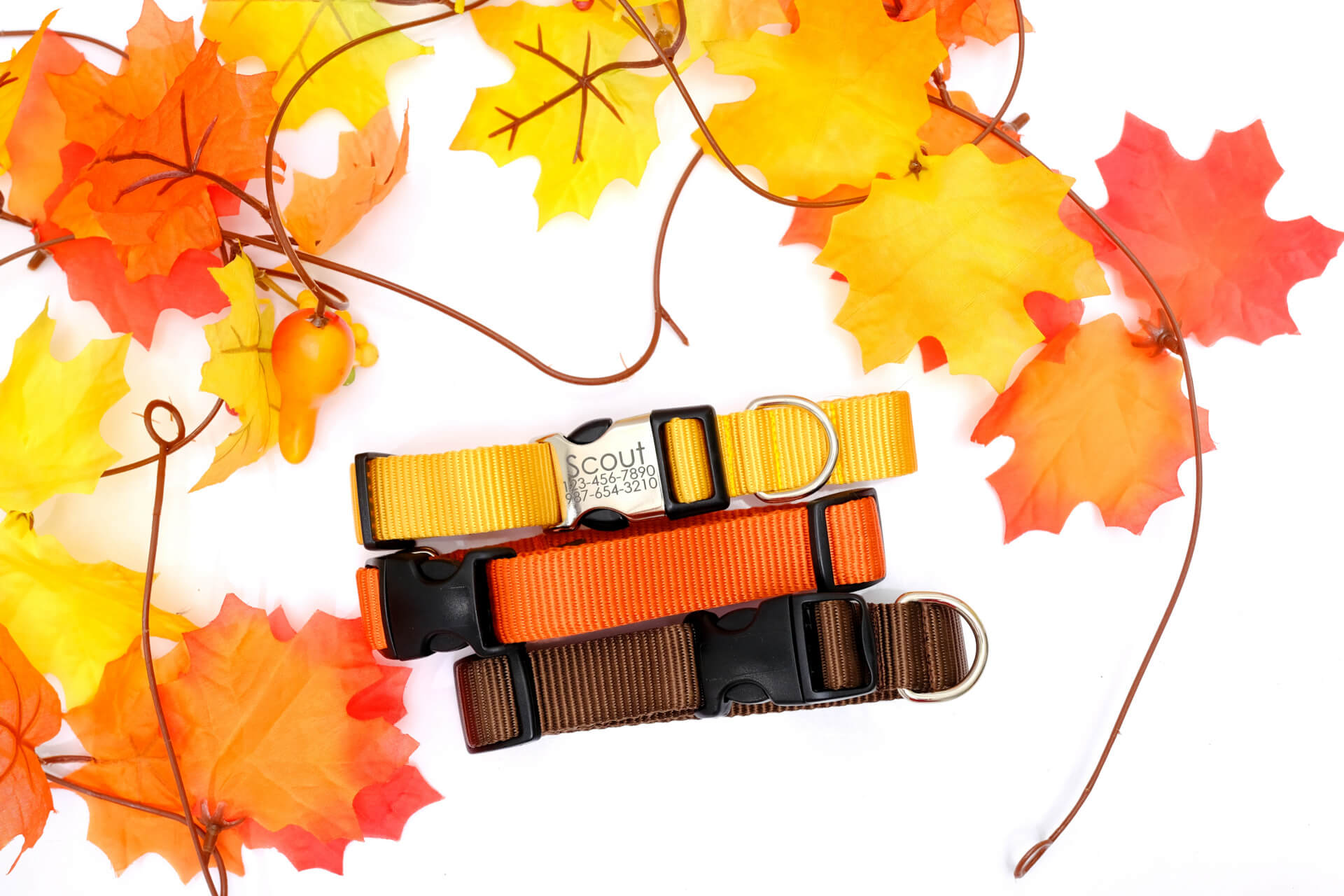
And yes, for pet professionals: these bags are often tax-deductible when kept under $6, so you’re investing in client love and your bottom line at once.
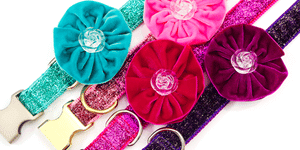
Add-On Ideas for Special Occasions

Featured Product -> Velvet Rose – Dog Collar Flower

When you’re creating a bag for a specific event, a little theme can go a long way. Here are a few ideas to mark the moment:

  • Dog Birthdays: Add celebratory cookies, a party hat, or a “Birthday Pup” bandana.
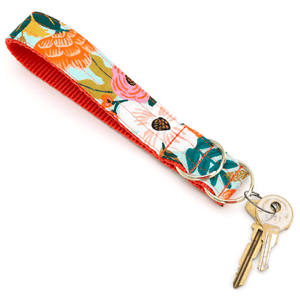
  • Gotcha Days: Include a keepsake keychain, a custom engraved tag, or a mini photo frame.
  • Valentine’s Day: Heart-shaped treats, red or pink collars (Mimi Green has velvet ones that feel extra festive), or a mini “love note” from one dog to another.
  • First Sleepover: A “firsts” milestone card, a comfort toy, or a calming treat to ease the transition. Consider labeling it with “My First Night Away” for extra charm.

These details turn a nice gesture into a moment that sticks in someone’s heart, and maybe even their social feed.

Final Checklist: What to Put in Every Dog Goodie Bag

Before you tie the ribbon, here’s a quick rundown of what makes a dog goodie bag truly memorable:

✅ One treat (edible or chew-based, bonus if allergy-friendly)
✅ One toy or enrichment item tailored to the dog’s size
✅ Waste bags (because they’re always needed)
✅ Personalized touch: a hand-written note, custom tag, or photo
✅ Optional extras: paw balm, collapsible bowl, seasonal accessory, or a “firsts” milestone card

If your bag covers these bases, you’ve already gone above and beyond.

It’s the Thought, and the Tail Wag, that Counts

Putting together a dog goodie bag shouldn’t feel like a chore. It’s a chance to share joy, build trust, and leave a little magic behind, whether you’re gifting to clients, friends, or your own pup.

Whether you’re packing a thank-you bag for a grooming client or putting together party favors for a dog’s birthday, Mimi Green offers handcrafted add-ons that elevate every bag.

👉Explore Mimi Green’s one-of-a-kind accessories and find the perfect paw-sonalized detail for your next dog goodie bag. It’s the easiest way to add heart to every gift.

Dog Neck Injury from Collar: Causes & Treatment Tips

If your pup has ever yelped during a walk, scratched endlessly at their collar, or come back from a romp with a red, raw neck, you’re not alone. Neck injuries caused by collars are more common (and more overlooked) than most pet parents realize. And while the fix might seem simple, not all collars, and not all advice, are created equal.

This guide will help you spot collar-related injuries early, treat them gently, and choose neckwear that supports your dog’s style and well-being.

We’ll walk you through the real risks (yes, even “soft” collars can cause damage), how to treat wounds, and what kind of gear helps avoid harm altogether. Ready to protect your pup’s neck, and maybe upgrade their wardrobe while you’re at it? Let’s dive in.

What Causes Dog Neck Injuries from Collars?

If your dog pulls like a sled team when they see a squirrel, their collar might be doing more than just holding tags. Neck injuries often stem from these familiar habits:

  • Sudden lunges on walks put intense strain on the throat and upper spine.
  • Too-tight collars can restrict airflow and blood circulation, while too-loose ones cause chafing and friction burns.
  • Rough hardware or stiff webbing may rub the neck raw with every movement.
  • Pressure over time, even from soft materials, can bruise the tissues around the thyroid and salivary glands.
  • And those choke, prong, or chain collars?  When used in the wrong way, they can increase the chance of pain, panic, and long-term injury.

Risks You Might Not Expect

Even well-meaning pet parents sometimes overlook hidden hazards:

  • Padded collars, if not rotated, can trap moisture and bacteria, leading to skin infections.
  • On long-haired breeds, collars often shift and create mats or tight spots that rub the skin underneath.
  • Wearing collars all day, every day, especially indoors or during sleep, means constant pressure on sensitive neck tissue.

Signs Your Dog’s Collar Is Causing Pain or Injury

  • Hairless or red patches under or around the collar
  • Scabs or weepy skin near the neckline
  • A persistent dent left behind after collar removal

Even small marks are signs of ongoing pressure. Want to avoid repeat damage?

Rotate between clean collars every few days and remove your dog’s collar during naptime or nighttime. 

Behavioral Red Flags

Not all injuries show up on the surface. Sometimes, your dog’s behavior is the first clue that something isn’t right. Pay attention to these signs:

  • Constant scratching at the collar, especially when it’s not itchy season, is a red flag. Dogs often scratch when something irritates or hurts.
  • Avoiding walks or pulling away when you reach for the collar can signal that the collar has become a source of discomfort.
  • Changes in posture, like a lowered head, stiff neck, or altered gait, may indicate neck pain. So can labored breathing, especially in small breeds or flat-faced pups.

These behaviors are easy to overlook, but they’re your dog’s way of saying, “Hey, something’s not right up here.”

How to Treat a Dog’s Neck Wound from a Collar

Step-by-Step First Aid for Minor Irritation

If your dog’s collar has rubbed their neck raw or caused a minor rash, here’s what to do right away:

  1. Take off the collar immediately. Let the area breathe and avoid further pressure.
  2. Clean the skin gently with a pet-safe antiseptic like chlorhexidine. Avoid alcohol or hydrogen peroxide, they’re too harsh.
  3. Apply a vet-approved balm or ointment with anti-inflammatory properties. Ask about aloe vera, calendula, or silver-based creams.
  4. Keep your pup collar-free as much as possible while the skin heals. Use a harness during walks or consider a soft neck wrap if needed for protection.

When It’s More Than Just a Scratch

If your dog’s neck looks worse than a little redness, it’s time to call your vet. Seek medical care if:

  • The wound is open, bleeding, or crusted
  • Your dog flinches or yelps when you touch their neck
  • There’s swelling, heat, or a bad smell, all signs of infection

Neck wounds can escalate quickly, especially with collars that continue to press on sore spots. When in doubt, don’t wait it out.

How Long Does a Dog’s Neck Injury Take to Heal?

Healing Time Varies

  • Mild redness or pressure marks: 2–3 days with collar breaks and topical care
  • Raw or abraded skin: 1–2 weeks, as long as the area stays clean and unbothered
  • Infected or open wounds: 2–4+ weeks with veterinary treatment and follow-up care

When to Use a Harness 

Sometimes, ditching the collar, for walking, at least, is the healthiest move. Consider switching to a harness if:

  • Your dog tends to pull or lunge on leash
  • They’re under six months old and still growing
  • They have short snouts, breathing issues, or anxiety that collar tension could worsen

Best Practices for Safe Collar Use

  • For ID tags only, not for walking or correction
  • Always follow the two-finger fit rule
  • Wash and rotate collars weekly to prevent buildup and wear spots
  • Avoid retractable leashes with collars, they create jerky force that can injure your dog

Best Collar Materials to Prevent Injury

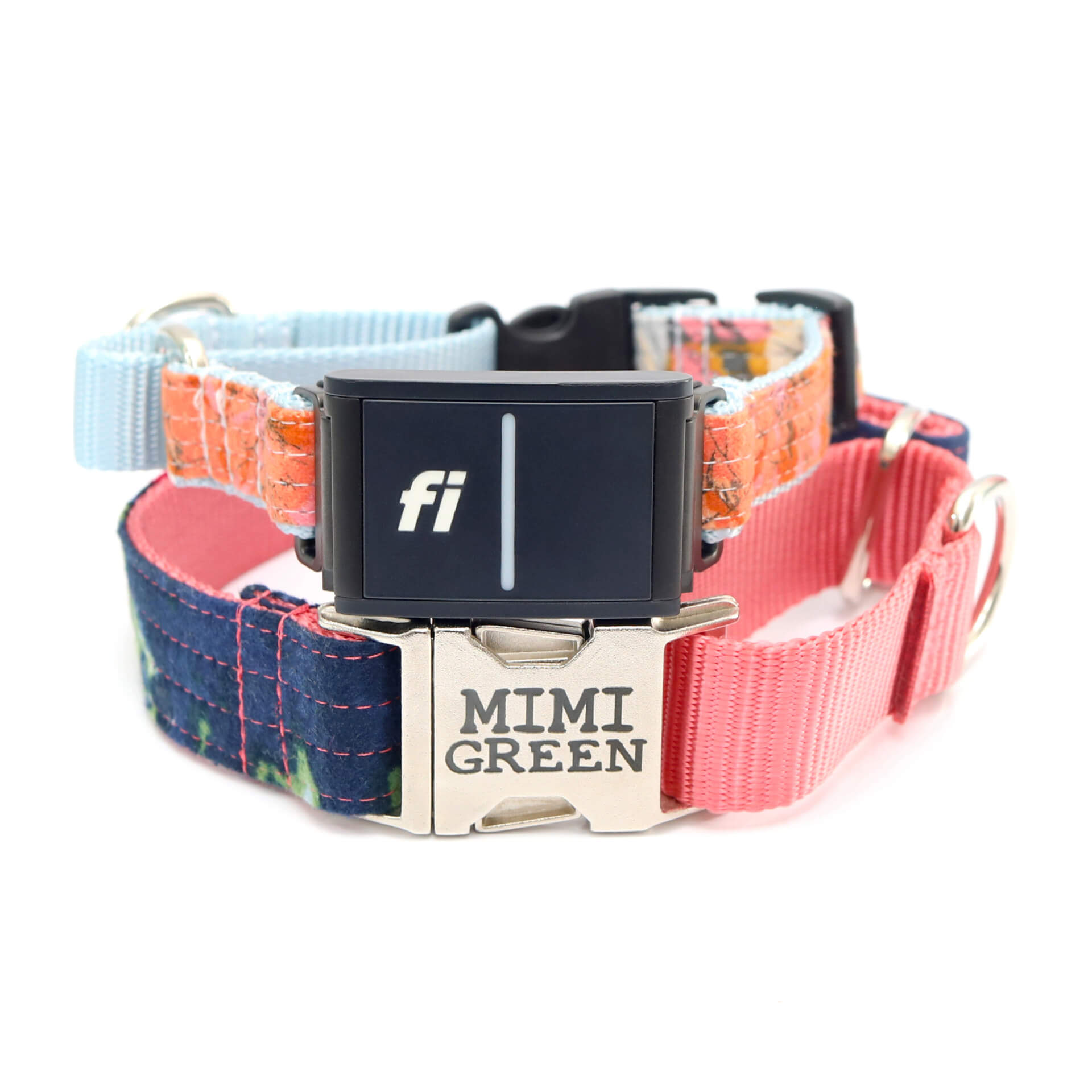
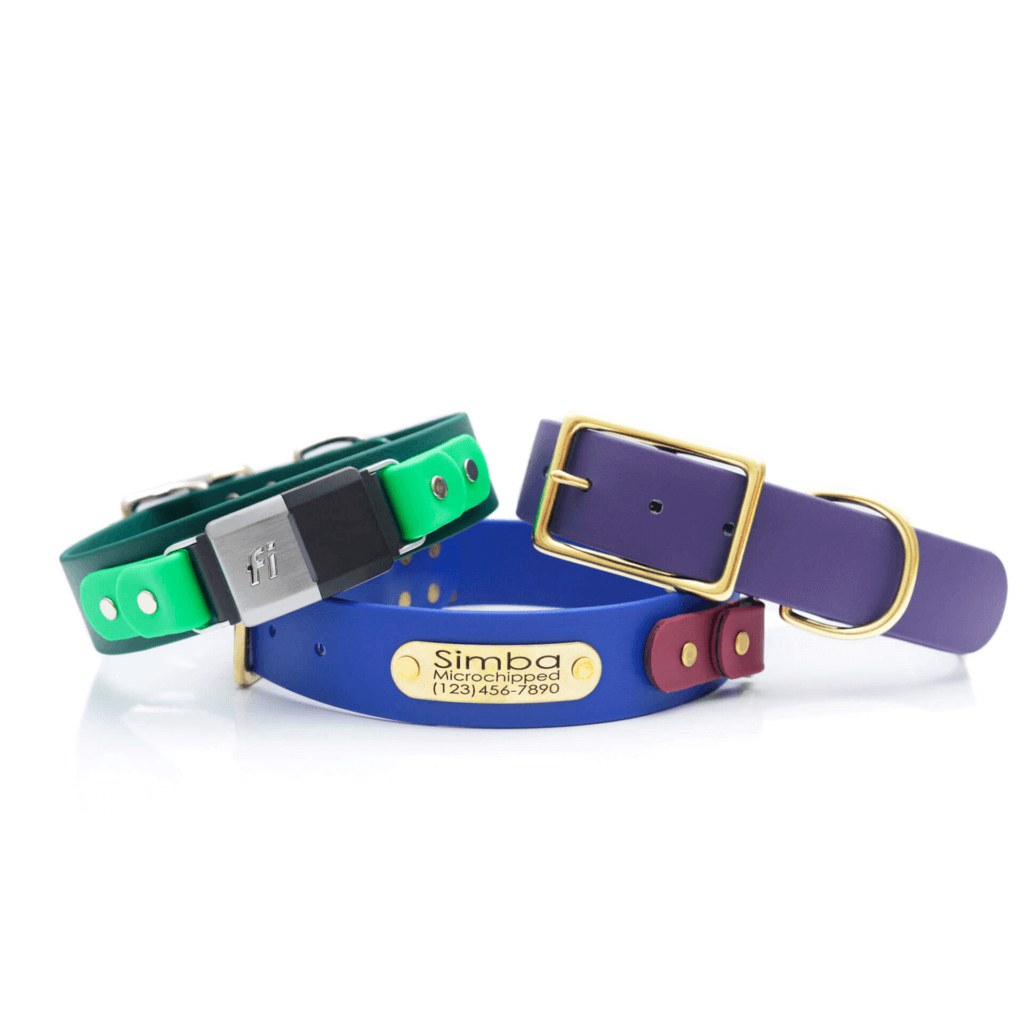
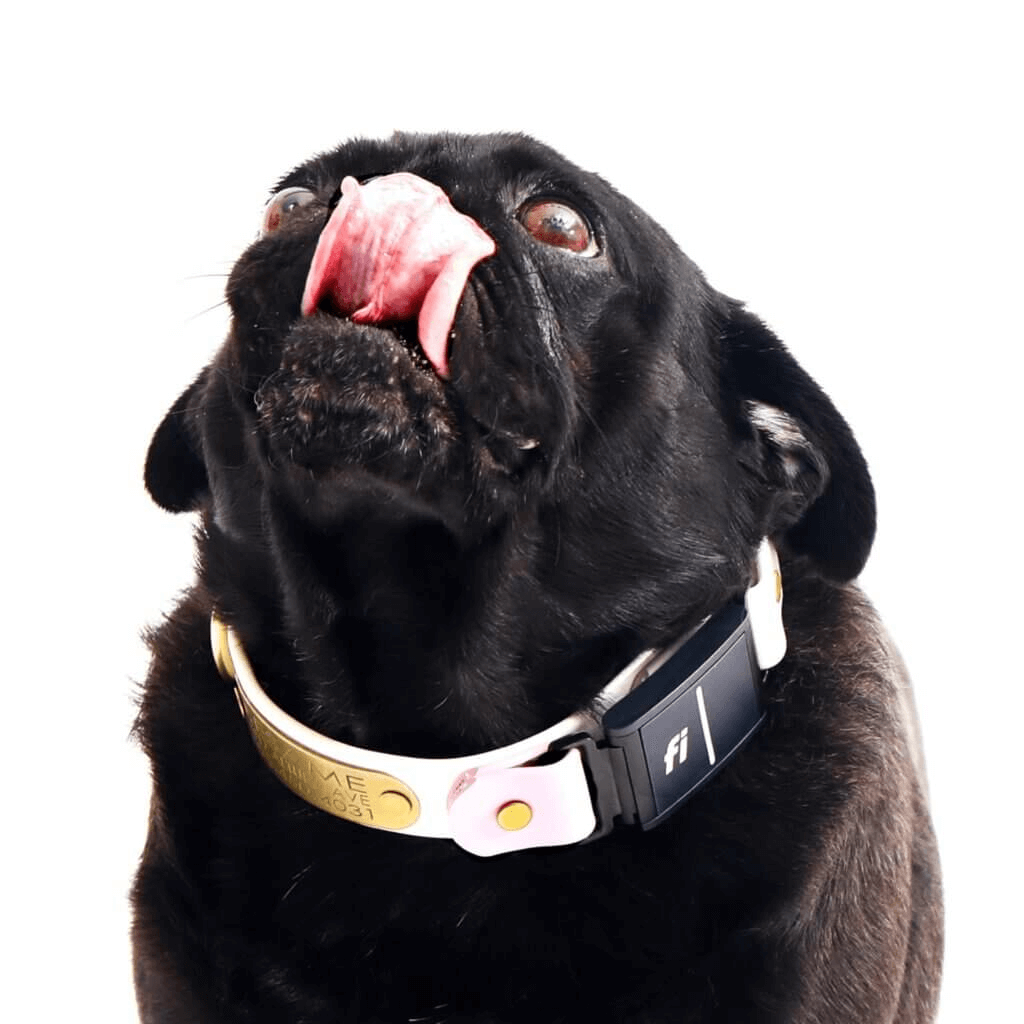
The Fi compatible Waterproof Collar from the picture comes in over 20 bold colors, multiple sizes, and features an optional engraved nameplate.

Safe Alternatives Recommended by Mimi Green

Not all collars are created equal, and some materials are just better for your pup’s skin, especially if they’ve had issues in the past.

  • Biothane®: Our go-to for sensitive pups. It’s waterproof, hypoallergenic, odor-resistant, and wipes clean in seconds.
  • Leather: Strong yet soft, and perfect for short-haired dogs prone to rubbing. It molds to your dog’s neck over time.
  • Cotton: Breathable and gentle, an excellent option for dogs with delicate or allergy-prone skin.

These aren’t just safer, they’re stylish, made-to-order, and designed to last.

Materials to Avoid

Skip these materials if your dog’s had past irritation or you want to avoid it altogether:

  • Cheap nylon blends with sharp edges that cause micro-abrasions
  • Collars with rough hardware or protruding seams
  • One-size-fits-all collars that don’t adjust correctly, and rub because of it

Mimi Green’s Tip: If you’ve got a sleek-coated dog like a Boxer or Whippet, opt for silk or extra-soft weaves to protect their neck from chafing. Not to brag, but Mimi Green’s Nylon Webbing is much softer than many options on the market!

How to Train Without Hurting Your Dog’s Neck

Avoiding injury doesn’t mean giving up on polite walking. Here’s how to teach leash manners, no collar pressure required:

  • Use small treats or praise to reward walking by your sid
  • Try “stop and go” games to build focus and pace control
  • Use a front-clip harness to gently redirect pulling without neck force

Tools That Help

Featured Product -> Step In Dog Harness

  • Step-In Harnesses: Balance pressure across the chest, not the neck
  • Properly fitted martingales: Can be safe when used only for ID and gentle guidance, not corrections
  • Licky Mats or sniff breaks: Great for decompressing over-excited dogs before training sessions

Keeping Your Dog Safe, Stylish, and Injury-Free

Built for bold dogs and big adventures: Fi-compatible Waterproof Collar 👉Choose from 20+ colors and a full range of sizes.

Your dog deserves a collar that feels as good as it looks, and never puts their health at risk. Whether you’re managing an injury or just upgrading your gear, remember: comfort and safety don’t have to compromise on style.

From waterproof Biothane® to custom-fit cotton and leather collars, Mimi Green offers handcrafted options tailored to your dog’s needs and personality. Each one is made to order by our small, USA-based team with materials we trust on our own dogs.

Why Mimi Green Is The Best Fit 

If you’re reading this, chances are you’ve seen your dog suffer, whether it was raw skin, persistent scratching, or that heartbreaking yelp after a leash tug. The collar that caused it? It’s not your only option.

Here’s what Mimi Green offers instead:

  • Custom-sized collars made for your dog’s exact neck, not a guess
  • Gentle, breathable materials like Biothane® and soft cotton that don’t irritate
  • Options for every breed, coat type, and walking style, including harness-friendly and tag-only collars

No more scratching. No more red marks. No more second-guessing. Just a comfy, confident pup and a collar you both feel good about, on every walk, photo, and cuddle session.

👉Find your own custom collar today.

What Is a Breakaway Dog Collar? Safety, Use & Key Differences

A breakaway dog collar is designed to unclasp under pressure to prevent choking if your dog gets stuck. Unlike quick-release collars, they detach automatically. These are ideal for indoor use, not walks.

Note: Mimi Green breakaway dog collars have D-Rings for leash walks to prevent the breakaway function. If you forget, your pup could break free.

You wouldn’t leave your dog in a kennel with a regular leash on, and for good reason. Traditional collars, while secure, can become hazards when you’re not around to help. That’s where breakaway dog collars come in.

Designed with a self-releasing clasp, breakaway collars snap open under pressure, like if your dog’s collar gets snagged on a crate, fence post, or another pup’s mouth during roughhousing. They’re made to reduce the risk of choking, especially for dogs left unsupervised indoors or in multi-dog homes.

What Is a Breakaway Dog Collar, and Why Do People Use Them?

A breakaway dog collar is designed with a special clasp that releases under tension, think of it as a safety seatbelt for your dog’s neck. The moment enough pressure is applied, like if your dog’s collar gets snagged on a crate bar, fence wire, or a curious sibling’s tooth, it pops open. No panic. No injury.

This collar is built to minimize risks of choking or strangulation during moments when no one’s watching. While they might resemble quick-release collars, they’re not the same. A quick-release clasp opens manually. A breakaway clasp opens when it needs to, automatically.

So why use one? Breakaway collars are perfect for dogs who are indoors most of the day, for pups who play rough, or for small breeds with fragile necks. They give pet parents peace of mind without sacrificing ID visibility.

Breakaway vs Quick Release Collar

These collars are designed with safety as the top priority. If the collar gets snagged on something, the breakaway buckle pops open under pressure, helping prevent choking or injury. They’re best suited for times when your dog is unsupervised, like lounging around the house or resting in a crate.

They’re not made for leash walks, unless you’re using a separate harness.

Our Reflective Nylon Breakaway Collar adds nighttime visibility to the mix, making it great for dogs who roam around the house or yard after dark.

Quick-release collars look similar but don’t open automatically. Instead, they use a side buckle that you unclip by hand. They’re secure, easy to take on and off, and strong enough for leash walks and everyday outings.

When Should Dogs Wear Breakaway Collars?

Breakaway collars are made for low-activity moments: naps on the couch, hanging out in the house, or relaxing in the crate. They’re meant to keep your dog safe if something unexpected happens, like a collar getting stuck.

Choosing the right collar isn’t one-size-fits-all. It depends on your dog’s routine and what kind of safety or function matters most in each moment.

Breakaway collars aren’t for every moment of your dog’s day, but they’re perfect for the right ones.

Best use-cases include:

  • Home alone time: If your dog is crated or has free roam, breakaway collars reduce the risk of getting stuck or choked.
  • Rough-and-tumble households: In homes with multiple dogs who wrestle, breakaway collars lower the chance of jaw entanglement or neck injuries.
  • Small-framed or delicate dogs: Breeds with thinner necks or tracheal sensitivities benefit from collars that release under pressure.
  • ID-only wearers: For dogs who don’t need a leash collar indoors but still need visible tags, a breakaway is a safe compromise.
  • Doggie Daycare: Many dog day care facilities require your dog to wear a Dog ID Collar, however, since they will be engaging in play groups with sometimes unfamiliar dogs, a breakaway collar can be a safe solution.

Pros and Cons

Breakaway collars solve specific safety issues, but like all gear, they come with trade-offs.

Pros

  • Reduces choking risks during unsupervised crate time or solo play. 
  • Lowers chance of entanglement in multi-dog homes.
  • Recommended for indoor wear, particularly for dogs who need to wear ID but don’t go on walks frequently.

Cons

  • They’re not always walk-safe. One strong pull, and they pop off (some do use double D-Rings to prevent this). This can leave your dog loose and unidentifiable outdoors.
  • Incompatibility with GPS trackers. Many breakaway collars don’t support securely attached Tractive or Fi units, which can become useless if the collar detaches.
  • They’re forgettable. Some owners leave them on for a walk, only to watch the collar release mid-leash. That’s why they should be clearly labeled or color-coded as indoor use only.

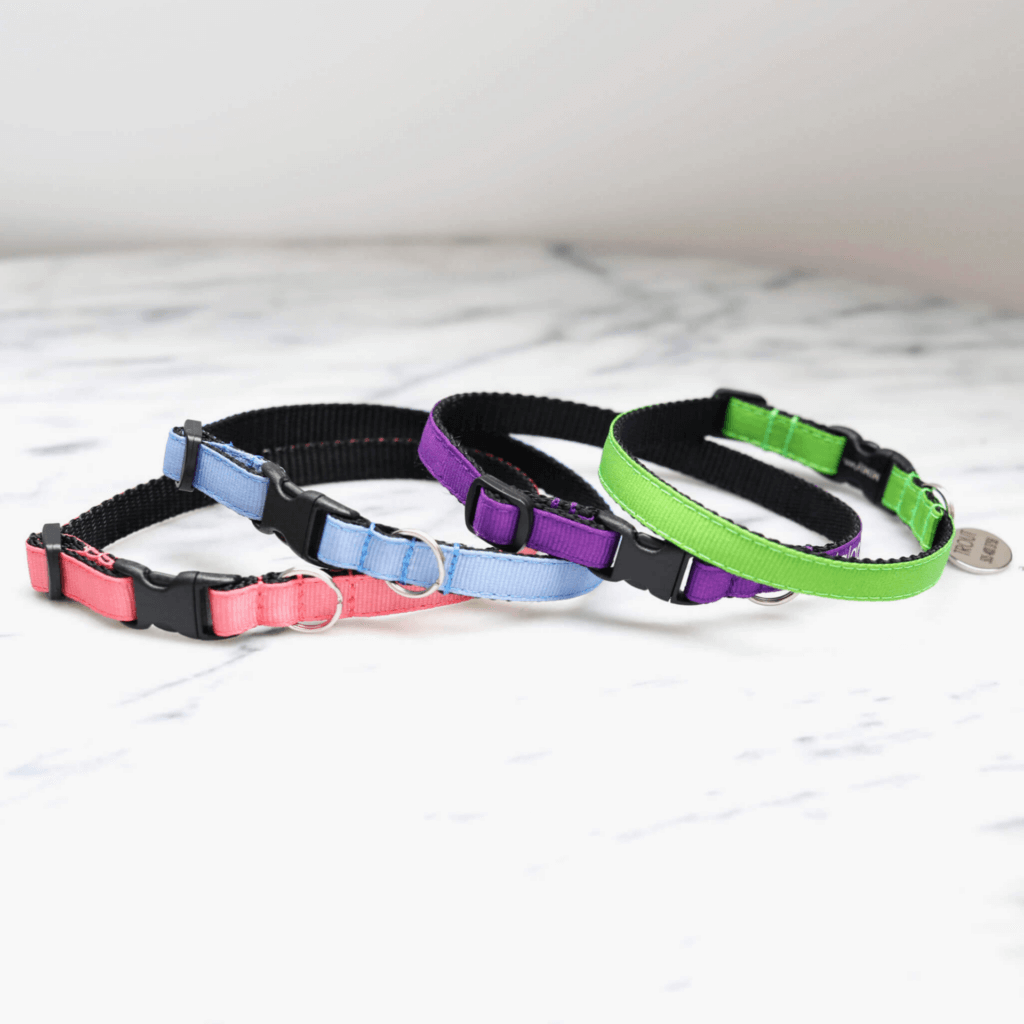
We also have Cat’s Breakaway Collars like the one from the photo. Check here!

Should Every Dog Have a Breakaway Collar?

Breakaway collars make sense if:

  • Your dog spends most of their time at home
  • You want them to wear ID tags

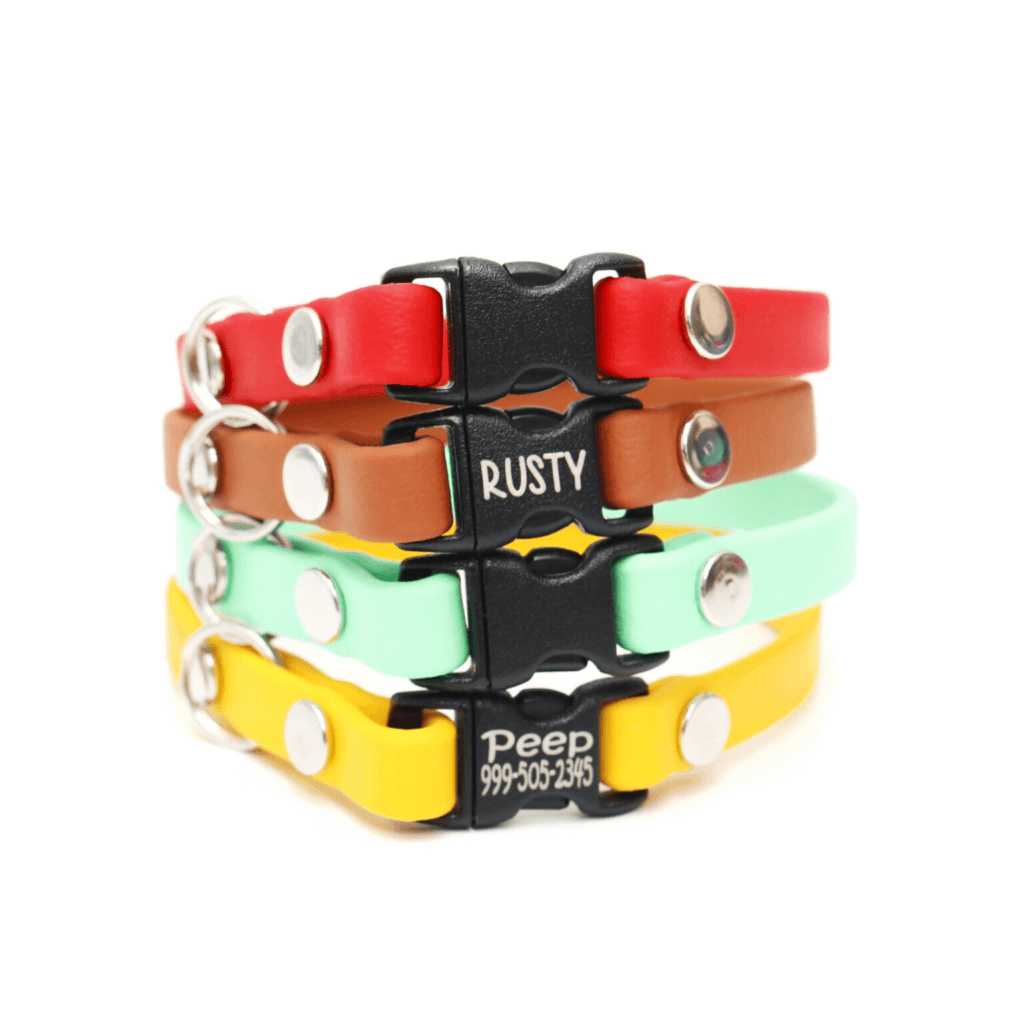
The Breakaway Nylon Dog Collar from the photo is available in over 10 colors and multiple sizes.

You might skip them if:

  • Your dog roams outdoors unsupervised, especially in unsecured areas
  • GPS tracking is a must-have
  • Your dog has a history of slipping collars

Just like humans don’t wear hiking boots to bed, dogs don’t need the same collar 24/7. A breakaway is one of several tools, not the whole toolkit. Use it where it shines: at home, during downtime, and when a little added safety can bring a lot of peace of mind.

How to Choose the Right Breakaway Collar

Not all breakaway collars are created equal, and some features make a big difference in everyday use.

If you’re still wondering whether a breakaway collar fits into your dog’s routine, ask yourself this: Do I need my dog to stay stylish, safe, and identifiable, even when I’m not looking?

At Mimi Green, we create handcrafted breakaway collars that don’t force you to choose between comfort, safety, and personality. Our collars can be embroidered with your dog’s info and we offer soft cotton, flannel, or velvet options that are gentle on sensitive necks. 

For walkers or runners? We make matching martingales, Fi-compatible styles, and leashes that pull it all together.

This is for you if:

  • You want to prevent accidents during play or crate time.
  • You already use a separate collar or harness for walks.
  • Your dog stays indoors or in fenced areas most of the day.

When you choose Mimi Green, you’re not just buying a collar. You’re giving your dog a safer, more thoughtful way to wear ID, and adding a little handmade style to their daily routine.

Ready to find your dog’s perfect breakaway match?
👉 Explore our personalized collars now.
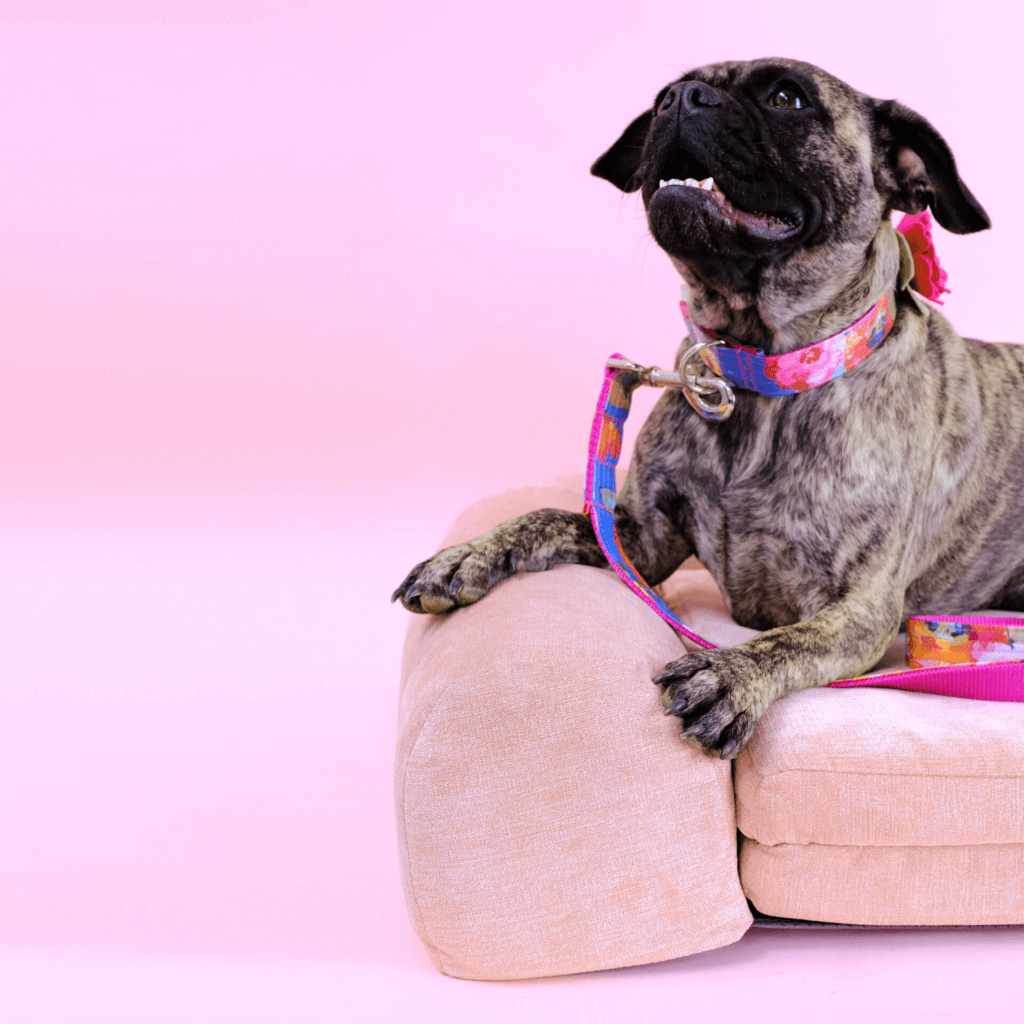
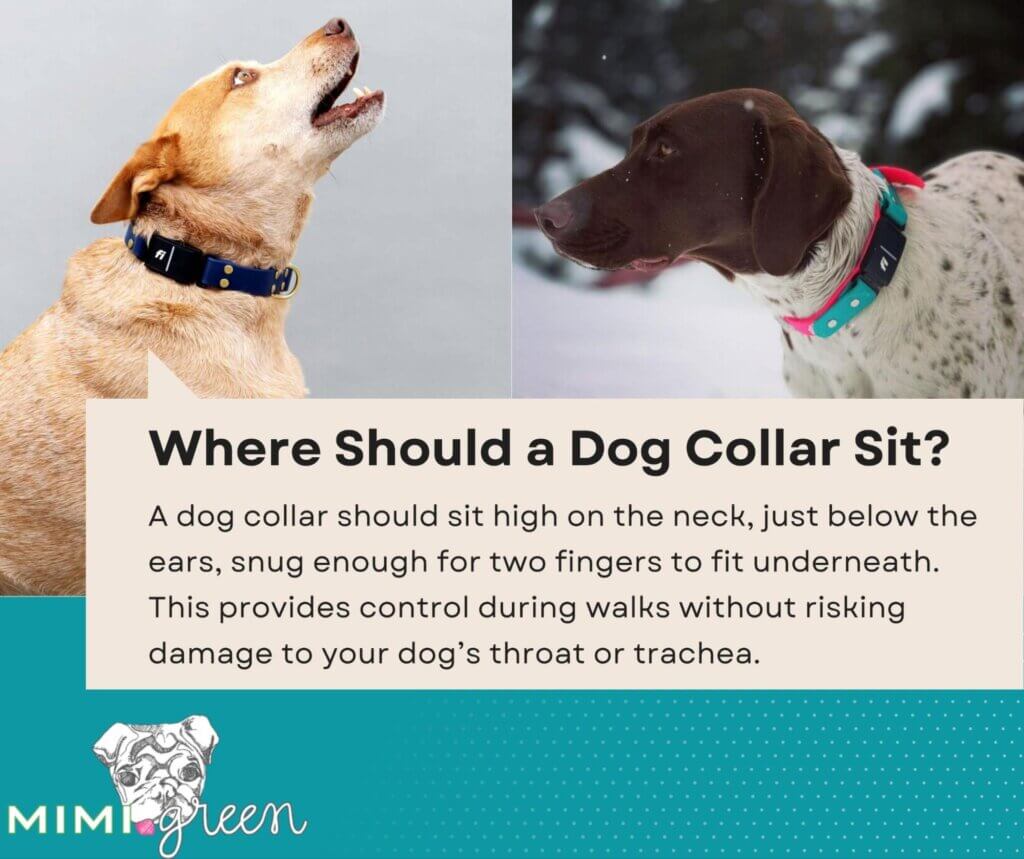
Where Should a Dog Collar Sit? Fit & Placement Guide

A dog collar should sit high on the neck, just below the ears, snug enough for two fingers to fit underneath. This provides control during walks without risking damage to your dog’s throat or trachea.

This guide breaks down where a collar should sit on your dog’s neck, how tight it should be, how to adjust for coat changes. Let’s find that sweet spot, because your dog deserves a collar that feels as good as it looks.

Finding The Best Position

The best position for a collar is high on the neck, just under the ears and above the shoulders. This area provides the control, especially if you’re working on loose-leash walking or using a training collar like a martingale.

But not every dog calls for a high-and-tight setup. For casual wear around the house or relaxed walks, a collar can sit lower on the neck as long as it fits securely and doesn’t slide over the shoulders.

How High Is Too High?

If the collar sits so high that it presses into your dog’s skull base or restricts movement, that’s too high. The collar should stay firmly in place but still allow you to slide two fingers underneath it.

Gravity Issue, Why Collars Slide

Let’s talk physics. Even the best-fitted collars can shift downward throughout the day, especially if your dog has a smooth coat or a top-heavy collar (like one with a chunky ID tag). This “gravity slide” is totally normal, but it can make high positioning frustrating.

To keep the collar in place:

  • Use adjustable hardware and test for fit often
  • Try a Martingale collar, which gently tightens if your dog pulls
  • Choose grippier materials like Biothane that resist slipping

How Much Slack Should a Dog Collar Have?

A collar that’s too tight can leave marks, or worse, restrict breathing. Too loose, and your pup might back right out of it. The goal is balance: a fit that’s snug but not restrictive.

  • Flat Collars: Use the two-finger test, you should be able to slide two fingers between the collar and your dog’s neck. That’s your baseline for comfort and security.

Elevate your dog’s style with our ‘Capri’ 1.5″ Wide Personalized Blue and White Laminated Dog Collar.

  • Martingale Collars: These should also pass the two-finger test when relaxed. When pulled tight you should see 1 to 1.5 inches of space between the D-rings, preventing over-tightening.

What’s the Rule of Thumb for Dog Collars?

Coat thickness, weight fluctuations, and grooming all change how a collar sits. A freshly groomed doodle might lose a full inch of neck volume overnight. That same collar could go from snug to sliding in a single session.

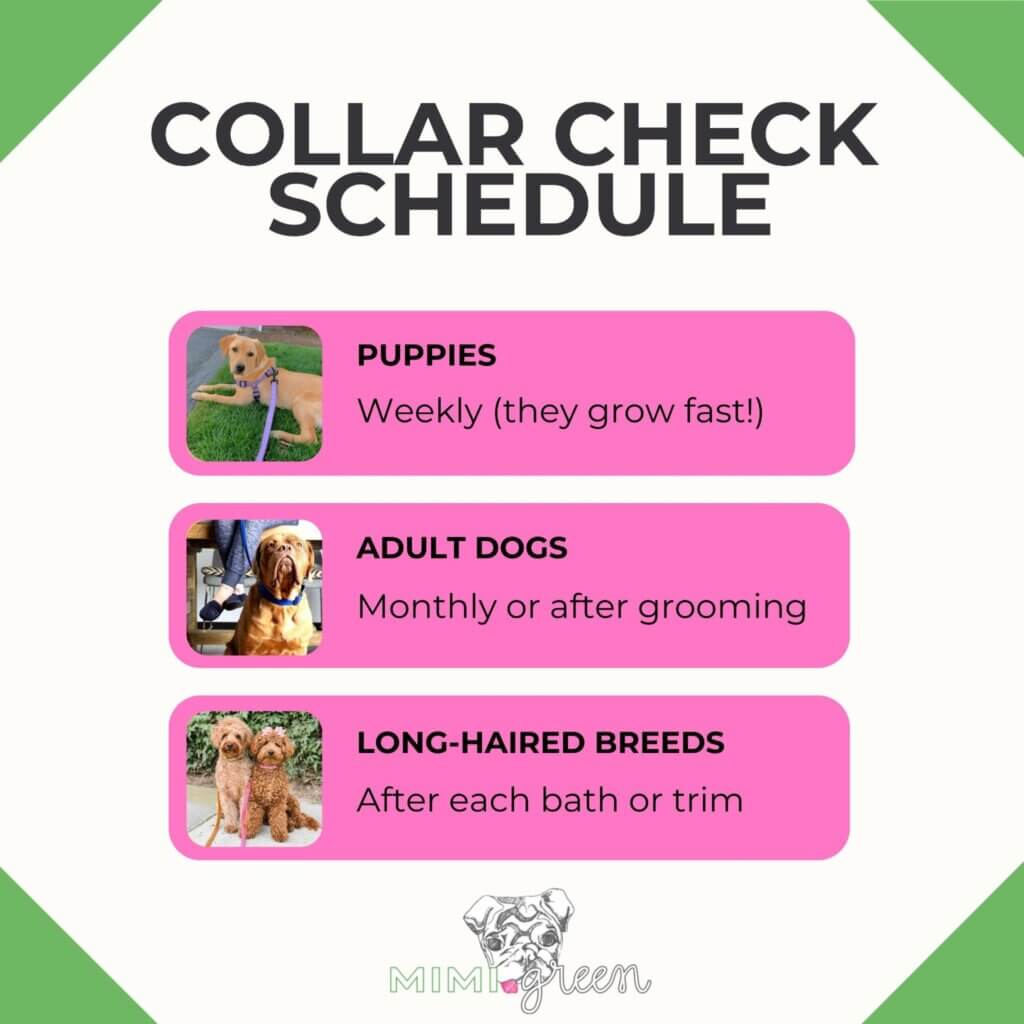
Collar Check Schedule:

  • Puppies: Weekly (they grow fast!)
  • Adult dogs: Monthly or after grooming
  • Long-haired breeds: After each bath or trim

Fit by Collar Type

Collar Type Pros Cons Correct Fit
Flat Simple, ID-ready Can slip off narrow heads Two-finger test
Martingale Secure for escape artists Needs adjustment with coat Snug with 1–1.5″ between D-rings
Slip Easy to slip on Can over-tighten Supervision only
Prong Strong correction Can injure if misused Professional fit only
Breakaway Safe for home use Not for leash walks Must click override D-rings for walks


Add a splash of personality to your pup’s look with our Metal Buckle Engraved Dog Collar available in 13 vibrant laminated cotton styles, combining durability with designer flair.

What Colors Do Dogs Like the Best? 

You’re picking a collar that fits, but don’t forget, your dog sees the world differently than you do.

Dogs are red-green colorblind, meaning they can’t distinguish red from green. But they do see yellow, blue, and some grays, and those colors really pop in their visual spectrum.

So if you want a collar that’s easier for your dog to notice (or that looks vibrant in your photos), stick to:

  • Blue, yellow, and orange for max visibility
  • Avoid muted greens, reds, and browns, they all blend into “gray” for dogs

Best Color by Coat

Choosing a color that contrasts with your pup’s coat will make the collar stand out more, too. Here’s a quick guide:

  • Black coats: Go bold: try orange, yellow, or red
  • White/light coats: Jewel tones like teal, purple, or black work beautifully
  • Brindle or multicolor: High-contrast options like turquoise or lemon yellow keep it fun and vibrant

Looking for inspiration? Mimi Green has color palettes for every pup personality, from sleek and minimal to “look at me” brights.

Step-by-Step: How to Fit Your Dog’s Collar Correctly

Helpful Resource -> Dog Collar Size Chart

Getting a paw-fect fit isn’t hard, it just takes a few simple steps and a little observation.

  1. Measure your dog’s neck where you want the collar to sit (high for control, mid-low for casual).
  2. Add 1–2 inches to that measurement for comfort and movement.
  3. Check if you are able to slip two fingers under the collar snugly.
  4. Adjust regularly, especially after haircuts or growth spurts.
  5. Choose the right materials: Leather or cotton for sensitive skin, Biothane for water lovers, velvet for softness, and always pick what matches your dog’s lifestyle and coat type.

We’ve Got You Covered

You’ve measured, adjusted, and learned the “two-finger rule.” But if your dog’s collar still slips, chafes, or just doesn’t look like them, it might be time for something made just for them.

We handcraft every collar to order in our New Mexico studio. Whether you’re managing a slippery e-collar setup or shopping for a stylish martingale that actually fits, our custom collars solve real-world fit problems. Choose from:

You stop adjusting the collar every five minutes. Your walks feel smoother. And maybe best of all? Your dog looks amazing, and feels good too. That’s what Mimi Green is all about: collars that fit better and feel better.

👉Shop the Mimi Green’s collar that reflect the love you have for your dog.

Dog Owner Worries: What Can Go Wrong?

“My Dog Keeps Slipping Out”

A collar that rides too low or fits too loosely is often the culprit. This is especially common with dogs who have slick coats or narrow heads.

Try This:
A Martingale collar or a properly sized harness can help keep your dog secure without sacrificing comfort or control.

“Is My Dog’s Collar Too Tight?”

If you see red marks, loss of fur, or your dog refuses to walk with the collar on, something’s off. Sometimes it’s the fit; other times, the material is to blame.

Solution:

  • Double-check the two-finger fit
  • Rotate collar position slightly each day
  • Consider soft, rolled leather or hypoallergenic options like Biothane
  • Have size questions? Reach to confirm size prior to ordering

“Where Should Stim Collars Sit? They Keep Sliding.”

You’re not alone. Between coat fluff and gravity, keeping an e-collar in place can feel impossible.

Tips to Fix This:

  • Use a bungee strap or wing-style contacts to maintain secure contact
  • Adjust placement after grooming
  • Look for collar setups designed to stabilize e-collars without overtightening

“Is the Collar Damaging Their Throat?”

Tugging on low-set prong collars or tight flat collars can strain your dog’s trachea, especially in small or short-necked breeds.

What to Do:

  • Avoid prong collars unless fitted by a pro
  • Use padded, rolled, or soft-edged collars to reduce pressure
  • Position higher on the neck when control is needed (like during training sessions)

Are Chain Collars Good for Dogs?

Chain collars can stop pulling in some cases, but they come with more risks than most dog parents realize. While some trainers still use choke chains as a correction tool, modern alternatives like martingales and harnesses are often safer, smarter choices for everyday walks and training. 

What Is a Chain Collar, and Why Do Some People Use Them?

Chain collars, often called choke chains, tighten around your dog’s neck when they pull and loosen when they stop. These collars were originally designed for obedience training, especially in the mid-20th century when dog training focused more on correction than communication.

Some trainers still use them today, particularly for large or reactive breeds, arguing they offer quick control in high-pressure situations. But here’s the catch: they only work if used correctly.

Should Dogs Wear Chain Collars at All?

  • If they make a distinct sound that some dogs respond to as a cue, not just pressure
  • If they may help prevent escape in breeds prone to slipping out of regular collars

Mistakes to Avoid

  • Using them for everyday walking
  • Leaving them on unattended
  • Ignoring proper fit

When (and How) Chain Collars Might Be Used Safely

Here’s when they might be appropriate:

  • You’re working with a trainer who knows how to use pressure-release tools correctly.
  • Your dog is physically suited to handle one, meaning no breathing issues, neck fragility, or high anxiety.
  • You use a safer version, like a limited-slip martingale, that prevents over-tightening and loosens quickly when pressure stops.

Are There Better Options To Stop a Dog From Pulling?

Helpful Resource -> Types Of Dog Collars

If your dog walks like they’re chasing a squirrel on a mission, the right gear makes all the difference. Here’s what works (and why):

  • Harnesses: Distribute pulling pressure across the chest instead of the neck. Good for puppies and small breeds.
  • Martingale Collars: Tighten just enough to prevent escape, but won’t choke.
  • Head Collars: Guide your dog’s direction by the nose, not the neck.

Explore our Fi Compatible Reflective Chain Martingale Dog Collar – Optional Name Plate.

How to Choose Based on Your Dog

  1. Size & Breed: Narrow heads? Try a martingale. Brachycephalic dogs? Stick to harnesses.
  2. Pulling Behavior: Mild puller? Try a harness or martingale. 
  3. Sensitivity: Dogs with anxiety or skin issues may need softer fabrics
  4. Training Goals: Are you teaching loose-leash walking or just preventing escapes? Your goal should guide your gear.

Is It Better to Train a Dog With a Collar or Harness?

This is one of the most common questions we hear, and the answer depends on your dog’s needs and your training goals.

Pros of Collars:

  • Familiar and convenient. Most dogs are used to wearing collars, and they’re quick to put on for everyday use.
  • Visible ID. A collar makes it easy to display your dog’s name and your contact info.
  • Ideal for calm dogs. If your pup already walks politely on leash, a well-fitted collar is often all you need.

Pros of Harnesses:

  • Gentler on the neck. Harnesses shift tension away from the throat, especially useful for small breeds or those prone to tracheal collapse.
  • Improved control. A front-clip harness helps redirect pulling dogs, making leash training smoother.
  • Avoids pressure hotspots. No digging into the neck or damaging the coat.

If your dog pulls hard, is still learning, or has a delicate build, we recommend starting with a harness or martingale combo. And remember: your gear should support your training, not replace it.

Helpful Resource -> Collars Vs Harnesses

What’s the Paw-fect Choice for Your Dog?

What works for a 90-lb German Shepherd could be way too intense for a 10-lb Cavapoo. And what keeps a reactive dog safe might overwhelm a puppy still learning the ropes.

When in doubt, go gentle. Reach out to a pro. And remember: you don’t have to compromise on style to prioritize safety.

Ready to Ditch the Guesswork? Try Mimi Green’s Safer, Smarter Collar Options

If you’re here, you’re probably wondering how to keep your dog safe, stylish, and under control, without using tools that could harm them.

That’s exactly what we do at Mimi Green.

We offer handcrafted, made-to-order solutions like:

  • Chain Martingale Collars – With limited slip functionality and engraved nameplates, they’re great for dogs who back out of regular collars but don’t need harsh correction.
  • Waterproof Martingales – Soft, stylish, and suited for everything from daily walks to muddy adventures.
  • Custom-Fit Harnesses and Accessories – Built for comfort, control, and coordination.

👉 Explore Our Collars: Made to order. Made with love. Made for your one-of-a-kind pup.

What to Put on a Dog Collar: Tags, Info & Safety Guide

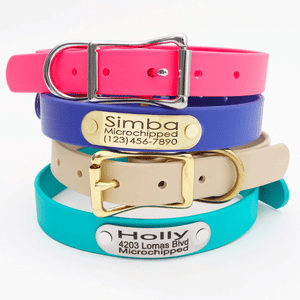
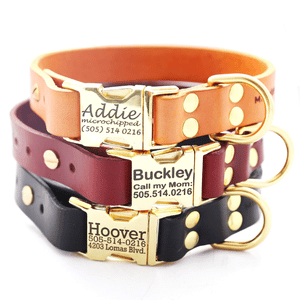
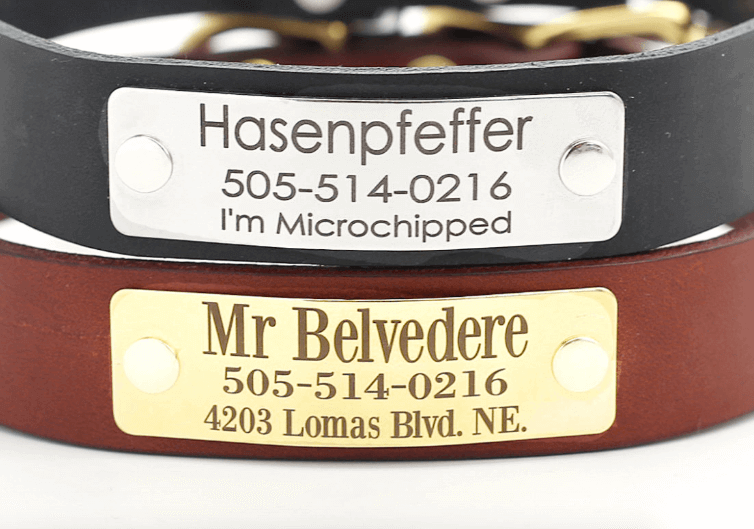
Put your phone number and “microchipped” on your dog’s collar, those are the top essentials. Add medical alerts if needed. Skip your full address and joke text. For noise-free ID, try an engraved collar or nameplate instead of jingling tags. Comfort, safety, and clarity come first.

Here’s a List Of What To Engrave

  • Your phone number
  • Microchipped
  • Medical alerts (If necessary)

If there’s limited space, prioritize phone numbers over names.

What NOT To Engrave

Not everything belongs on that tiny tag. Here’s what to avoid:

  • Your full address
  • Joke phrases or threats
  • Outdated info

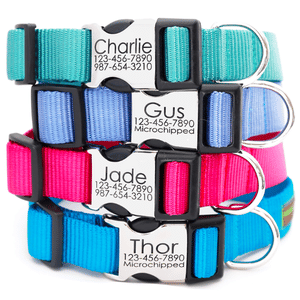
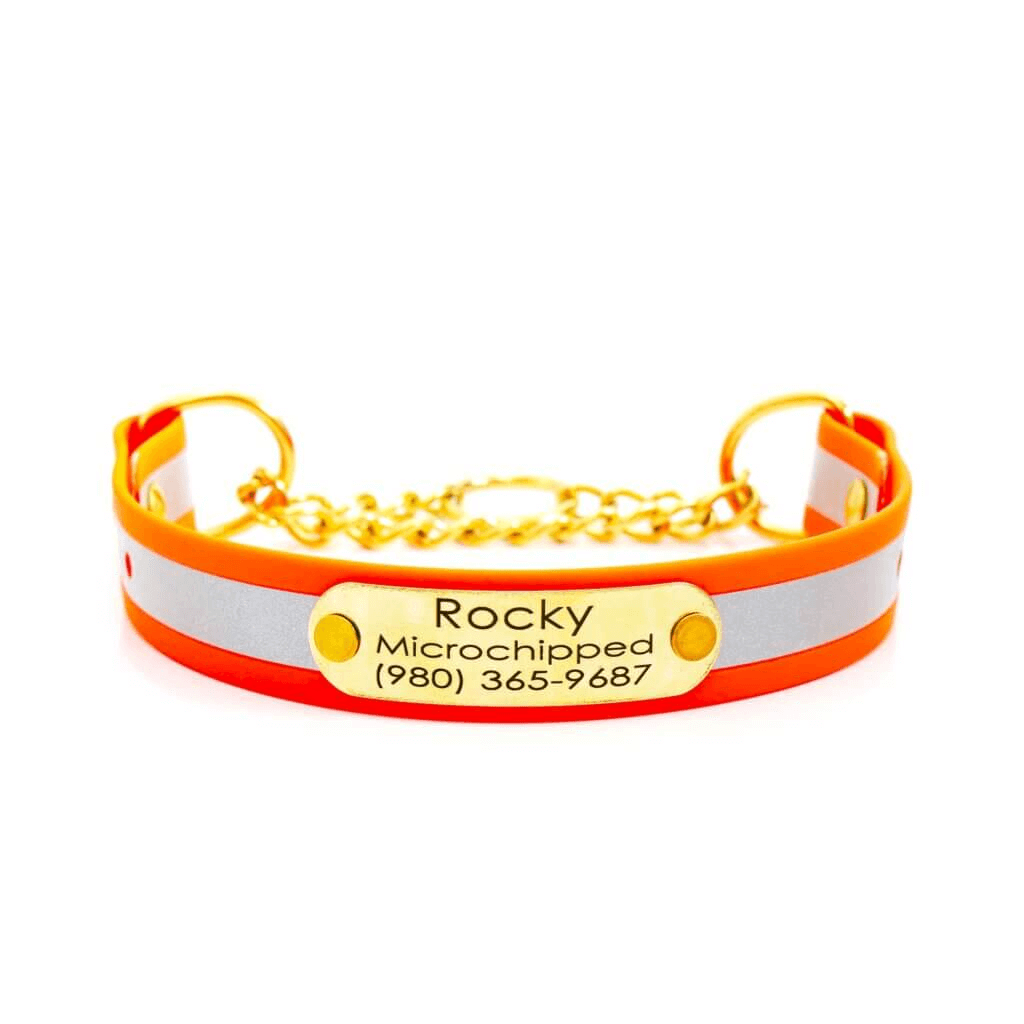
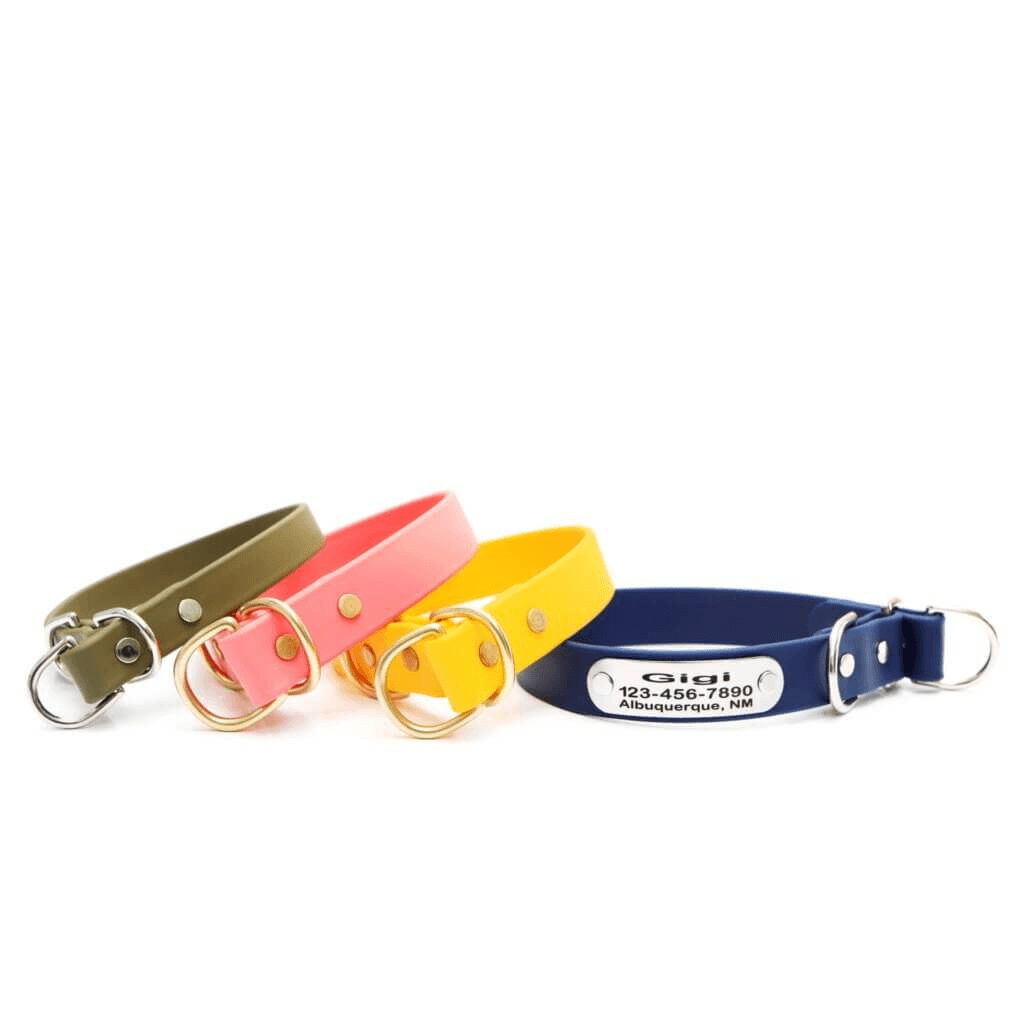
Pro tip: Collars like the Matte Reflective Waterproof Martingale from the photo, with an engraved nameplate, offer a durable, silent way to display contact info and medical alerts all in one place, without relying on dangling tags.

Choosing a Quiet ID: Tag Options for Sensitive Ears

Sound-Free Alternatives

Not every dog likes a noisy tag clinking during dinner, or at 3 a.m. when they scratch.

  • Engraved collars: Have your contact info laser engraved or stitched right in.
  • Nameplates: These are silent and sleek, riveted to the collar itself.
  • Silicone tags: Lightweight, flexible, and jingle-free.
  • Embroidered tags: For a low-profile look that speaks volumes.

If your pup is startled by noise or you’re tired of the nighttime clatter, these quiet options keep things calm while still keeping your dog safe.

What Do You Put on the Collar Itself?

A collar is the first layer of your dog’s everyday comfort and safety. The right one supports your dog’s lifestyle, keeps their neck healthy, and can even prevent skin irritation or matting.

Material Matters

  • Biothane: It’s waterproof, stink-proof, and resists mold and bacteria, making it perfect for active, outdoor-loving dogs or those with sensitive skin.
  • Leather: Comfortable, long-lasting, and softens over time. Great for dogs prone to allergies.
  • Nylon: Lightweight, budget-friendly, and easy to clean. It’s a solid everyday choice.

Collar Features to Look For

  • Adjustable sizing: So your dog grows into it, or out of it, safely.
  • Reinforced D-ring and stitching: For secure leash attachment and long-term wear.
  • Fi-compatible or GPS-ready: For tech-savvy dog parents who like to track every walk and wiggle. 

This Fi-compatible collar, shown in the photo, offers optional nameplate engraving for personalized, secure identification.

Every dog is different. Think of their coat type, sensitivity, and daily routine before choosing.

What to Include on the Collar: A Quick Step-by-Step

This part isn’t complicated, but it does need to be thoughtful. Here’s a checklist to follow:

  1. Pick the right collar material based on your dog’s skin, activity level, and climate.
  2. Decide how you want to share info: tags, embroidery, or both.
  3. Include the essentials:
    • Dog’s name (optional, if theft is a concern)
    • Your primary phone number
    • Medical note if needed (e.g., “Needs Meds” or “Microchipped”)
  4. Attach everything securely, nothing should dangle loosely.
  5. Do a weekly check: Especially for growing puppies. Adjust or replace as needed.

Helpful Resource -> Types Of Dog Collars

When and How to Refresh Your Dog’s Collar Info

Collars and tags aren’t “set it and forget it.” A few small updates can make a big difference.

  • Moved recently? Update your phone number and emergency info immediately.
  • New pup or fast-growing puppy? Re-check fit weekly. Puppies can outgrow collars shockingly fast.
  • Tag looking worn or scratched? If you can’t read it clearly, neither can anyone else.

Add Personality Without Sacrificing Function

Style matters, especially when your pup is basically your shadow. Here’s how to keep things personal while still being practical:
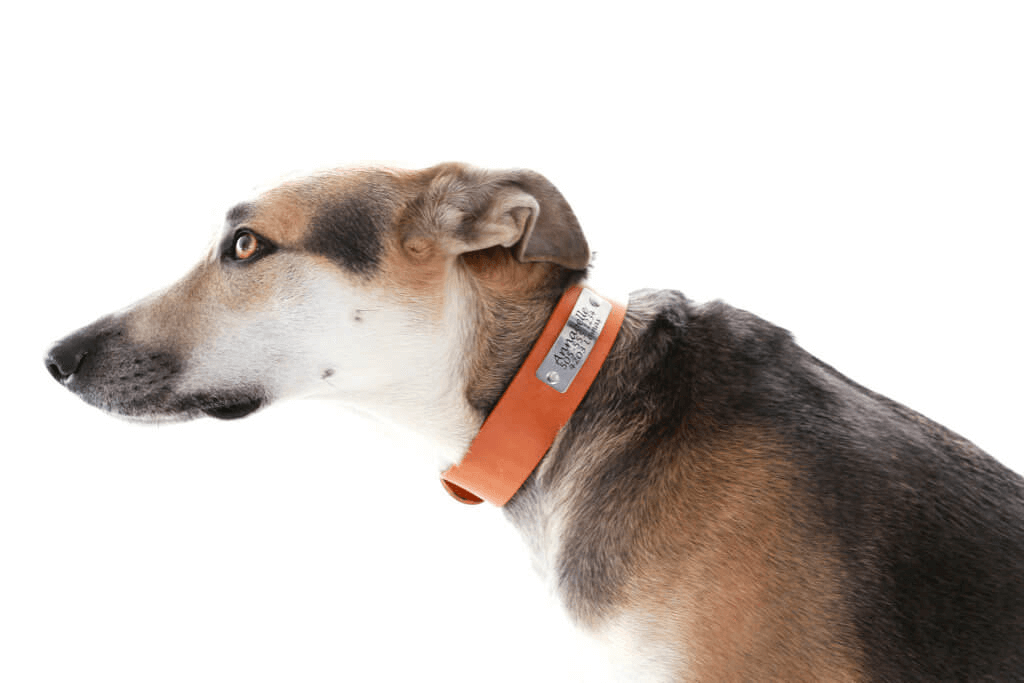
  • Play with color: Match your dog’s vibe. We love velvet for fancy pups, Biothane for muddy explorers, and classic leather for timeless charm.
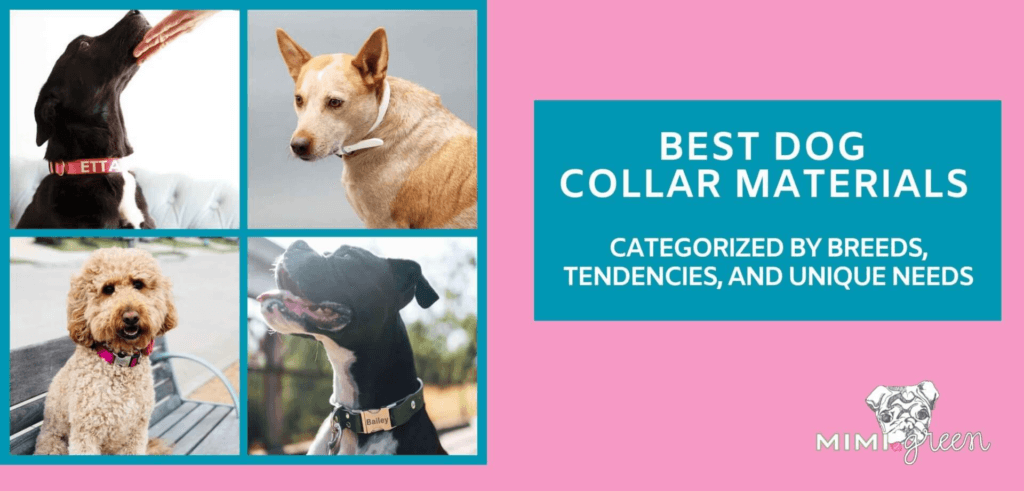
  • Stitch in meaning: Embroidered collars let you personalize without adding jingly extras.
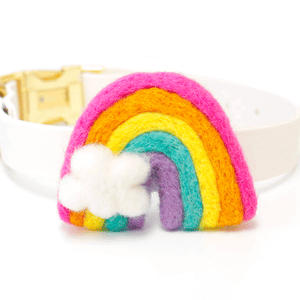
  • Accessorize safely: Felt flowers, fabric bow ties, or matching keychains can add flair without risking your dog’s comfort or safety.

Mimi Green collars are made to order, so you never have to choose between cute and capable.

What You Really Need on That Collar

There’s no single right answer for every dog, but there is one guiding principle: put safety first, without sacrificing style. Whether you’re prepping for a new puppy, updating outdated tags, or just trying to reduce the jingle at night, what you put on your dog’s collar should reflect your love, your lifestyle, and your peace of mind.

And that’s exactly where we come in:

🎯 Why Dog Parents Choose Mimi Green

When it comes to collars that actually check every box, comfort, durability, safety, and personality, our handmade, made-to-order designs are built with real pet families in mind.

Here’s what we offer:

Whether your dog needs hypoallergenic material, a snug fit that grows with them, or a fashion-forward tag that won’t fall off, we’ve got you covered.

Because your dog deserves more than generic.

👉 Shop Personalized Dog Collars at Mimi Green

What Is a Slip Collar for Dogs? Uses, Safety & Tips

A slip collar is a type of dog collar made from a single loop of material that tightens when tension is applied and loosens when the tension is released. Unlike regular collars that secure with buckles or clips, slip collars rely on this tightening mechanism to give the handler more immediate control over the dog’s movements.

This guide will walk you through how slip collars work, how they compare to regular collars, and when they should, or shouldn’t, be used. 

How Does a Slip Collar Work?

Slip collars operate through a straightforward mechanism. They consist of a continuous loop, usually crafted from durable materials such as leather or Biothane, with no buckles or clasps. 

One end of the collar loops through a metal ring on the other end, creating a simple yet effective device that tightens automatically when the dog pulls. When the dog relaxes, the tension is released and the collar loosens.

This tightening action is what gives the slip collar its functionality, it provides a quick, physical signal that discourages pulling and helps guide the dog’s behavior.

Slip Collar vs. Regular Collar

  • Fixed vs. dynamic: Regular collars maintain a fixed size and position on the dog’s neck, offering consistent but limited control.
  • Tightening mechanism: Slip collars adjust dynamically as the dog moves, tightening under tension and loosening when relaxed.
  • Best for specific scenarios: Slip collars are effective for quick control in high-stakes environments like professional training or emergency situations.

Is a Slip Collar the Same as a Choke Chain?

Although slip collars and choke chains are often confused, they serve different purposes and are constructed from different materials. 

Choke chains are typically made of metal links and can inflict harsher pressure on a dog’s neck, often failing to release tension quickly. Slip collars, particularly those made from softer materials, are designed to loosen as soon as the tension stops.

👉 Biothane Slip Collar:  Stink proof, waterproof, stain resistant, & vegetarian/vegan friendly!

When Should You Use a Slip Collar?

If you need quick control and precision, slip collars come in handy. Here’s when they work best:

  • Emergency control: Consider using one for your next trip to the vet or dog sports, where handlers need to manage dogs quickly and safely.
  • Escape-prone dogs: The tightening mechanism adds security, reducing the risk of your dog slipping out and running into danger.
  • Professional handlers: Often used by trainers and handlers in controlled environments requiring immediate responsiveness and precision.
  • Quick potty breaks: Convenient for short outings where fast and simple leash application is helpful.
  • Training aid (with professional guidance): When used correctly, slip collars can assist in managing certain behaviors, but they should always be employed under the guidance of an experienced trainer.

Situations to Avoid Using Slip Collars

While slip collars are effective in the right contexts, there are several situations where they should be avoided to prevent unnecessary risk or harm:

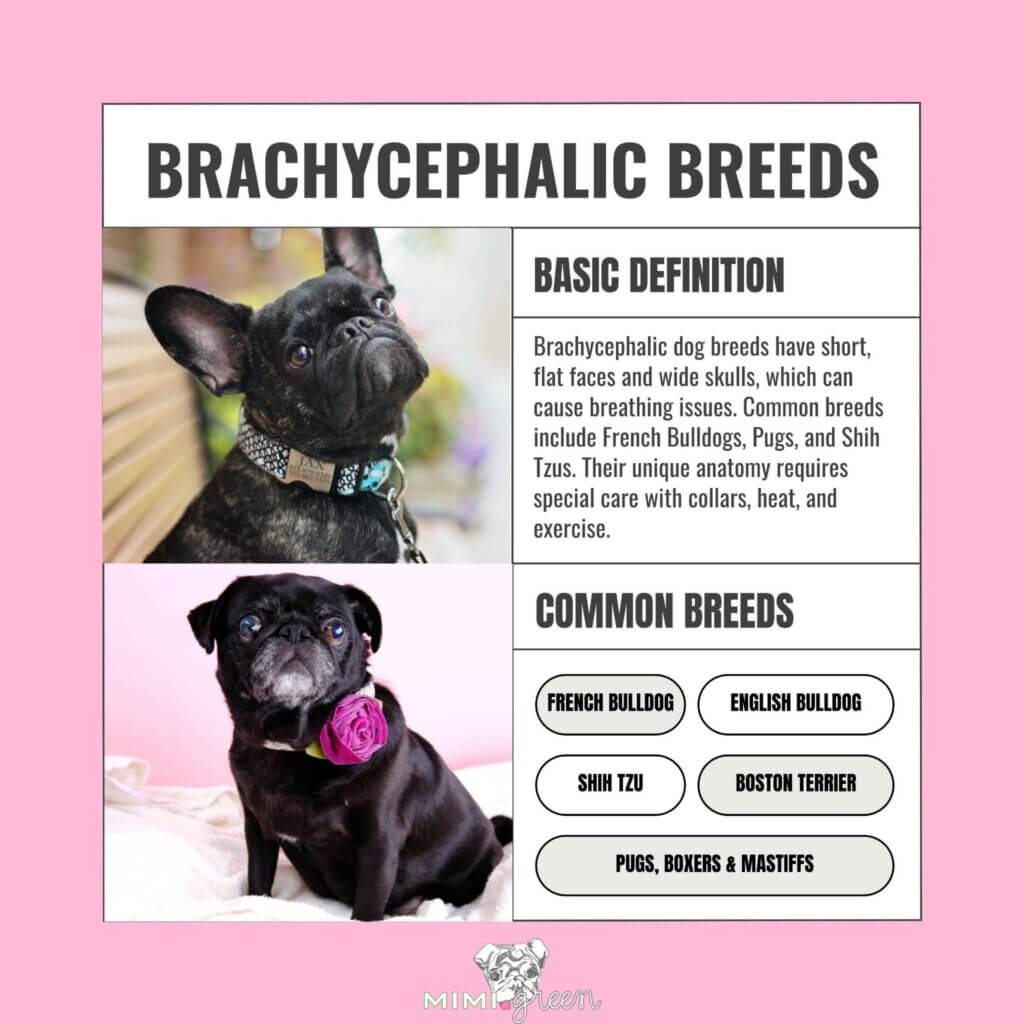
  • Puppies and brachycephalic breeds: Their fragile respiratory systems make them especially vulnerable to injury from pressure-based tools.
  • Everyday walks: For routine outings, particularly for inexperienced handlers, a well-fitted harness or standard collar offers a safer and more comfortable solution.
  • When your dog is unsupervised: Without attentive handling, a slip collar may tighten dangerously and cause harm.
  • If your dog tends to drag the leash: This can result in accidental tightening, increasing the risk of injury.
  • On dogs who are prone to pulling: Slip collars may inadvertently reinforce pulling behaviors or cause harm if not applied with proper technique.
  • As a tie-out: Slip collars are not designed for tethering a dog; they are strictly for supervised handling and control.

Being mindful of these limitations ensures the collar is used safely and responsibly.

Risks and Concerns

Like any training tool that applies physical pressure, slip collars, while effective for control, can pose risks if misused. 

It’s natural for dog owners to feel uneasy about using slip collars. You might ask:

  • Will this hurt my dog?  When used correctly, slip collars should not cause harm. But misuse can lead to injury, so proper technique is vital.
  • What if my dog pulls suddenly? Sudden pulls can cause the collar to tighten abruptly, risking injury. This is why many professionals recommend slip collars only for experienced handlers.
  • Am I making my dog fear other dogs? If a dog begins to associate the discomfort of the collar with seeing other dogs, it can reinforce fear and worsen reactivity rather than resolve it.

As we mentioned in our previous post, Best Slip Lead for Dogs, veterinarians and professional trainers often recommend slip leads for controlled training and specific scenarios, such as obedience classes or brief outings requiring quick control. 

However, for dogs with respiratory concerns or those with habitual pulling behaviors, most experts advise against using slip leads. These dogs may benefit more from equipment designed to distribute pressure safely, such as well-fitted harnesses.

How Do Professional Trainers Use Slip Collars Safely?

Professional trainers emphasize that the effectiveness and safety of slip collars depend entirely on how they’re used.

Fitting Tips

  • Position the collar high on the dog’s neck, just behind the ears, to exert control without risking trachea damage.
  • Follow the two-finger rule: Always ensure you can slip two fingers between the collar and the dog’s neck when relaxed to prevent excessive tightness.
  • Keep in mind your pups head and neck size – since this collar slips over the pups head, the neck size alone may lead to the collar being too tight.

Correction Techniques

  • Use quick, sideways tugs to redirect the dog’s attention; avoid forceful yanks that can cause injury.
  • Always immediately release the tension after a correction so the collar loosens, avoiding continuous pressure that may create negative associations or physical harm.

Why Novice Dog Owners Should Be Cautious

  • Slip collars require precise timing and experience to use safely; novice handlers may apply too much pressure or maintain it too long, risking injury or stress.
  • For many, especially with reactive or untrained dogs, alternatives like harnesses or Martingale collars are safer and more forgiving, providing control without aversive pressure and making them more suitable for everyday use.

Alternatives to Slip Collars: Is There a Better Option?

Harnesses for Reactive Dogs

For dogs that lunge or pull, a front-clip harness can provide effective control without applying pressure to the dog’s neck. This setup minimizes the risk of throat injury and is often recommended by trainers who favor positive reinforcement methods.

Harnesses distribute pressure across the dog’s chest and shoulders, making them especially useful for reactive dogs that might be injured by the tightening action of a slip collar.

Martingale Collars: Controlled Tightening with Safety

A Martingale collar offers a middle ground. Like a slip collar, it tightens when the dog pulls, but only up to a limited point, preventing the risk of choking.

At Mimi Green, we offer customizable Martingale collars made from the same high-quality materials as our slip collars. These collars are not only functional but also stylish, with options for personalized engraving and a variety of materials to match your dog’s personality.

Why Mimi Green Slip Collars Are Different

At Mimi Green, we believe your dog deserves more than a utilitarian tool. That’s why our slip collars are designed with both function and fashion in mind.

Custom-Made for Your Pup

Our slip collars are available in premium leather, vegan-friendly Biothane, and Fi-compatible options for those who want to integrate GPS tracking into their walks.

We also offer personalized engraving on many of our collars, eliminating the need for noisy, dangling tags and adding a custom touch that makes your dog’s collar truly one-of-a-kind.

Style Meets Safety

Every Mimi Green slip collar is handmade in the USA by our small, dedicated team. We blend craftsmanship with creativity, ensuring that each collar is not only stylish but also built for durability and functionality.

Our designs include optional safety features, like stoppers, that protect your dog from over-tightening while maintaining the classic slip collar utility.

Our Ethical Approach

We’re proud of what sets us apart:

  • No mass production.
  • No cheap materials.
  • No shortcuts.

Every collar is made-to-order, minimizing waste and ensuring that your product is created just for your pup.

Why Choose Mimi Green’s Slip Collars?

We create handmade slip collars that seamlessly combine functionality, durability, and personal style. Here’s what makes our collars different:

  • Premium materials: Crafted from PVC-coated polyester Biothane for durability, with the look and feel of leather but none of the upkeep.
  • High-quality hardware: Featuring solid brass or stainless steel, ensuring longevity and resistance to rust and wear.
  • Low-maintenance design: Completely waterproof and easy to clean with just soap and water—perfect for adventurous dogs who love the outdoors.
  • Customizable options: Available in 22 vibrant colors and three widths, allowing you to personalize the look and fit to match your dog’s unique style.
  • Handcrafted in the USA: Every collar is made-to-order in our New Mexico studio, reflecting our commitment to quality craftsmanship and ethical production practices.

Choosing Mimi Green means opting for a slip collar that is functional, beautiful, and responsibly made, designed for pet parents who value both style and safety.

Shop our Slip Collars and find the perfect fit for your pup today.