Tag Archives: shopbybreed

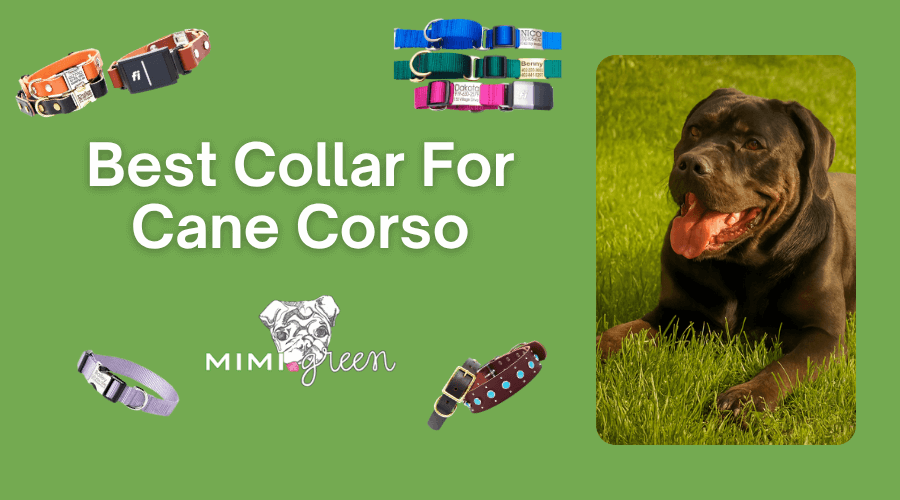
Best Dog Collars for Cane Corsos | Secure & Stylish Picks

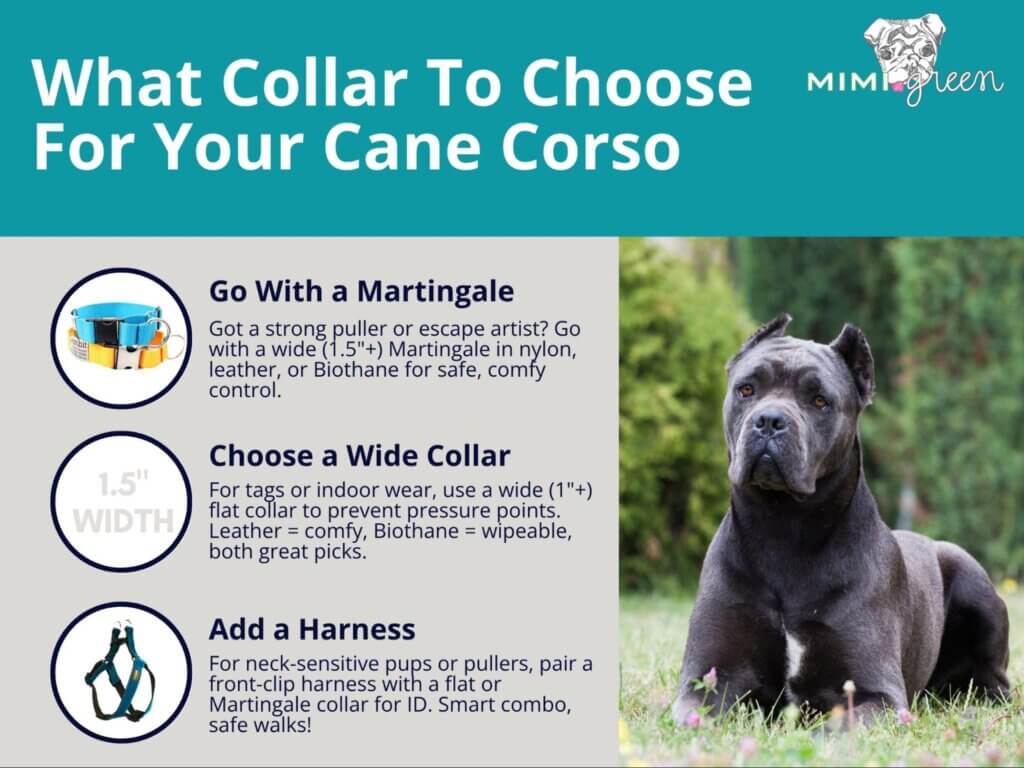
Martingale collars are the safest everyday option for Cane Corsos because they tighten slightly when pulled but don’t choke, offering control without harm. Standard collars often fail under their strength, so wide, padded, or leather options are key for comfort and durability.

Choose a Martingale Collar

  • If your Corso pulls hard, backs out of flat collars, or has a wide neck compared to their head
  • Use a wide band (1.5″+) to distribute pressure safely
  • Material: Padded nylon, leather, or Biothane for strength & comfort

Choose a Flat Collar

  • If your Corso needs a collar just for tags or indoor use
  • Ensure it’s wide (1″+) with metal buckle
  • Best Material: Leather for comfort, Biothane for easy cleaning

Choose a Harness (in addition to collar)

  • If your dog pulls or has neck sensitivity
  • Look for front-clip harnesses to redirect pulling
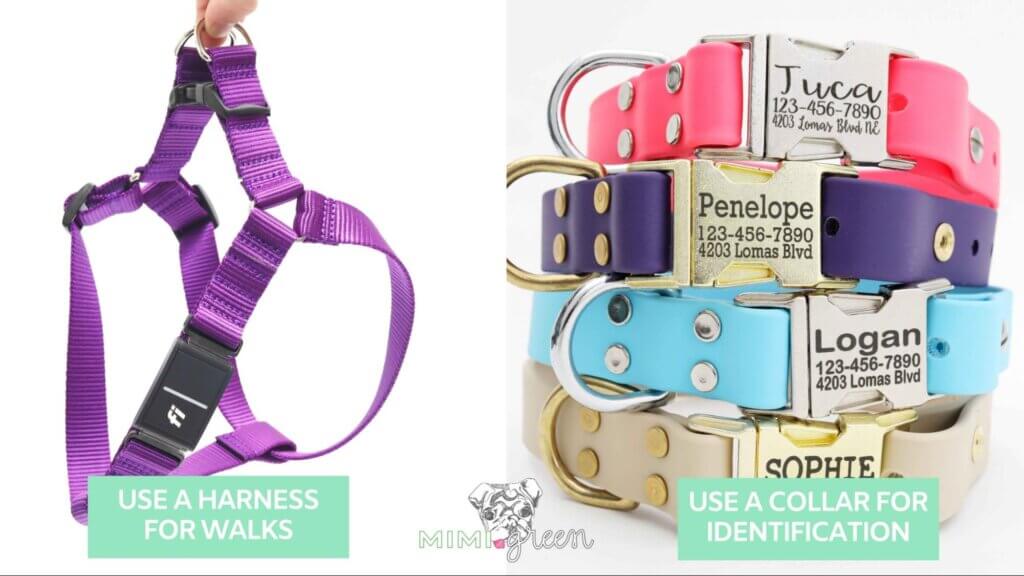
  • Pair with a flat or martingale collar for ID

Generic collars rarely cut it here. They might slip off entirely, choke a dog if misused, or break when you least expect it, a risk no one wants when you’re handling a breed with such protective instincts. 

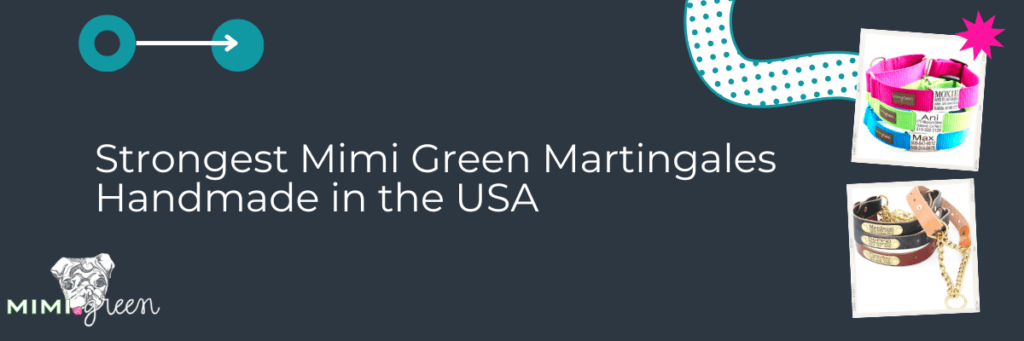
That’s exactly why we build our heavy-duty martingales with reinforced stitching, wide bands, and hardware that doesn’t quit when your Corso decides to flex all 100+ pounds of muscle.

Best Collar Types for Cane Corsos

Not every collar style is up to the job. Let’s break down which options work best for your Cane Corso’s daily adventures and training.

Martingale Collars

Martingale collars are a favorite for big breeds that tend to slip out of traditional flat collars. Unlike chain slips or choke collars, which can damage a Corso’s neck if misused, a martingale tightens just enough to stay secure without constant pressure.

For powerful dogs, they offer the sweet spot of control and safety, especially for leash training or neighborhood walks. Our wide martingale options even help spread out pressure, protecting your dog’s fur and skin folds. For Corsos with longer neck fur, rolled leather martingales can help reduce matting too, a detail most guides miss.

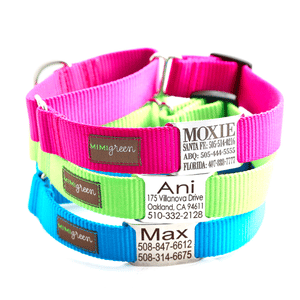
👉 Shop Mimi Green Martingale Collars

Prong Collars (Advanced Users Only)

Prong collars are a topic of debate in the training world. While some trainers use them for specific behavior modifications, they can be ineffective or even harmful if used incorrectly.

A Cane Corso’s neck is thick but also sensitive in the wrong hands. If you’re considering a prong, always work with a trusted trainer who understands how to adjust and use this tool humanely.

E-Collars: When and Who Should Use

E-collars, or electronic collars, can be useful for off-leash training if you’ve got acres of land or want to reinforce recall. But again, these aren’t a one-size-fits-all fix. Not every Corso responds well to the stimulation, and misuse can erode trust. 

Leading brands like Dogtra and Garmin produce well-calibrated units, but we always recommend pairing any e-collar training with professional guidance to protect your bond with your dog.

Flat Collars (for ID and Light Use)

Flat collars are great for your dog’s everyday tags, quick backyard breaks, or relaxing at home. But for controlling a Cane Corso on walks? They’re simply not enough on their own. Use them with a backup harness or martingale for outings where strength and reliability matter.

Leather or Wide-Band Collars

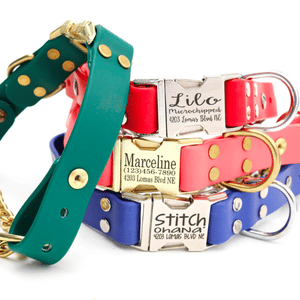
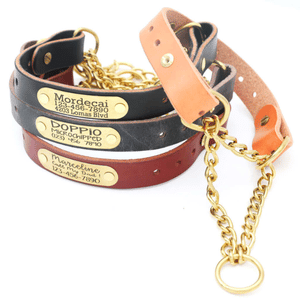
Wide collars distribute pressure more comfortably, a real plus for Corsos that pull or lunge. Real leather softens over time and helps prevent rubbing, while Biothane stays clean and odor-resistant when your pup gets muddy. Mimi Green’s custom leather and wide-band collars combine style, comfort, and strength, giving you a collar that works hard and looks good doing it.

How to Measure Your Cane Corso for a Collar

Getting the right fit is one of the best ways to keep your Cane Corso comfortable, and prevent slipping, chafing, or neck strain. Here’s how to get it right the first time:

  1. Use a soft tape measure: Wrap it around the widest part of your dog’s neck, usually right below the skull, where their collar will naturally sit. Avoid measuring around the throat alone, since that’s narrower and can lead to a too-tight fit.
  2. Follow the two-finger rule: You should be able to slide two fingers snugly between the collar and your dog’s neck. Too tight? Your dog can’t breathe comfortably. Too loose? They’ll slip out before you even cross the yard.
  3. Know the typical Cane Corso size range
  • Puppies: Start around 14–18 inches, but check often, Cane Corsos grow quickly, and you may size up more than once in the first year
  • Adults: Most full-grown Corsos measure between 18–24+ inches, depending on gender and build. Always measure, don’t guess.
  1. Re-check the fit regularly Puppies can gain several pounds per month, so plan to check their collar weekly. For adults, a quick fit check every few weeks helps prevent chafing or slipping.

Use Mimi Green’s size chart: Check out our video How to Measure for a Collar, and we’ll help you choose the paw-fect one:

Collar vs Harness for Cane Corso

Some Cane Corsos do best with both: a sturdy collar for ID and gentle control, paired with a properly fitted harness for training or walks. If your Corso is an escape artist or has neck sensitivities, a harness can help distribute pulling force across the chest and shoulders rather than the neck alone.

A dual setup, collar plus harness, means you always have a secure hold on your dog, no matter how big or determined they get.

👉View Mimi Green Harness Collection here

Training Collars: What Actually Works for Cane Corsos?

Choosing a training collar for a Cane Corso is never one-size-fits-all. This breed’s strength and smarts mean you need gear that guides them, not hurts them.

  • Martingale: Start here. Martingale collars are widely trusted for Cane Corsos who tend to back out of regular flat collars. They tighten gently when your dog pulls, offering just enough correction without risking throat injury. They’re a great balance of safety and control, especially when paired with consistent training.
  • Prong Collars: With professional guidance. A properly fitted prong collar can create clear, pressure-based cues for advanced obedience work. But when used incorrectly, they can damage a Corso’s thick neck tissues and erode your trust bond. Always consult an experienced trainer before trying one.
  • E-Collars: E-collars can be effective for recall training or off-leash adventures, if your dog responds well and you’re committed to learning how to use them. Top brands like Dogtra and Garmin offer well-calibrated units, but they’re never a shortcut. Some Cane Corsos simply don’t take to them, and poor use can cause confusion.
  • Head Collars: Though helpful for some pullers, head collars often frustrate Cane Corsos. This breed’s broad skull and stubborn streak can make the fit uncomfortable, and some dogs will resist wearing them altogether. If you try one, ensure it’s properly sized and introduced gradually.

What to Look for in a Cane Corso Collar

A collar for a Cane Corso should be built like your dog: strong, secure, and good-looking for the long haul. Here’s what to keep in mind:

  • Material: Leather is timeless and softens beautifully over time. Biothane is waterproof and odor-resistant, ideal for drooly dogs who love a good mud roll.
  • Buckle Type: It’s a common misconception that metal is always stronger, our military-grade plastic buckles often outperform metal since they don’t rely on moving parts like springs. We use hybrid buckles on 1.5″ collars because they’re actually stronger than full metal versions.
  • Hardware Strength: Heavy-duty D-rings and double rivets add years of life, and keep you in control if your Corso lunges.
  • D-Ring Placement: A side-mounted ring can help with training by redirecting pulling.
  • Customization: Engraved nameplates, Fi GPS compatibility, and embroidered names ensure your dog’s ID stays put, even if they slip a tag.A collar this special shouldn’t look like every other dog’s.

Collar Care and Replacement Tips

No collar is truly forever, especially with a breed this strong. Keeping your Corso’s collar in good condition is part of protecting their neck and your peace of mind.

When to Replace:

  • Inspect every few weeks.
  • Swap out if you see fraying, rust, loose buckles, or stretched webbing.
  • Plan for a fresh collar every 6–12 months if your dog is a hard player.

How to Clean:

  • Biothane and waterproof styles wipe clean with soap and water.
  • Leather collars benefit from a gentle leather conditioner to keep them supple.
  • Velvet and fabric collars can usually be hand-washed and air-dried, just follow your care tag.

Mimi Green Tip: Our collars are made with quality stitching and premium materials, but checking regularly keeps your dog comfortable and safe on every adventure.

Cane Corso Puppies vs Adults: Collar Needs Change

Your Cane Corso’s collar should grow right along with them. Puppies put on pounds fast, so their gear should flex and adjust.

For Puppies:

  • Start with a lightweight, adjustable collar.
  • Avoid restrictive training collars like prongs or e-collars, you’re building trust first.
  • Flat collars with secure buckles and ID are perfect for young pups learning leash manners.

As They Grow:

  • Recheck the fit every couple of weeks. Puppies can gain several pounds in a single month.
  • Plan to transition to a wider martingale once they hit adolescence.
  • A matching harness is smart for leash training without putting strain on their neck.

Don’t wait until your pup is slipping out or chewing through cheap gear. Investing early in strong, well-fitted collars helps you avoid costly mistakes later.

Best Collar and Leash Combos for Cane Corso

A strong collar does half the work, the leash does the rest. For a Cane Corso, you want a leash that matches their power and your handling style.

  • Ideal Length: Stick to 4–6 feet for everyday walks. Anything longer can give a big dog too much room to build momentum.
  • Avoid Retractables: These aren’t built for sudden lunges from a 100-pound dog, plus, they offer little real control.
  • Match the Walk: Use a shorter leash for busy sidewalks or training sessions; a longer, heavy-duty leash works well for open parks if your Corso’s recall is reliable.

Final Checklist for Cane Corso Owners

Before you clip that leash on, run through this gear checklist to walk and train your Corso safely, and in style:

Wide collar (martingale for secure control)
✅ Strong, sturdy leash, no retractables
✅ Harness if your dog is an escape artist or training to stop pulling
✅ ID tags or engraved buckle that won’t fall off mid-run
✅ Training treats (yes, even for big dogs, they love rewards)
✅ A cleaning cloth for muddy walks
✅ A printed or saved sizing guide for when it’s time to check that fit again

FAQ

What’s the safest collar for a Cane Corso? A wide, well-fitted martingale collar is safest for everyday use. Prong or e-collars should only be used under a trainer’s guidance.

How do I stop my Cane Corso from pulling? Combine a martingale or harness with positive reinforcement training. Consistency and the right tools make all the difference.

Should I choose a collar or harness? For many Cane Corsos, both work best: a collar for ID and control; a harness to protect the neck during training or for dogs prone to slipping collars.

Ready to Get the Best for Your Cane Corso?

Your Cane Corso deserves gear that does more than hold an ID tag, it should protect their neck, match their strength, and make every walk feel secure. That’s why we make each Mimi Green collar to order, right here in the USA.

Whether you choose a sturdy martingale with reinforced stitching, a waterproof Biothane collar that shrugs off mud and drool, or a wide leather design that ages beautifully, you’re giving your dog comfort and safety, and yourself peace of mind.

Complete your setup with:

  • A matching heavy-duty leash that won’t snap mid-lunge
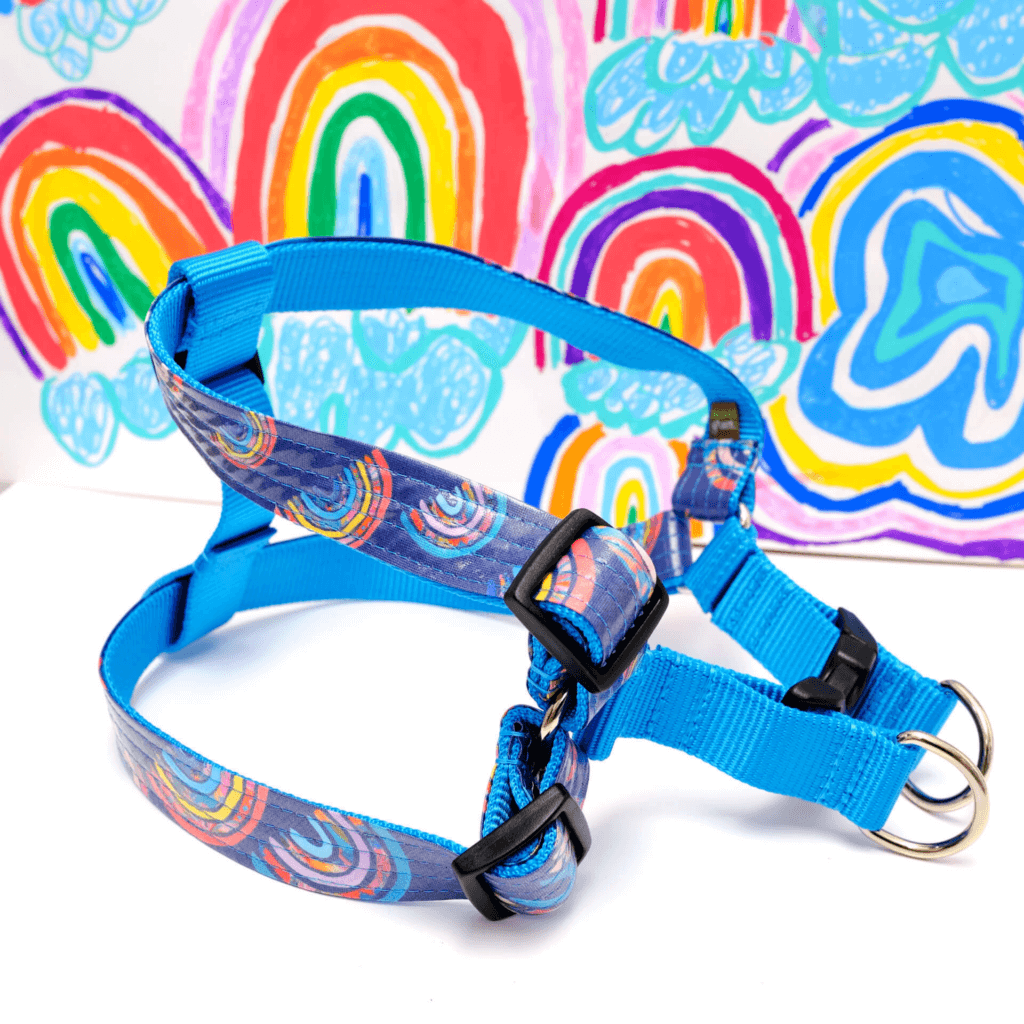
  • A harness to balance control and comfort when you need it
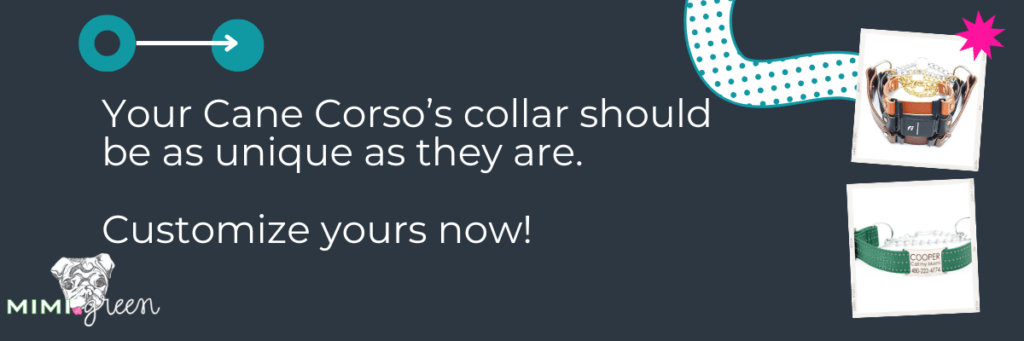
  • Custom engraving, color, and fit, because a Cane Corso is never generic, and their gear shouldn’t be either.

👉Find Your Cane Corso’s Martingale Collar Today!

Best Collars for Shih Tzus | Fit & Comfort

The best collar for a Shih Tzu is a leather collar or, better yet, a padded harness. These adorable fluffballs have delicate necks and thick coats that make most collars a bad match. If you’re using a collar for walking, you could unknowingly be putting your pup at risk of tracheal injury or causing painful fur matting.

Here’s the quick breakdown:

  • For daily walks: Use a harness to protect their airway and reduce pulling pressure.
  • For identification: Go with a leather collar to prevent coat damage.
  • Sizing tip: Most Shih Tzus need a collar that fits 9–13 inches, but always measure their neck for best fit.
  • Material matters: Avoid flat, scratchy fabrics that tug on fur. Opt for soft leather, velvet, or waterproof Biothane depending on your pup’s lifestyle.

In this guide, we’ll help you find the safest, most comfortable, and most stylish option for your Shih Tzu, one that keeps them strutting safely and looking fabulous.

Should a Shih Tzu Wear a Collar?

Collars vs. Harnesses: What Vets Recommend

Veterinarians consistently recommend harnesses over collars when it comes to walking Shih Tzus. VCA Animal Hospitals states that for dogs at risk of tracheal collapse, like Shih Tzus, a harness is recommended for walking instead of a collar.
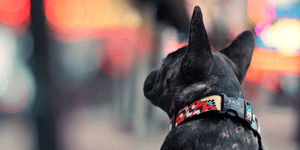
Harnesses solve this by distributing force evenly across the chest and shoulders, reducing strain and making walks safer and more comfortable.

However, collars still have a place in a Shih Tzu’s wardrobe. A rolled leather collar, for instance, is ideal for carrying identification tags without contributing to coat matting. 

Do Shih Tzus Need to Wear a Collar All the Time?

While it’s vital that your Shih Tzu wears a collar with proper identification, it doesn’t need to stay on 24/7. 

The best practice is to keep the collar on during outings or when your dog is unsupervised but remove it at night or during extended indoor relaxation. For walks and outdoor adventures, pairing a harness with a collar is the smartest option. 

The harness keeps your dog safe and comfortable on a leash, while the collar ensures that ID is always within reach.

What Is the Best Collar for a Shih Tzu?

These pint-sized pups have delicate necks and long, mat-prone hair, which means choosing the right collar material and size is essential.

Why Material Matters

For long-haired breeds like Shih Tzus, friction is the enemy. That’s why lightweight, soft materials, like velvet and cotton, are paw-some picks. Our velvet collars feel luxurious without being heavy, and our cotton ribbon collars are breathable, easy to clean, and gentle on sensitive skin.

We design every collar with quality webbing backing, so even the daintiest options are surprisingly durable. Whether your pup has a thick coat or sensitive skin, soft fabric-based collars help avoid tangles, matting, and irritation.

Sizing Tip: Go Light

Because Shih Tzus are a toy breed, heavy collars can overwhelm their small frames. That’s why we highly recommend starting with a 3/8″ width collar, especially for puppies or especially petite adults. Mimi Green’s Puppy & Small Dog Collar Collection is designed exactly for this purpose—lightweight, stylish, and safe for even the tiniest floofs.

Recommended Collars Based on Lifestyle

Your Shih Tzu’s vibe should totally influence their collar choice:

  • 🛋️ Homebody snuggler? Go for soft cotton or velvet. These cozy fabrics are gentle on the skin and ideal for lounging in luxury.
  • 🌧️ Mud puddle magnet? Try a waterproof Biothane® collar that stands up to wet weather and messy play.
  • 💃 Style icon in training? Mimi Green’s personalized velvet or glitter collars are made to turn heads on every walk.

Each of these options can be personalized with engraved buckles, meaning no jingly tags and no worries about lost ID. Plus, all our collars are handmade to order in the USA, just for your one-of-a-kind pup.

What Size Dog Collar Does a Shih Tzu Need?

A helpful graphic from our dog collar size guide

  • Shih tzu collar size guide: Most Shih Tzus wear a small-sized collar, measuring between 9 and 13 inches in neck circumference. Wrap a flexible measuring tape around the base of your dog’s neck and add two fingers between the tape and their skin to ensure a comfortable yet secure fit.
  • Avoiding common sizing mistakes: Neck size can vary even among dogs of the same weight or breed. Always take a direct measurement to avoid discomfort or accidental escapes.
  • Frequent adjustments will be necessary as they grow: Choosing an adjustable collar ensures that you can fine-tune the fit as your pup matures.

What Kind of Collar Do Vets Recommend for Shih Tzus?

The Case for Harnesses

  • Vets recommend using harnesses for Shih Tzus due to their sensitive necks and risk of tracheal collapse.
  • Harnesses redistribute pressure away from the neck, making walks safer and more comfortable.
  • For brachycephalic breeds like the Shih Tzu, a properly fitted harness reduces the risk of breathing issues and long-term health problems.

When a Collar is Still Useful

  • A collar remains essential for identification purposes, acting as a safeguard if your dog gets lost.
  • Personalized engraved collars are preferable to dangling tags, which can catch on fur or fall off.

How Mimi Green Collars Are Different

Handmade, Custom, and Safe

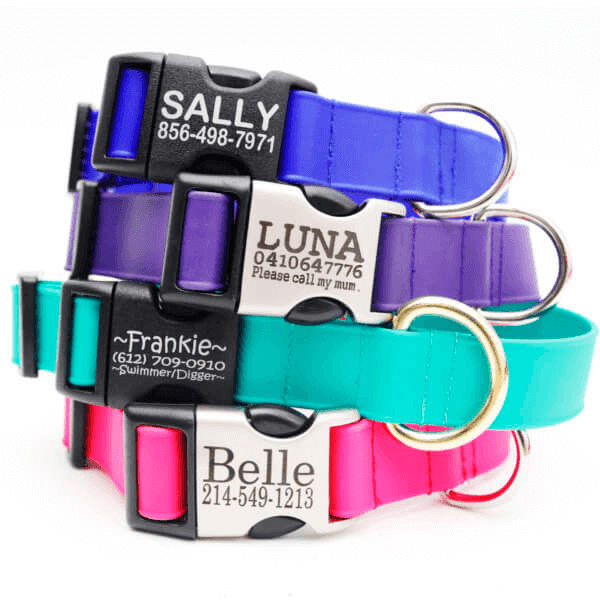
Every Mimi Green collar is handmade to order in the USA, ensuring a product that is as unique as your pet. We offer a wide range of personalization options, from embroidered names to engraved medical information, allowing your dog’s collar to be both functional and beautiful.

Our material selection includes velvet, leather, waterproof Biothane, and more, each chosen for its quality and durability.

Ethical, Stylish, Functional

At Mimi Green, we’re proud to be a small family business committed to providing living wages and practicing sustainable production. Our collars aren’t just accessories; they’re expressions of love and care for your dog, built to last and made with heart.

Choosing the Best Collar for Your Shih Tzu

Choosing the right collar for your Shih Tzu is about balancing comfort, safety, and style. Follow vet recommendations by using a harness for walks and a collar for identification.

When you’re ready to invest in a paw-some, customized collar, explore Mimi Green’s collection, where quality craftsmanship meets personal style, and every product is made with love.

Ready to find your Shih Tzu’s perfect fit?

Your Shih Tzu deserves a collar that’s as special as they are, one that complements their unique coat, keeps them safe, and feels comfortable all day long.
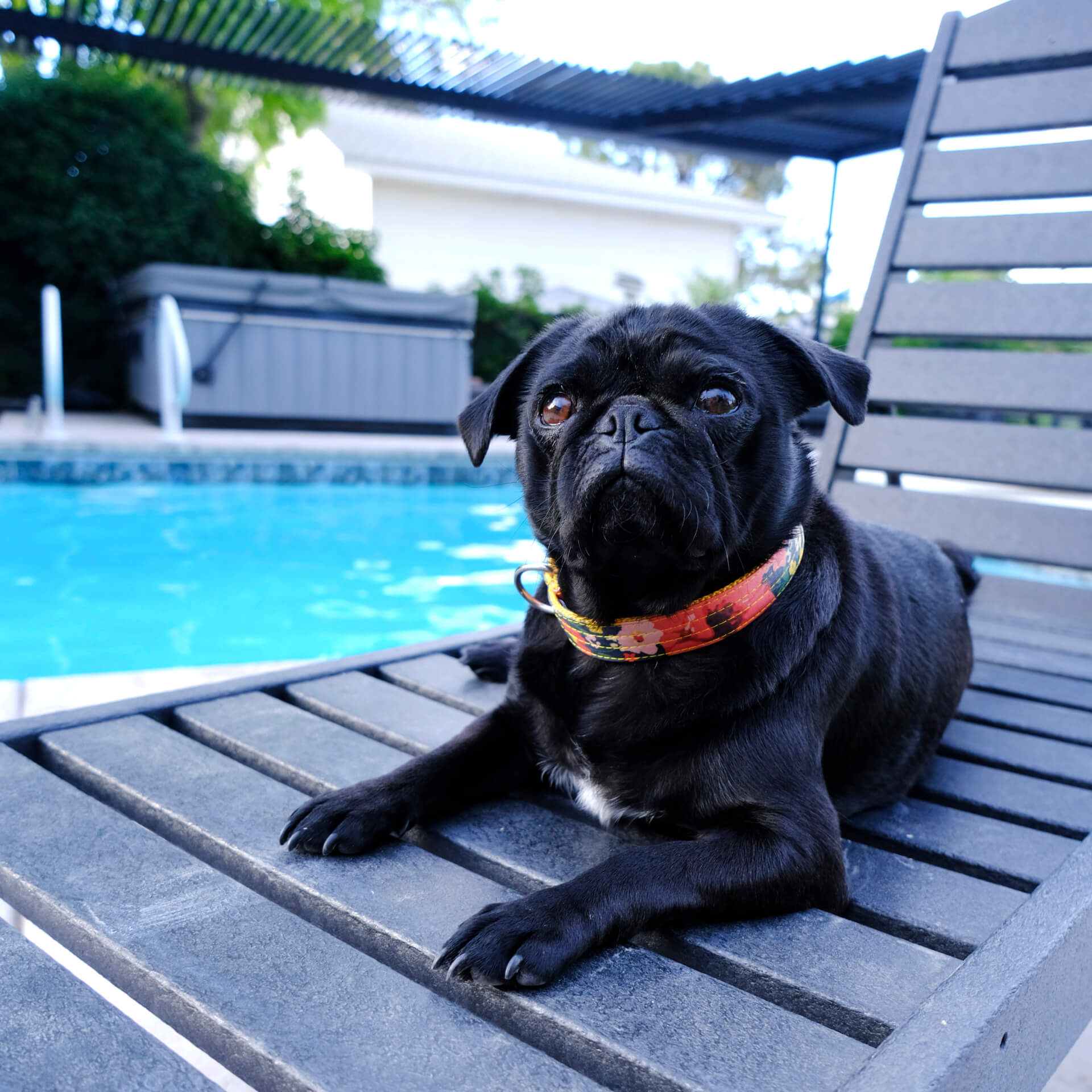
At Mimi Green, we offer:

  • An extensive collection of personalized puppy/small dog collars
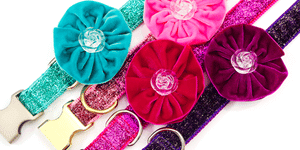
  • Leather collars to minimize matting and maximize comfort.
  • Waterproof Biothane options for active Shih Tzus who love outdoor adventures.
  • Personalized engraved buckles that keep your dog’s ID secure and stylish.

Our solutions are perfect for pet parents who value quality, customization, and craftsmanship. If you’re looking for a one-size-fits-all collar made with generic materials, Mimi Green may not be the right fit for you. But if you’re someone who sees your dog as family and believes they deserve a handcrafted product made with care, then you’re in the right place.

Imagine the peace of mind knowing your Shih Tzu is comfortable, stylish, and secure, every walk, every cuddle, every adventure. 

👉Shop Mimi Green today and make that vision a reality.

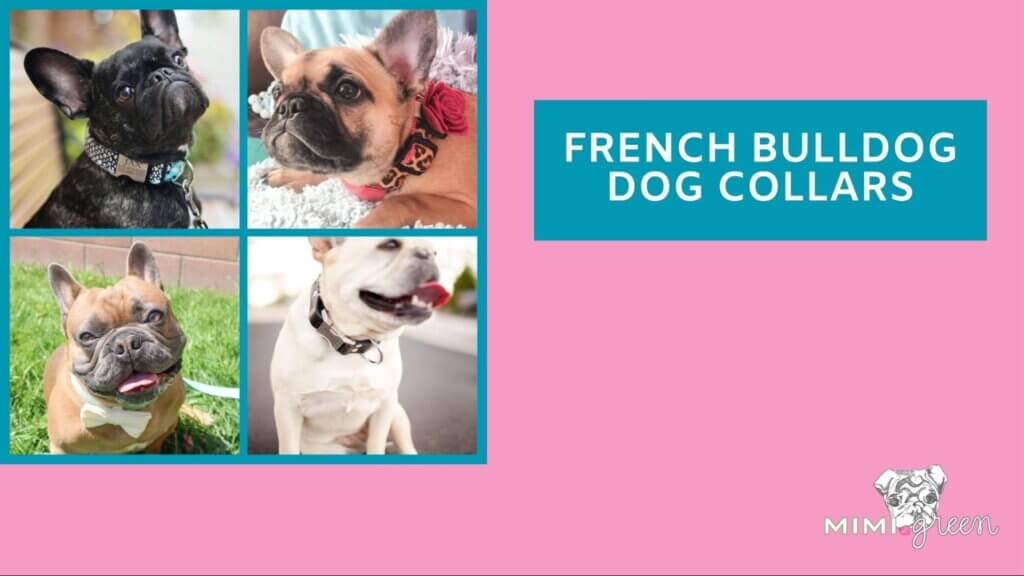
Best Training Collars for French Bulldogs

French Bulldogs are adorable little tanks with sensitive respiratory systems, and not all training collars are made with that in mind. Because of their flat faces and compact airways, Frenchies can’t use traditional collars like other dogs. In fact, the wrong collar can do more harm than good.

So what’s safe and stylish for your Frenchie?

Here’s your quick-start guide:

  • Use flat collars only for ID, not for training or long walks.
  • Harnesses are the best tool for leash training.
  • Always go for soft, breathable materials to avoid skin irritation.
  • Skip the choke chains and shock collars. Frenchies need gentle gear.

This guide walks you through everything you need to know: choosing the right training tools, understanding your Frenchie’s unique anatomy, and making safe, stylish gear choices that don’t compromise comfort.

Can You Use a Training Collar on a French Bulldog?

French Bulldogs have a brachycephalic (flat-faced) structure with shortened nasal passages and compact airways. These anatomical traits make traditional training collars potentially harmful.

Traditional Training Collars That Are Not Ideal

  • Choke and prong collars
  • Shock collars

Best Practices for Collar Use

  • Use collars primarily for identification indoors or in controlled settings.
  • For training walks, opt for a harness

What Type of Collar is Best for French Bulldogs?

Flat Collars for Identification and Gentle Training

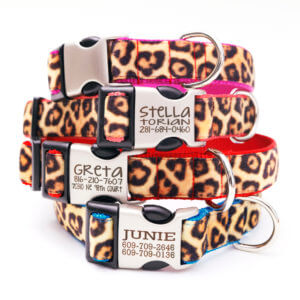
Featured Product -> Fi Compatible Leopard Velvet Dog Collar

Flat collars are a practical choice for carrying identification tags, especially when your French Bulldog is relaxing at home or during supervised outings. Look for collars made from breathable materials such as soft nylon or cotton, which can reduce irritation and provide comfort.

Harnesses for Safe Walks and Training

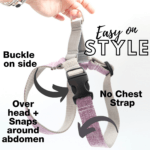
Featured Product -> Fi Compatible Dog Harness – Easy On Nylon

For training sessions and walks, a harness is the safer and more effective choice. Harnesses minimize pressure on the neck, distributing force across the chest and back, which helps prevent respiratory distress and reduces the risk of injury.

For French Bulldogs, back-clip harnesses are recommended. They discourage pulling and protect the trachea from undue strain, making walks more enjoyable and stress-free for both dog and owner.

What is the Best Way to Train a French Bulldog?

Prioritize Positive Reinforcement

French Bulldogs respond best to positive reinforcement. Adversive-based tools, like shock collars, can lead to fear, anxiety, and a breakdown in the trust between you and your dog. 

Instead, focus on encouraging good behaviors with treats, toys, praise, and plenty of affection.

Positive reinforcement not only makes training sessions enjoyable but also fosters a strong bond between you and your Frenchie, one rooted in trust and mutual respect.

Step-by-Step Training Guide

  1. Introduce the collar or harness slowly. Let your Frenchie sniff and get comfortable with the gear before attempting to put it on.
  2. Use treats to associate the gear with positive experiences. This can help reduce stress and encourage your dog to view training equipment as something fun.
  3. Gradually add the leash and practice indoors. Start with short sessions in a familiar, distraction-free environment.
  4. Transition to outdoor walks. Once your dog is comfortable indoors, slowly introduce them to walks outside.
  5. Avoid jerky motions to prevent neck strain. Gentle guidance and consistent cues will make your training sessions more productive and keep your Frenchie safe from injury.

With patience and the right equipment, your French Bulldog can become a well-mannered, happy companion who enjoys every walk and adventure by your side.

What is the Best Dog Collar for Obedience Training?

Key Features for French Bulldog Training Collars

  • Soft, flexible materials prevent chafing and irritation.
  • Secure buckles ensure a safe, snug fit during training.
  • Easy adjustability accommodates your Frenchie’s unique neck size.
  • Hypoallergenic fabrics minimize allergic reactions and skin issues.

Mimi Green’s Recommended Collars

At Mimi Green, we offer handcrafted collars designed to meet the specific needs of breeds like French Bulldogs:

  • Velvet Collars for Comfort and Style: Our velvet collars add a touch of luxury while providing unmatched softness. They’re perfect for indoor wear and gentle training, offering comfort without sacrificing personality.
  • Waterproof Biothane for Outdoor Adventures: For more rugged activities, Biothane collars are a game-changer. They’re waterproof, odor-resistant, and incredibly durable, ideal for those muddy park romps or unexpected rain showers.
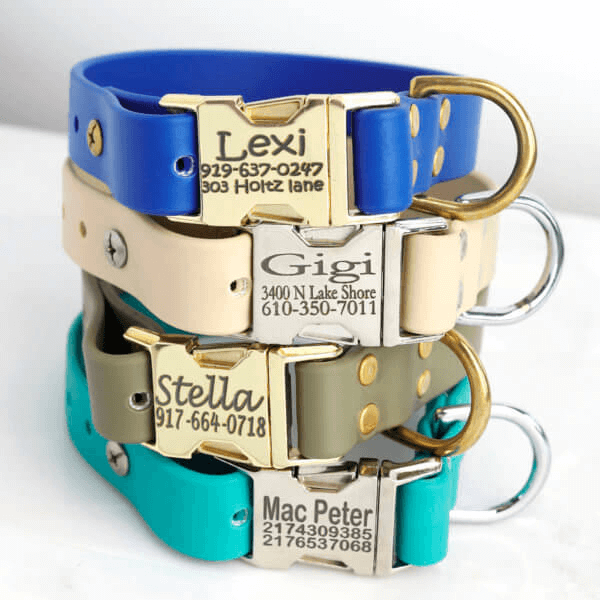
  • Personalized Nameplate Collars for Added Safety: Our customizable nameplate collars ensure that your Frenchie always carries identification securely. These collars combine practicality with style, allowing you to express your dog’s unique personality.

Worries French Bulldog Owners Usually Have

Will a Collar Hurt My French Bulldog?

  • Flat collars can increase risks of glaucoma and airway injuries, especially if used for walks.
  • Choosing soft, breathable materials reduces pressure and irritation.
  • Proper fit is essential: avoid collars that are too tight or loose.
  • Use collars mainly for identification indoors, not for outdoor training or walking.

Is It Safe to Use a Collar for Training?

  • Harnesses are the safer option for all outdoor training activities.
  • Collars should be limited to carrying ID tags in controlled environments.
  • Use flat collars for brief indoor sessions but avoid using them to correct behavior.

How Do I Prevent Chafing From a Harness?

  • Choose harnesses made from breathable, padded fabrics.
  • Ensure the harness fits snugly without restricting movement.
  • Regularly check fit, especially after grooming or weight changes.
  • Opt for harness designs with anti-chafe features like those offered by Mimi Green.

Why Mimi Green Collars Stand Out for French Bulldogs

Thoughtful Design for Sensitive Breeds

At Mimi Green, every collar is made to order with your dog’s comfort and individuality in mind. Our range includes soft velvet, waterproof Biothane, classic leather, and reflective materials, all designed to fit and function beautifully for sensitive breeds like French Bulldogs.

Ethical, Handmade Products

Our collars are handcrafted in the USA by a team that values quality, fair labor practices, and sustainability. Customization is at the heart of what we do, whether you want a personalized nameplate, a specific fabric, or a unique color combination, we create collars that reflect your Frenchie’s personality.

Durable and Stylish for Everyday Use

From durable embroidered details that resist fraying to strong hardware that ensures a secure fit, our collars are built for everyday adventures. Whether your Frenchie is lounging at home or strutting through the neighborhood, Mimi Green collars offer the perfect balance of style, comfort, and security.

Choosing the Paw-fect Training Collar for Your Frenchie

When it comes to selecting the best training collar for your French Bulldog, the safety and comfort of your pup should always come first. 

Frenchies are lovable and stylish companions, but their distinct physical traits demand thoughtful gear choices. Using collars primarily for identification and harnesses for training and walks ensures their well-being, minimizing health risks while supporting effective training.

At Mimi Green, we believe that every dog deserves gear as unique and special as they are. Our handcrafted collars and harnesses are designed not only for safety and durability but also for self-expression. 

Whether it’s a luxurious velvet collar for everyday comfort, a waterproof Biothane collar for outdoor adventures, or a personalized nameplate for peace of mind, our products combine functionality with heart.

If you’re ready to upgrade your Frenchie’s wardrobe with products that prioritize their health and highlight their personality, we invite you to explore Mimi Green’s handcrafted collection. Let’s make every walk a little safer, and every strut a little more stylish.

Discover your Frenchie’s new favorite collar today 👉 Shop Mimi Green’s French Bulldog collection now.

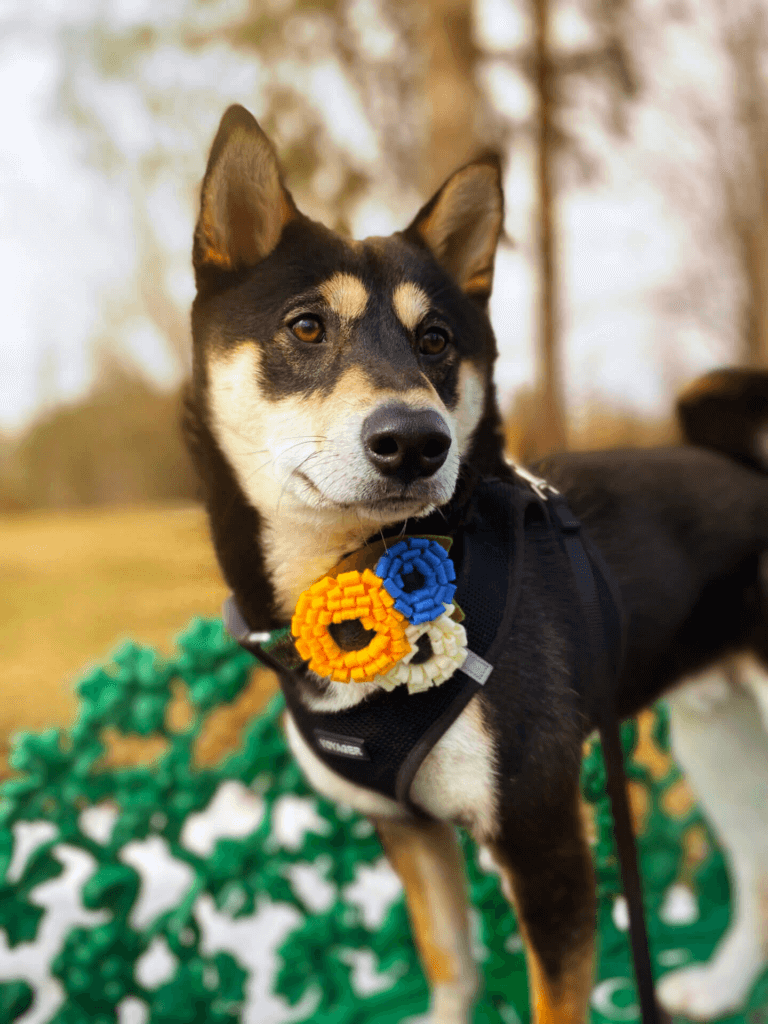
Best Collar for Shiba Inu | Safe, Stylish, Custom Fit

Shiba Inus are escape artists with a flair for drama, so their collars need to keep up. With their fox-like faces, compact frames, and necks that are somehow broader than their heads, the average “one-size-fits-most” collar just doesn’t cut it.

The best collar for a Shiba Inu? It needs to be secure enough to resist sudden ninja-like maneuvers, soft enough to preserve their plush coats, and stylish enough to match their high-maintenance personality.

Here’s the quick rundown of your best bets:

In this guide, we’ll break down the unique anatomy of a Shiba Inu, explain why standard collars don’t work, and help you pick the perfect fit, based on Shiba behavior, not just breed charts.

Let’s find a collar that can actually keep up with your fox-dog.

What Type of Collar Is Best for a Shiba Inu?

Leather Collars: The Fur-Friendly Favorite

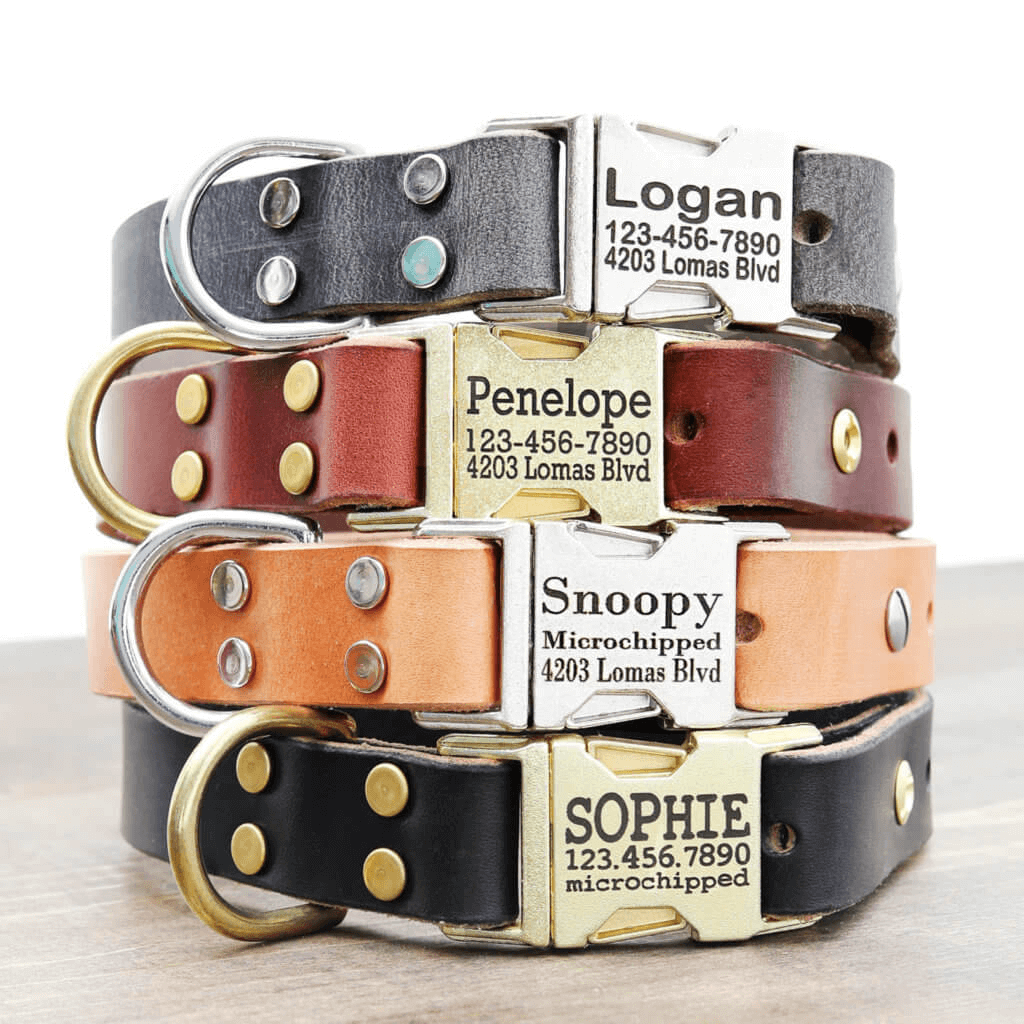
Featured Collection -> Leather Dog Collars

For Shiba Inus with thick, plush coats, leather collars offer a practical and stylish solution. Their cylindrical shape minimizes contact with your Shiba’s fur, significantly reducing matting and hair breakage, two common issues with flat collars. 

This makes them a comfortable choice for dogs who wear their collars regularly.

Many owners find leather collars ideal for 24/7 wear. They provide enough flexibility to avoid chafing yet maintain the durability needed for daily adventures. Their timeless look doesn’t hurt either. 

Biothane® Collars: Waterproof, Durable, Escape-Resistant

Featured Collection -> Waterproof Biothane

If your Shiba loves outdoor escapades, splashing through streams or tearing through muddy trails, a Biothane® collar is an excellent option. 

This material mimics the look and flexibility of leather but comes with additional benefits: it’s waterproof, odor-resistant, and incredibly easy to clean. The material’s strength and durability help resist wear, making it harder for determined Shibas to chew or slip their way out of it. 

Martingale Collars: Safe or Not for Shibas?

Featured Collection -> Martingale Collars

Martingale collars, also known as limited-slip collars, are designed to tighten gently when a dog pulls, preventing them from slipping out, a valuable feature given the Shiba Inu’s small head-to-neck ratio. This makes martingales a solid option for walks, especially for Shibas prone to sudden lunges or clever escapes.

However, safety concerns arise when using martingales unsupervised. The tightening mechanism, while effective during walks, can pose a choking hazard if the collar gets caught on something when no one is around. 

Is a Shiba Inu a Medium or Large Dog?

Shiba Inus typically fall into the medium-size category, weighing between 15 to 25 pounds. Despite their moderate weight, their unique body structure complicates collar selection. Shibas have broad necks and relatively small heads, making it challenging to find a collar that won’t either choke them or slip right off.

Why Standard Collars Often Don’t Work

Standard collars, often designed with a one-size-fits-most philosophy, rarely accommodate the specific needs of Shibas. Their broad necks make looser collars a slipping hazard, while tighter fits risk discomfort or restricted movement.

Because of these challenges, specialized designs, like leather or properly fitted martingales, are better suited for Shibas. These options address the breed’s unique shape and reduce the risk of escape or injury.

How Do I Choose a Collar for My Shiba Inu? Step-by-Step Guide

​​

Helpful Resource -> Dog Collar Size Chart

Step 1: Measure Neck Size Accurately

  • Use a flexible measuring tape and apply the two-finger rule.
  • Recheck sizing after seasonal grooming, Shiba neck size can fluctuate.

Step 2: Choose the Right Material

  • Opt for leather if you want long-term durability and comfort.
  • Pick Biothane® for a water-loving Shiba, it’s waterproof and odor-resistant.

Step 3: Consider Your Dog’s Behavior

  • If your Shiba is an escape artist, go for a martingale or snug Biothane®.
  • If your dog is a calm walker, leather provides both comfort and elegance.

Step 4: Think About Daily Routine

  • Indoors: minimalist, lightweight collars or breakaway options (if safety is a concern).
  • Outdoors: robust, weather-resistant collars that can handle your Shiba’s adventurous spirit.

Should You Leave a Collar on a Shiba Inu All Day?

Many Shiba Inu owners grapple with whether to keep a collar on their dog indoors. It’s a valid concern, collars can catch on furniture, crates, or other household objects, potentially leading to injury or even choking. This worry is heightened for Shibas, who are known for their agility and curiosity, often squeezing into tight spaces or attempting daring leaps.

As a result, many owners choose to leave their Shibas “naked” indoors, opting for a collar-free environment to reduce the risk of accidents. This approach prioritizes safety but requires diligence in ensuring your dog’s ID is updated through other means, like microchipping.

Solutions for Safety-Conscious Owners

If you prefer to keep a collar on your Shiba indoors, consider using a breakaway collar. These collars are designed to unfasten under pressure, potentially preventing serious injury if your Shiba gets snagged on something. However, some owners hesitate to use them due to concerns about their Shiba escaping without any identification.

Martingale collars, while useful for preventing escapes during walks, should never be left on unsupervised. The tightening mechanism, though helpful in training scenarios, poses a strangulation risk if it catches on furniture or other obstacles. If you opt for a martingale, use it strictly for walks and remove it when your Shiba is indoors or unsupervised.

Top Community Questions About Shiba Inu Collars

What’s the Safest Collar to Leave on a Shiba Inu?

The safest collar for general use is a leather collar, offering comfort and reducing the risk of fur damage and matting. Its smooth design makes it suitable for extended wear, and it won’t irritate your Shiba’s sensitive skin.

Featured Product -> Tan Leather Dog Collar – Side-Release Buckle Style

For those concerned about safety indoors, a breakaway collar may provide peace of mind. However, it’s not without drawbacks; some owners worry about their Shiba slipping out of the breakaway mechanism, especially given the breed’s tendency to bolt. We recommend assessing your dog’s behavior and home environment before deciding.

How Do I Stop My Shiba from Chewing Through Their Collar?

Shibas are notorious for their resourcefulness, and sometimes that means turning their collar into a chew toy. To mitigate this, choose collars made from tough materials like Biothane®, which are resistant to chewing and wear.

Additionally, ensuring a proper fit can reduce the likelihood of your Shiba reaching their collar with their mouth. If the collar is too loose, it may become more accessible for gnawing, increasing the risk of damage and potential injury.

Is a Harness Better for a Shiba Inu?

For walking, especially with Shibas that are still learning leash manners or tend to pull, a harness is often the better choice. It distributes pressure across the chest rather than concentrating it on the neck, reducing the risk of injury and improving control.

However, harnesses aren’t a replacement for collars. For identification purposes, a collar remains necessary.

Common Mistakes Shiba Owners Make When Choosing Collars

Mistake 1: Choosing a Collar Based on Weight, Not Neck Size


I’ll share this image again from our Dog Collar Size Chart.

Many owners mistakenly select collars based solely on their Shiba’s weight, but neck circumference is the more accurate measure. Shibas have varying neck sizes despite their relatively consistent weight range, making personalized fitting essential for comfort and security.

Mistake 2: Using One Collar for All Situations

Assuming a single collar suits every scenario can lead to problems. A collar that’s ideal for walks may not be appropriate for lounging at home, and vice versa. Tailoring your Shiba’s gear to different environments, whether it’s a durable Biothane® for outdoor adventures or a soft leather for indoor comfort, is the smarter choice.

Mistake 3: Ignoring Material Sensitivities

Not all materials are suitable for every Shiba. Some dogs react poorly to synthetic fabrics, experiencing skin irritation or discomfort. Many Shibas fare better with natural materials like leather or specialty fabrics such as Biothane®, which offer both comfort and durability without compromising on style.

Ready to Find Your Shiba Inu’s Forever Collar?

Your clever, independent Shiba deserves a collar that works as hard as they do, one that keeps them safe, complements their personality, and survives their every adventure. At Mimi Green, we specialize in solving exactly that problem.

Here’s how we can help:

  • Custom Sizing for a Secure Fit: Say goodbye to collars that slip off or chafe. Our handcrafted collars are made to your Shiba’s exact measurements, accommodating their broad necks and small heads perfectly.
  • Material Options for Every Lifestyle: Whether you need a rugged, waterproof Biothane® collar for outdoor escapades or a soft, stylish velvet collar for city strolls, we’ve got you covered.
  • Complete Matching Sets: Take your Shiba’s style to the next level with matching leashes, harnesses, and engraved nameplates for a cohesive, fashionable look.

Ready to find the perfect collar for your dog’s unique needs? Explore our handcrafted collection of collars now.