Category Archives: Blog

Best Dog Collars for Bernese Mountain Dogs | Durable Picks

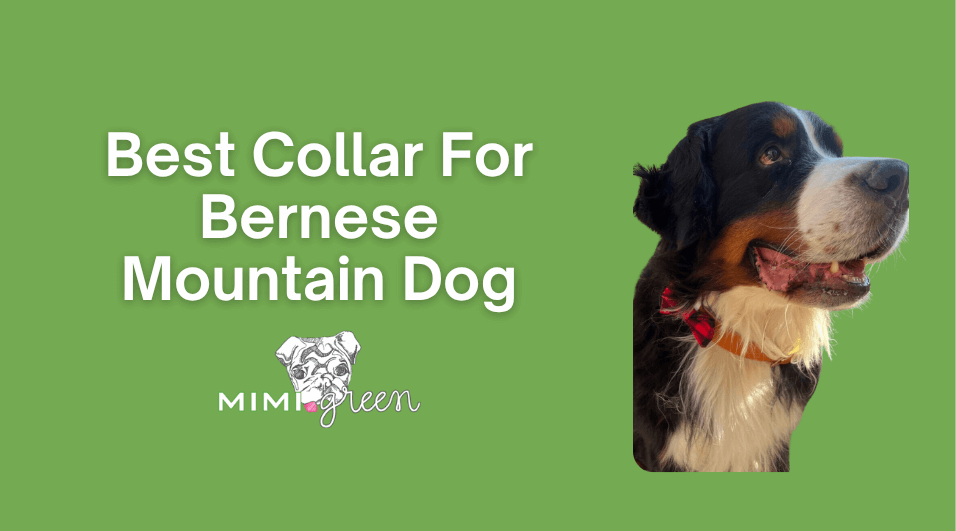
Best Collar for Bernese Mountain Dog

The best collar for a Bernese Mountain Dog is a wide martingale style with reinforced hardware. These collars prevent slipping, reduce neck strain, and suit the breed’s size, strength, and thick coat. Choose adjustable, breathable options for secure, daily comfort.

Bernese Mountain Dogs are majestic, double-coated powerhouses that can pull with the strength of a small ATV. 

Whether you’re navigating icy trails, suburban sidewalks, or just trying to prevent your giant fluffball from slipping his collar mid-walk, one thing’s clear: this breed needs gear that works as hard as they do.

But with so many collar options out there, martingales, leather, reflective, it’s easy to end up with something that rubs, slips, or frays within a month. That’s where Mimi Green comes in. 

Our made-to-order collars are handcrafted in the USA and built for dogs like yours: strong, stylish, and never generic. Choose from wide martingales, waterproof Biothane®, or engraved buckle options, all tailored for thick fur, big personalities, and serious comfort.

Not everyone needs the full collar breakdown. But if you’re the kind of dog parent who wants every walk to feel safer, smoother, and a little more stylish, keep reading.

TL;DR – Best Collars for Bernese Mountain Dogs

  • Martingale Collar: Slip-proof control for strong pullers; ideal for leash training and daily walks.
  • Waterproof Biothane® Collar: Odor-resistant and durable, perfect for muddy hikes, snow days, and messy adventures.
  • Wide Nylon Collar: Soft yet sturdy; reduces matting and adds gentle pressure distribution across thick coats.
  • Engraved Buckle Collar: Ditch the jingles, get secure, silent ID built right into your collar.
  • Fi-Compatible Collar: Add GPS tracking to your walks with style that matches your Berner’s vibe.

Let me know if you’d like a custom version of this list based on specific product features (like handle collars or harness pairings).

What Type of Collar Is Best for a Bernese Mountain Dog?

Wide dog collars protect thick necks and strong muscles, offering slip-free control and everyday comfort.

Martingale Collars

If your Berner is part freight train, part cuddlebug, a martingale collar offers the perfect mix of control and kindness. This collar tightens gently when your dog pulls but won’t choke like a slip collar. 

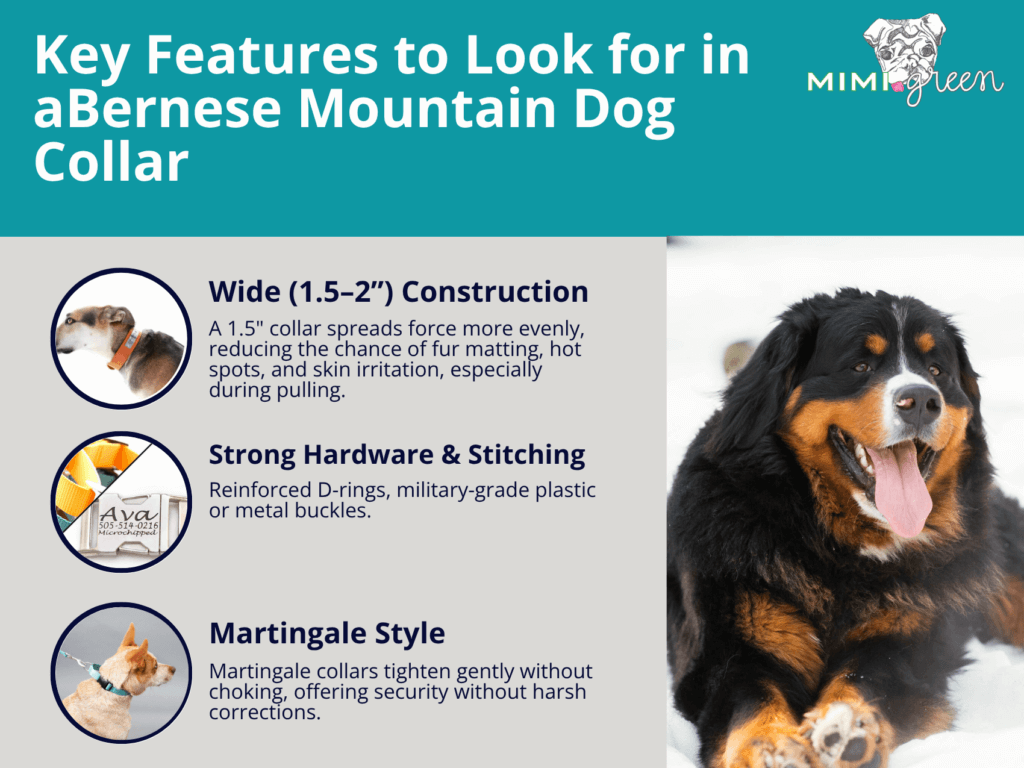
That means less stress on the neck and fewer chances of them backing out during a surprise squirrel sprint. Extra-wide martingales (1.5”) are especially great for dispersing pressure and reducing matting under thick fur.

Biothane® Collars

For dogs who don’t shy away from wet grass, melting snow, or muddy fields, a Biothane collar is a no-brainer. It’s waterproof, stink-proof, and wipes clean in seconds, while still being soft enough for sensitive necks. 

Mimi Green’s Biothane® options pair durability with style, so your Berner can roll through puddles without you worrying about soggy gear or neck irritation.

Leather Collars

Classic, sturdy, and built to last, leather collars are a stylish choice for Berners who stick to dry terrain. They soften over time and mold to your dog’s neck for a custom feel. 

However, if your dog loves swimming or snow play, leather may wear faster unless well cared for.

Reflective and Fi-Compatible Collars

Berners are big, but that doesn’t mean they’re always easy to spot, especially at dawn or dusk. 

Reflective collars add visibility during low-light walks, while Fi-compatible collars let you pair GPS tracking with Mimi Green’s signature custom style. Peace of mind and paw-sonality, all in one.

Do Bernese Mountain Dogs Wear Collars or Harnesses?

Berners benefit from both collars and harnesses, collars for control and tags, harnesses for training and neck relief.

Collar vs Harness Use Cases

A collar is great for daily wear, ID tags, and training cues. But if your Berner’s idea of a walk is more of a tug-of-war, a harness can reduce strain on their powerful neck. 

The key is choosing the right combo: a well-fitted collar for commands and safety, plus a harness for longer walks or training sessions.

Step-In vs Easy-On Harnesses

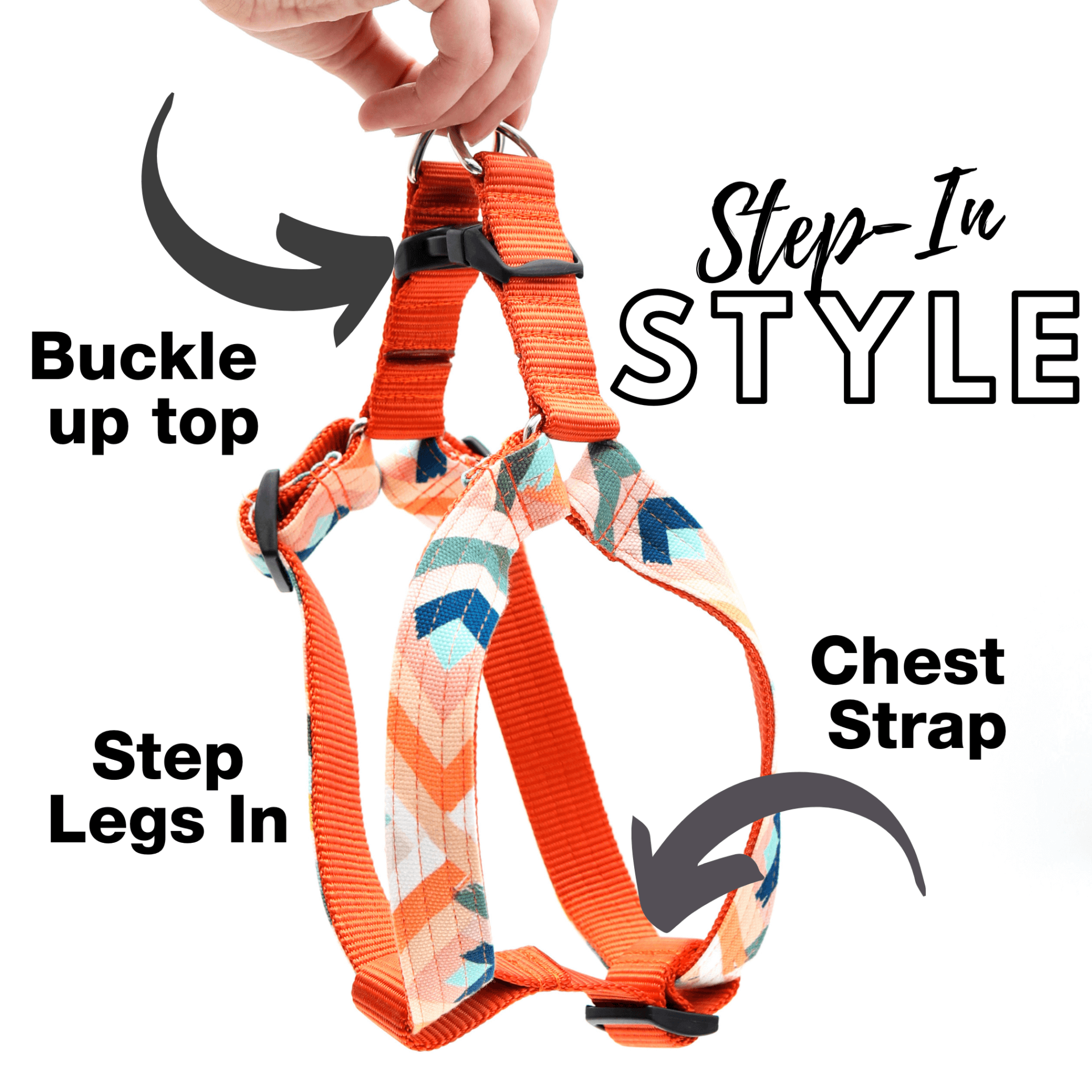
  • Step-In Harness
    • Great for deep-chested breeds like the Bernese
    • Designed to stay secure without shifting
    • Distributes pressure evenly across the chest
    • A popular choice for dogs who walk calmly but need control
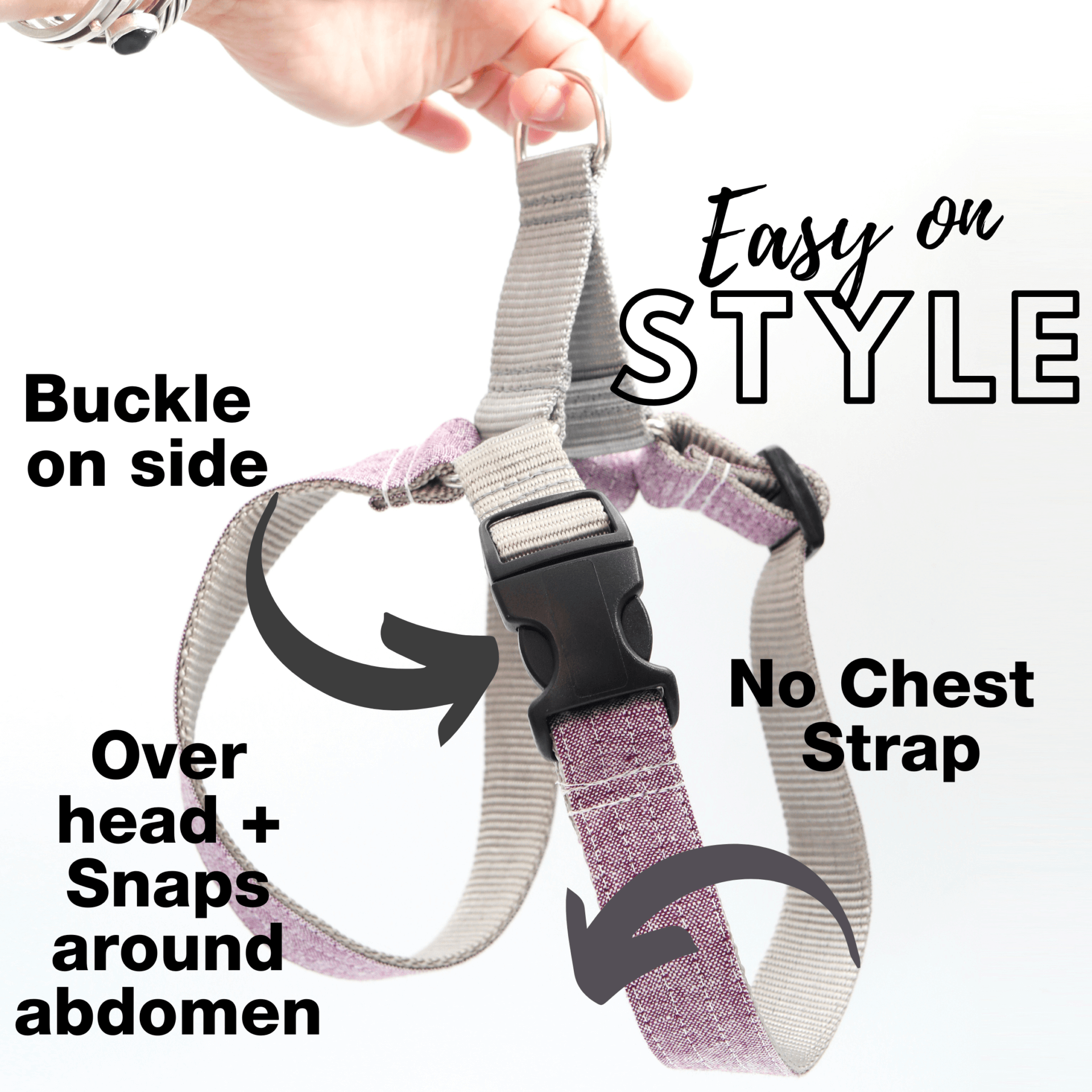
  • Easy-On Harness
    • Lightweight, low-profile fit, ideal for dogs with thick coats or sensitive skin
    • Slips on quickly with minimal fuss
    • Less bulk under the arms and chest
    • Comfortable option for daily walks or dogs who prefer a simpler feel

How to Measure a Berner’s Neck Properly

  • Use a flexible measuring tape
  • Wrap it around the base of the neck, where the collar naturally sits
  • Add two fingers between the tape and your dog’s skin for a comfortable fit
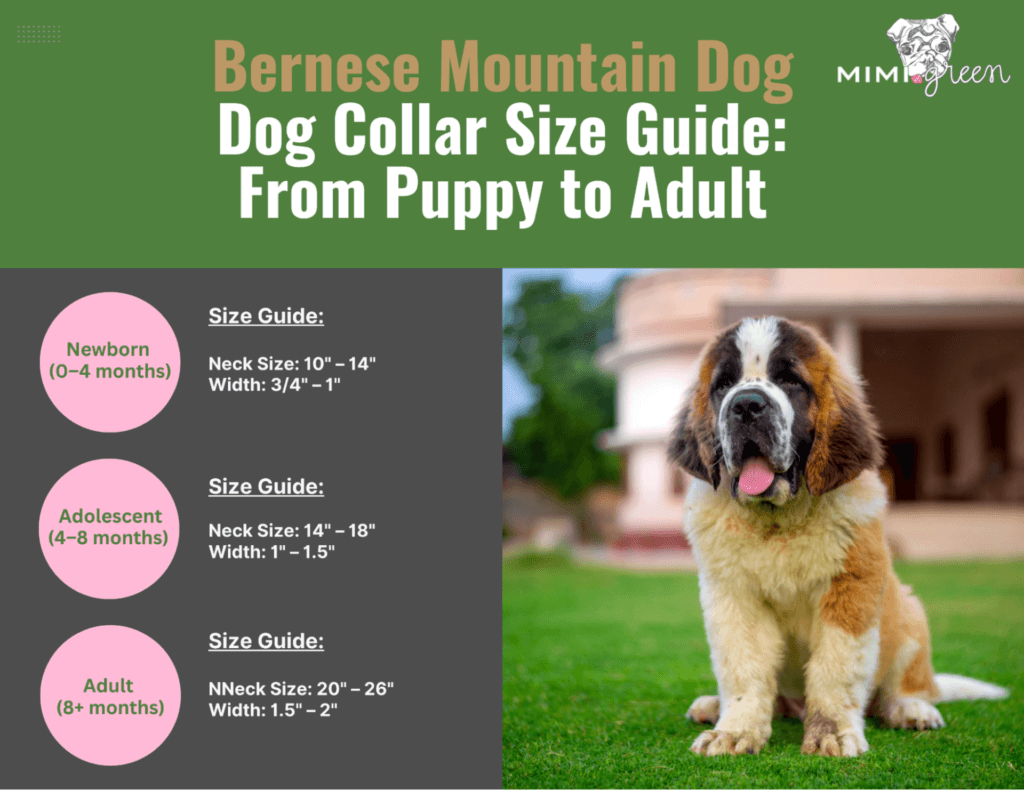
  • For Bernese Mountain Dogs, aim for a size between 20–26 inches, depending on age and build
  • Recheck measurements regularly, especially after seasonal coat changes or growth spurts

How Often Should You Replace Your Berner’s Collar?

Replace collars every 6–12 months, or sooner for active, strong-pulling dogs. Watch for fraying, stretching, or damaged hardware.

  • Even a collar that looks fine may be wearing out
  • Watch for frayed stitching, stretched buckles, or a bent D-ring
  • Check monthly, especially for active or outdoor dogs
  • Puppies? Recheck fit often during the first 18 months

👉 Browse Mimi Green Collars for Large Breeds

Training Tools for Bernese Mountain Dogs

Martingales and handle collars help with pulling; e-collars or prongs only in professional hands.

Handle Collars

A built-in handle on your dog’s collar can be a game-changer, especially for Berners in public spaces or tricky situations. 

Martingale as Everyday Training Gear

Because Berners often pull due to instinct, not disobedience, martingales are a safe and gentle tool to guide them. The controlled tightening action discourages pulling while avoiding the harsh impact of choke chains. 

It’s also a safer option for large dogs who are still mastering leash manners.

Frequently Asked Questions (FAQ)

  • Are Bernese Mountain Dogs considered large or XL? They’re XL. Males can weigh up to 115 lbs and stand over 27 inches tall. Their size calls for wide, reinforced collars that can handle power and bulk.
  • Should I use a harness or collar for leash training? Start with a well-fitted martingale collar to teach leash cues. Add a harness for additional control if needed, especially during high-distraction walks.
  • What causes neck irritation in Bernese dogs? Tight collars, poor-quality materials, or heat-retaining fabrics like cheap neoprene are common culprits. A breathable collar prevents irritation, especially on long-coated dogs.
  • What’s the leading cause of death in Bernese Mountain Dogs? Cancer, especially histiocytic sarcoma. While it’s unrelated to collars, it’s a reminder to prioritize regular vet care and check your dog’s neck and skin routinely when adjusting their gear.

Collar + Leash Combos That Actually Work

  • A sturdy collar is only half the equation, your leash must match in strength and style
  • Bernese Mountain Dogs can pull over 1,000 lbs, so grip, hardware, and material are critical

Mimi Green offers matching collar and leash sets in:

  • Biothane® – waterproof and wipe-clear
  • Leather – timeless and strong
  • Nylon – soft and stylish

These sets are built to:

  • Handle surprise lunges
  • Resist muddy terrain and rough play
  • Maintain a consistent feel between collar and leash

Choose a 4–6 foot leash for the right balance of control and movement

Matching materials create a unified, polished look on every walk
Gear Checklist for Bernese Mountain Dogs

A quick-reference list for dog parents who don’t want to forget a thing:

1.5” Wide Martingale Collar
Waterproof or Leather Collar for Outdoor Use
Matching 4–6’ Leash
Step-In Harness for Pullers or Neck-Sensitive Dogs
✅ Engraved Buckle or ID Tags (no dangling noise or lost tags)
✅ Poop Bag Holder or Matching Key Fob
✅ Collar Fit Check Every Few Months

Built for Berners, Because Strength Deserves Style

A collar that slips, rubs, or frays under pressure isn’t just frustrating, it’s risky. Bernese Mountain Dogs need gear that respects their strength, protects their coat, and keeps them safe on every adventure.

That’s why Mimi Green collars are:

  • Handmade in the USA, one at a time, just for your dog
  • Available in wide sizes (1.5”), ideal for pressure distribution and fur protection
  • Designed with comfort in mind, using soft yet durable linings like neoprene or velvet
  • Customizable with engraved buckles, name embroidery, and Fi GPS compatibility
  • Available in waterproof Biothane®, perfect for outdoor-loving dogs who don’t mind mud

Looking for the best setup for your Bernese?

  • Start with a Martingale Collar to prevent pulling and slipping
  • Add a matching 4–6’ leash for better grip and daily consistency
  • Choose a Step-In Harness for extra control without neck strain

We believe your Berner’s collar should do more than hold a tag, it should reflect their personality, support their training, and make every walk smoother.

👉Shop our collection today and get a collar that’s made to last, made to fit, and made to love.

Best Dog Collars for Dachshunds | Mimi Green

Best Collar for Dachshund blog header

The best collar for a Dachshund is a lightweight collar that protects their neck and spine. Nylon, Velvet or Biothane options offer comfort, while harnesses help reduce pulling. Choose a custom fit to avoid escapes, strain, and irritation.

TL;DR – Best Collars for Dachshunds

Walks with your Dachshund should feel joyful, not like a constant tug-of-war or escape attempt. 

But with their narrow necks, deep chests, and surprisingly strong wills, standard collars often fail these pups. Too tight, and you risk neck strain. Too loose, and they’re slipping free mid-stride.

At Mimi Green, we hand-make every collar to order in the USA using soft nylon, waterproof Biothane, and military-grade buckles, so your walks are secure and stylish.

If you want the full breakdown, whether you’re comparing collar types, looking for puppy-safe picks, or trying to solve the great harness-versus-collar debate, keep reading. We’ve got answers tailored to you and your long-bodied best friend.

Collar vs. Harness for a Dachshund

Featured Product: Engraved Personalized Nylon Webbing Dog Collar

Both have their place. Collars are great for ID and training; harnesses offer back support and no-pull control.

There’s no one-size-fits-all answer, collars and harnesses each serve a purpose. 

  • Collar: For everyday wear, ID tags, and basic leash training, a well-fitted collar is perfect. It offers gentle correction and keeps your Doxie visible and secure.
  • Harness: But if your pup pulls, has IVDD (a common concern in this breed), or needs extra spinal support, a harness is your best bet. Our Step-In Harness is ideal for wide-chested dogs who tend to slip out of traditional designs. It’s soft, secure, and available in every Mimi Green fabric, because function shouldn’t come at the cost of flair.

Best Collar Types for Dachshunds

Not all collars are created equal. These are our top safe, stylish picks made just for long-bodied, narrow-necked pups.

Lightweight Biothane Collars 

Whether your Dachshund is a trail runner, puddle lover, or beach bum, a Biothane collar has you covered. 

It resists odor, wipes clean in seconds, and holds up to mud, rain, and roughhousing. It’s the low-maintenance favorite of high-energy pups.

Martingale Collars

A martingale is a good collar for a Doxie with a talent for slipping out of regular collars. It tightens slightly under tension but won’t choke, offering secure control that feels gentle, not restrictive. 
Velvet Collars
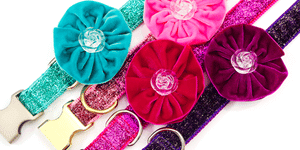
Perfect for pups with sensitive skin or patchy fur, these collars offer comfort without sacrificing strength. 

At Mimi Green, we line our collars with soft, high-quality velvet or flannel, ideal for long walks, short fur, or fashion-forward pups who deserve to feel as good as they look.

Leather Collars

Classy, comfy, and built to last, our leather collars soften over time to mold to your dog’s shape. They distribute pressure evenly and look just as good during city strolls as they do on your holiday card photos. 

Pair with a matching leash for a cohesive look.

Features to Look for in a Dachshund Collar

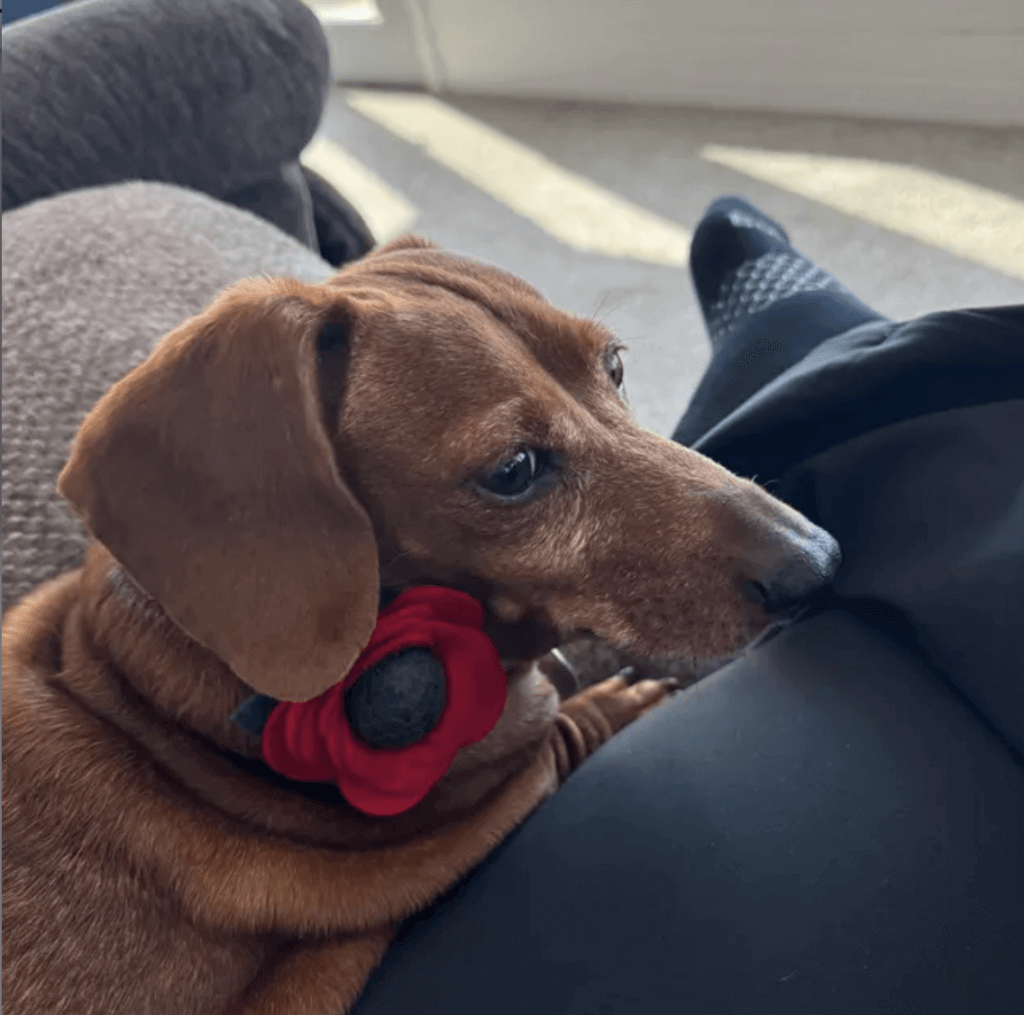
Featured Product: Remembrance Red Poppy Dog Collar Flower

The right collar features make all the difference. Fit, width, material, and safety come first. Here’s what sets a great Dachshund collar apart from the rest:

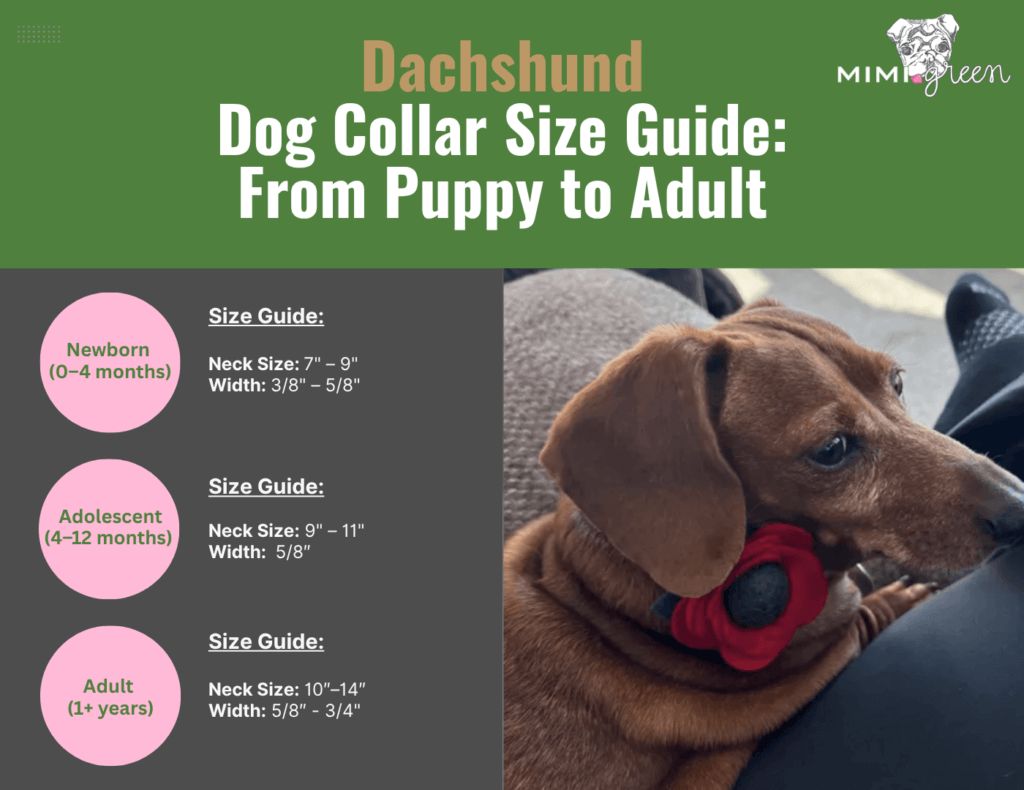
  • Adjustability: Doxies gain and lose weight quickly. A collar that adjusts lets you keep a snug, secure fit year-round.
  • Width: A  5/8″ collar distributes pressure on delicate necks.
  • Engraved Buckles: These replace traditional tags, which can snag, jingle, or fall off.
  • Soft Nylon Webbing: Stiff, scratchy materials = no-go. Ours are soft and strong.
  • Avoid: Bulky designs, carabiner clips, padded linings, or stiff materials. They might look tough but often cause discomfort or rubbing.

Mimi Green collars are made to order with your Dachshund in mind, from buckle placement that avoids pressure points to soft nylon that won’t irritate skin or fur.

How to Measure Your Dachshund for a Collar

Get a snug, comfy fit to prevent escapes and discomfort. Here’s how.

Dachshunds are notorious for slipping collars, not because they’re trying to be sneaky (well, maybe a little), but because their necks are often narrower than their heads. That makes accurate sizing a must.

Here’s how to get it right:

  • Use a soft tape measure and wrap it around the base of your dog’s neck, where the collar naturally rests.
  • Apply the two-finger rule: you should be able to slide two fingers between the tape and your dog’s skin.
  • Don’t guess based on breed averages, Dachshund neck sizes can range widely between mini and standard sizes.
  • For puppies, check the fit every few weeks as they grow.

Mimi Green offers custom sizing at no extra cost, so you never have to settle for a collar that’s too tight or “almost” fits. 

Our engraved buckle styles also eliminate the need for clunky tags, just one more way we keep your pup comfortable and secure.

Training Tips: How to Stop a Dachshund from Pulling

Bold and stubborn, Dachshunds respond best to gentle correction and consistency.

Dachshunds might be small, but they’ve got big opinions, especially on walks. If your Doxie pulls, wheezes, or darts at every squirrel, you’re not alone.

Here’s how to reel it in:

  • Start with a lightweight waterproof collar.
  • Use a Step-In Harness during walks for better chest support and reduced neck strain.
  • Reinforce calm walking with treats and praise, positive reinforcement goes further than tugging back.
  • Avoid retractables or yanking the leash; sudden pressure can hurt their neck or back.

When to Replace a Dachshund’s Collar

A worn collar can cause more harm than good. Replace regularly for safety and comfort.

Even the most well-made collar has a lifespan, especially when it’s being worn daily by a curious, fast-moving Doxie.

Watch for these signs it’s time for a swap:

  • Frayed stitching, stretched-out holes, or rusted buckles
  • Signs of skin irritation under the collar
  • Your dog has gained or lost weight
  • You’re switching between seasons (yes, even collars have seasonal style)

As a rule of thumb, inspect your Dachshund’s collar monthly and replace it every 6–12 months. For puppies? Even more often. Mimi Green’s handmade collars are made to last, but we always recommend a backup, because mud puddles and mystery smells wait for no one.

Best Collar & Leash Combos for Dachshunds

Matching sets don’t just look cute, they make handling smoother and safer.

When your collar and leash work in sync, everything, from sidewalk strolls to quick potty breaks, feels easier. That’s especially true for Dachshunds, who thrive on routine and clear communication.

Here’s what to pair:

  • Leash length: 4 to 6 feet gives you control without overwhelming a small dog
  • Material match: Velvet or Biothane leashes pair beautifully with their respective collars
  • Avoid retractable leashes, they offer too much slack, leading to sudden lunges or tangles
  • Add extras like a matching waste bag holder or key fob for style and convenience

We offer matching sets for every Mimi Green collar, all handmade in the USA. Whether you’re wrangling a spirited pup or just want to elevate your walk aesthetic, we’ve got you covered, literally, from collar to clasp.

Final Checklist – Your Dachshund Collar Setup

Here’s everything you need for secure, stylish walks.

Use this quick rundown to make sure your Dachshund is geared up for comfort, control, and a few head-turning moments on the sidewalk:

Because your Dachshund isn’t average, and their gear shouldn’t be either. Check out our small dog collar selection to get inspired: crafted for comfort, made to turn heads, and built just for your little pup.

FAQs – Dachshund Collar Questions Answered

  • What’s the best collar for a Dachshund puppy? Start with a soft, adjustable nylon collar or lightweight biothane collar. Look for lightweight materials and engraved buckles that won’t irritate their skin.
  • Can I leave a martingale on all day? Martingales should be removed when unsupervised. They’re designed for walks, not lounging or crate time.
  • Should I use a training collar? Skip prong or shock collars unless under professional supervision. Martingales and positive reinforcement are safer, more effective tools.
  • Why does my Dachshund slip out of every collar? It’s the shape, Doxies’ necks are narrower than their heads. A properly fitted martingale prevents slipping without causing discomfort.

The Collar That’s Made for Dachshunds

Your Dachshund’s collar shouldn’t be a gamble.

Too many pet parents settle for a collar that’s “good enough”, until it slips off mid-walk, causes irritation, or just doesn’t fit right. At Mimi Green, we believe your dog deserves more than that.

  • Custom sizing made to order means no more “almost fits.”
  • Soft-yet-strong materials like nylon, Biothane, and leather are built for Dachshunds’ sensitive skin and active lifestyles.
  • Martingale styles with engraved buckles help prevent escapes, stylishly.

We’re a family-run business, and we’ve walked a mile in your shoes (usually with a leash in hand). If you’re ready for a collar that feels like it was made just for your dog, it’s because it was.

👉 Shop Dachshund-Friendly Collars Now

Best Rottweiler Dog Collars | Secure, Stylish Picks

Best Collar for Rottweiler

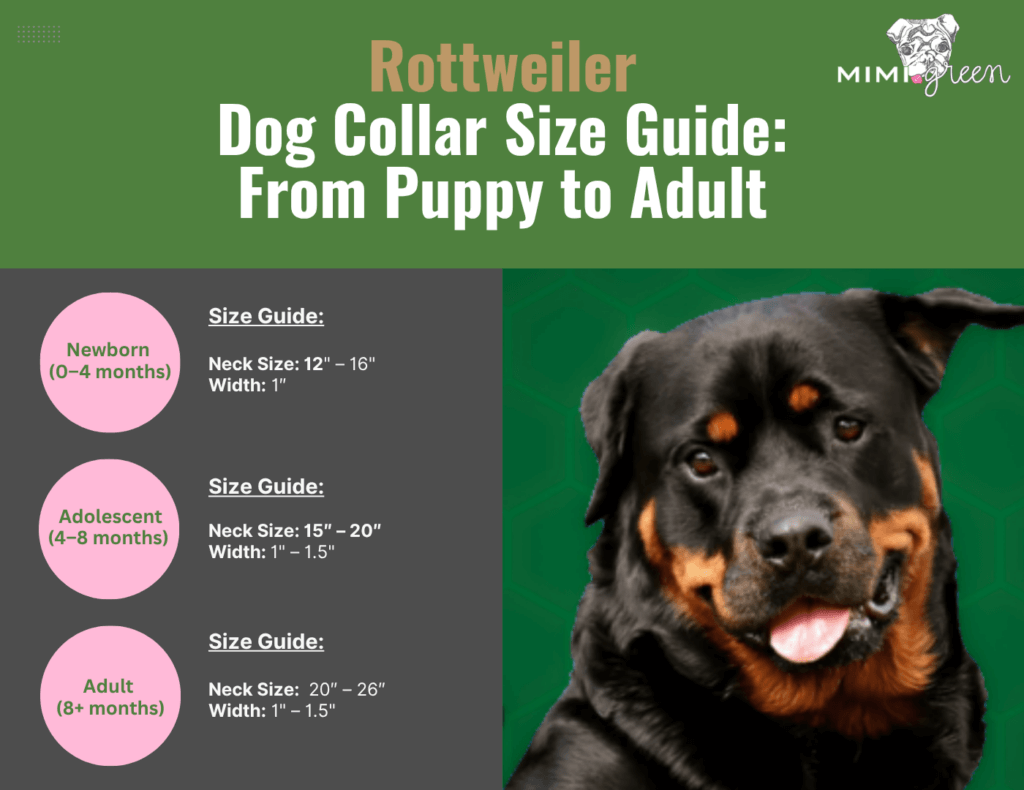
The best dog collar for a Rottweiler is 1″–1.5 wide, strong, and secure to prevent slipping or breakage. Choose Biothane for waterproof durability or leather for lasting comfort. Most adult Rottweilers wear a 20–26″ collar. Collars are better than harnesses for training and ID.

TL;DR – Best Collars for Rottweilers

Rottweilers aren’t your average dogs, and their collars shouldn’t be either.

With powerful builds, broad necks, and serious pulling strength, these dogs can outmatch standard collars in a matter of seconds. If your Rottie’s collar has ever slipped off, snapped mid-walk, or left behind a raw patch of skin, you already know: fit and durability aren’t negotiable.

What Makes Rottweilers Unique, And Why Their Collars Need to Be Too

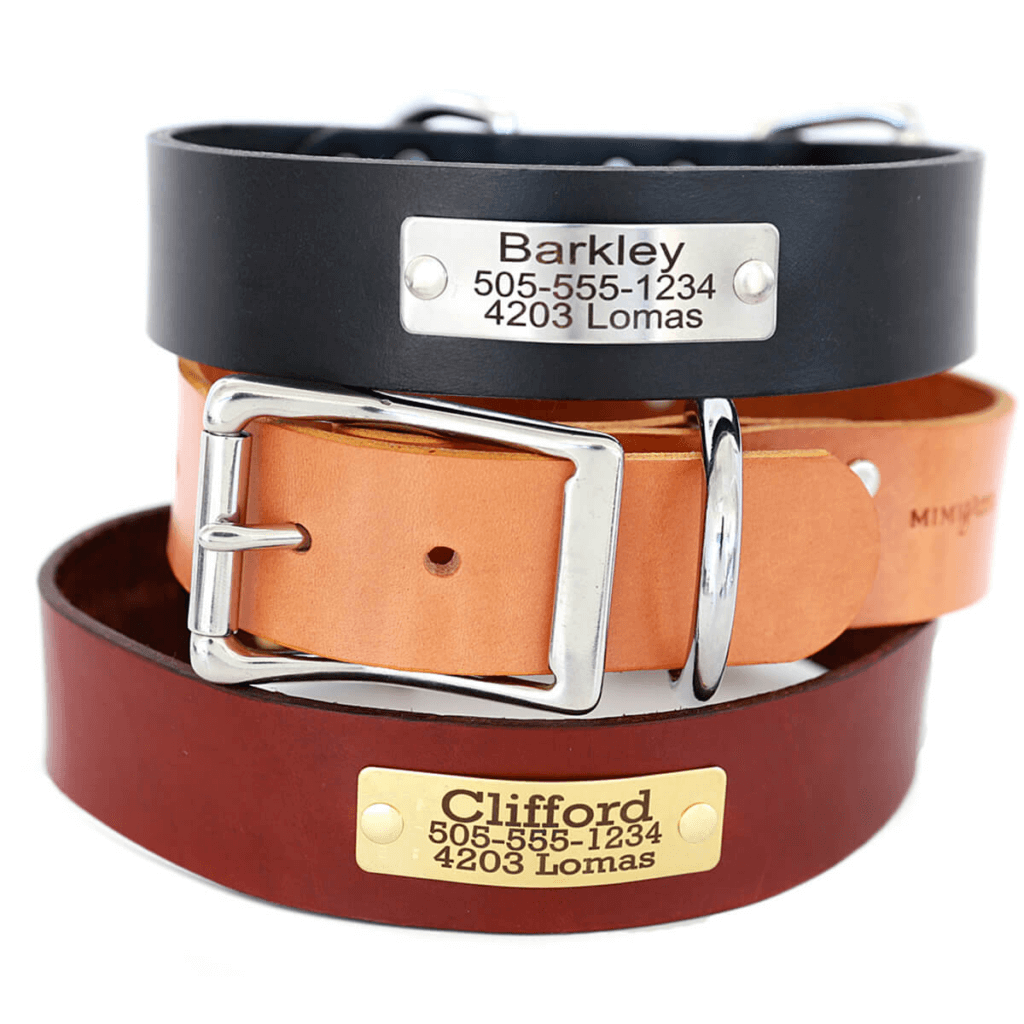
Featured Product: 1.5″ Wide Leather Dog Collar with Engraved Riveted Nameplate

Rottweilers are XL dogs with thick, muscular necks and heads that taper slightly, making them prime candidates for slipping out of loose-fitting collars. Add in their strength, high prey drive, and tendency to pull when excited, and it’s clear: not just any collar will do.

These dogs need collars that are:

  • Wide enough (1.5″) to distribute pressure and stay secure
  • Adjustable and snug to prevent backing out during walks
  • Built tough to withstand lunges, twists, and everyday play

Whether you’re heading out for a structured training session or just trying to keep your pup from chasing squirrels, your Rottie’s collar needs to be both comfortable and secure.

Collar or Harness for a Rottweiler? 

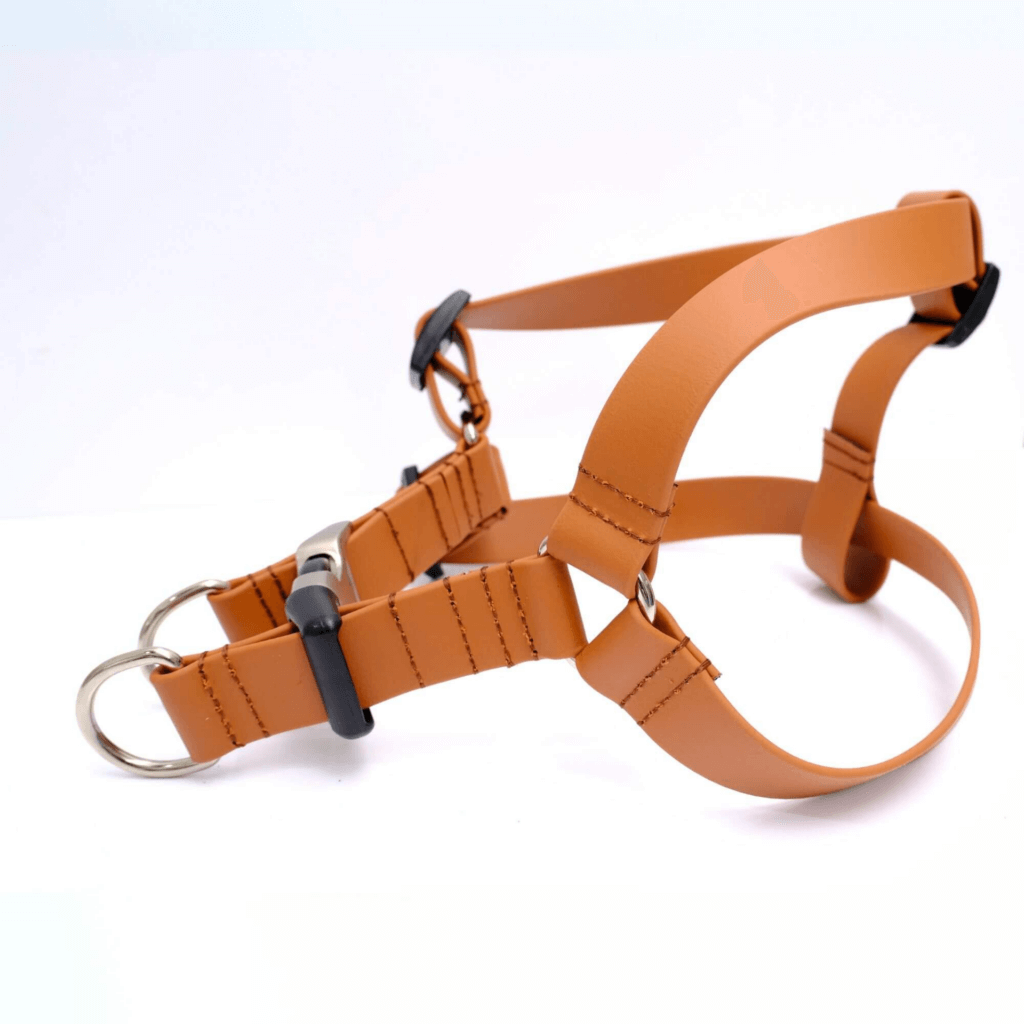
Featured Product: Waterproof STEP IN Dog Harness – Biothane Sewn

Collars offer direct control, help with training cues, and hold your dog’s ID, all things Rottweilers benefit from. 

But a harness can also have its place in your gear setup, especially for dogs with special needs or during training phases.

Use a collar when:

  • Your Rottweiler is well-trained on leash
  • You need to attach tags or a GPS tracker
  • You’re reinforcing commands with clear leash feedback

Use a harness when:

  • Your Rottie pulls heavily or constantly
  • You’re leash-training a puppy
  • Your dog has respiratory or tracheal sensitivities

At Mimi Green, we often recommend both, a collar for ID and quick corrections, and a well-fitted step-in harness for training without added neck pressure. 

Plus, our harnesses match our collars, so your dog looks as put together as they are protected.

Best Collar Types for Rottweilers

Not all collars are up to the task of handling a Rottweiler. Here’s how the best options stack up:

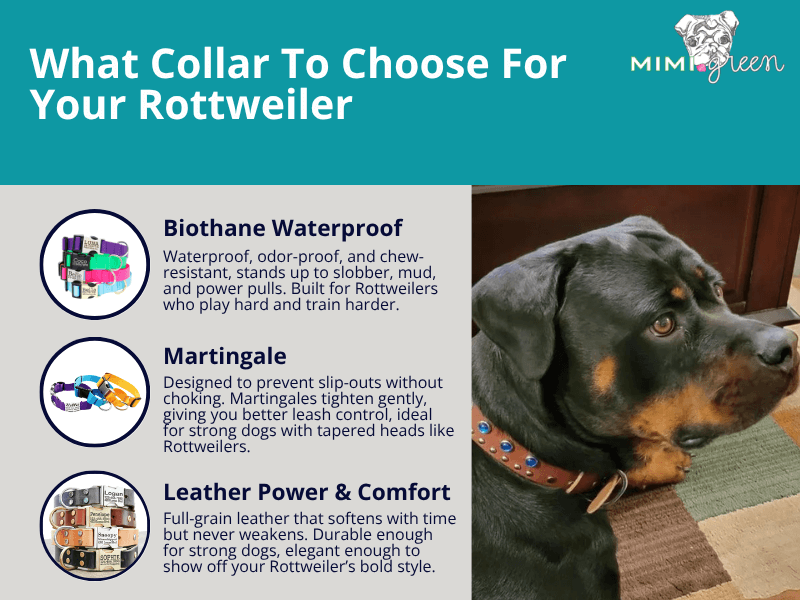
Martingale Collars

  • Gently tighten to prevent slipping out
  • Ideal for strong pullers without causing harm
  • Safer than choke or prong chains
  • Best for: Daily walks, early leash training

Biothane Collars

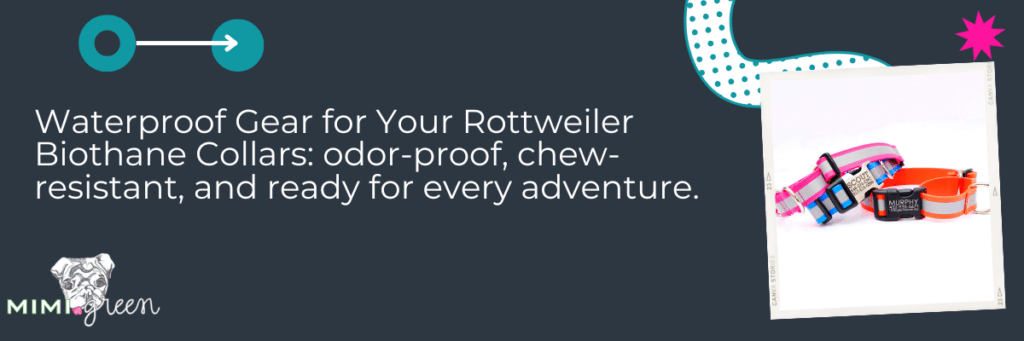
  • Waterproof, stink-proof, and built to last
  • Easy to clean after muddy adventures
  • Military-grade durability with a soft feel
  • Best for: Outdoor-loving Rotties or dogs who drool a lot

Leather Collars

  • Classic look that softens with use
  • Strong and supportive, even for power pullers
  • Customizable with engraved buckles or embroidery
  • Best for: Everyday wear with timeless style

Reflective & Fi-Compatible Options

  • Keep your black-coated Rottie visible at night
  • Add GPS compatibility for safety during hikes or off-leash play
  • Best for: Evening walks or adventurers who roam

How to Measure and Fit a Collar for Your Rottweiler 

Most adult Rottweilers wear collars between 20 and 26 inches. But don’t guess, measure.

Here’s how:

  • Wrap a soft tape around the base of the neck, not the narrow part near the skull
  • Make sure you can slide two fingers comfortably between collar and skin
  • Consider seasonal changes, some dogs fluff out in winter, slim down in summer

At Mimi Green, we offer custom sizing at no extra charge. That means no weird in-between fits, no sliding, and no more collars your dog can chew or wriggle out of.

What Collar Color Looks Best on a Rottweiler?

Rottweilers’ sleek black and tan coats pair beautifully with bold, rich collar colors that stand out without clashing. 

If you’re trying to strike the right look for your dog’s personality, or just want to make that Instagram post pop, color choice matters.

Top color matches:

  • Red – Adds bold contrast and visibility
  • Gold or Yellow – Enhances the tan points in their coat
  • Olive or Khaki – Complements their tough, tactical vibe
  • Sky Blue or Turquoise – A cheerful pop against dark fur
  • Black on Black – Clean, classic, and powerful

Material accents for added personality:

  • Velvet – Luxe texture that’s soft and durable
  • Glitter – For flashy dogs (and flashier humans)
  • Leather – A classic look that never goes out of style

Every Mimi Green collar is available in a range of colors and fabrics, so you don’t have to sacrifice safety or strength for style.

How to Avoid Common Collar Mistakes for Rottweilers

A lot of Rottweiler parents make the same missteps, usually with good intentions. But with this breed, a poor-fitting or flimsy collar can become a real risk.

Avoid these misfires:

  • Too-thin collars – Can dig into the neck and snap under pressure
  • Cheap buckles – Weak points that can crack or bend
  • “Escape-proof” marketing – Fit is what really prevents escapes
  • Choke chains or prongs – Unless guided by a trainer, these tools can be ineffective

Do this instead:

  • ✅ Choose wide, secure collars with reinforced stitching
  • ✅ Prioritize custom fit, not generic sizing
  • ✅ Invest in high-quality materials like full-grain leather or Biothane
  • ✅ Stick with a trusted brand like Mimi Green, where form follows function

How Often Should You Replace a Rottweiler Collar?

Even the toughest collar won’t last forever, especially not with a dog as active (and drool-prone) as a Rottweiler.

Here’s when to check or replace:

  • Monthly fit check: Has it stretched, frayed, or rusted?
  • After any major growth spurt or weight change
  • If the buckle feels loose or hard to close
  • If webbing or stitching looks worn

How to keep it fresh:

When you invest in a Mimi Green collar, you’re getting handmade durability. But checking your gear regularly is the best way to avoid slips, discomfort, or mid-walk malfunctions.

Collar & Leash Combos for Rottweilers – Complete the Look

Your Rottweiler’s collar does a lot, but it’s only half the setup. Pairing it with the right leash takes control, safety, and style to the next level.

Best leash options for Rottweilers:

  • 4–6 feet long – Offers freedom with manageable control
  • Leather or Biothane – Strong enough for sudden lunges
  • Comfortable grip – Reduces strain during walks or training

Recommended pairings from Mimi Green:

Rottweilers may be tough, but their gear can still look polished, and Mimi Green makes sure it does.

Final Checklist – What Every Rottweiler Owner Needs

Before you hit the park or start your next training session, here’s a gear check to make sure your Rottie is secure, stylish, and ready for anything.

Wide, adjustable collar (20–26″)
Matching leash (4–6 ft with strong grip)
Step-in harness for training or backup
Engraved dog collar
✅ Fit guide and collar care instructions
✅ Poop bags + treat pouch (because motivation matters)

With the right setup, your Rottweiler is happier. And when your gear fits right and holds up, you’ll spend less time adjusting and more time enjoying the walk.

FAQ – Common Questions About Rottweiler Collars

  • What’s the best collar for Rottweilers that pull? A martingale collar gives firm control without discomfort.
  • Should I use a harness or collar for my Rottweiler? Both. Use a collar for ID and daily walks, and a harness for training or reducing neck strain.
  • What size is an XL Rottweiler collar? Most adult Rottweilers need a 20–26″ collar. Measure with a soft tape to be sure.
  • Do Rottweilers need a special type of collar? Yes. Because of their strength and unique head/neck shape, they need wide, durable, escape-resistant collars, ideally made to fit.

Find the Right Collar for Your Rottie

Whether you’re training a new pup, upgrading from a broken buckle, or just want something that won’t irritate their skin, Mimi Green has you covered.

Here’s how we help you get it right:

  • Made-to-order sizing that won’t slip or chafe
  • Built-tough materials like Biothane and leather
  • Matching sets so your gear looks as sharp as your dog does

We’re a small, family-run shop that believes dogs are family. That’s why we handcraft every collar in the USA with love, and without shortcuts.

🐾 Explore Rottweiler collars today at Mimi Green’s Rottweiler Collection, and get the perfect fit for your not-so-average pup.

Best Dog Collars for Chihuahuas

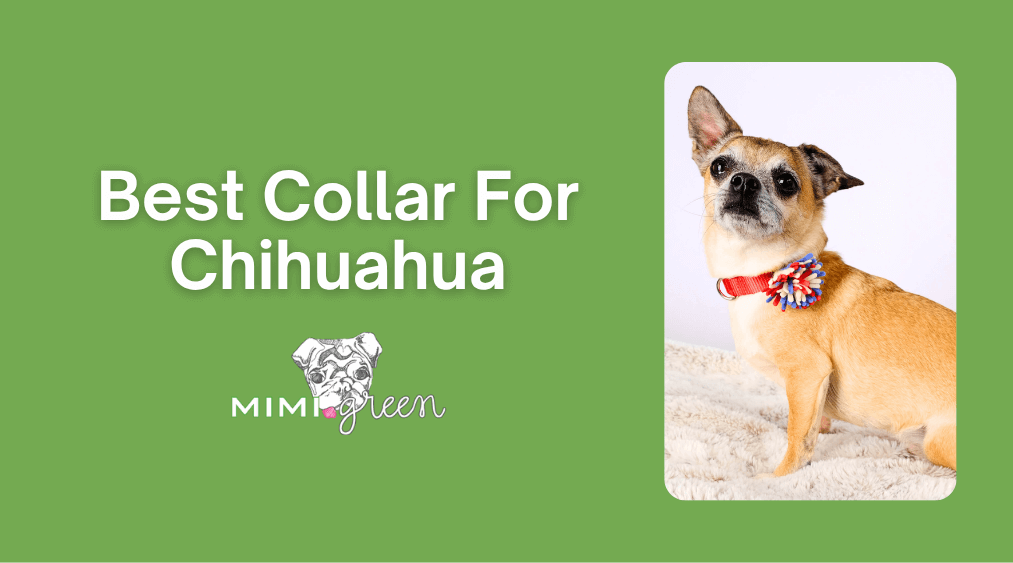
Best Collar for Chihuahua blog header

The best collar for a Chihuahua is lightweight, secure, and custom-fit to protect its delicate neck. Vets often recommend a harness for walks to avoid trachea damage, but a collar is still needed for ID tags. Learn how to pick, fit, and combine both safely for your tiny pup.

TL;DR – Best Collars for Chihuahuas

Picking a collar for a Chihuahua isn’t just about cute patterns (though we love those too!). With such tiny necks and fragile tracheas, one wrong tug can lead to a lot of worry, from slipping out of a collar to choking hazards or skin irritation.

If you’ve ever wondered whether a collar or harness is safer, or how to make sure your Chi’s ID stays put without extra bulk, you’re not alone. We’ll break down what vets recommend, when to choose each option, and how to measure your dog for a snug, comfy fit.

At Mimi Green, every collar is handmade to order in the USA. That means you get lightweight materials, engraved buckles that won’t fall off, and custom sizes that protect even the tiniest necks.

If you just want quick recommendations, check our TL;DR list below. But if you’d rather know exactly why these choices matter, and how to skip the biggest collar mistakes for Chihuahuas, keep reading. We’ve got you (and your tiny sidekick) covered.

Should Chihuahuas Wear Collars or Harnesses?

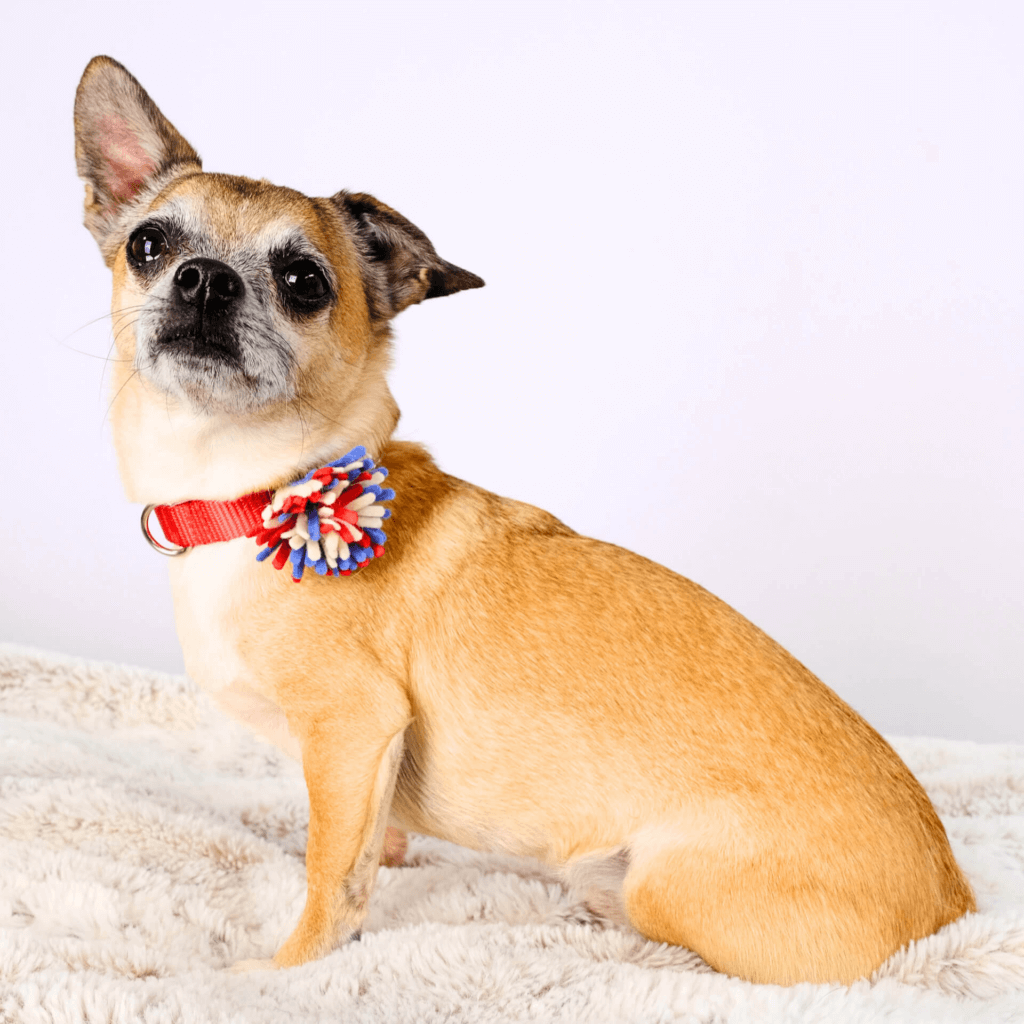
Featured Product: Firework Fourth of July Dog Collar Accessory

Many vets recommend using both, but for different reasons. A well-fitted collar keeps your pup’s ID tag secure if they sneak out the door. A harness protects that delicate neck when you clip on a leash.

Why this combo works:

  • Collar for ID: Keeps your contact info visible at all times. Shop Mimi Green Engraved Buckle Collars
  • Breakaway collar indoors: Pops open if it gets caught on furniture, a safer choice for tiny escape artists.
  • Harness for walks: Spreads pressure across the chest and shoulders instead of the neck. See Mimi Green’s Handmade Harnesses
  • Peace of mind: Helps prevent accidental injuries or slip-outs.

Want to make your Chihuahua’s collar extra special? Try a cute seasonal add-on like our Firework Fourth of July Dog Collar Accessory, like the one you see in the photo. They are are lightweight, festive, and sized just right for small necks.

Best Types of Collars for Chihuahuas

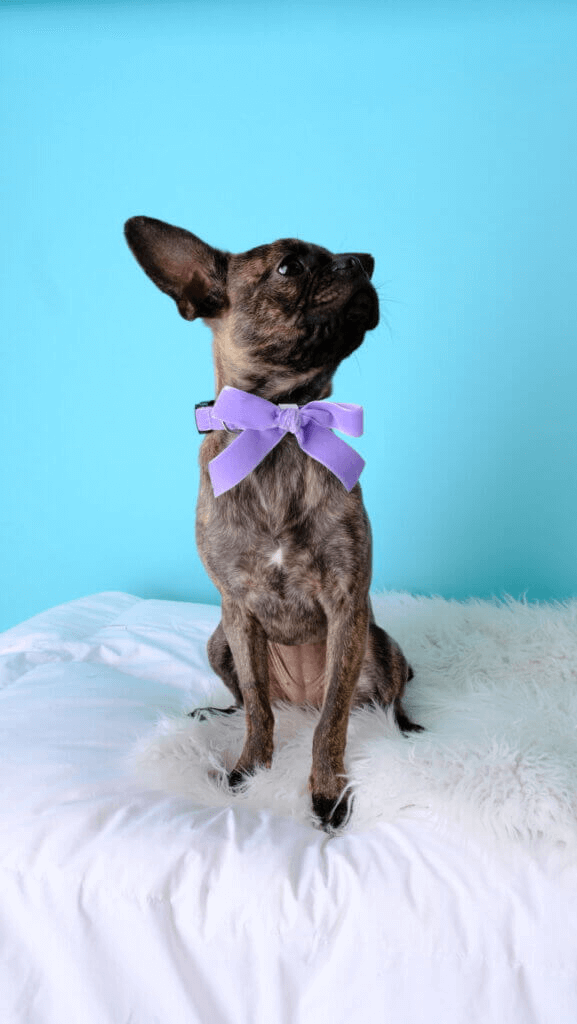
Featured Product: Velvet Bow Dog Collar Accessory

Tiny necks need gentle, lightweight gear, not stiff, scratchy materials.

Top collar picks for Chihuahuas:

Chihuahua Harnesses: How to Choose

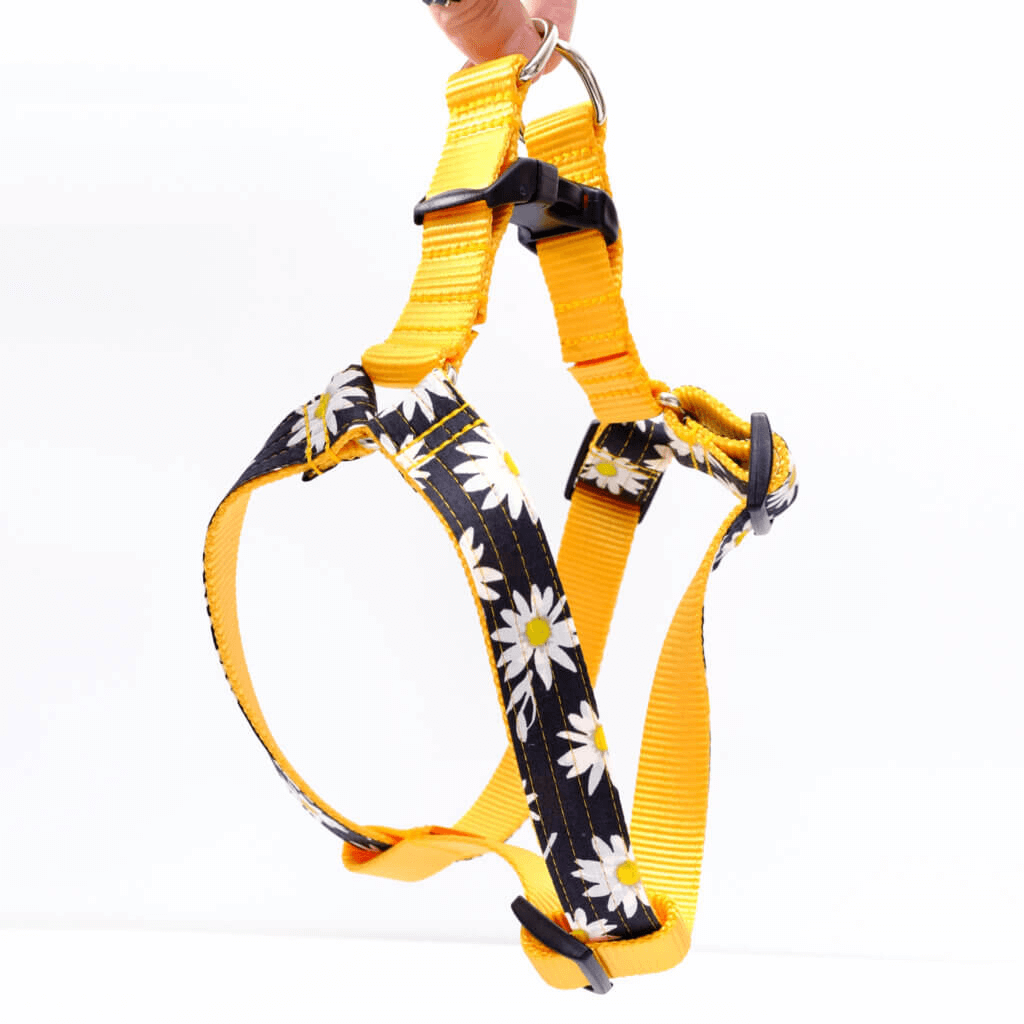
Featured Product: Step-In Black Daisy Dog Harness with Optional Engraved Buckle

A harness is a smart choice for daily walks and can help protect your Chihuahua’s fragile trachea from leash pressure.

Mimi Green harness options to consider:

Not sure which one fits best? View our Dog Harnesses Guide and Harness Size Chart to get the paw-fect fit for your tiny sidekick.

How to Measure Your Chihuahua for a Collar or Harness

The right fit can make the difference between safe and stressful. Remember:

  • Use a soft tape: Wrap it around the base of the neck where the collar naturally sits.
  • Apply the two-finger rule: You should be able to slide two fingers comfortably between collar and neck.
  • Check fit often: Puppies grow quickly, resizing avoids rashes or slip-offs.
  • For harnesses: Measure the widest part of the chest, plus behind the front legs, and adjust straps so they’re snug but not tight. Read Mimi Green’s Sizing Tips

What Features Make a Collar Safe for Chihuahuas

For such tiny pups, every detail matters. The wrong collar can cause rubbing, neck strain, or even an escape when you least expect it.

Key features to look for:

  • Lightweight design: Less bulk means less strain on a delicate neck.
  • Soft, durable materials: Velvet, cotton, or smooth nylon webbing are gentle on sensitive skin. See Mimi Green Velvet Collars
  • Engraved buckle: Safer than dangling tags that can catch on furniture or slip off. 
  • Reflective or Fi-compatible options: Adds extra peace of mind for late-night walks or if your Chihuahua tends to dart away. 

Training Tips: Introducing a Collar or Harness

Even confident little dogs can get spooked by new gear. Take it slow to avoid fear and pulling.

How to ease them in:

  • Let them sniff: Lay the collar or harness near their bed so they can check it out first.
  • Reward calm behavior: Use treats when they stay relaxed while you handle the collar.
  • Slip it on for short sessions: Let them wear it for a few minutes at a time, gradually increasing.
  • Combine with fun: Take a few steps inside with the leash and reward good walking behavior.
  • Check fit often: A good fit stops chewing, slipping, and discomfort before it starts.

If you’d like help choosing gentle training tools for your tiny pup, check out our guide Best Dog Training Collars for Small Dogs for extra tips and safe recommendations.

FAQs: Chihuahua Collar Concerns Answered

It’s normal to worry about your tiny friend’s safety, these are some of the questions we hear most.

Top Chihuahua collar worries:

  • Should Chihuahuas wear collars all the time? Only when supervised indoors; use a breakaway if they wear it at home.
  • Do collars cause collapsed tracheas? A too-tight or poorly fitted collar can, that’s why many owners switch to a harness for walks.
  • What leash is best for Chihuahuas? Use a Waterproof Biothane Small Dog or Toy Dog Leash – 3/8″ width, skip heavy chains or retractables that can tug too hard. 
  • How often should I replace a collar? Check stitching and hardware monthly, replace at any sign of wear.


Final Checklist: Your Chihuahua’s Collar Setup

Before you head out the door, here’s a quick run-through for keeping your Chi safe, comfy, and stylish.

Chihuahua collar checklist:

  • Lightweight, breakaway or engraved collar for ID
  • Well-fitted harness for daily walks
  • Soft, hypoallergenic material if your dog has sensitive skin
  • Matching leash for gentle, secure control 
  • Regular fit check to prevent slips or hot spots
  • Engraving instead of loose ID tags for less noise and fewer snags

Ready to Give Your Chihuahua a Collar That Actually Fits?

Your Chihuahua’s collar should look cute, and help keep them safe, comfy, and easy to spot if they decide to dash through an open door. 

That’s why every Mimi Green’s collar is handmade to order in the USA, sized to your pup’s unique neck and built to last through naps, zoomies, and big adventures alike.

From lightweight engraved breakaway collars to soft velvet embroidered options, you’ll find styles that protect your dog’s tiny neck without weighing them down. No more worrying about slipping out, tugging too hard, or losing ID tags, just the paw-fect fit your Chi deserves.

👉Find the Best Chihuahua Collar & Harness Now

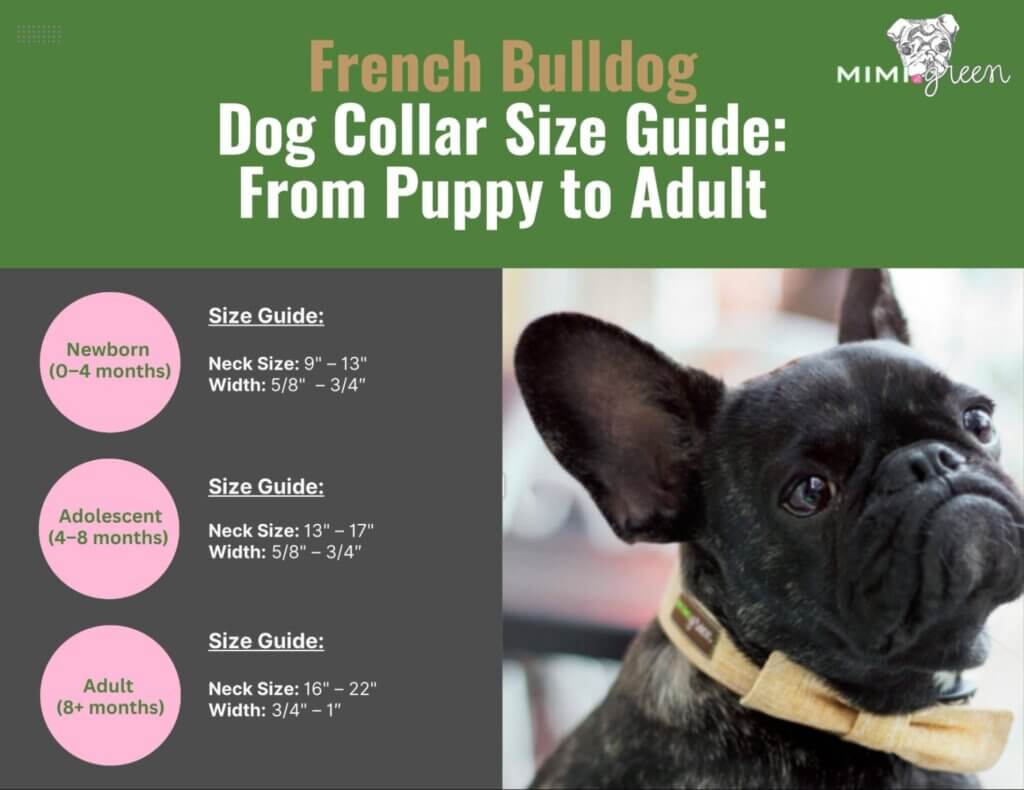
Best Dog Collars for French Bulldogs | Guide

Best Collar for a French Bulldog, picture of frenchie with Mimi Green logo

The best dog collar for French Bulldogs is a lightweight ID collar or a custom-fit harness to protect their airways. Use Martingale collars only with supervision. Learn how to stop pulling, why harnesses work better, and how to keep your Frenchie safe and stylish.

TL;DR – Best Collars for French Bulldogs

We’ve pulled together real-world tips to help you choose the best collar or harness for your Frenchie, from what to avoid to how to measure for a paw-fect fit. 

You’ll see how small details, like lightweight tags and breathable materials, can make all the difference on your daily walks.

This guide has your Frenchie’s comfort in mind, from first fit to every adventure ahead.

Quick Take – Should French Bulldogs Wear Collars?

French Bulldogs can wear collars for ID tags, but a collar shouldn’t be your main tool for walks. Why not just a collar?

  • Pulling can restrict breathing.
  • Frenchies’ stout necks make slipping out easier.
  • Rough edges or tight fits can rub skin raw.

Best practice:

  • Use an engraved buckle collar for ID.
  • Choose soft, lightweight materials.
  • Pair with a custom-fit harness for walks.

Harness or Collar – Which Is Right for Your Frenchie?

Featured Product: Fi Compatible Dog Harness – Easy On Nylon

If you’re wondering if a harness is better for your Frenchie, the answer is yes for daily walks. A harness helps distribute pressure across the chest and shoulders instead of the throat, which means less strain and safer strolls.

What to look for in a harness:

  • ✅ Adjustable belly and chest straps.
  • ✅ Soft nylon or velvet to prevent rubbing.
  • ✅ A fit that stays put, no shifting or slipping.
  • ✅ Made in the USA for trusted quality.
    • Velvet harnesses feel extra soft on sensitive skin and look stylish on a Frenchie’s stocky frame, just spot clean if your pup drools a lot.
  • Biothane harnesses handle mud, drool, and rainy walks with ease — they wipe clean and resist odors.

Best Collar Types for French Bulldogs

Featured Product: ‘Amelia’ Floral Laminated Cotton – Personalized Martingale Dog Collar

Not every collar is a good match for a Frenchie’s stout neck and sensitive skin. The safest choices balance comfort, ID security, and gentle wear.

Top picks Frenchie parents love:

Heavy chain or prong collars are best avoided for brachycephalic dogs like Frenchies, there are safer ways to manage behavior. Check out our full Guide to Brachycephalic Dog Breeds.

How to Stop a French Bulldog from Pulling

Featured Product: Fi Compatible Leopard Velvet Dog Collar

Even a small Frenchie can pack a lot of pull! A collar alone can’t safely manage a strong tugger, training plus the right harness makes all the difference.

Pulling fix toolkit:

  • ✅ Use a step-in harness to shift pressure off the neck.
  • ✅ Try a Martingale collar for slip-out artists (always supervised).
  • ✅ Train in short, consistent sessions with positive reinforcement.

Pro tip: Owners often worry about slipping out, a well-fitted harness and engraved ID buckle mean your pup stays safe, even during squirrel chases.

Mimi Green’s custom-fit harnesses and engraved collars are made for secure, stylish adventures, no more collar choke or uncomfortable pulling.

How to Measure and Fit a Collar for Your Frenchie

A good collar fit is more than just size, it’s your safeguard against slips, rashes, and daily discomfort. Since Frenchies have thick necks and soft skin, getting this right matters.

Fit guide:

  • ✅ Wrap a soft tape measure around the widest part of your dog’s neck.
  • ✅ Follow the two-finger rule: you should slide two fingers under the collar comfortably.
  • ✅ For harnesses, measure both chest and belly girth, adjustable straps are your best friend.

Extra tips:

  • Puppies grow fast, check the fit every few weeks.
  • Collars no wider than 1” or smooth rolled edges can help spread pressure gently.
  • Some Frenchie parents rotate between two collars to prevent irritation.

Answering your worries:

  • Wonder if puppies grow out of collar allergies? Often, yes, but soft, hypoallergenic materials help prevent rashes from the start. 
  • Avoid rough edges or stiff seams; they can rub skin raw.
  • Makers like Mimi Green even offer custom sizing and small repairs if your gear needs TLC down the road.

If your Frenchie struggles with redness or irritation, you’re not alone, their short coat and delicate skin can make them more prone to rashes. We put together a helpful guide on choosing the Best Collars for Sensitive Skin so you can keep your pup comfy, even on daily walks.

How Often to Replace a Frenchie’s Collar

Featured Product: Embroidered Dog Collars

No collar lasts forever, especially when it’s worn by a curious pup who loves to roll in the grass or dig under the fence. Checking your gear regularly keeps your Frenchie safe and comfortable.

When to replace:

  • ✅ If you see fraying, stretched webbing, or rusty hardware.
  • ✅ If the fit feels tight after your Frenchie’s next growth spurt.
  • ✅ If the collar smells bad or traps dirt that won’t come out.

Pro move: Swap your collar out every 6–12 months, or sooner if your pup’s adventures wear it down. A fresh, well-fitted collar keeps your dog comfy, and you worry-free on every walk.

Collar Checklist for Frenchies

Use this quick checklist to choose the safest combo for your Frenchie’s daily walks, ID, and comfort.

When in doubt, combine a lightweight collar for ID with a secure harness for daily strolls. Here’s what works best:

Flat ID Collar

  • Engraved buckle keeps tags lightweight and quiet.
  • Soft fabrics like velvet or Biothane stay comfy on sensitive skin.

Harness for Walking

  • Distributes pressure across the chest, not the throat.
  • Look for adjustable belly and chest straps.
  • Breathable fabric prevents rubbing and heat build-up.

Fit & Care

  • Check fit often, puppies grow fast!
  • Rotate between two collars to avoid neck irritation.
  • Clean regularly; replace when stitching shows wear.

Why Choose Mimi Green for Your Frenchie’s Collar

Every Frenchie deserves more than a generic collar. Mimi Green makes every piece to order, with comfort, safety, and your dog’s style in mind.

Mimi Green is a family-run, USA-based shop that puts real care into every collar and harness we ship. When you choose us, you get:

Your Frenchie is family. Their gear should feel like it was made just for them.

Ready to Find the Paw-fect Fit?

Give your Frenchie a collar that feels good, stays secure, and keeps their tail wagging on every adventure. Why settle for a generic fit when you can choose handmade gear built for your dog’s unique shape?

Discover your Frenchie’s custom-fit collar and harness today. Because safe, stylish adventures should feel as good as they look. 👉 Shop Mimi Green Now

Best Collar for Shiba Inu | Secure, Stylish, Custom Fit

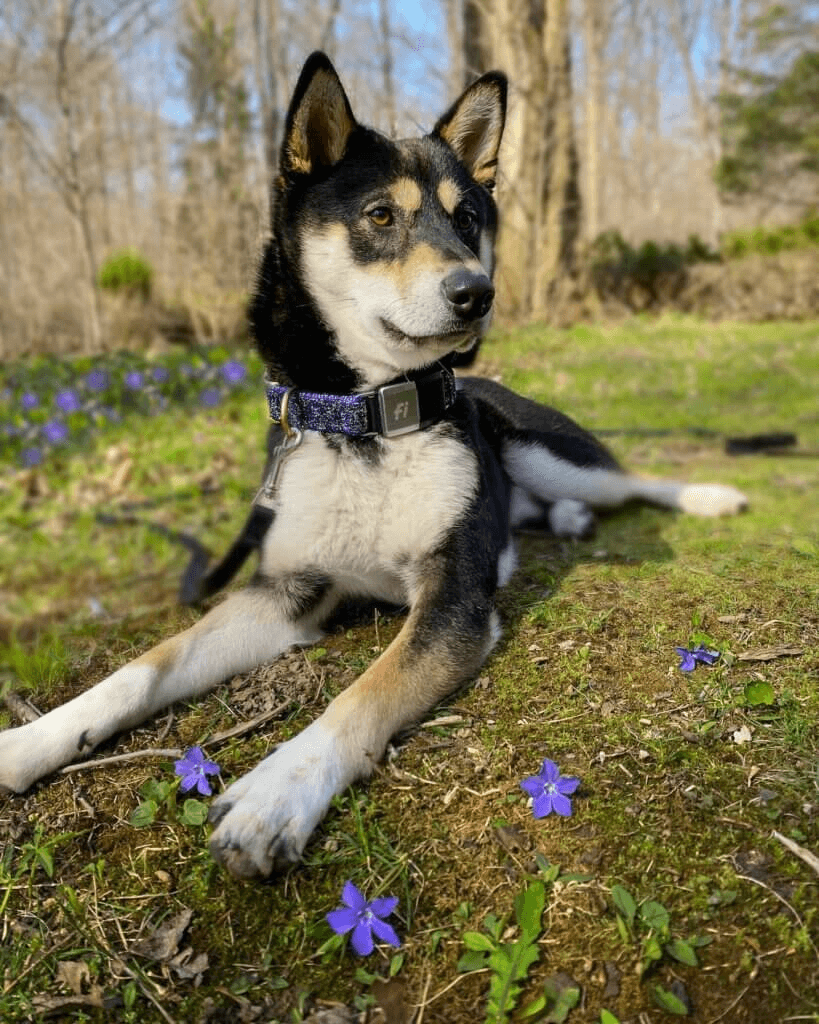
Best collar for a shiba Inu graphic for blog with dog image

The best collar for a Shiba Inu is secure, adjustable, and gentle on their dense coat. Martingale, Leather, or Biothane collars help prevent escapes and reduce fur matting, always measure your dog’s neck for a snug fit that stays safe on walks.

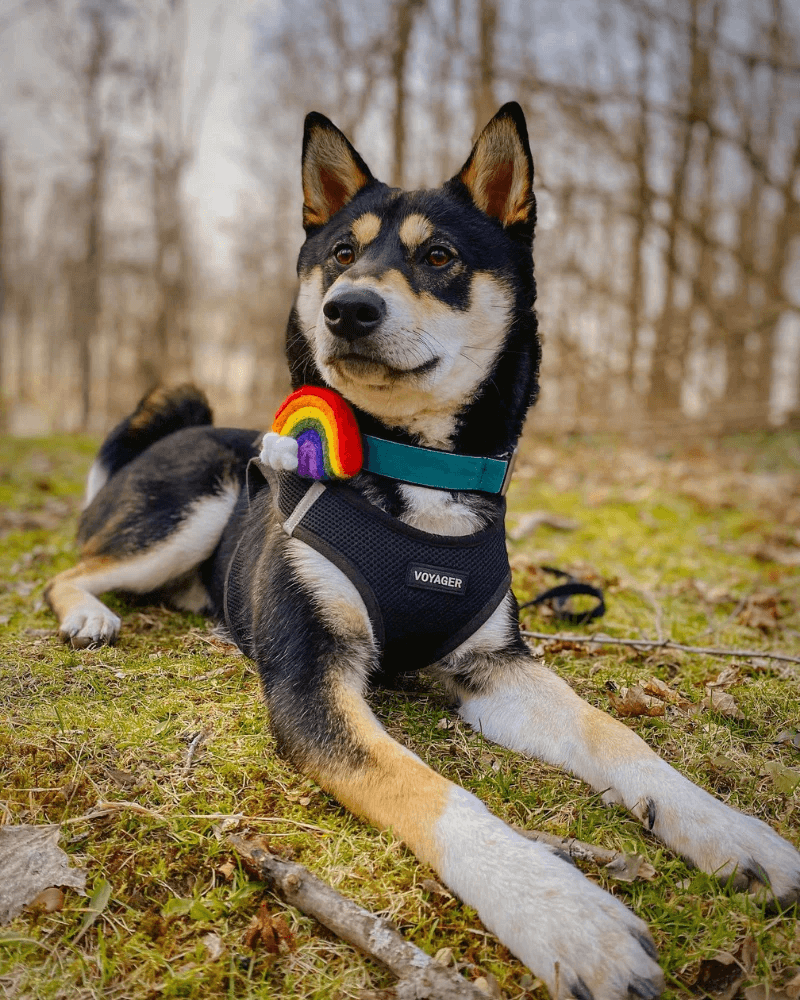
That lush double coat that makes Shibas so striking? It’s also prone to matting under rough or ill-fitted collars. A collar for a Shiba needs to strike the balance between a secure fit and gentle contact, snug enough to prevent back-outs, but never so tight it causes irritation or chafing.

Best Collar for a Shiba Inu

  • Choose a Martingale Collar
    • If your Shiba is an escape artist who slips out of standard collars.
    • Great for leash training and safer walks, gently tightens if they back up.
  • Go for Leather Collar
    • If your Shiba has a thick, plush double coat prone to matting.
    • Soft edges reduce fur breakage and rubbing, stylish for daily wear.
  • Pick Waterproof Biothane Collar
    • If your Shiba loves muddy trails, rain, or splashing.
    • Easy to clean, stink-proof, and smooth on fur.
  • Try Velvet or Flannel Collars
    • If you want a comfy, stylish collar for indoors or special outings.
    • Soft on neck fur and great for minimal pulling.
  • Use a Breakaway Collar Indoors
    • If you keep a collar on inside, choose a breakaway style to prevent snagging.
  • Always Measure Neck (Not Weight)
    • Use the two-finger rule, collar should be snug but not tight.
    • Double-check fit after grooming.

Best Collar Types for Shiba Inus

Shibas aren’t one-collar-fits-all dogs. Their temperament, coat type, and activity level all play into what works best. Here are three tried-and-true styles to keep your fox-like friend safe, stylish, and comfortable:

Leather Collars: Gentle on Fur

Leather collars are a trusted choice for Shiba Inus with plush double coats. A well-made flat leather collar lies smooth against your dog’s neck, helping to reduce tangles, matting, and friction spots.

Quality leather softens over time, molding comfortably to your Shiba’s shape while staying strong for daily wear. For well-trained adults who don’t pull excessively, this classic option combines durability, style, and comfort that lasts for years.

Biothane® Collars: Clean & Escape-Ready

If your Shiba is a mud magnet or loves water, Biothane® might be your new best friend. This material looks sleek like leather but wipes clean in seconds. It won’t hold odors or soak up grime, perfect for adventurous pups. 

The smooth surface also helps prevent fur breakage and tangles, keeping that double coat neat and comfy. Plus, Biothane® is lightweight yet durable, so your dog can play hard without the hardware giving out.

Martingale Collars: Secure Walks

When you need a little extra peace of mind, a martingale collar is a smart choice for Shibas who’ve mastered the art of backing out of standard collars. Martingales tighten gently when your dog pulls, giving you control without harsh corrections. 

This design helps with leash manners and adds a layer of escape prevention on walks. Just remember, martingales are for supervised walks only, never for crate time or unsupervised wear.

Fi-Compatible Collars: Smart Safety

For clever Shibas with an independent streak, a Fi-compatible collar adds an extra layer of peace of mind. These collars pair with the Fi GPS tracker to help you locate your escape artist if they slip a leash or dash through an open door. 

Durable and comfortable enough for daily wear, a Fi-compatible collar lets your Shiba explore with freedom, while you keep tabs from your phone.

How to Measure Your Shiba’s Neck

A well-fitted collar is the secret to keeping your Shiba secure and comfortable. Start with a flexible cloth tape measure and follow these steps:

  1. Wrap the tape snugly around the base of your Shiba’s neck, this is where the collar naturally sits.

  2. Slide two fingers between the tape and your dog’s neck. The fit should be secure but not tight, you want it snug enough to prevent slips, but loose enough to prevent chafing.

  3. Note that a thick double coat can change with the seasons or after a good grooming. Always remeasure if your pup’s coat changes.

Pro Tip: Weight isn’t the same as neck size. Always measure, never guess!

When in doubt, choose an adjustable collar that leaves you wiggle room for seasonal coat changes and growth spurts. And remember: with Mimi Green, every collar can be sized to order, so you’ll always get that secure, custom fit.

Collar vs Harness for Shiba Inus

Shibas thrive on freedom, but that doesn’t mean they always listen. Collars and harnesses each have their role in keeping your dog safe and stylish. A collar is best for everyday wear, ID tags, and quick outings. A harness, on the other hand, is your best friend for training sessions or neighborhood walks with a strong puller.

If your Shiba’s a bolter, a Step-In or Easy-On harness that fits deep chests snugly can add an extra layer of security. Leather and Biothane® collars stay comfortable and durable for daily use, while a harness handles the heavy lifting when you need more control. 

Many owners choose both, using the collar for ID and the harness for actual walks.

What Collar Size Does a Shiba Inu Need?

Most adult Shiba Inus fall into a 12–16 inch neck size range, but don’t make the mistake of guessing based on weight alone. Two dogs with the same build can still vary by a few inches, especially with those plush double coats that change with the seasons.

Always measure before you buy (and re-check after grooming). A snug, custom fit keeps your Shiba from slipping free while protecting their sensitive neck fur from rubbing and matting.

At Mimi Green, every collar is made to order. That means no more in-between sizes that don’t quite fit, just the right size for your fox-like friend, every time.

When to Replace a Shiba Inu’s Collar

Even the best-made collar doesn’t last forever, especially for an active Shiba Inu. Plan to inspect your dog’s collar regularly and swap it out if you see these red flags:

  • Fraying, stretching, or cracking on the webbing or leather
  • Hardware that’s loose, rusting, or failing under tension
  • The collar slips off unexpectedly (that’s your sign it’s too loose)
  • Fur damage or visible irritation under the collar
  • ID tags that have become scratched or illegible

Your Shiba deserves a collar that works as hard as they do. At Mimi Green, replacing an old collar means upgrading to fresh, strong materials with secure buckles that won’t let you down.

👉Time for an Upgrade? Shop Mimi Green

Do Shibas Respond to Training Collars?

Training a Shiba Inu can feel like negotiating with a tiny, stubborn fox. Harsh methods rarely help this independent breed, but the right collar can make a big difference. 

A well-fitted martingale is a gentle, effective option for many Shibas, tightening slightly to discourage backing out without choking.

Some owners also work with professional trainers who use prong collars or other tools for specific situations: if you go that route, be sure you’re guided by an expert. Positive reinforcement paired with a secure collar is still the best approach for daily walks and building trust.

For indoor safety, a breakaway collar with an engraved ID gives you peace of mind without the risk of snags. Clear boundaries, patience, and the right fit help keep your Shiba safe and stylish, no force required.

Features to Look for in a Shiba Collar

A collar for a Shiba Inu should do more than look good, it should fit like it was made just for them. Here’s what to look for when you shop:

  • Adjustable sizing to grow with seasonal coat changes
  • Quick-release buckles that stand up to sudden pulls
  • Engraved buckles to avoid noisy, dangling tags that can get lost
  • Soft, durable materials like leather or Biothane to reduce fur breakage
  • Double-stitched construction that holds up to your Shiba’s bold adventures

When you choose a custom collar from Mimi Green, you’re choosing the comfort, safety, and style your Shiba deserves, without compromise.

Should Shibas Wear Collars Indoors?

Some Shiba Inu owners prefer to remove collars inside the house, especially for energetic dogs who love to wiggle through tight spaces. Removing the collar indoors helps reduce the risk of snagging on furniture or crates.

If you’d rather keep a collar on at all times, opt for a breakaway style with an engraved buckle. This gives you peace of mind if your Shiba ever slips out the door unexpectedly, while minimizing choking hazards if the collar catches on something indoors. And remember, always back up your collar ID with a microchip for safe returns.

Common Collar Mistakes Shiba Owners Make

A collar should keep your independent Shiba safe, but a few common missteps can make even the best collar fail. Here’s what to avoid:

  • Guessing size by weight alone. Always measure your dog’s neck, weight means little when you factor in double coats and seasonal changes.
  • Leaving martingale collars on unsupervised. Martingales are walk-only tools; they shouldn’t stay on when your Shiba’s roaming the house.
  • Picking scratchy or cheap materials. Rough nylon can rub your Shiba’s coat raw, causing matting or bald spots.
  • Relying on one collar for every activity. Sometimes your daily ID collar isn’t enough for big adventures or training sessions, pair it with a harness or specialty collar for a better fit and control.

No two Shibas are alike, so why should their collars be? A city explorer, backyard sprinter, and couch-loving cuddle bug all have different needs. 

A Shiba that spends weekends on muddy trails needs a waterproof collar that rinses clean and stays secure. A laid-back companion lounging at home can enjoy the plush feel of velvet or the gentle touch of leather. 

👉And if your dog loves to lunge after squirrels? A well-fitted martingale or sturdy harness can keep everyone safe.

Final Checklist: What You Need for a Shiba Inu

Your Shiba Inu’s collar is just one piece of the puzzle. A few thoughtful extras can make daily life safer, cleaner, and more comfortable for both of you:

Step-In harness  or Easy-On harness for walks and training

Top Dog Collars for Belgian Malinois | Durable & Custom Fit Options

Best Collar for Belgian Malinois

The best collar for a Belgian Malinois is wide, strong, and escape-resistant to handle their power and agility. Choose durable materials like Waterproof Biothane or Leather collars with reinforced stitching and a secure buckle for daily work, training, or active play.

When a collar doesn’t fit well, you risk sudden escapes, neck strain, or painful skin irritation. Wider, reinforced collars distribute pressure safely, especially during lunges or quick directional changes. And because Malinois have lean necks and double coats that shed seasonally, the right collar helps prevent rubbing and fur loss too.

Mimi Green collars are handmade to order right here in the USA. Every piece comes with reinforced stitching and premium hardware designed to handle the sudden bursts of energy that come with working breeds. 

It’s gear that does more than look good, it keeps your dog secure, comfortable, and ready for anything.

TL;DR – Best Collars for Belgian Malinois

  • Martingale Collar: Gentle control that helps prevent slipping out, ideal for strong pullers.
  • Biothane® Collar: Waterproof, odor-resistant, and easy to clean, built for outdoor adventures.
  • Leather Collar: Distributes pressure comfortably, timeless look that softens with age.
  • Reflective Collar: Added visibility for nighttime walks, helps keep your working dog seen and safe.
  • Fi Compatible Collar: Works with your Fi GPS tracker, combines smart tracking with custom style.
  • Handle Dog Collars: Gives you fast, close control, especially useful during training, bite work, or sports like IPO and Schutzhund. Preferred by many Malinois handlers for its grip-ready design and durable Biothane® construction.

Whether you need the security of a tactical collar or the gentle backup of a Martingale, Mimi Green makes custom options in Biothane®, Leather, and more, each one crafted to keep up with your Malinois’ intensity.

Collar vs Harness for Belgian Malinois

Should you use a collar or harness? For most Malinois owners, the answer is both, you just need to know when to reach for which tool.

Collars work best for training cues, tags, and control during structured sessions. They give clear feedback and help prevent escapes if they fit properly. For day-to-day walks, though, a harness can reduce strain on the neck and shoulders, especially if your Malinois pulls hard or works in agility.

Our Mimi Green Step-In Harnesses are designed for deep-chested breeds like the Malinois. They distribute weight evenly, stay in place, and won’t rub raw spots like poorly fitted front-clip harnesses can. 

And unlike most generic brands, Mimi Green harnesses are designed to match your custom collar, giving your working dog a unified, polished look.

How to Measure a Belgian Malinois for the Right Collar

Getting the right fit can make or break your Malinois’ collar experience. A collar that’s too loose can slip right off mid-sprint, while a collar that’s too tight can rub their short coat raw or restrict breathing.

Use a soft measuring tape around the base of your dog’s neck, where the collar naturally sits. Follow the two-finger rule: you should be able to slide two fingers comfortably between the collar and your dog’s neck.

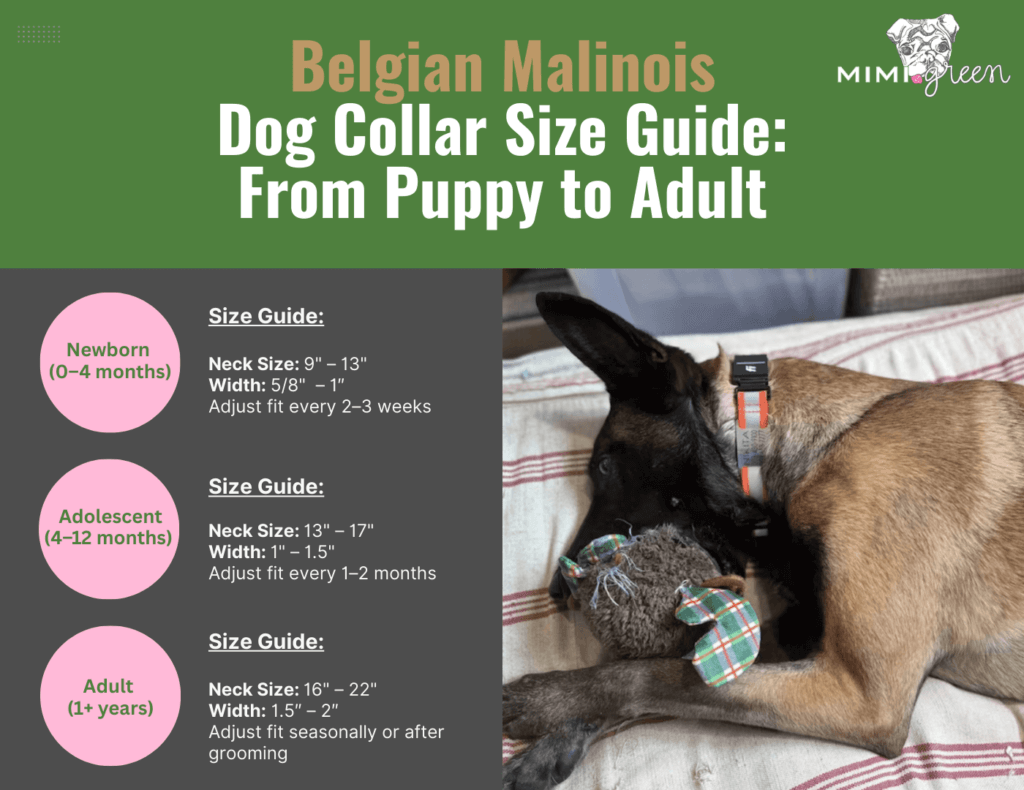
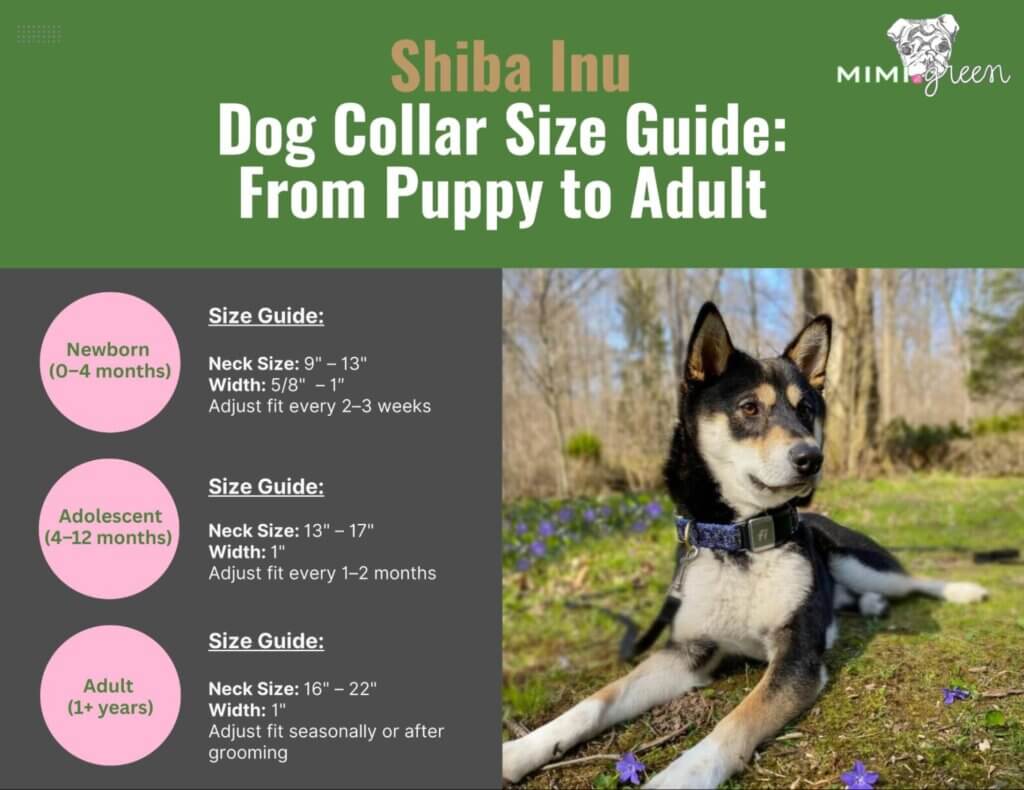
Most adult Belgian Malinois fall within a 16–22 inch neck size, but don’t just go by averages. Because they’re so athletic and their coats change with the seasons, an adjustable fit helps keep things secure without irritation.

Mimi Green offers custom sizing at no extra cost, so you’re not stuck settling for “close enough.” A perfect fit means your working dog stays safe, comfortable, and ready to tackle any job.

How Often Should You Replace a Belgian Malinois Collar?

Even the toughest collar won’t last forever, especially with a high-energy breed like the Malinois. Between hard pulls, weather, and intense daily wear, hardware and stitching can wear down faster than you’d expect.

A good rule of thumb is to inspect your collar every month. Look for frayed stitching, stretched holes, or bent buckles. When in doubt, swap it out. 

Most Malinois owners find they need a new collar every 6–12 months, or sooner if their dog is especially active.
Whenever possible, choose metal buckles over plastic, they hold up better under sudden lunges or tracking sessions. And don’t forget: if your puppy outgrows their collar, size up rather than making do with a tight fit that can cause discomfort or skin issues.

Puppy vs Adult Belgian Malinois Collar Needs

Belgian Malinois puppies grow at lightning speed, and their collars need to keep up. For pups, soft Biothane® or lightweight nylon is your best bet. It’s easy to adjust, gentle on sensitive skin, and can handle early tugging games without fraying.

As your Malinois matures, they’ll benefit from more robust gear. Wide leather collars or tactical styles help disperse pressure during training or bite work. 

An engraved buckle is a smart way to keep ID secure without dangling tags that could catch during rough play.

When you’re ready, Mimi Green makes it simple to order a collar that grows with your dog, so you can adjust as they hit their next big milestone.
Featured Product: Reflective Fi Compatible Martingale Dog Collar

Best Training Collars for Belgian Malinois

Smart, focused, and strong-willed, Belgian Malinois are some of the best dogs to train, but they can also push equipment to its limits. The right training collar helps you communicate clearly without causing harm.
  • E-Collars: Widely used for advanced obedience and recall work, but only in skilled hands. They’re never a quick fix and should always be used under professional guidance.
  • Prong Collars: When sized correctly (like the trusted Herm Sprenger 2.25mm or 3mm), they can provide safe correction and clear feedback. But misuse can damage trust, so get a fit check with your trainer first.
  • Martingales: A go-to for everyday training walks. They tighten slightly under tension, preventing your dog from slipping free while avoiding the harsh pull of a choke chain.

At Mimi Green, we’re tool-neutral, we know that a collar alone doesn’t train your dog. The right fit, the right material, and professional guidance always make the difference.

Key Features to Look for in a Malinois Collar

Featured Product: Fi Compatible Leather Dog Collar

When you’re shopping for a collar that can keep up with a Belgian Malinois, there are a few must-haves that separate quality gear from big-box quick fixes.

  • First up: width. A 1.5-inch collar is a sweet spot for most Malinois, spreading pressure evenly and reducing strain on that strong neck when your dog lunges at a “squirrel!” moment.
  • Durability is non-negotiable. Look for reinforced stitching and rugged materials like Biothane® or full-grain leather. Both stand up to constant outdoor adventures while staying gentle on skin.
  • Opt for quick-release buckles, they’re easier to handle with gloves or in fast-paced situations.
  • Finally, skip the cheap jingle tags. Embroidery or an engraved nameplate keeps your dog’s ID secure without the risk of snagging on branches or brush.

Collar & Leash Combo Recommendations

A Belgian Malinois isn’t a “walk once a week” breed, you’ll need gear that holds up to daily use, rain or shine, and looks good doing it. That’s why matching sets matter more than most owners realize.

A collar and leash combo built from the same tough material means consistent strength and style. A Biothane® leash, for example, pairs perfectly with a waterproof collar for dogs who spend more time in the field than on the couch.

Mimi Green offers handmade sets in leather, Biothane®, and even custom Martingales, plus thoughtful add-ons like matching waste bag holders, key fobs, or engraved ID plates. For working dogs, service animals, or even a weekend adventure, a polished set says you’re ready for anything.

Checklist – What You’ll Need for a Belgian Malinois

A good collar is just the start. Here’s a quick gear rundown for any Malinois owner who wants to keep pace with this unstoppable breed:

A well-prepped handler means a safer, happier working dog, every single day.

FAQ

What size collar should a Belgian Malinois wear?

Belgian Malinois typically need a collar in the 16–22 inch range, depending on age, weight, and coat. Always measure your dog’s neck with a soft tape and choose an adjustable fit so you’re never caught off guard by seasonal coat changes or muscle gain.

Can I use an e-collar on my Belgian Malinois?

Yes, but only if you’re working with an experienced trainer. E-collars can be a smart part of advanced obedience or off-leash recall, but improper use can do more harm than good. Skip this tool for puppies or early training stages.

Are martingale collars good for Belgian Malinois?

Absolutely. A Martingale provides gentle, slip-proof control, especially if your Malinois tends to back out of regular buckle collars. It’s a smart middle ground between a flat collar and a training tool, just remember to remove it when not in use.

What material is best for Malinois collars?

Biothane® and leather come out on top for Malinois. Both materials balance durability with comfort, resist odor and moisture, and handle the rough-and-tumble life of an active working dog.

Best Dog Collars for Greyhounds – Martingales & More

Best Dog Collar for Greyhound image banner

Martingale collars are best for Greyhounds because they tighten gently to prevent slipping without choking. Choose a wide style in velvet or nylon to protect delicate necks, prevent fur loss, and keep your hound safe. Measure carefully for a secure fit every walk.

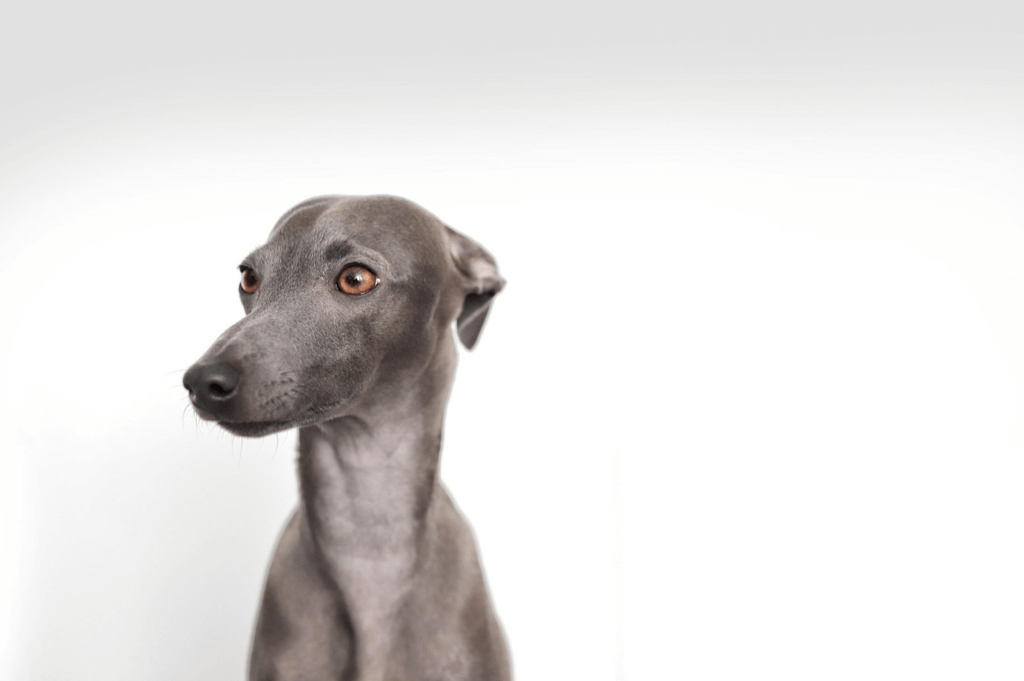
Greyhounds are elegant, sensitive pups with long, slender necks that are actually wider than their heads. This unique build means traditional buckle collars can slip right off if your hound pulls backward or gets startled mid-walk.

Unlike other breeds, Greyhounds have delicate skin and a fine coat that can easily rub raw under stiff, narrow collars. Chafing and fur loss are two of the biggest complaints we hear from first-time sighthound parents.

A well-fitted collar balances gentle control with comfort, protecting their neck while giving you peace of mind on every walk.

TL;DR – Best Collars for Greyhounds (Mimi Green Picks)

What Makes Martingale Collars Ideal for Greyhounds

When you talk to sighthound rescue groups or seasoned Greyhound owners, you’ll hear the same answer: martingale collars are the gold standard for this breed.

Their clever two-loop design keeps the collar snug when your dog pulls or tries to back out, but it never tightens to the point of choking. Instead, it applies just enough tension to prevent slip-outs, giving you control without harsh corrections.

This design also spreads pressure across a wider area, easing strain on the windpipe and sensitive neck. That’s why martingales remain the best collar type for Greyhounds who love to zoom at the park but can surprise you with an unexpected bolt. Whether you’re walking, training, or practicing leash manners, a martingale gives you reliable security with the gentle touch your hound deserves.

Choosing the Right Width and Material

A Greyhound’s neck deserves better than a skinny strap that digs in. For this breed, a wider collar is more than just stylish, it’s safer.

Experts recommend a minimum width of 1.5 inches, with many larger Greyhounds thriving in a 2-inch martingale or fishtail collar. The extra width helps spread out any tension, protecting the delicate skin and fur underneath.

When it comes to material, softness is key. Look for velvet, that won’t rub fur off your dog’s neck. Leather and smooth nylon are great for daily ID wear, but stiff webbing or unfinished edges are a recipe for irritation.

👉If you’re the owner of a Greyhound and are looking for the right dog collar for your pet, shop out Greyhounds’s selection of products here.

How to Measure Your Greyhound for a Collar

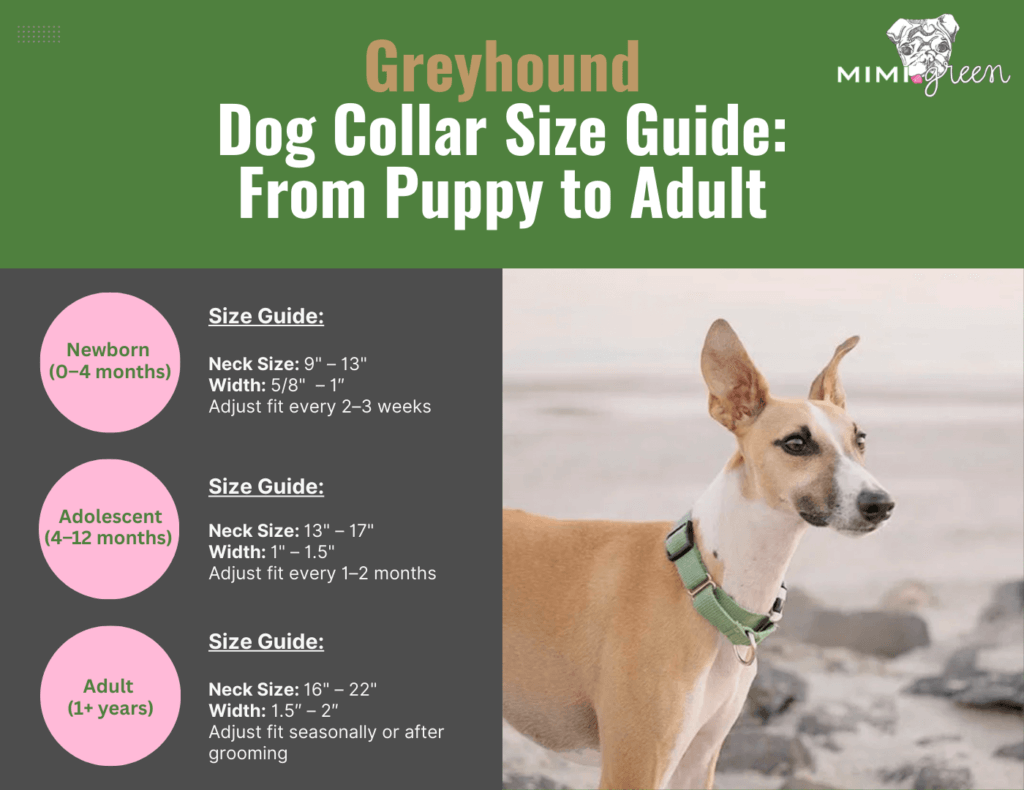
Getting the fit right is non-negotiable when you have a breed that can slip free in seconds. Always measure your Greyhound’s neck at both its widest and narrowest points using a soft, flexible tape.

To find the safest size for a martingale, add about 1.5 to 2 inches to your measurement. This ensures the collar sits snugly behind the ears without pinching when tension is applied.

The collar should be loose enough to slide two fingers under when relaxed, yet tight enough when pulled to prevent slipping.

A made-to-order collar from Mimi Green lets you dial in that perfect fit, no awkward gaps or stiff adjustments. If you’re unsure, our measurement guides and video tutorials walk you through it step by step, so your hound stays stylish and secure.

Martingale Collar vs Harness for Greyhounds

While martingale collars are the top pick for most Greyhounds, harnesses do have their place, especially if you’re working with a reactive dog or an escape artist. A well-fitted harness can offer added security and help manage pulling, but it can also give strong hounds extra leverage to drag you down the street.

For everyday leash walks and casual outings, a properly sized martingale collar often gives you the right mix of slip prevention and gentle control. 

When you’re navigating busy areas, some owners prefer using a dual system: a martingale collar for steady guidance plus a backup harness for extra peace of mind.

Just remember, fit is everything. A loose harness can slip off a Greyhound just as easily as a flimsy collar, so take time to adjust straps and check them regularly.

Collars That Won’t Rub or Cause Hair Loss

A rough collar edge can turn your Greyhound’s graceful neck into a bald patch in no time. This breed’s thin skin and fine coat need a collar that’s as gentle as it is secure.

Smooth stitching, finished edges, and breathable materials keep your dog comfortable, even on longer walks or during summer months. 

Leather collars with ID tags are another smart option, and our velvet martingale collars pair soft velvet with strong, high-quality nylon webbing to keep your Greyhound comfortable and secure . No stiff edges or scratchy seams.

When to Replace a Greyhound’s Collar

A worn collar isn’t just a style issue, it can be a safety hazard for a dog that’s known for slipping out at the worst moment.

Most Greyhound owners swap out collars every 6–12 months, or sooner if they see signs of fraying, stretching, or hardware damage. Check the stitching and D-ring regularly, especially if your hound loves to bolt or roll around in the grass.

Also, keep an eye on how the collar fits after big changes like seasonal shedding, weight loss, or growth spurts for younger dogs. A loose martingale won’t do its job; a collar that’s too tight can cause irritation.

When in doubt, upgrade. A fresh, properly sized martingale keeps your Greyhound safe, and a handcrafted Mimi Green collar means you get that perfect fit without sacrificing style.

Best Collar + Leash Combo for Greyhounds

Finding the right collar is step one, but pairing it with a well-made leash completes the picture. A matching martingale and leash set not only looks good but works better too.

With Greyhounds’ sudden bursts of speed, a sturdy, comfortable-grip leash helps you keep a secure grip without straining your wrist. Look for lightweight webbing that won’t dig into your hand during long walks.

At Mimi Green, you can mix and match martingales and leashes in styles like plush velvet, waterproof Biothane, or leather. We even offer Fi-compatible collars so you can add real-time GPS tracking for peace of mind if your hound ever slips the leash.

Every piece is made to order in the USA, so your Greyhound’s gear can be as unique as they are.

FAQ

What size collar should I get for my Greyhound? Most Greyhounds wear collars between 11–17 inches. Measure the widest part of the neck and add 1.5–2 inches for a snug but safe martingale fit.

Are martingale collars safe for Greyhounds? Yes. When adjusted correctly, martingales prevent slip-outs gently, without choking or harsh pressure.

Can I leave a martingale collar on my Greyhound all day? It’s best to remove martingales when unsupervised to avoid snagging or over-tightening.

Should I choose leather or nylon for my Greyhound? Both work beautifully. Leather is timeless and durable; nylon or velvet options are softer and lighter for everyday comfort.

What if my Greyhound pulls on walks? A martingale helps manage pulling gently. For stronger pullers, add a harness for backup control.

Greyhound Gear Checklist

Stop Dog Pulling on Leash When Excited | Guide

Stop your dog from pulling on the leash when excited by training them to walk with a loose lead using rewards, calm focus, and the right gear. Learn why dogs pull, how to handle leash biting, and practical steps to keep walks safe, controlled, and enjoyable.

Here’s the quick answer: Dogs pull because it works. The moment they pull ahead and you follow, they learn that pulling gets them where they want to go. 

To stop this, train your dog to walk with a loose leash by rewarding calm walking, stopping when the leash tightens, and practicing focus cues like “watch me.” Start in calm spots and build up to busy streets. Your dog can stop pulling, with consistency and the right tools. 

Many owners worry they’ll never get it right or that their strong dog will pull them off their feet. But with a few simple changes, you can make every walk feel safe and controlled.

If you’re tired of tug-of-war walks, keep reading. You’ll find the steps, mistakes to avoid, and real-world advice you need to help your dog walk nicely by your side, for good.

Why Dogs Pull on the Leash

It feels personal when your dog drags you down the sidewalk, but pulling is learned. Dogs pull because they’re excited, they spot something they want to chase, or they feel anxious and want distance. And when pulling gets them closer to a squirrel or the next sniff, it’s instantly rewarded. 

Every step you take forward while they’re pulling says, “Keep doing this, it works!”

Once you see it this way, you realize leash pulling is about rewiring what works for your dog.

Step 1: Pick the Right Gear (Without Hurting Your Dog)

Before you jump into training, make sure you’re using gear that helps you teach, not fight your dog. For dogs that pull, a well-fitted harness can help redirect force without putting dangerous pressure on their neck. Martingale collars can work for dogs who slip out, but you still need the right fit, remember the two-finger test, and make sure they can’t mouth the loop.

Tools like choke chains, prong collars, or retractable leashes are best used under the guidance of an experienced dog trainer. When used incorrectly, they can cause discomfort, reinforce unwanted behaviors, or delay progress. For most pet parents, positive reinforcement and well-fitted gear offer a safer, more effective starting point.

If you’re stuck between training and needing a fast walk, some owners use two harnesses, one for training with clear rules and another when you just need to get from A to B. But be mindful: this can slow your progress if your dog gets mixed signals.

If your dog’s an escape artist, consider adding a Fi-compatible collar for GPS tracking. No training plan is perfect, safety backups matter.

Step 2: Start Training in Calm, Low-Distraction Spots

Featured Product -> Fi Compatible Pearl Friendship Bracelet Dog Collar

The biggest mistake we see? Trying to teach a dog to stop pulling in the middle of a busy park. Start where you can win together. Pick your living room, backyard, or driveway. These quiet spaces help your dog focus on you instead of every smell, dog, or passing car.

Teach simple focus cues like “watch me” so your dog learns that paying attention to you brings treats. Use high-value treats, something special they don’t get every day.

If your dog loses interest or gets distracted, keep your sessions short. Five minutes of focused practice beats a frustrated half hour. Puppies especially benefit from micro-sessions that make training fun and fail-proof.

Step 3: Reward Calm Walking by Your Side

Once you’re outside, the goal is to make staying by your side the best thing ever. 

Follow the 3-second rule: every time your dog walks calmly next to you for three seconds, reward them. This helps them connect calm walking with good stuff.

Keep your treats at your side, not ahead of you. This placement teaches your dog that staying next to your leg pays off. Some dogs aren’t big on treats outside, use a favorite toy as a backup reward.

Step 4: Stop When the Leash Tightens

Here’s where many well-meaning owners go wrong. If your dog pulls and you keep moving, you’re saying, “Good job, pulling gets us places.” The fix? Be a tree. The moment you feel that leash tighten, stop moving. Wait for your dog to release tension or return to you. Only then, take a step.

Mix things up by changing direction suddenly, this keeps your dog tuned in. And remember, short daily practice works better than once-a-week marathons. Calm walks don’t happen overnight, but five minutes of clear, consistent practice a day pays off for life.

Step 5: Add in Real-World Distractions

Once your dog masters calm walking in the backyard, it’s time to test their skills around real temptations, like other dogs, new smells, and people. Start small. Practice in a quiet neighborhood before tackling the dog park at peak hour.

A big question is, “How do I stop pulling when my dog sees another dog?” The answer: distance is your friend. If your dog pulls or lunges at other dogs, create space. Cross the street, turn away, or change direction before they fixate. Reward eye contact and calm focus on you. If your dog can’t focus no matter what, they may be feeling fear or over-excitement that needs more time to work through.

Some dogs pull because they’re scared, not excited. In these cases, you may need extra help. A qualified positive-reinforcement trainer can help your dog build confidence without adding more stress to your walks.

How to Handle Dogs That Bite the Leash

Some dogs pull and turn the leash into a chew toy. It’s not disobedience, it’s often excitement or frustration bubbling over. Puppies, especially, mouth the leash when they don’t know where else to put that energy.

Instead of scolding, redirect. Carry a tug toy or a chewy treat to give your dog something better to focus on. A short play session can release tension and keep your leash in one piece. 

Over time, reward calm behavior with treats instead of letting your dog make a game of biting the leash.

Extra Tips for Stubborn Pullers

For dogs who never seem to run out of steam, more structure away from the leash can help. Teach simple impulse-control games like “wait” at doorways or “stay” before tossing a toy. These tiny lessons build the same self-control your dog needs for polite walking.

Don’t forget mental exercise. Puzzle toys, sniffy games, and short training sessions drain energy that might otherwise show up as leash pulling.

Also, think about your dog’s breed. A high-drive dog like a Husky or Shepherd may need extra outlets for their natural instincts, while a Yorkie might pull out of fear or because they’re small enough to get away with it. Tailor your approach.

Common Mistakes to Avoid

  • The biggest mistake is inconsistency, sometimes letting your dog pull, sometimes not. Mixed signals make training longer and harder.
  • Another slip-up: rewarding pulling by moving forward when your dog lunges. If pulling works even once, your dog learns to keep trying.
  • Lastly, avoid painful tools like choke chains. They don’t teach your dog how to succeed, just what to fear. Instead, combine the right gear, clear rules, and gentle practice. Your walks will be safer and far more enjoyable.

Real Questions from Mimi Green Customers

  • Can I ever let my dog pull? If you sometimes allow pulling, like on a flexi leash in the woods, your dog may stay confused about when it’s okay. Stick to clear, consistent rules if you want lasting loose-leash habits.
  • Is it too late to fix leash pulling? Nope! Even older dogs can learn. Start slow, reward calm walking, and remember: short, daily sessions work wonders.
  • Why does my dog freeze instead of pulling? Some dogs stop walking when overwhelmed or nervous. Don’t drag them. Use treats and encouraging words to build confidence step by step.
  • What about senior dogs who can’t handle a harness? A well-fitted, lightweight collar and shorter walks can help. Always check fit, seasonal coat changes can affect how a collar sits.

Need more help to find the right collar? Check out our sizing and fit guides to choose what’s right for your pup.

Walks Should Be Fun! Here’s How to Keep Progress Going

Your dog might not get it right on day one, and that’s okay. Celebrate small wins, like one block of calm walking. Build from there.

Once they master easy routes, add new distractions or practice with another calm dog. And remember: consistency keeps good habits strong.

Need a collar that actually fits right? We craft every piece to match your dog’s size, coat, and personality, so you can focus on enjoying your walks together.

Calm Walks Are Possible

If you’re worried your dog will always drag you down the street, take heart: with practice, the right gear, and a little patience, calmer walks are possible. Your dog deserves a safe, comfortable walk, and so do you.

Daily walks shouldn’t feel like a battle. When your dog pulls on the leash, the wrong fit or scratchy material only makes things worse. Mimi Green designs collars, harnesses, and leashes that put your dog’s comfort first, so training sticks.

  • Try a custom-fit martingale collar for gentle control.
  • Switch to a waterproof, easy-clean option if your dog loves adventure.
  • Add a personalized buckle or engraved nameplate for safety, style, and peace of mind.

Every Mimi Green piece is made to order here in the USA, just for your pup. Because no walk should be stressful when the right fit makes all the difference.

Ready to enjoy calm walks again? Find your dog’s paw-fect leash today.

Can Dogs Wear a Collar and Harness?

Yes, your dog can safely wear a collar and a harness at the same time, if they’re fitted correctly. Vets recommend a collar for ID and a harness for comfort and control on walks. Learn when to use both, how to avoid common mistakes, and which materials work best for your pup’s coat and lifestyle.

If you’ve ever worried about whether doubling up feels too heavy or could cause matting or chafing, you’re not alone. 

The good news? A well-chosen collar and harness, made from the right materials and adjusted for your dog’s size and coat, can actually make walks safer and more comfortable.

We specialize in handcrafted, made-to-order collars and harnesses that match your dog’s coat type, personality, and lifestyle, from leather for long-haired pups to waterproof BioThane® for mud lovers. Plus, you can customize every piece for a perfect fit, so your dog never has to settle for generic gear that rubs or slips.

If you just needed the short answer, you’re all set. But if you want step-by-step tips, breed-specific advice, and our favorite fitting tricks to keep your dog comfy and safe, keep reading.

Why Use a Collar and a Harness Together?

For most dogs, wearing both makes sense, as long as you’re doing it for the right reasons. A collar keeps your dog’s ID tags secure at all times. Even the best-fitted harness can slip off during rough play or an unexpected dash through a tight fence gap. A collar adds that layer of backup you hope you’ll never need.

Meanwhile, a harness is the go-to for comfort and control, especially if your dog pulls on leash or has a delicate trachea. Unlike collars, harnesses distribute pressure more evenly across the chest and shoulders, protecting the neck from strain or injury.

For dogs with a talent for escaping, doubling up with a collar and harness can give you peace of mind. Many trainers and vets suggest using both for certain breeds, seniors with mobility challenges, or rescue pups who are still learning leash manners.

Common Myths & Mistakes to Avoid

Plenty of pet parents fall into the same traps, so let’s clear them up:

First, no collar lasts forever. It’s a myth that they’re indestructible. Cheap materials can fray or crack, while even the best-made collars should be checked regularly for signs of wear.

Another common mistake is choosing a size based only on your dog’s weight. Neck size, coat type, and breed shape matter far more. That’s why at Mimi Green, we encourage measuring your dog properly and adjusting after grooming.

Over-tightening a harness is another problem we see all too often. A harness that’s too snug can rub sensitive skin raw or restrict shoulder movement. And don’t assume every collar or harness is one-size-fits-all, breed, age, and your dog’s coat should all guide your choice.

How to Fit a Collar & Harness Correctly

Sizing Your Dog’s Collar

Start with the tried-and-true two-finger test. Once the collar is on, you should easily slide two fingers between the collar and your dog’s neck. Too tight? It could chafe or cause rashes. Too loose? A determined pup might slip right out.

Breed and coat matter here, too. Dogs with long, curly, or double coats, like Golden Retrievers or Poodles, often do better with leather collars that reduce matting. 

For pups with sensitive skin, hypoallergenic materials are better. Check out this article for a better understanding: Best Collars For Sensitive Skin | Hypoallergenic Options.

Sizing the Harness

No single harness works for every dog. Pick what fits your pup’s shape, coat, and daily adventures:

  • Y-Harness: Gives shoulder freedom and even weight distribution, great for active walkers.
  • Back-clip harness: Good for calm dogs who don’t pull much; easy to put on and take off.

To keep your dog comfy:

  • Read our Dog Harness Guide
  • Check that the straps don’t rub behind the front legs or under the armpits.
  • Watch for signs of matting on long coats, rolled edges or harnesses can help.
  • Adjust seasonally. Dogs shed and grow out coats, so a harness that fit in winter might be too loose come summer.

Should I Clip the Leash to Both?

Some owners double-clip the leash to both the collar and harness. Here’s what you need to know:

  • Pros: Adds a layer of safety for dogs who slip out of gear or love to pull sudden Houdini moves.
  • Cons: For some dogs, double clips can feel awkward or restrict natural movement.
    Many trainers suggest a backup clip for strong pullers or nervous dogs in new places. If you do use two attachments.
  • Keep your leash short enough to avoid tangling.
  • Skip retractable leashes, they’re prone to twist and jam when clipped to multiple points.

Is It Safe for Puppies to Wear Both?

Puppies can learn to wear a collar and harness early, if you introduce both gently.

  • Start slow: Use calm treats and reward your puppy for sniffing and wearing each piece.
  • Positive reinforcement: Keep sessions short and pair putting on gear with good things, snacks, toys, praise.
  • Watch for stress: If your puppy freezes up, scratches, or tries to chew, take it off, try again later, and go even slower next time.

When done right, a puppy that grows up comfortable wearing both is far less likely to fuss or fear them as an adult.

Vets’ & Trainers’ Tips for Double Wear

Before you clip on both, here’s what pros want you to know:

  • Collar for ID, harness for walks: Vets generally recommend that your dog always wears a collar with up-to-date ID tags. A harness is best for walking or training sessions, but it doesn’t replace a collar for everyday identification.
  • Small breeds sometimes skip collars on leash: Tiny or fragile-necked dogs, like Yorkies or Chihuahuas, may be better walked with just a well-fitted harness to avoid trachea strain. But consider keep the collar on indoors for safety.

Using remote training collars, commonly referred to as e-collars or shock collars, alongside harnesses can be risky.

If a harness shifts or tightens during use, it could increase pressure on your dog’s neck or chest when combined with an e-collar. If you’re considering a training tool like this, we recommend working with a certified trainer to ensure safe and humane use. At Mimi Green, we prefer positive reinforcement methods that build trust and reduce stress for pups.

Choosing the Right Materials for Comfort

Your dog’s coat, skin, and lifestyle should guide your choice. Here’s what works best:

For Long, Curly, or Matte-Prone Coats

Leather: Helps prevent tangles and matting under the collar.

For Active, Outdoorsy Pups

  • Waterproof BioThane®: A game changer for muddy hikes, swims, and rainy-day walks. Easy to clean, odor-resistant, and durable.

For Sensitive Skin

  • Hypoallergenic materials: Like cotton can be gentler on sensitive skin, especially when paired with high-quality webbing. All our fabric collars use a premium nylon base that’s softer and more durable than standard pet-store options. While we don’t offer leather harnesses, our thoughtfully selected materials are designed with comfort and skin safety in mind, perfect for pups prone to rashes or hot spots.

Common Worries About Wearing Both, Solved!

  • “Will my dog feel uncomfortable?”
    Solution: Not if you size things right. The collar should pass the two-finger test, and the harness should fit snugly without pinching or restricting movement.
  • “Could the collar get caught on the harness?”
    Solution: It’s rare, but a poor fit can cause snagging. Choose gear designed to sit well together, and check that tags don’t dangle into buckles.
  • “Can my dog sleep wearing both?”
    Solution: For most dogs, a collar with ID is enough overnight. Remove the harness to prevent rubbing or tangling while your pup snoozes.

When NOT to Use a Collar and Harness Together

  • Tie-Outs: We don’t recommend using tie-outs at all. In our experience, they’re when we see the most broken buckles and unhappy outcomes. But if you must use one, never attach a tie-out cable to a harness alone, a pulling dog can slip out or injure their shoulders. A properly fitted collar (not under tension for long periods) is safer, but always supervise.
  • Retractable leashes: Using one with both a collar and harness increases the risk of tangling and sudden jerks. A standard leash gives you better control and keeps your dog safer.

Mimi Green’s Handmade Solutions

When you want your dog’s collar and harness to actually work well together, and look good, too, that’s where we come in:

  • Custom sizing: Every Mimi Green collar and harness is made-to-order for your dog’s neck and chest measurements. No guesswork, just a fit that stays comfy.
  • Matching sets: Mix and match collars, harnesses, and leashes in velvet, waterproof BioThane®, or leather for a pulled-together look.
  • USA-made quality: Crafted by our family-owned team, using materials we trust, so your dog’s gear won’t rub, fray, or fall apart after a season.
  • Special extras: From limited edition designs to Fi-compatible GPS collars, we help keep your dog safe, stylish, and ready for adventure.

Final Tips to Keep Your Pup Safe & Stylish

A collar and harness combo only works if you check in regularly:

  • Look for any rubbing, chafing, or matting, especially under harness straps and behind the ears.
  • Adjust sizing as needed with seasonal coat changes or after a grooming session.
  • Replace worn or frayed parts, even the best-made collar won’t last forever if your dog’s an everyday adventurer.

Ready to Find Your Pup’s Paw-fect Match?

If you’ve decided your dog’s ready for both a collar and harness, the right fit and materials make all the difference. That’s where we come in.

At Mimi Green, we handcraft every collar and harness to order, so your pup gets:

  • Custom sizing and materials that match their coat type, skin needs, and lifestyle, whether they splash through creeks or curl up on your lap.
  • Matching sets that make ID tags, harness, and leash feel like one well-designed system, not an awkward mashup.
  • USA-made quality that means no scratchy nylon, no cookie-cutter sizing, just thoughtful design you can trust.

Explore our full collection today and see how our custom sets help your dog wear a collar and harness comfortably, while looking downright adorable on every walk.